The Goldyne Savad Institute of Gene and Cell Therapy, Hadassah Hebrew University Hospital, Ein Karem, Jerusalem, Israel.
Laboratory for Minimally Invasive Tumor Therapies, Department of Radiology, Beth Israel Deaconess Medical Center (BIDMC), Harvard Medical School, Boston, MA, USA.
Sci Rep. 2023 Sep 28;13(1):16341. doi: 10.1038/s41598-023-42819-2.
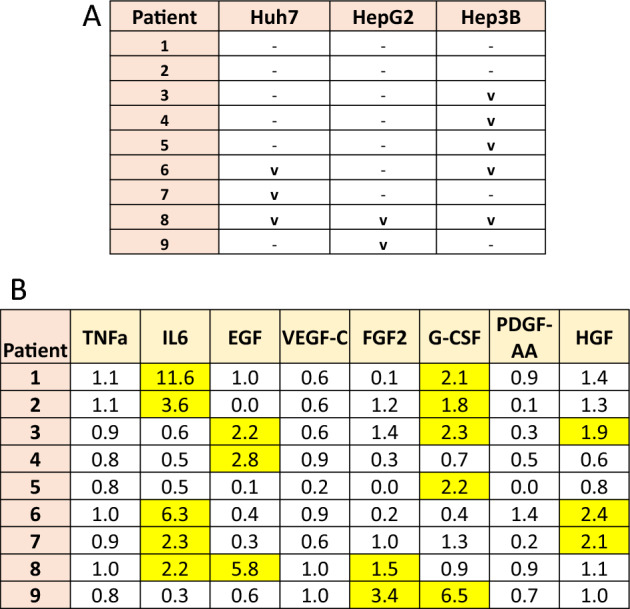
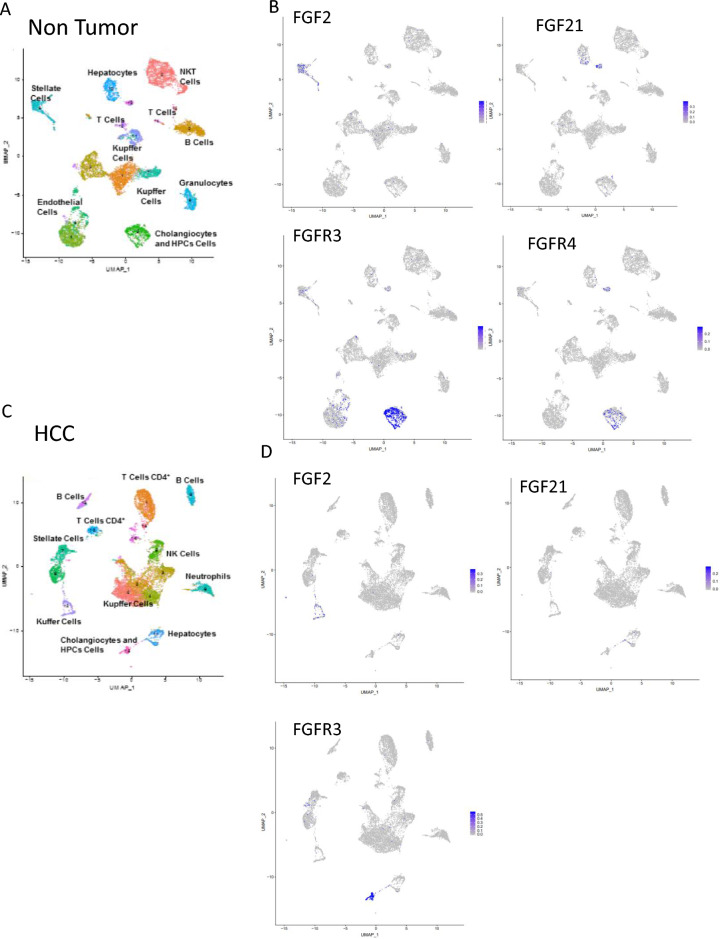
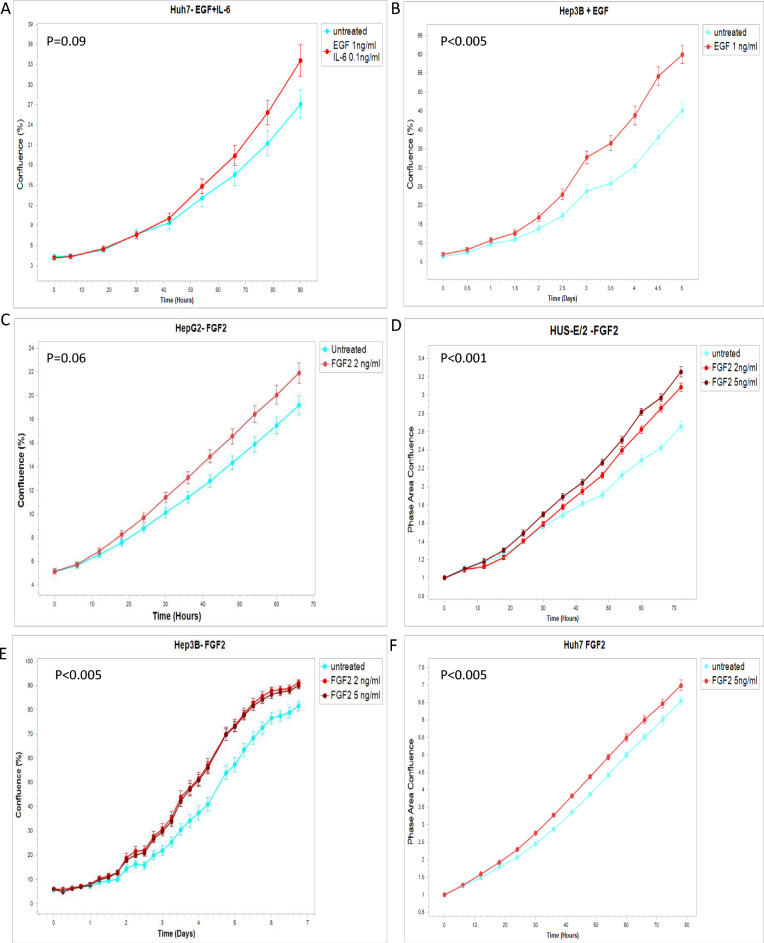
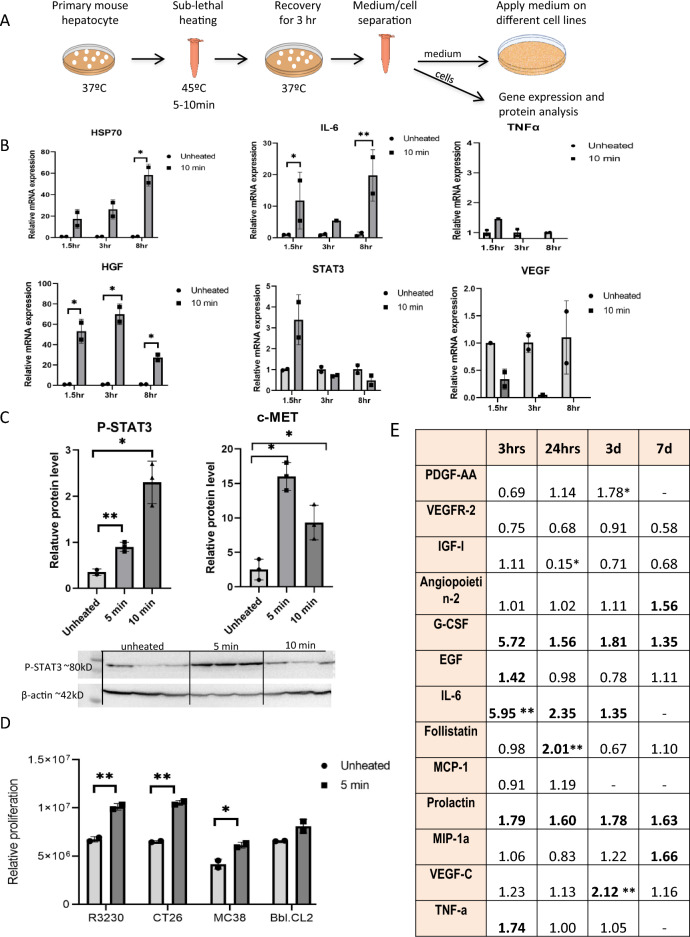
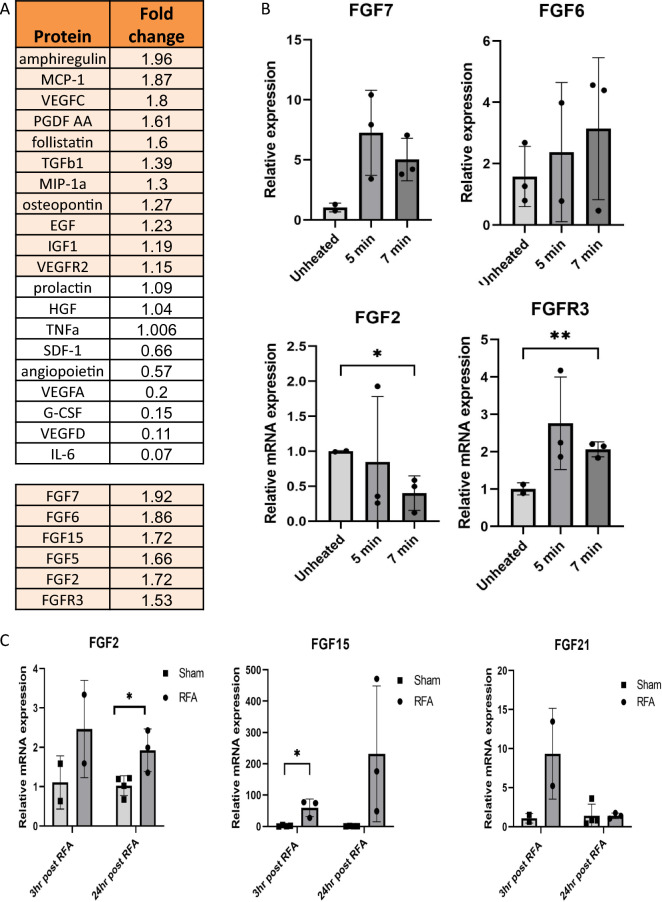
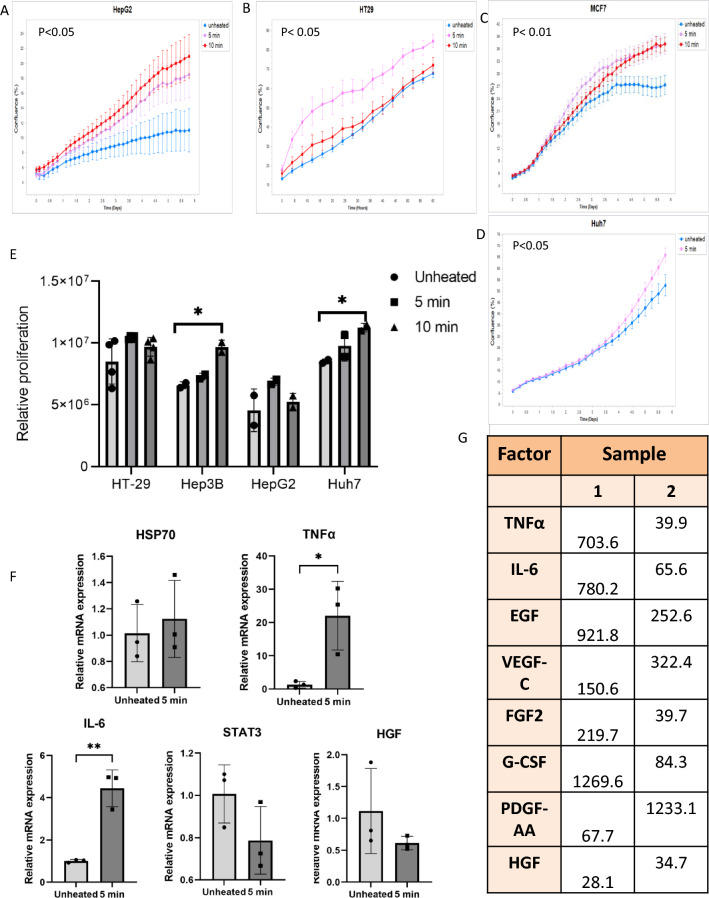
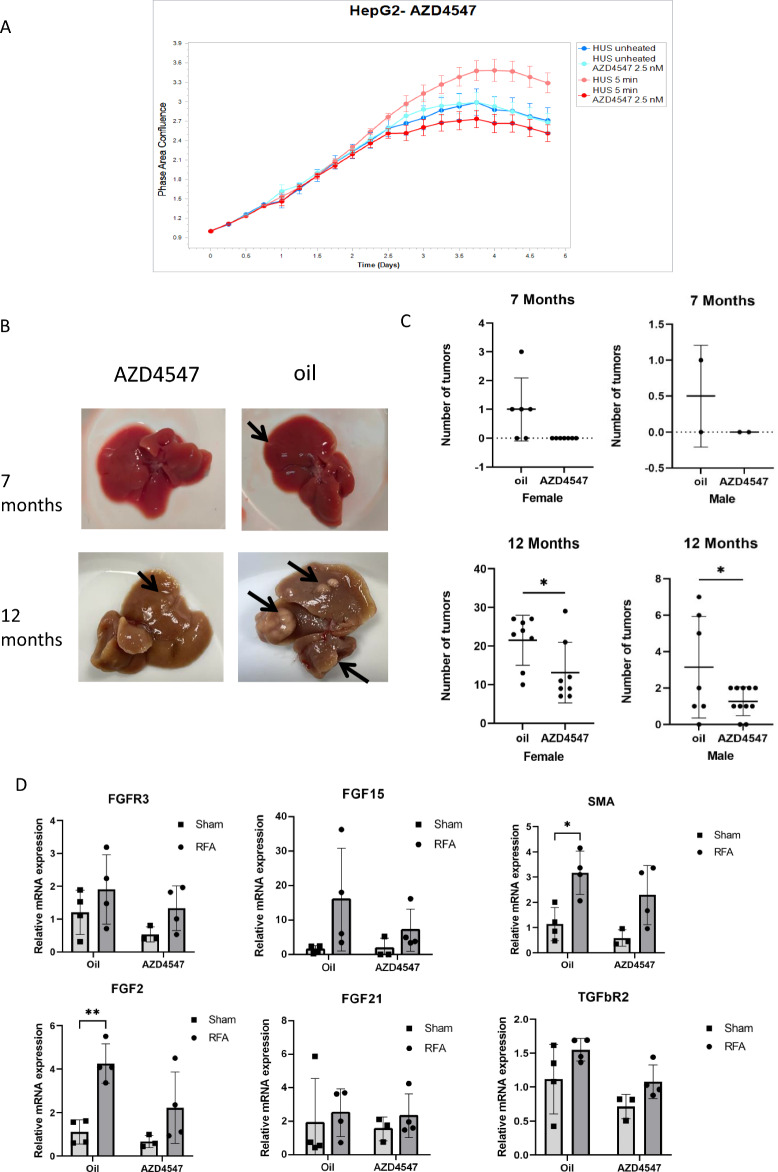
Image-guided radiofrequency ablation (RFA) is used to treat focal tumors in the liver and other organs. Despite potential advantages over surgery, hepatic RFA can promote local and distant tumor growth by activating pro-tumorigenic growth factor and cytokines. Thus, strategies to identify and suppress pro-oncogenic effects of RFA are urgently required to further improve the therapeutic effect. Here, the proliferative effect of plasma of Hepatocellular carcinoma or colorectal carcinoma patients 90 min post-RFA was tested on HCC cell lines, demonstrating significant cellular proliferation compared to baseline plasma. Multiplex ELISA screening demonstrated increased plasma pro-tumorigenic growth factors and cytokines including the FGF protein family which uniquely and selectively activated HepG2. Primary mouse and immortalized human hepatocytes were then subjected to moderate hyperthermia in-vitro, mimicking thermal stress induced during ablation in the peri-ablational normal tissue. Resultant culture medium induced proliferation of multiple cancer cell lines. Subsequent non-biased protein array revealed that these hepatocytes subjected to moderate hyperthermia also excrete a similar wide spectrum of growth factors. Recombinant FGF-2 activated multiple cell lines. FGFR inhibitor significantly reduced liver tumor load post-RFA in MDR2-KO inflammation-induced HCC mouse model. Thus, Liver RFA can induce tumorigenesis via the FGF signaling pathway, and its inhibition suppresses HCC development.
图像引导下的射频消融(RFA)用于治疗肝脏和其他器官的局灶性肿瘤。尽管与手术相比具有潜在优势,但 RFA 可通过激活促肿瘤生长因子和细胞因子促进局部和远处肿瘤生长。因此,迫切需要寻找和抑制 RFA 的致癌作用的策略,以进一步提高治疗效果。在这里,检测了肝癌或结直肠癌患者 RFA 后 90 分钟血浆对 HCC 细胞系的增殖作用,与基础血浆相比,显示出明显的细胞增殖。多重 ELISA 筛选显示,包括 FGF 蛋白家族在内的促肿瘤生长因子和细胞因子的血浆水平升高,该家族独特且选择性地激活 HepG2。然后,将原代小鼠和永生化人肝细胞在体外进行适度的热疗,模拟消融过程中在消融周围正常组织中诱导的热应激。随后的无偏蛋白芯片分析显示,这些经适度热疗的肝细胞还分泌出类似的广谱生长因子。重组 FGF-2 激活了多种癌细胞系。FGFR 抑制剂显著降低了 MDR2-KO 炎症诱导的 HCC 小鼠模型中 RFA 后的肝肿瘤负荷。因此,肝 RFA 可通过 FGF 信号通路诱导肿瘤发生,其抑制可抑制 HCC 的发展。