Reddy Mallimala Priya, Shah Kavita, Mirchandani Mohit, Sharma Karan
Medicine, Kurnool Medical College, Bangalore, IND.
Medicine, North Carolina Medical Center, Benson, USA.
Cureus. 2023 Aug 29;15(8):e44348. doi: 10.7759/cureus.44348. eCollection 2023 Aug.
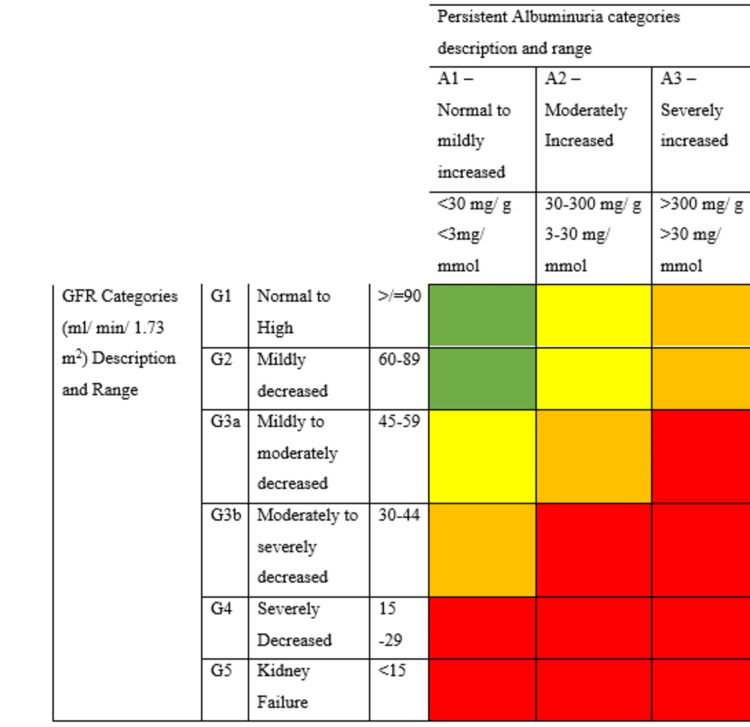
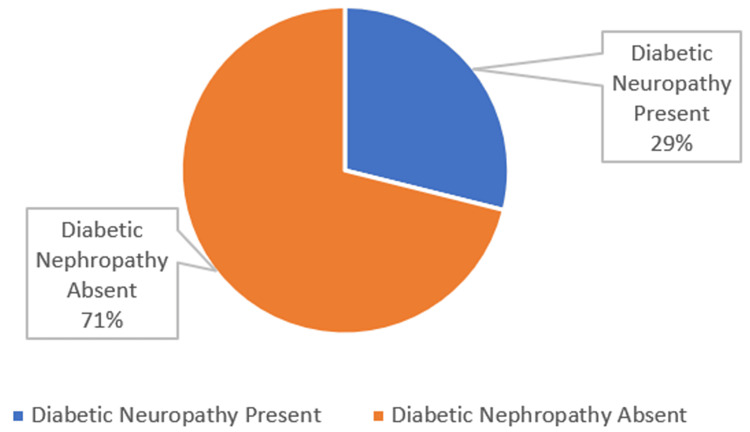
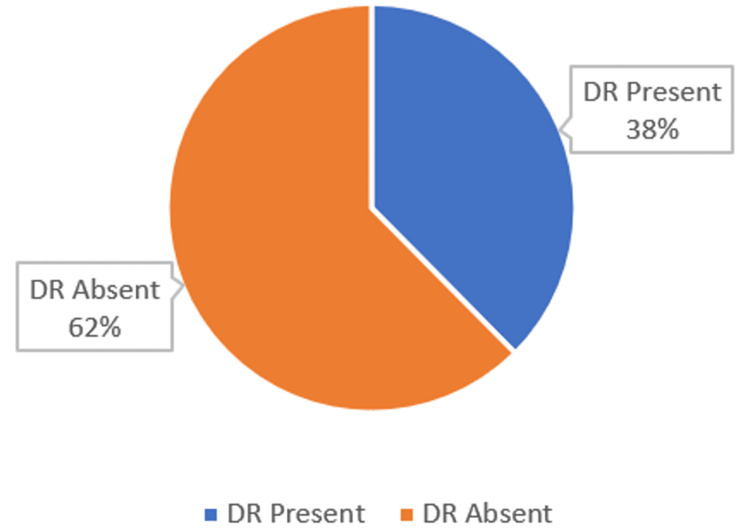
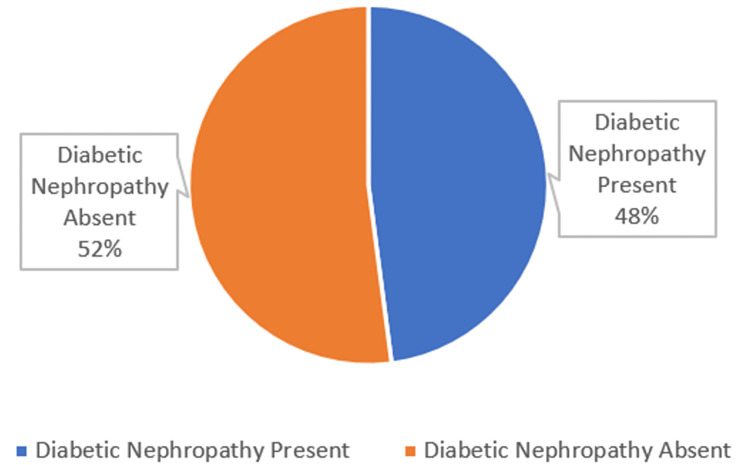
Background Diabetes mellitus (DM) is a prevalent metabolic disorder characterized by high blood sugar levels. It is classified into type 1 (T1DM) and type 2 (T2DM), which have different mechanisms and complications. The global prevalence of diabetes, particularly T2DM, has increased significantly in recent decades, leading to a need for standardized data collection of macrovascular and microvascular complications to track disease progression and guide treatment options. This study aims to assess and correlate the prevalence and severity of microvascular complications in patients with T2DM. Methodology This observational, cross-sectional study was conducted at Poonam Multispeciality Hospital in Ahmedabad, India. A total of 4,123 diabetic patients admitted to the hospital were included. Information on sociodemographics and medical history was collected using standardized forms. Fundus photography and fluorescein angiography were performed to assess diabetic retinopathy, and estimated glomerular filtration rate and albumin-to-creatinine ratio were measured to evaluate renal function. Neurological examinations were conducted to score diabetic neuropathy. Chi-square tests were used to determine associations between medical history with diabetic retinopathy and nephropathy, and t-tests were used to compare diabetic neuropathy scores. Kendall's Tau correlation was used to determine correlations between diabetic retinopathy and nephropathy. P-values <0.05 were considered statistically significant. Results The overall prevalence of diabetic retinopathy, nephropathy, and neuropathy was 37.5%. Of the patients included, 47.9% had diabetic nephropathy and 28.9% had diabetic neuropathy. A significant association was observed between the severity of diabetic retinopathy and age, body mass index, duration of diabetes, and hemoglobin A1c (HbA1C) levels. Similarly, significant associations were found between these factors and the severity of diabetic nephropathy. Unpaired t-tests revealed significant differences in diabetic neuropathy examination scores based on the duration of diabetes and Hba1C levels. Moreover, correlation analysis indicated a low, positive correlation between diabetic retinopathy and diabetic nephropathy. Conclusions This study provides insights into the prevalence, severity, and associations of microvascular complications in patients with T2DM, contributing to the understanding and management of these conditions. Additionally, the research revealed a direct association between diabetic retinopathy and different stages of chronic kidney disease determined by the Kidney Disease Improving Global Outcome guidelines.
背景 糖尿病(DM)是一种以高血糖水平为特征的常见代谢紊乱疾病。它分为1型糖尿病(T1DM)和2型糖尿病(T2DM),两者机制和并发症不同。近几十年来,全球糖尿病患病率显著上升,尤其是T2DM,这就需要对大血管和微血管并发症进行标准化数据收集,以追踪疾病进展并指导治疗方案。本研究旨在评估和关联T2DM患者微血管并发症的患病率和严重程度。
方法 本观察性横断面研究在印度艾哈迈达巴德的普纳姆多专科医院进行。共纳入4123名住院糖尿病患者。使用标准化表格收集社会人口统计学和病史信息。进行眼底摄影和荧光素血管造影以评估糖尿病视网膜病变,测量估算肾小球滤过率和白蛋白与肌酐比值以评估肾功能。进行神经学检查以对糖尿病神经病变进行评分。采用卡方检验确定病史与糖尿病视网膜病变和肾病之间的关联,采用t检验比较糖尿病神经病变评分。采用肯德尔 Tau 相关性分析确定糖尿病视网膜病变和肾病之间的相关性。P值<0.05被认为具有统计学意义。
结果 糖尿病视网膜病变、肾病和神经病变的总体患病率为37.5%。纳入的患者中,47.9%患有糖尿病肾病,28.9%患有糖尿病神经病变。观察到糖尿病视网膜病变的严重程度与年龄、体重指数、糖尿病病程和糖化血红蛋白(HbA1C)水平之间存在显著关联。同样,在这些因素与糖尿病肾病的严重程度之间也发现了显著关联。非配对t检验显示,根据糖尿病病程和糖化血红蛋白水平,糖尿病神经病变检查评分存在显著差异。此外,相关性分析表明糖尿病视网膜病变与糖尿病肾病之间存在低度正相关。
结论 本研究深入了解了T2DM患者微血管并发症的患病率、严重程度及关联,有助于对这些疾病的理解和管理。此外,该研究揭示了糖尿病视网膜病变与由改善全球肾脏病预后组织指南确定的慢性肾脏病不同阶段之间的直接关联。