Sun Yinggang, Wu Yanzhi, Liu Ben, Chen Rui, Qiao Yanjun, Zhang Qiu, Li Qian, Wang Xiaowei, Wang Zeying
College of Animal Science & Veterinary Medicine, Shenyang Agricultural University, Shenyang 110866, China.
Huishan Dairy Group, No.111A Huanghe South Street, Huanggu District, Shenyang 110031, China.
Food Chem X. 2023 Jun 17;19:100760. doi: 10.1016/j.fochx.2023.100760. eCollection 2023 Oct 30.
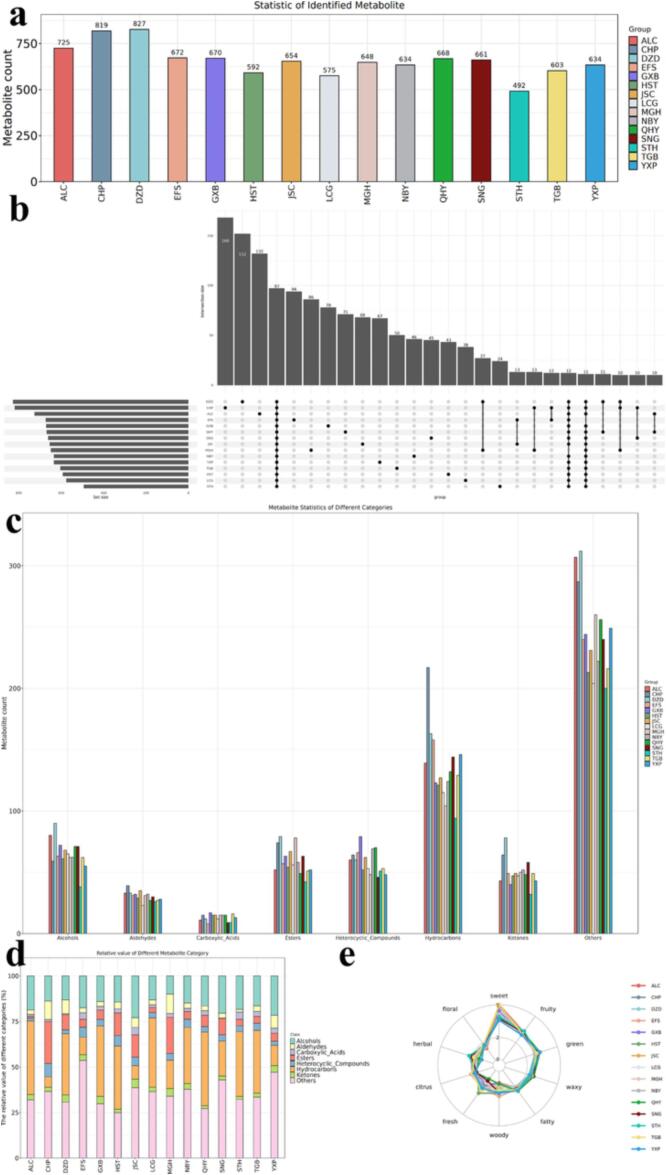
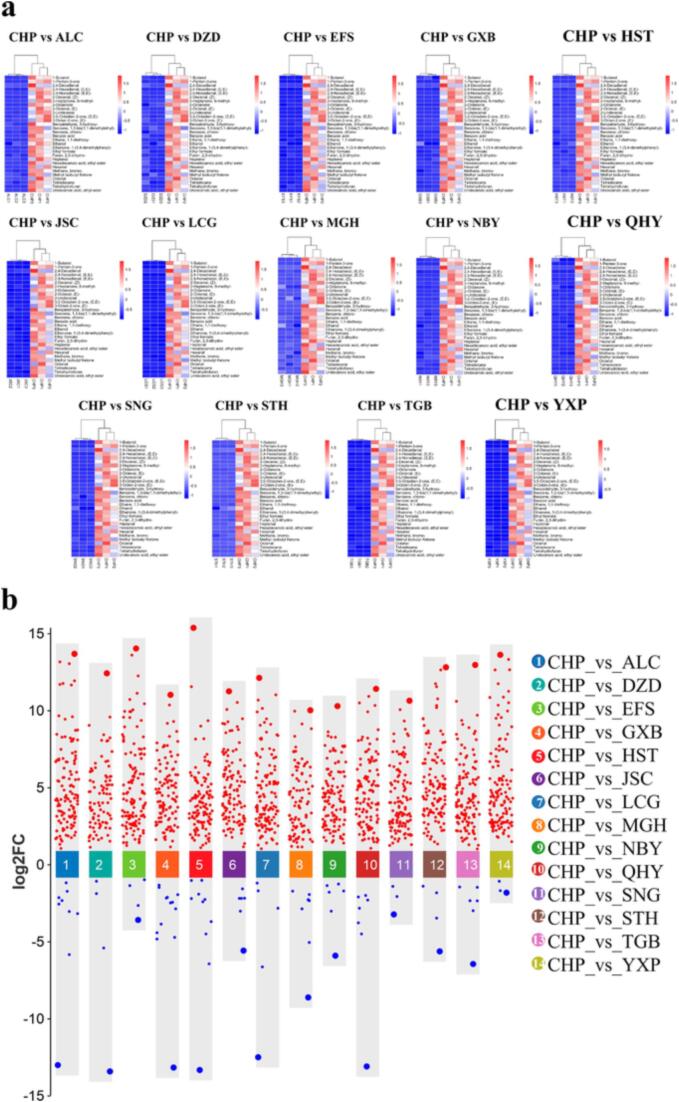
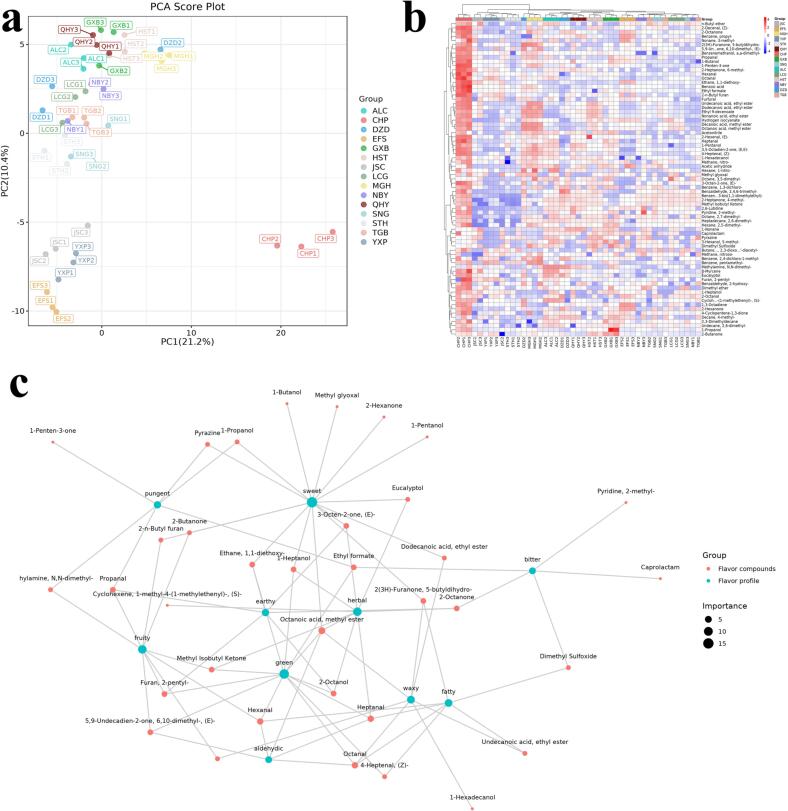
Breast milk plays a crucial role in the taste development of infants, which cannot be replicated by other mammalian milk or formulas. This study aimed to identify and characterize the flavor substances in 15 different types of milk and analyze the differences among them. The results showed that human milk contained high levels of esters, particularly fatty acid ethyl esters, which contribute to its unique flavor. The four substances that had the highest flavor contribution in all species were identified as 2,3-butanedione, trimethylamine, isophorone, and acetaldehyde. Furthermore, the analysis of differences revealed that thermal-oxidation of lipids could explain the variation between human milk and other species in terms of flavor compounds. The key differential flavor compounds identified in milk from all species were trimethylamine, propanal, 1-pentanol, pyridine 2-methyl, and 2-butanone. These findings can potentially aid in developing formulas that better meet the taste needs of infants.
母乳在婴儿味觉发育中起着至关重要的作用,这是其他哺乳动物乳汁或配方奶无法复制的。本研究旨在鉴定和表征15种不同类型乳汁中的风味物质,并分析它们之间的差异。结果表明,人乳中含有高水平的酯类,特别是脂肪酸乙酯,这赋予了其独特的风味。在所有物种中风味贡献最高的四种物质被鉴定为2,3 - 丁二酮、三甲胺、异佛尔酮和乙醛。此外,差异分析表明,脂质的热氧化可以解释人乳与其他物种在风味化合物方面的差异。在所有物种的乳汁中鉴定出的关键差异风味化合物为三甲胺、丙醛、1 - 戊醇、2 - 甲基吡啶和2 - 丁酮。这些发现可能有助于开发出更能满足婴儿味觉需求的配方奶。