Department of Cancer Biology, Cancer Institute, University College London, 72 Huntley Street, London, UK.
Centre for Regenerative Medicine, Institute for Regeneration and Repair, Cancer Research UK Scotland Centre, Edinburgh, UK.
Stem Cell Reports. 2023 Nov 14;18(11):2154-2173. doi: 10.1016/j.stemcr.2023.09.004. Epub 2023 Oct 5.
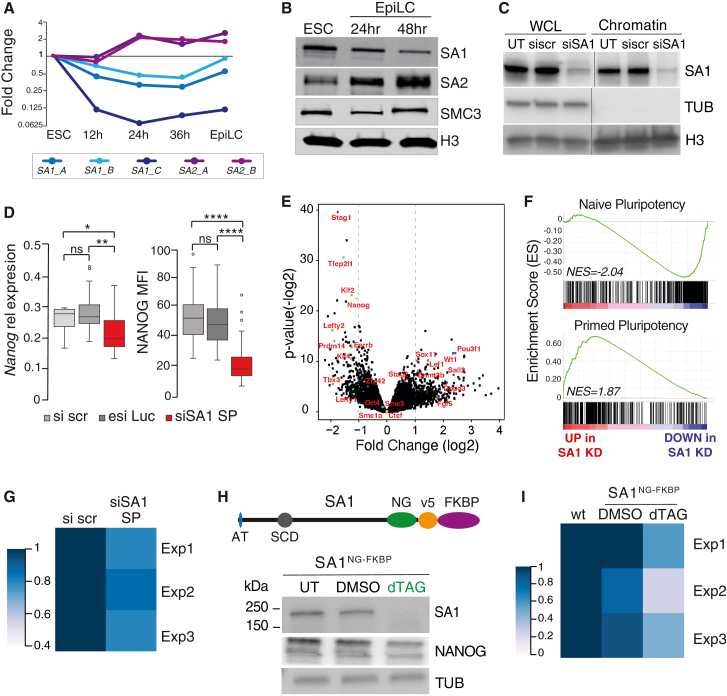
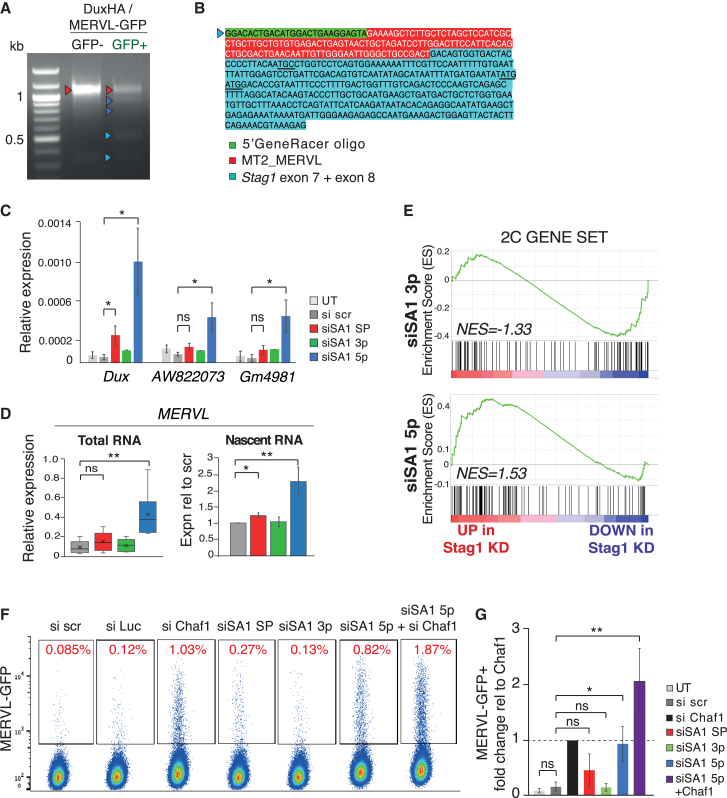
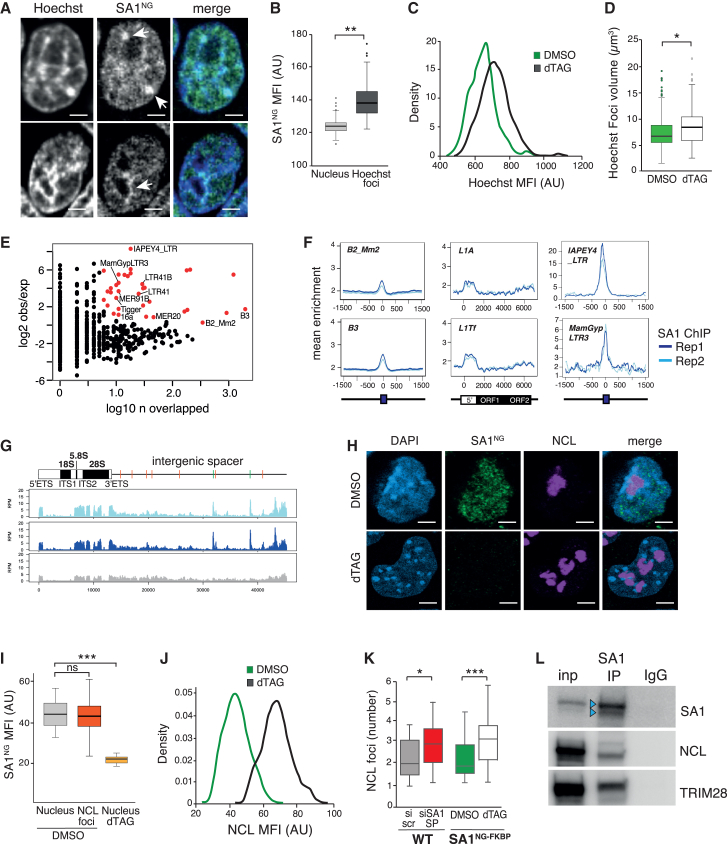
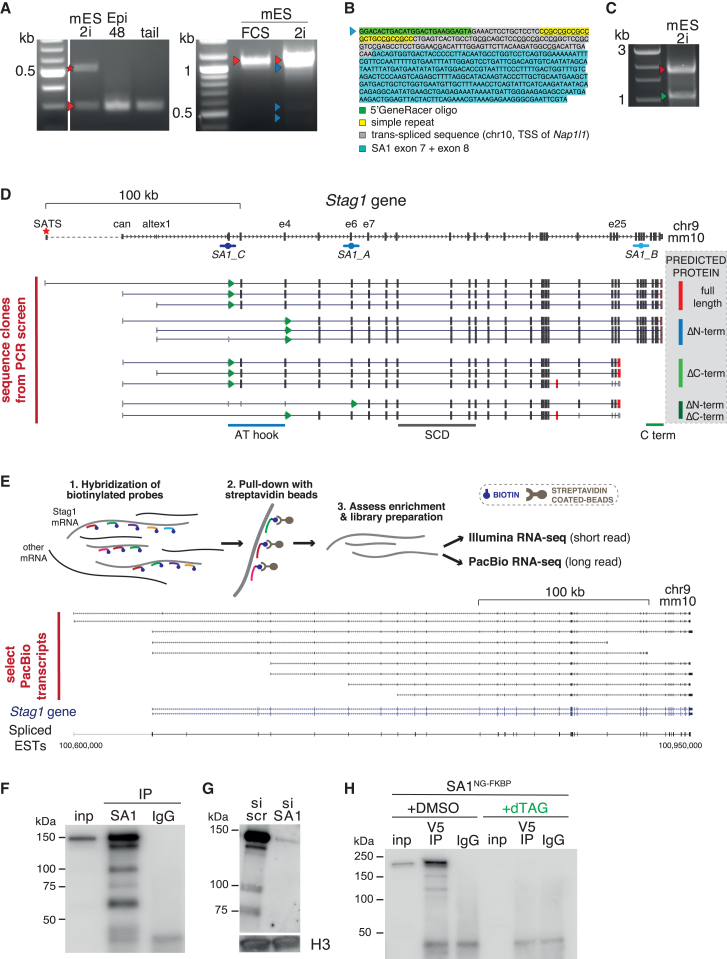
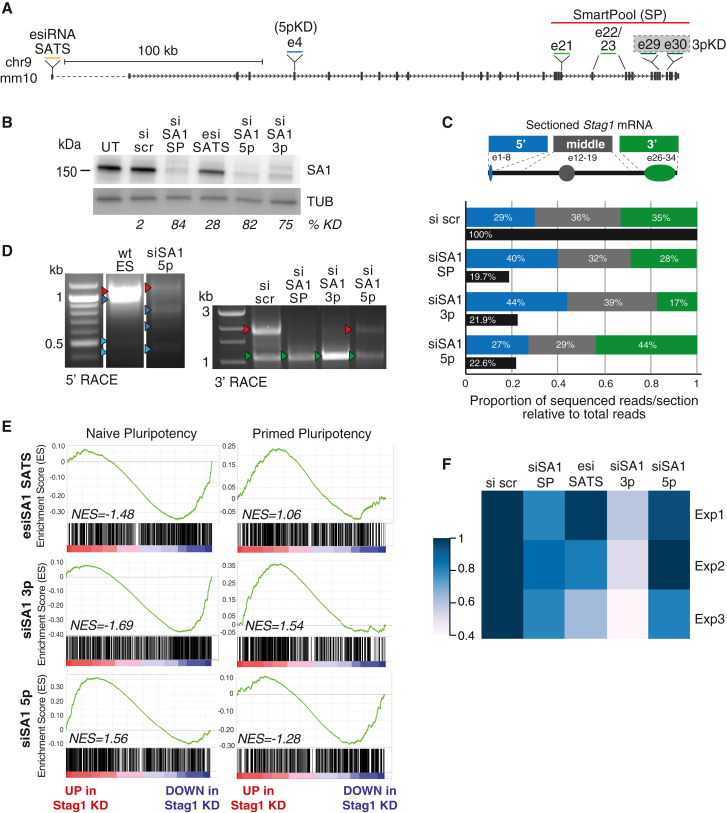
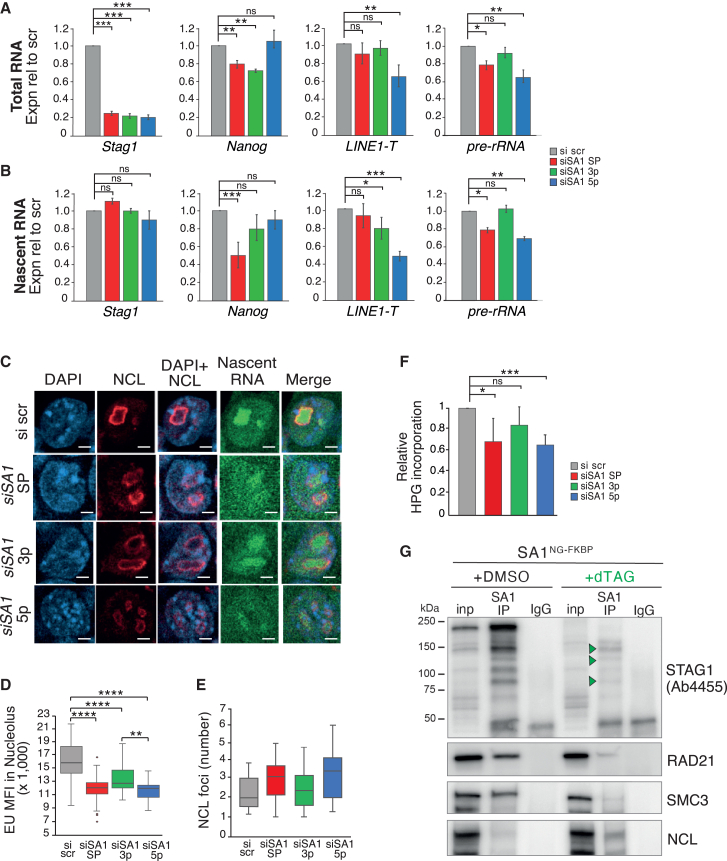
Our understanding of how STAG proteins contribute to cell identity and disease have largely been studied from the perspective of chromosome topology and protein-coding gene expression. Here, we show that STAG1 is the dominant paralog in mouse embryonic stem cells (mESCs) and is required for pluripotency. mESCs express a wide diversity of naturally occurring Stag1 isoforms, resulting in complex regulation of both the levels of STAG paralogs and the proportion of their unique terminal ends. Skewing the balance of these isoforms impacts cell identity. We define a novel role for STAG1, in particular its N-terminus, in regulating repeat expression, nucleolar integrity, and repression of the two-cell (2C) state to maintain mESC identity. Our results move beyond protein-coding gene regulation via chromatin loops to new roles for STAG1 in nucleolar structure and function, and offer fresh perspectives on how STAG proteins, known to be cancer targets, contribute to cell identity and disease.
我们对 STAG 蛋白如何促进细胞身份和疾病的理解,在很大程度上是从染色体拓扑和蛋白质编码基因表达的角度来研究的。在这里,我们表明 STAG1 是小鼠胚胎干细胞(mESCs)中的主要等位基因,并且是多能性所必需的。mESCs 表达广泛的天然存在的 Stag1 异构体,导致 STAG 等位基因的水平和其独特末端的比例的复杂调节。这些异构体平衡的倾斜会影响细胞身份。我们定义了 STAG1 的一个新作用,特别是其 N 端,在调节重复表达、核仁完整性和抑制二细胞 (2C) 状态以维持 mESC 身份方面的作用。我们的结果超越了通过染色质环对蛋白质编码基因调控的作用,提出了 STAG1 在核仁结构和功能中的新作用,并为 STAG 蛋白如何为已知的癌症靶点做出贡献,从而促进细胞身份和疾病提供了新的视角。