Shimizu Ryo, Ida Yoshiyuki, Kitano Masayuki
Second Department of Internal Medicine, Wakayama Medical University, 811-1 Kimiidera, Wakayama 641-8509, Japan.
Diagnostics (Basel). 2023 Sep 26;13(19):3058. doi: 10.3390/diagnostics13193058.
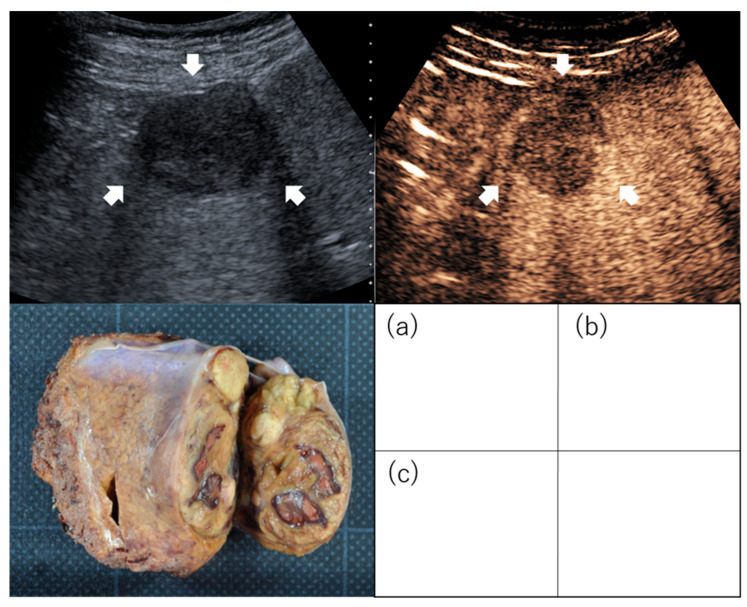
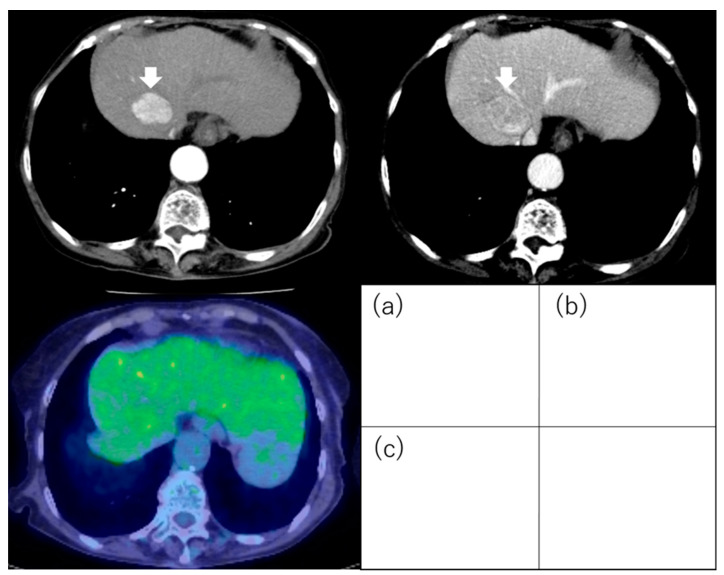
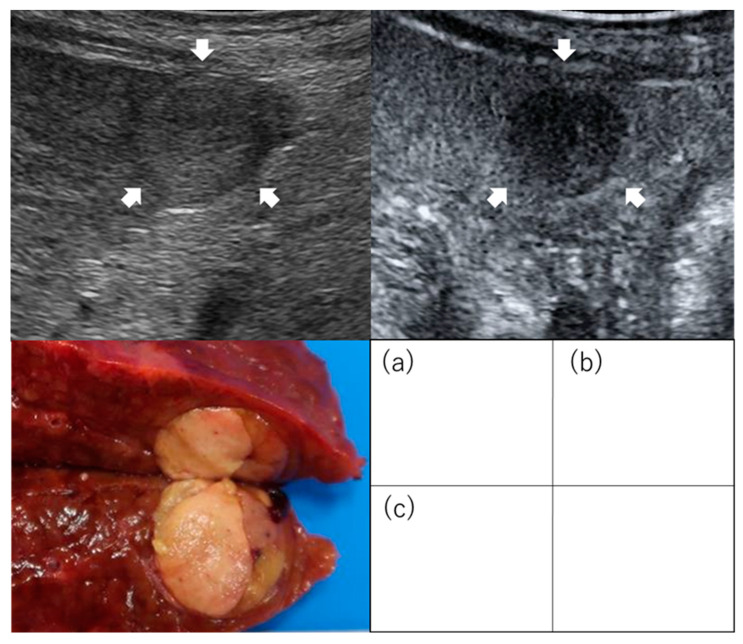
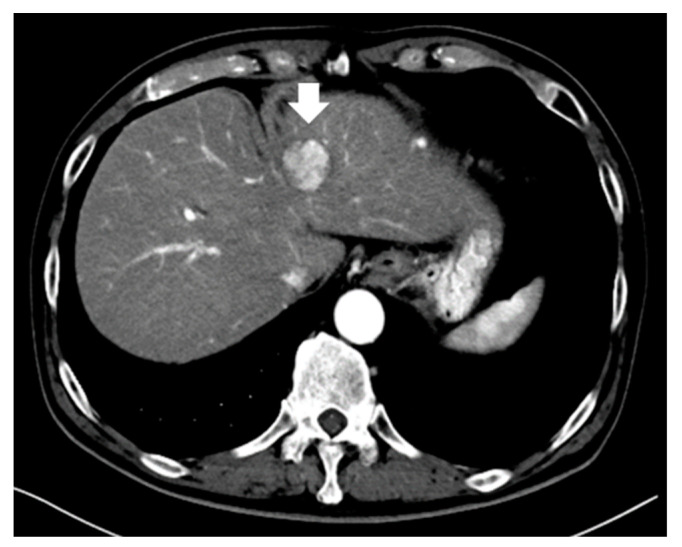
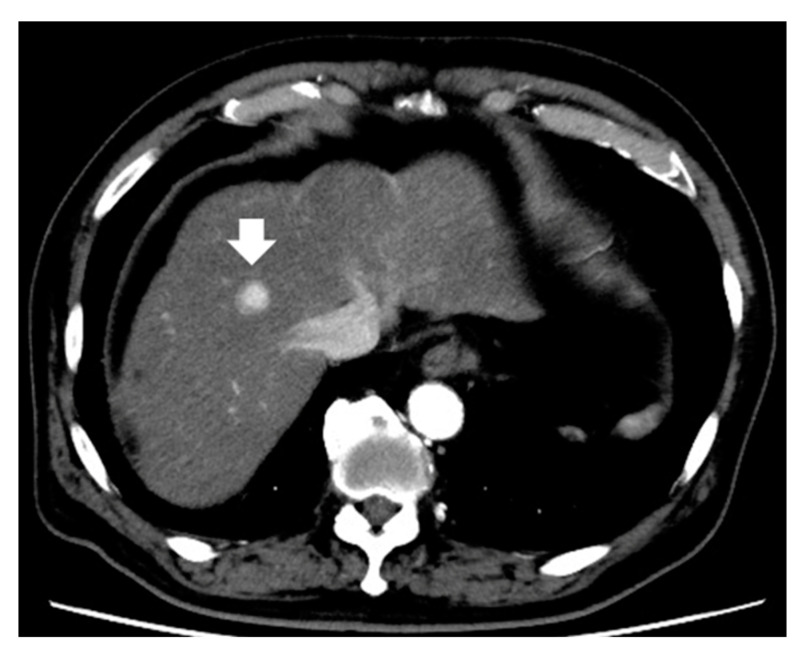
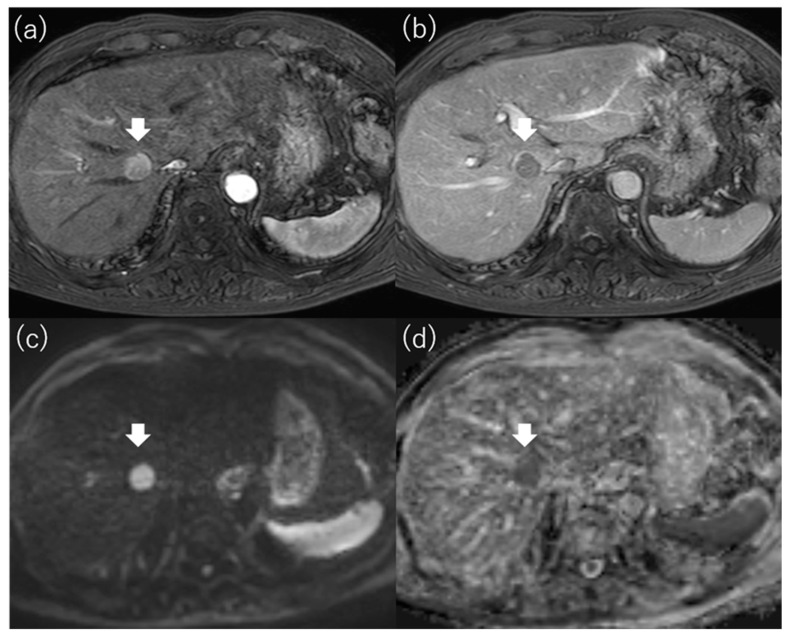
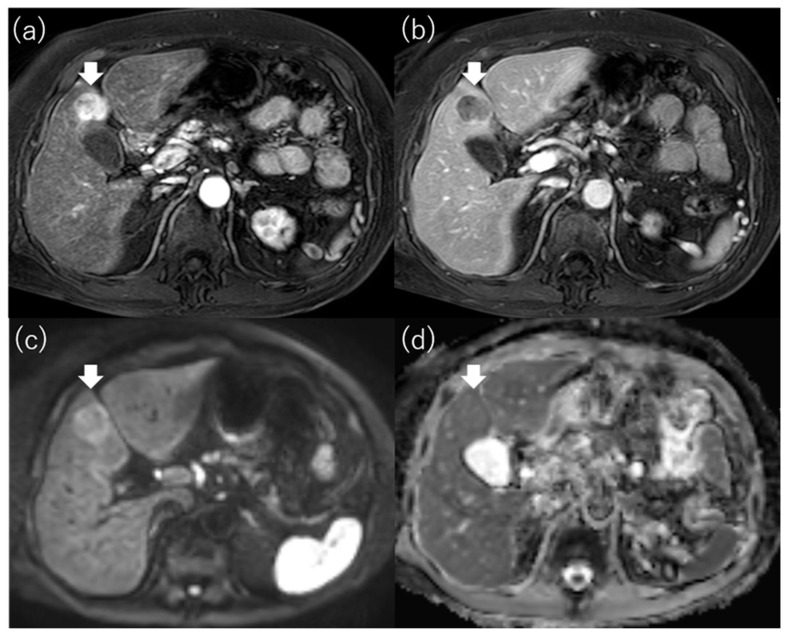
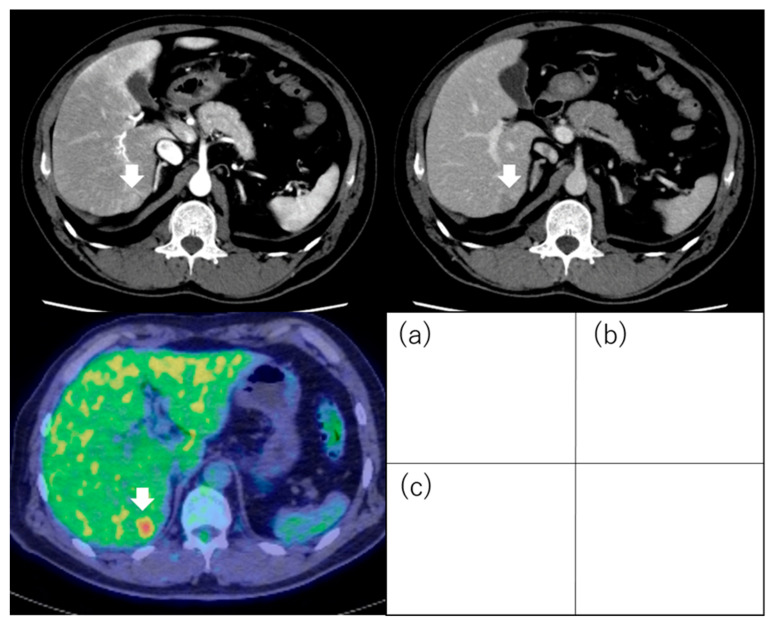
Percutaneous ablation is a low-invasive, repeatable, and curative local treatment that is now recommended for early-stage hepatocellular carcinoma (HCC) that is not suitable for surgical resection. Poorly differentiated HCC has high-grade malignancy potential. Microvascular invasion is frequently seen, even in tumors smaller than 3 cm in diameter, and prognosis is poor after percutaneous ablation. Biopsy has a high risk of complications such as bleeding and dissemination; therefore, it has limitations in determining HCC tumor malignancy prior to treatment. Advances in diagnostic imaging have enabled non-invasive diagnosis of tumor malignancy. We describe the usefulness of ultrasonography, computed tomography, magnetic resonance imaging, and 18F-fluorodeoxyglucose positron emission tomography for predicting outcome after percutaneous ablation for HCC.
经皮消融是一种低侵入性、可重复且具有治愈性的局部治疗方法,目前推荐用于不适合手术切除的早期肝细胞癌(HCC)。低分化HCC具有高度恶性潜能。即使在直径小于3 cm的肿瘤中也经常可见微血管侵犯,经皮消融后的预后较差。活检有出血和播散等并发症的高风险;因此,其在治疗前确定HCC肿瘤恶性程度方面存在局限性。诊断性影像学的进展已能够对肿瘤恶性程度进行非侵入性诊断。我们描述了超声、计算机断层扫描、磁共振成像和18F-氟脱氧葡萄糖正电子发射断层扫描在预测HCC经皮消融后结局方面的作用。