Sanofi Oncology, Cambridge, Massachusetts, USA.
Sanofi Research & Development, Vitry-sur-Seine, France.
Cancer Med. 2023 Oct;12(20):20332-20352. doi: 10.1002/cam4.6619. Epub 2023 Oct 15.
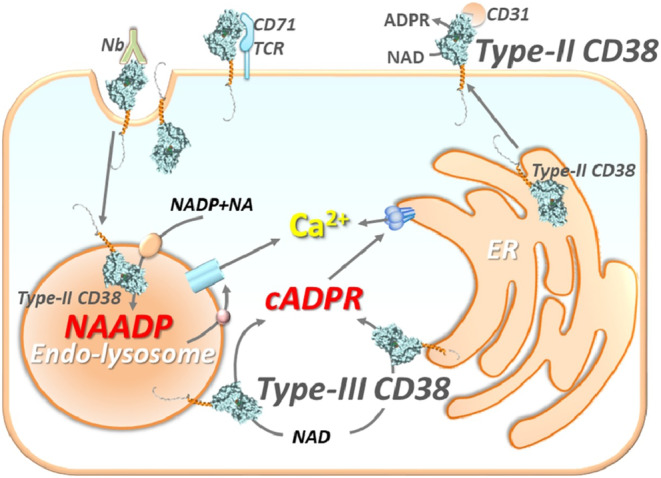
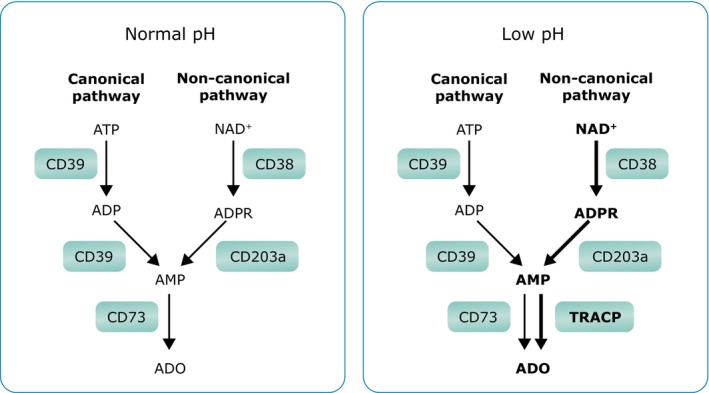
CD38 has been established as an important therapeutic target for multiple myeloma (MM), for which two CD38 antibodies are currently approved-daratumumab and isatuximab. CD38 is an ectoenzyme that degrades NAD and its precursors and is involved in the production of adenosine and other metabolites.
Among the various mechanisms by which CD38 antibodies can induce MM cell death is immunomodulation, including multiple pathways for CD38-mediated T-cell activation. Patients who respond to anti-CD38 targeting treatment experience more marked changes in T-cell expansion, activity, and clonality than nonresponders.
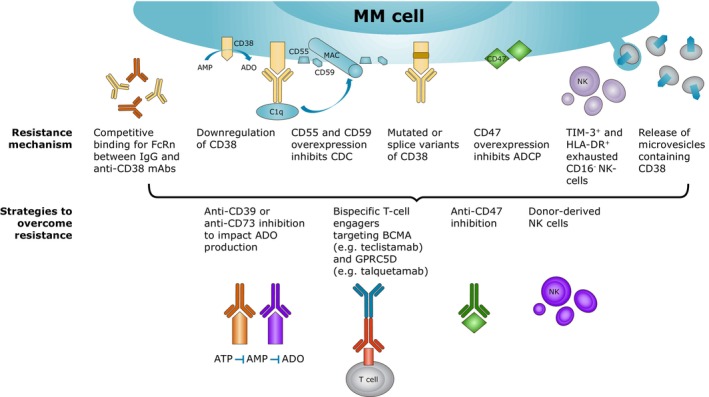
Resistance mechanisms that undermine the immunomodulatory effects of CD38-targeting therapies can be tumor intrinsic, such as the downregulation of CD38 surface expression and expression of complement inhibitor proteins, and immune microenvironment-related, such as changes to the natural killer (NK) cell numbers and function in the bone marrow niche. There are numerous strategies to overcome this resistance, which include identifying and targeting other therapeutic targets involved in, for example, adenosine production, the activation of NK cells or monocytes through immunomodulatory drugs and their combination with elotuzumab, or with bispecific T-cell engagers.
CD38 已被确立为多发性骨髓瘤(MM)的重要治疗靶点,目前有两种 CD38 抗体被批准用于治疗 MM,分别是达雷妥尤单抗和伊沙妥昔单抗。CD38 是一种外切酶,可降解 NAD 及其前体,并参与腺苷和其他代谢物的生成。
CD38 抗体诱导 MM 细胞死亡的机制之一是免疫调节,包括 CD38 介导的 T 细胞激活的多种途径。对抗 CD38 靶向治疗有反应的患者经历了更明显的 T 细胞扩增、活性和克隆性变化,而非反应者则没有。
破坏 CD38 靶向治疗免疫调节作用的耐药机制可能是肿瘤内在的,例如 CD38 表面表达的下调和补体抑制剂蛋白的表达,以及与免疫微环境相关的,例如骨髓龛中自然杀伤(NK)细胞数量和功能的改变。有许多策略可以克服这种耐药性,包括鉴定和靶向其他参与腺苷生成、通过免疫调节药物激活 NK 细胞或单核细胞的治疗靶点,以及将其与埃罗妥珠单抗联合使用,或与双特异性 T 细胞衔接器联合使用。