Gutierrez Guarnizo Sneider Alexander, Kellogg Morgana K, Miller Sarah C, Tikhonova Elena B, Karamysheva Zemfira N, Karamyshev Andrey L
Department of Cell Biology and Biochemistry, Texas Tech University Health Sciences Center, Lubbock, TX 79430, USA.
Department of Biological Sciences, Texas Tech University, Lubbock, TX 79409, USA.
NAR Genom Bioinform. 2023 Oct 18;5(4):lqad093. doi: 10.1093/nargab/lqad093. eCollection 2023 Dec.
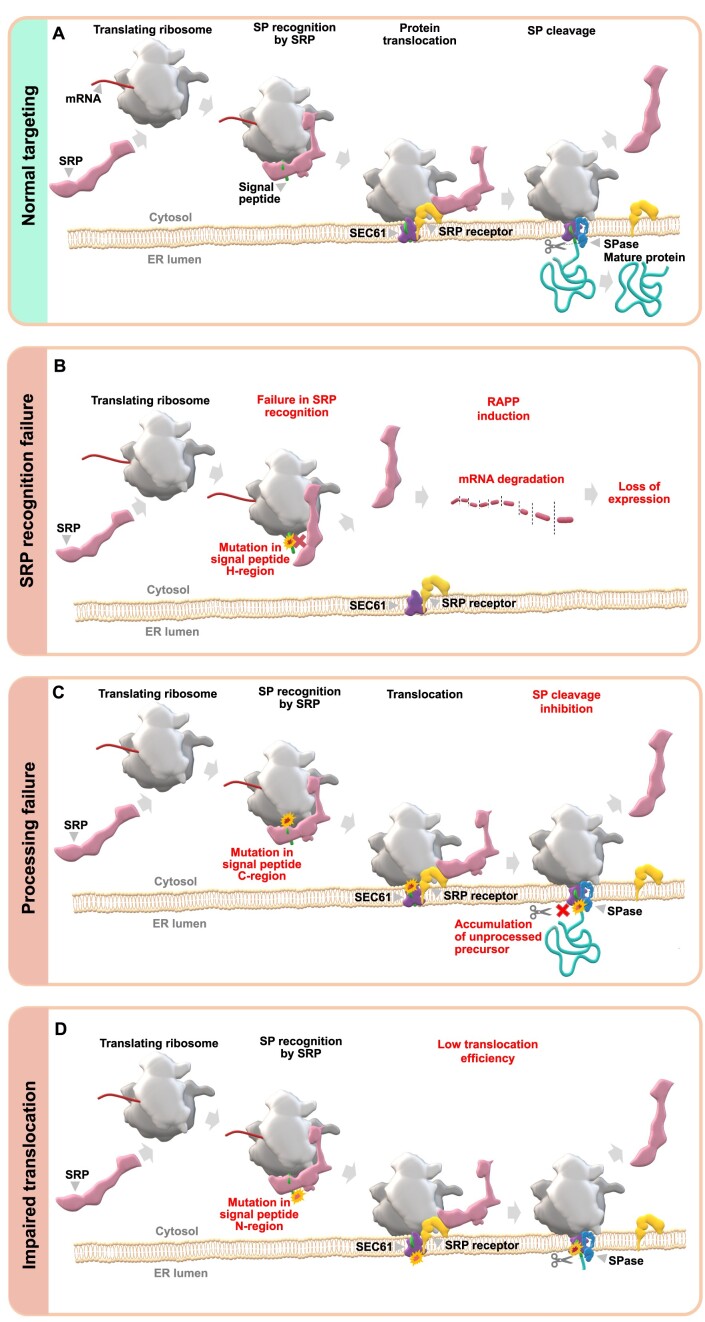
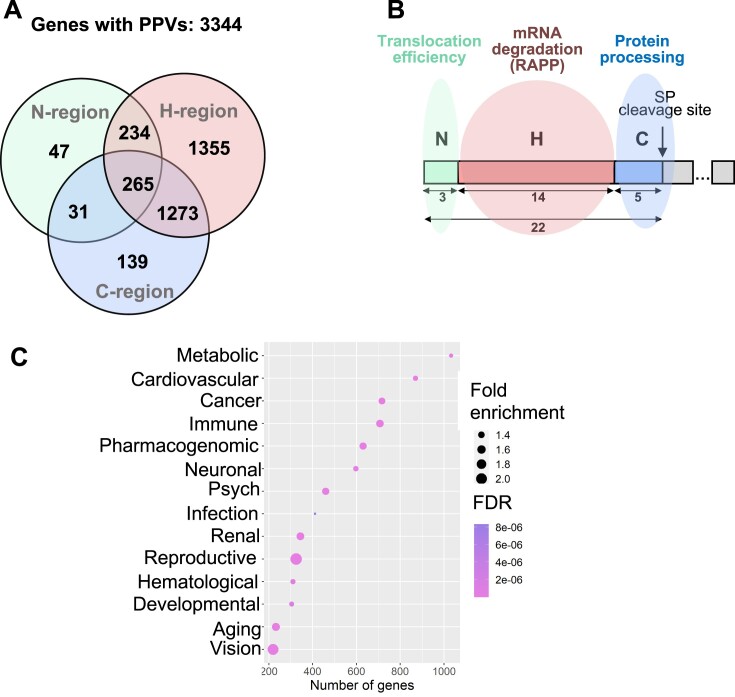
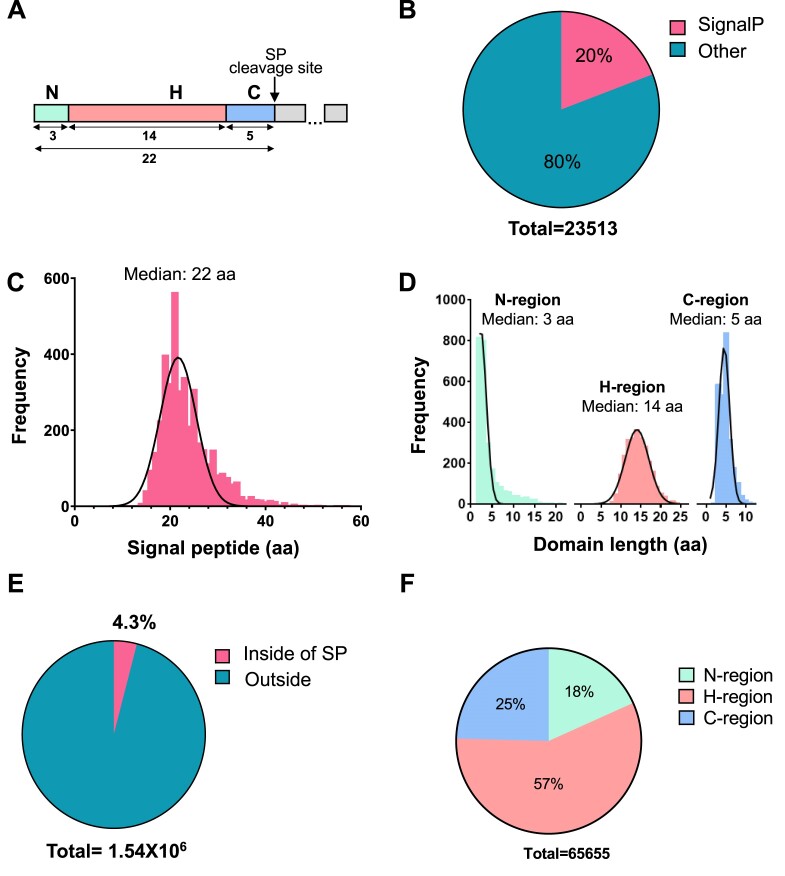
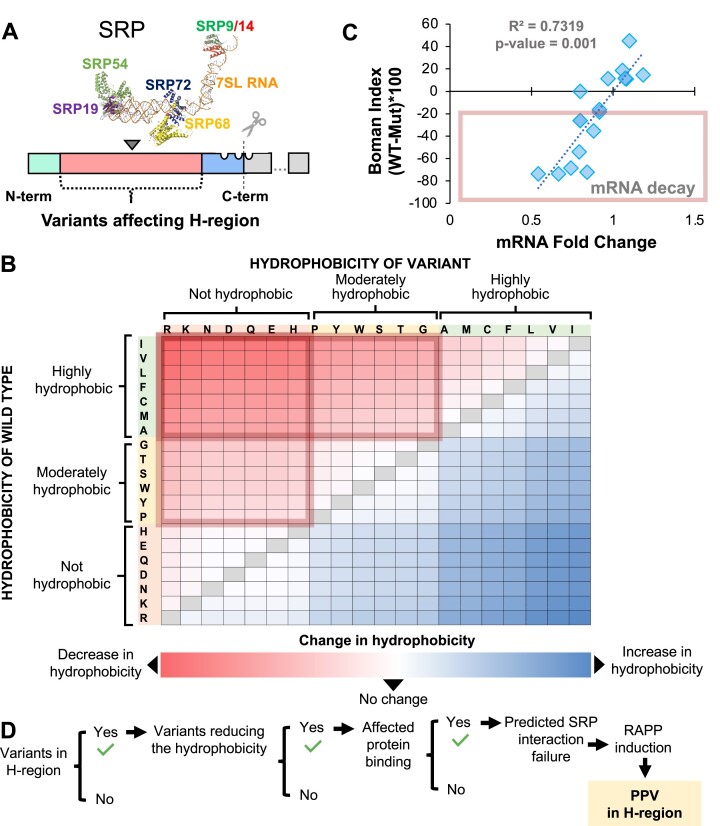
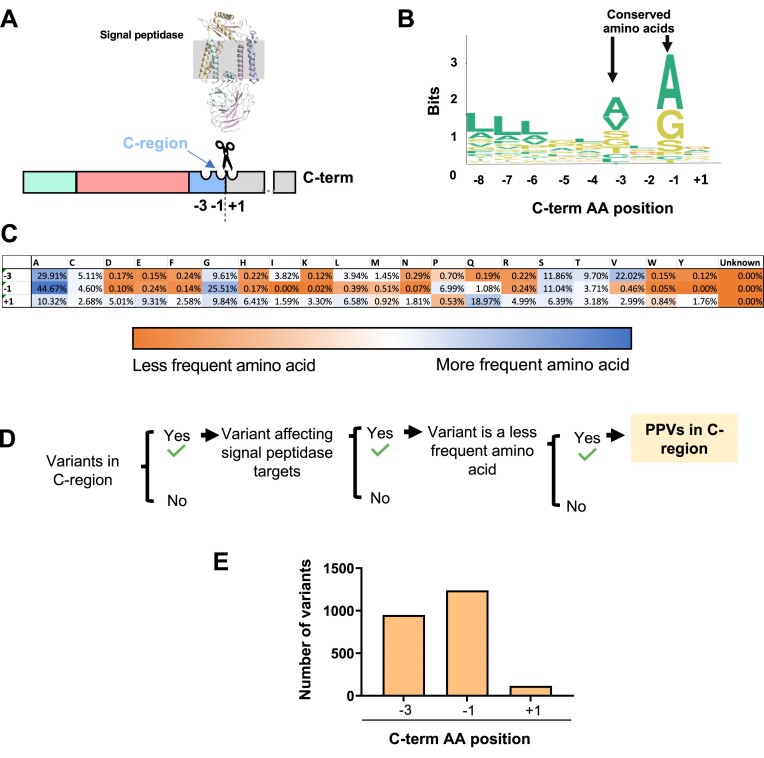
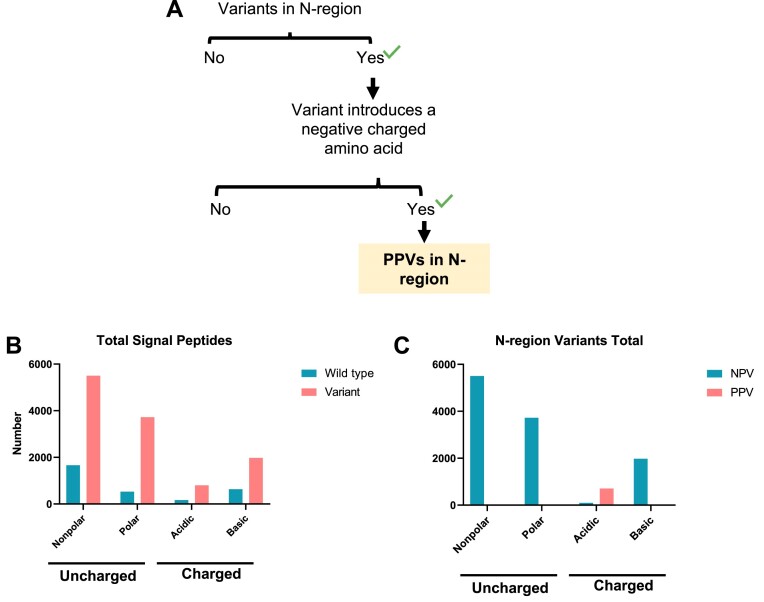
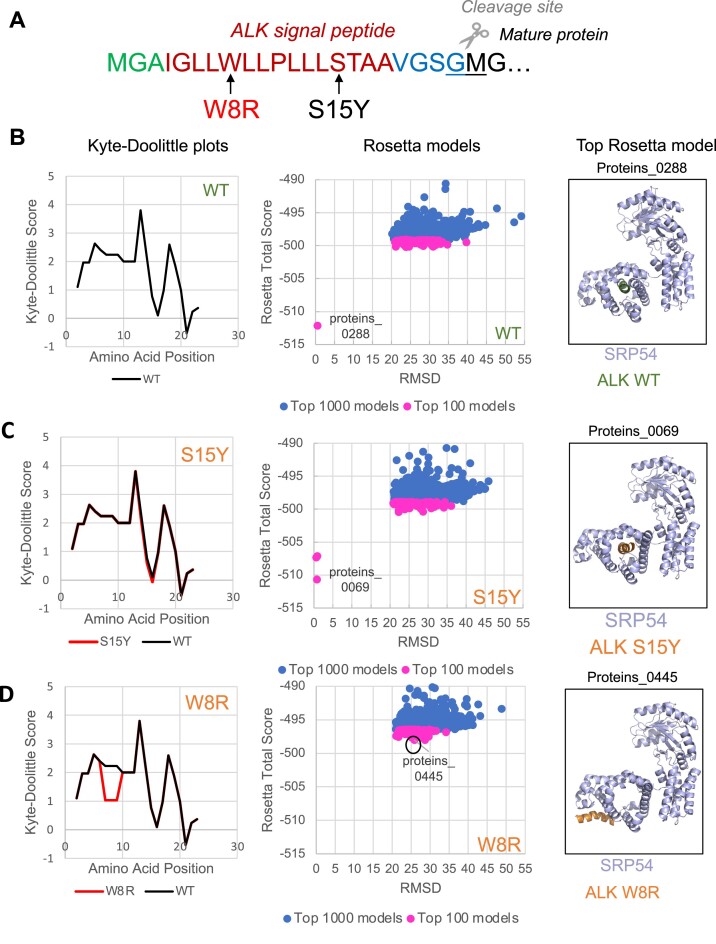
Secreted and membrane proteins represent a third of all cellular proteins and contain N-terminal signal peptides that are required for protein targeting to endoplasmic reticulum (ER). Mutations in signal peptides affect protein targeting, translocation, processing, and stability, and are associated with human diseases. However, only a few of them have been identified or characterized. In this report, we identified pathogenic signal peptide variants across the human genome using bioinformatic analyses and predicted the molecular mechanisms of their pathology. We recovered more than 65 thousand signal peptide mutations, over 11 thousand we classified as pathogenic, and proposed framework for distinction of their molecular mechanisms. The pathogenic mutations affect over 3.3 thousand genes coding for secreted and membrane proteins. Most pathogenic mutations alter the signal peptide hydrophobic core, a critical recognition region for the signal recognition particle, potentially activating the Regulation of Aberrant Protein Production (RAPP) quality control and specific mRNA degradation. The remaining pathogenic variants (about 25%) alter either the N-terminal region or signal peptidase processing site that can result in translocation deficiencies at the ER membrane or inhibit protein processing. This work provides a conceptual framework for the identification of mutations across the genome and their connection with human disease.
分泌蛋白和膜蛋白占所有细胞蛋白的三分之一,含有将蛋白质靶向内质网(ER)所需的N端信号肽。信号肽中的突变会影响蛋白质的靶向、转运、加工和稳定性,并与人类疾病相关。然而,其中只有少数已被鉴定或表征。在本报告中,我们使用生物信息学分析在人类基因组中鉴定了致病性信号肽变体,并预测了其病理的分子机制。我们发现了超过6.5万个信号肽突变,其中超过1.1万个被归类为致病性突变,并提出了区分其分子机制的框架。致病性突变影响超过3300个编码分泌蛋白和膜蛋白的基因。大多数致病性突变改变了信号肽疏水核心,这是信号识别颗粒的关键识别区域,可能激活异常蛋白质产生调控(RAPP)质量控制和特定mRNA降解。其余的致病性变体(约25%)改变了N端区域或信号肽酶加工位点,这可能导致内质网膜上的转运缺陷或抑制蛋白质加工。这项工作为全基因组突变的鉴定及其与人类疾病的关联提供了一个概念框架。