• 文献检索
  • 文档翻译
  • 深度研究
  • 学术资讯
  • Suppr Zotero 插件Zotero 插件
  • 邀请有礼
  • 套餐&价格
  • 历史记录
应用&插件
Suppr Zotero 插件Zotero 插件浏览器插件Mac 客户端Windows 客户端微信小程序
定价
高级版会员购买积分包购买API积分包
服务
文献检索文档翻译深度研究API 文档MCP 服务
关于我们
关于 Suppr公司介绍联系我们用户协议隐私条款
关注我们

Suppr 超能文献

核心技术专利:CN118964589B侵权必究
粤ICP备2023148730 号-1Suppr @ 2026

文献检索

告别复杂PubMed语法,用中文像聊天一样搜索,搜遍4000万医学文献。AI智能推荐,让科研检索更轻松。

立即免费搜索

文件翻译

保留排版,准确专业,支持PDF/Word/PPT等文件格式,支持 12+语言互译。

免费翻译文档

深度研究

AI帮你快速写综述,25分钟生成高质量综述,智能提取关键信息,辅助科研写作。

立即免费体验

载脂蛋白 E4 促进的神经胶质增生和 tau 病中的退行性变通过 HMGB1 释放的药理学抑制得到改善。

APOE4-promoted gliosis and degeneration in tauopathy are ameliorated by pharmacological inhibition of HMGB1 release.

机构信息

Gladstone Institute of Neurological Disease, Gladstone Institutes, San Francisco, CA 94158, USA; Developmental and Stem Cell Biology Graduate Program, University of California, San Francisco, San Francisco, CA 94143, USA.

Gladstone Institute of Neurological Disease, Gladstone Institutes, San Francisco, CA 94158, USA; Neuroscience Graduate Program, University of California, San Francisco, San Francisco, CA 94158, USA.

出版信息

Cell Rep. 2023 Oct 31;42(10):113252. doi: 10.1016/j.celrep.2023.113252. Epub 2023 Oct 19.

DOI:10.1016/j.celrep.2023.113252
PMID:37863057
原文链接:https://pmc.ncbi.nlm.nih.gov/articles/PMC10873109/
Abstract

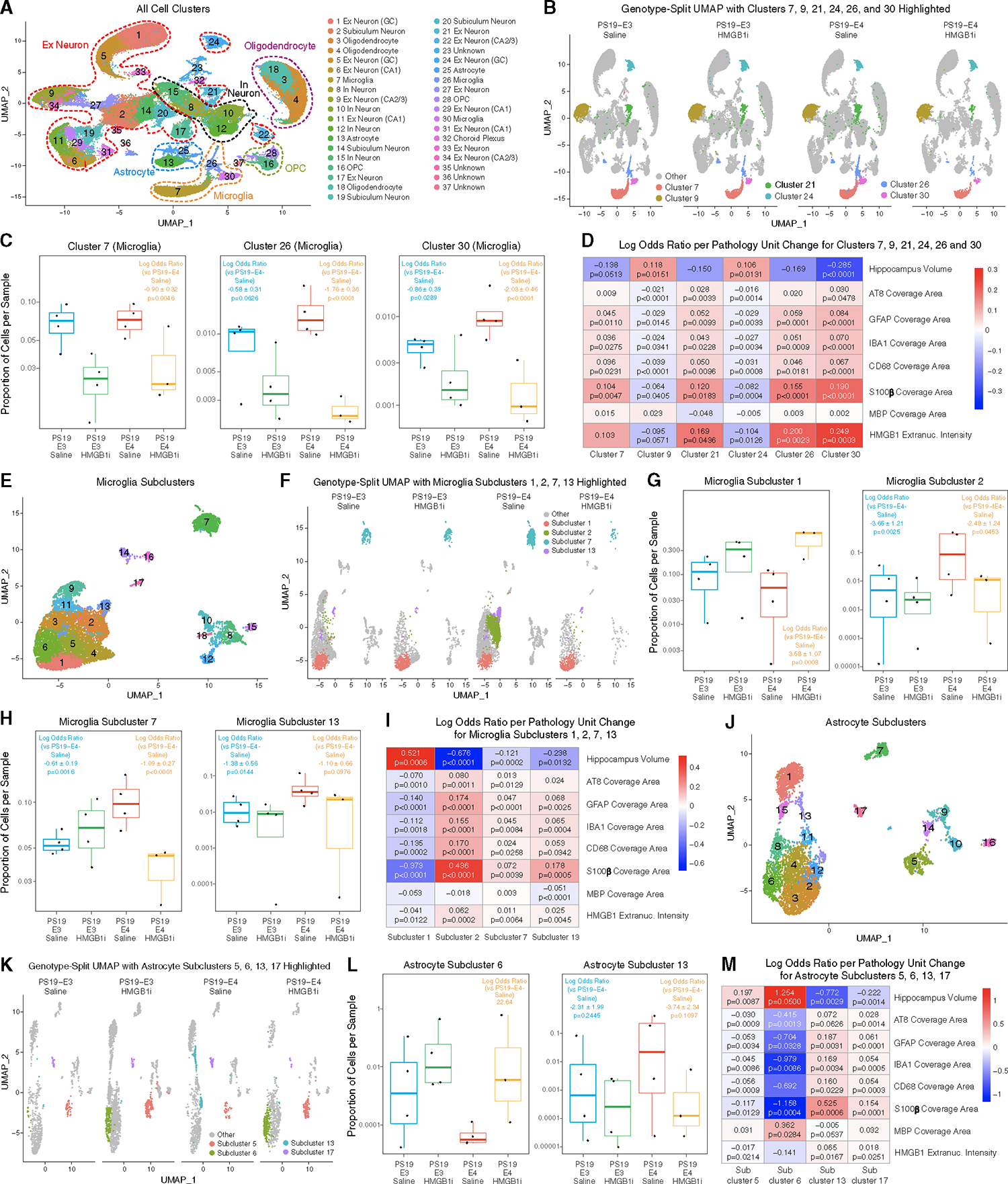
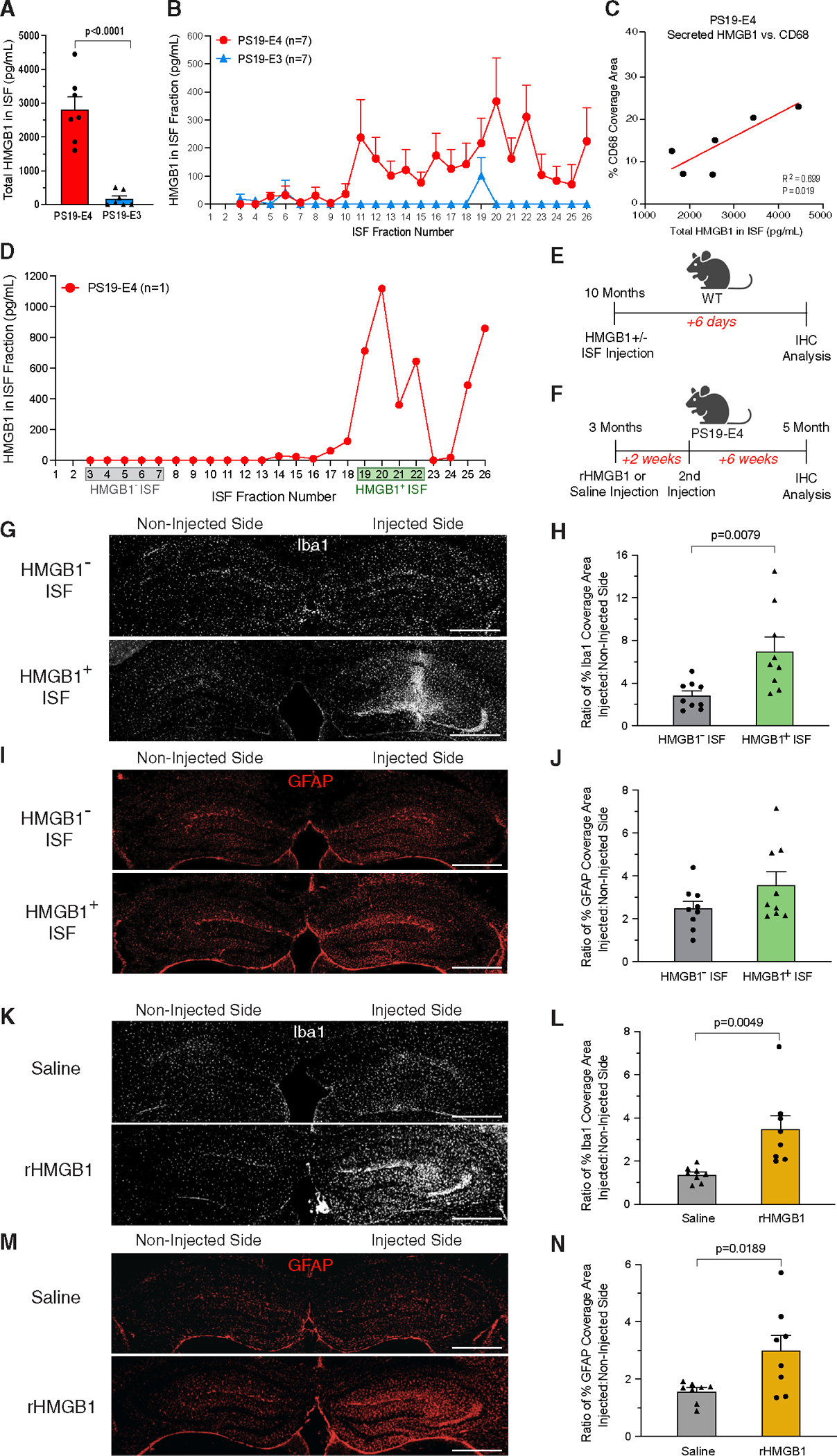
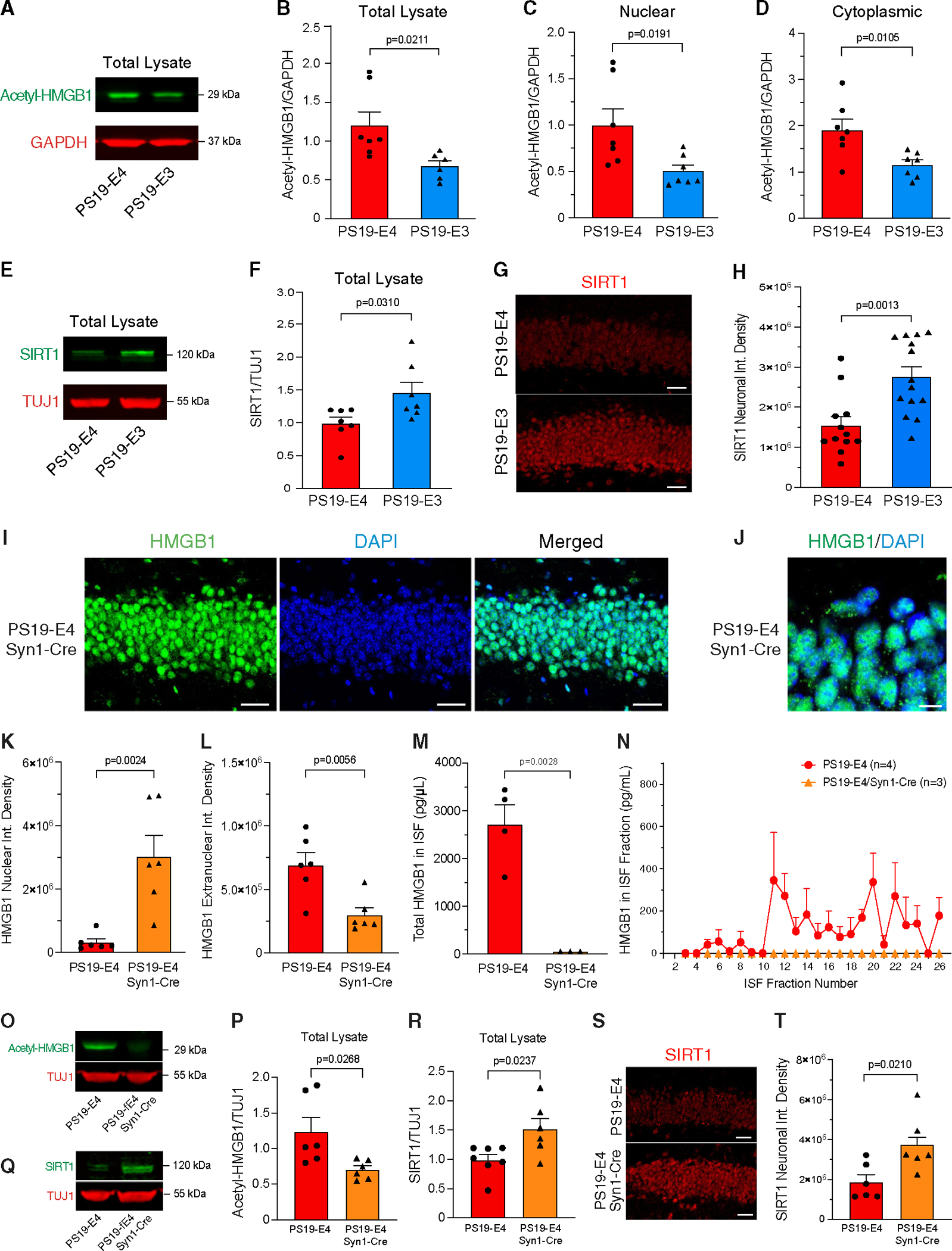
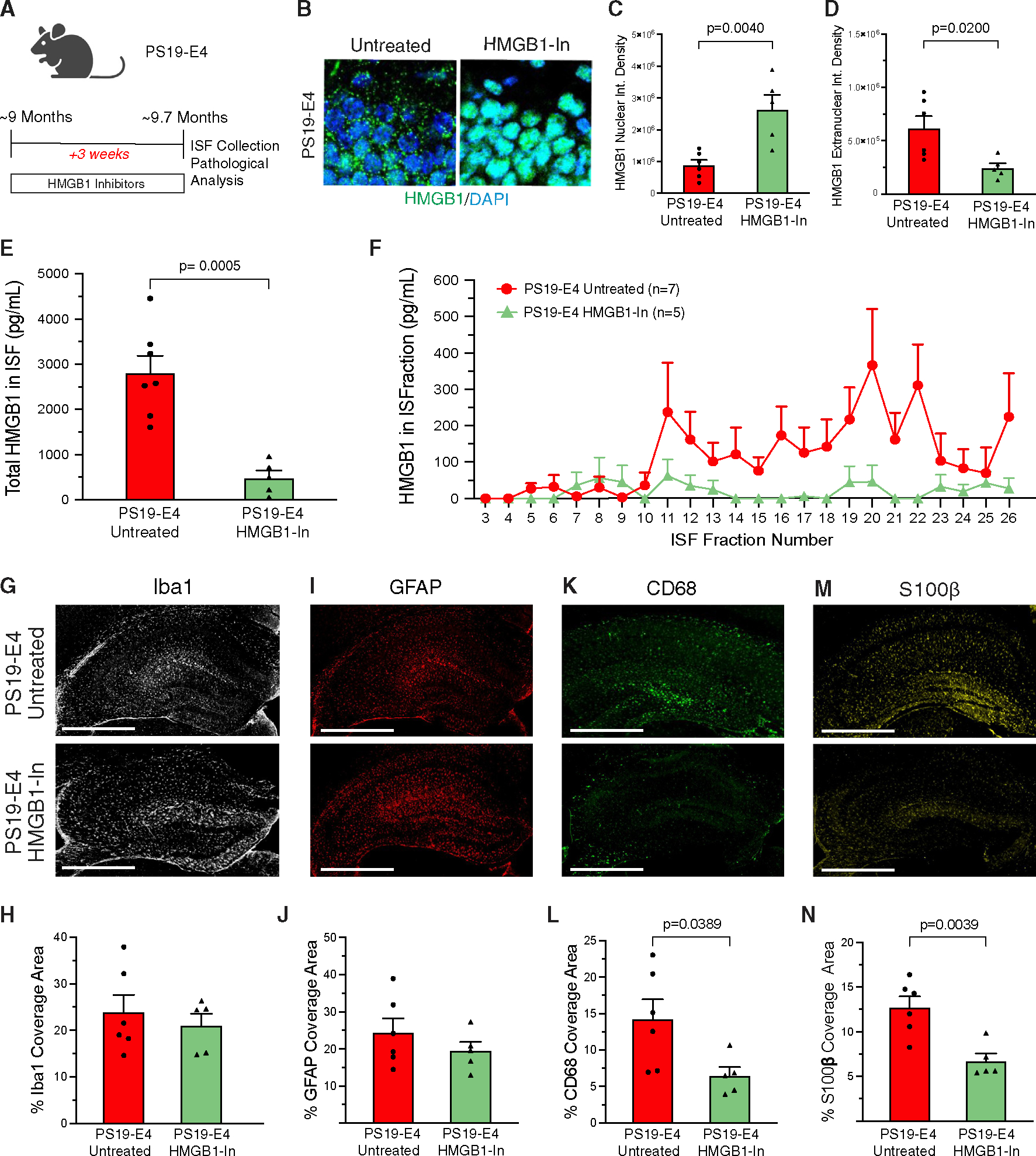
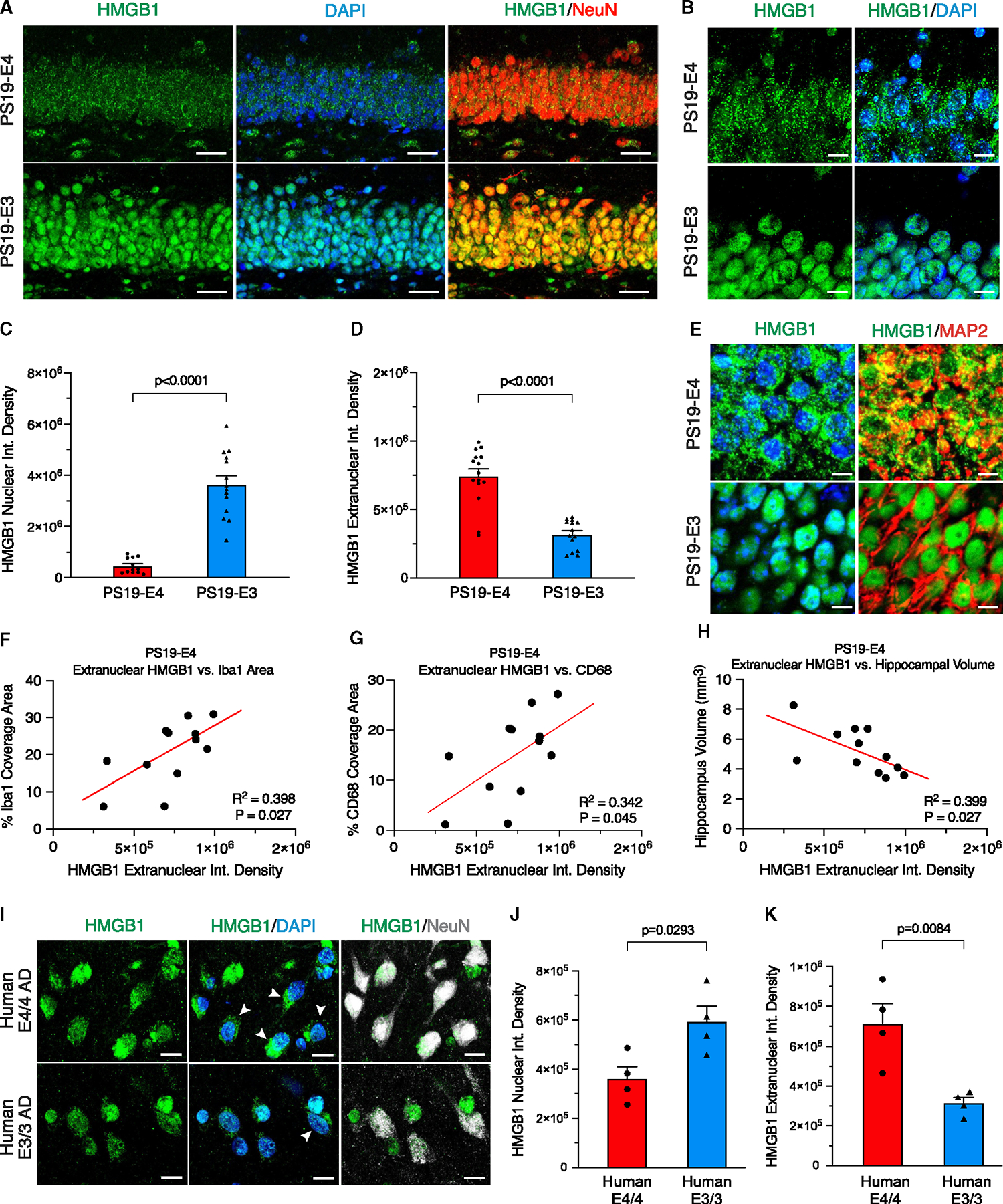
Apolipoprotein E4 (APOE4) is an important driver of Tau pathology, gliosis, and degeneration in Alzheimer's disease (AD). Still, the mechanisms underlying these APOE4-driven pathological effects remain elusive. Here, we report in a tauopathy mouse model that APOE4 promoted the nucleocytoplasmic translocation and release of high-mobility group box 1 (HMGB1) from hippocampal neurons, which correlated with the severity of hippocampal microgliosis and degeneration. Injection of HMGB1 into the hippocampus of young APOE4-tauopathy mice induced considerable and persistent gliosis. Selective removal of neuronal APOE4 reduced HMGB1 translocation and release. Treatment of APOE4-tauopathy mice with HMGB1 inhibitors effectively blocked the intraneuronal translocation and release of HMGB1 and ameliorated the development of APOE4-driven gliosis, Tau pathology, neurodegeneration, and myelin deficits. Single-nucleus RNA sequencing revealed that treatment with HMGB1 inhibitors diminished disease-associated and enriched disease-protective subpopulations of neurons, microglia, and astrocytes in APOE4-tauopathy mice. Thus, HMGB1 inhibitors represent a promising approach for treating APOE4-related AD.

摘要

载脂蛋白 E4(APOE4)是阿尔茨海默病(AD)中 Tau 病理、神经胶质增生和退化的重要驱动因素。然而,这些 APOE4 驱动的病理效应的机制仍不清楚。在这里,我们在 Tau 病小鼠模型中报告称,APOE4 促进了高迁移率族蛋白 B1(HMGB1)从海马神经元的核质易位和释放,这与海马小胶质细胞增生和退化的严重程度相关。将 HMGB1 注射到年轻的 APOE4-Tau 病小鼠的海马中会引起相当大且持续的神经胶质增生。选择性去除神经元 APOE4 可减少 HMGB1 的易位和释放。用 HMGB1 抑制剂治疗 APOE4-Tau 病小鼠可有效阻止 HMGB1 的胞内易位和释放,并改善 APOE4 驱动的神经胶质增生、 Tau 病理、神经退行性变和髓鞘缺陷的发展。单细胞 RNA 测序显示,用 HMGB1 抑制剂治疗可减少 APOE4-Tau 病小鼠中与疾病相关的和富集的疾病保护神经元、小胶质细胞和星形胶质细胞亚群。因此,HMGB1 抑制剂代表了治疗 APOE4 相关 AD 的一种有前途的方法。
https://cdn.ncbi.nlm.nih.gov/pmc/blobs/a194/10873109/d24e609b0f9f/nihms-1941924-f0007.jpg
https://cdn.ncbi.nlm.nih.gov/pmc/blobs/a194/10873109/6a92cda88539/nihms-1941924-f0001.jpg
https://cdn.ncbi.nlm.nih.gov/pmc/blobs/a194/10873109/a61555acbe84/nihms-1941924-f0002.jpg
https://cdn.ncbi.nlm.nih.gov/pmc/blobs/a194/10873109/0e3cee4c50c3/nihms-1941924-f0003.jpg
https://cdn.ncbi.nlm.nih.gov/pmc/blobs/a194/10873109/bd5ead143ff6/nihms-1941924-f0004.jpg
https://cdn.ncbi.nlm.nih.gov/pmc/blobs/a194/10873109/d3515c7ae024/nihms-1941924-f0005.jpg
https://cdn.ncbi.nlm.nih.gov/pmc/blobs/a194/10873109/1fb01e170fdf/nihms-1941924-f0006.jpg
https://cdn.ncbi.nlm.nih.gov/pmc/blobs/a194/10873109/d24e609b0f9f/nihms-1941924-f0007.jpg
https://cdn.ncbi.nlm.nih.gov/pmc/blobs/a194/10873109/6a92cda88539/nihms-1941924-f0001.jpg
https://cdn.ncbi.nlm.nih.gov/pmc/blobs/a194/10873109/a61555acbe84/nihms-1941924-f0002.jpg
https://cdn.ncbi.nlm.nih.gov/pmc/blobs/a194/10873109/0e3cee4c50c3/nihms-1941924-f0003.jpg
https://cdn.ncbi.nlm.nih.gov/pmc/blobs/a194/10873109/bd5ead143ff6/nihms-1941924-f0004.jpg
https://cdn.ncbi.nlm.nih.gov/pmc/blobs/a194/10873109/d3515c7ae024/nihms-1941924-f0005.jpg
https://cdn.ncbi.nlm.nih.gov/pmc/blobs/a194/10873109/1fb01e170fdf/nihms-1941924-f0006.jpg
https://cdn.ncbi.nlm.nih.gov/pmc/blobs/a194/10873109/d24e609b0f9f/nihms-1941924-f0007.jpg

相似文献

1
APOE4-promoted gliosis and degeneration in tauopathy are ameliorated by pharmacological inhibition of HMGB1 release.载脂蛋白 E4 促进的神经胶质增生和 tau 病中的退行性变通过 HMGB1 释放的药理学抑制得到改善。
Cell Rep. 2023 Oct 31;42(10):113252. doi: 10.1016/j.celrep.2023.113252. Epub 2023 Oct 19.
2
Neuronal APOE4 removal protects against tau-mediated gliosis, neurodegeneration and myelin deficits.神经元 APOE4 清除可预防 Tau 介导的神经胶质增生、神经退行性变和髓鞘缺陷。
Nat Aging. 2023 Mar;3(3):275-296. doi: 10.1038/s43587-023-00368-3. Epub 2023 Feb 20.
3
Amelioration of Tau and ApoE4-linked glial lipid accumulation and neurodegeneration with an LXR agonist.用肝X受体激动剂改善Tau和载脂蛋白E4相关的神经胶质脂质积累及神经退行性变。
Neuron. 2024 Feb 7;112(3):384-403.e8. doi: 10.1016/j.neuron.2023.10.023. Epub 2023 Nov 22.
4
ApoE4-dependent Abeta-mediated neurodegeneration is associated with inflammatory activation in the hippocampus but not the septum.载脂蛋白 E4 依赖性 Abeta 介导的神经退行性变与海马体中的炎症激活有关,但与隔区无关。
J Neural Transm (Vienna). 2009 Nov;116(11):1427-34. doi: 10.1007/s00702-009-0218-9. Epub 2009 Apr 16.
5
Intracerebral Expression of AAV-APOE4 Is Not Sufficient to Alter Tau Burden in Two Distinct Models of Tauopathy.脑内表达 AAV-APOE4 不足以改变两种不同 tau 病模型中的 tau 负荷。
Mol Neurobiol. 2020 Apr;57(4):1986-2001. doi: 10.1007/s12035-019-01859-4. Epub 2020 Jan 6.
6
ApoE4 markedly exacerbates tau-mediated neurodegeneration in a mouse model of tauopathy.在tau蛋白病小鼠模型中,载脂蛋白E4(ApoE4)显著加剧了tau介导的神经退行性变。
Nature. 2017 Sep 28;549(7673):523-527. doi: 10.1038/nature24016. Epub 2017 Sep 20.
7
Astrocyte-secreted glypican-4 drives APOE4-dependent tau hyperphosphorylation.星形细胞分泌的聚糖蛋白-4 驱动 APOE4 依赖性 tau 过度磷酸化。
Proc Natl Acad Sci U S A. 2022 Aug 23;119(34):e2108870119. doi: 10.1073/pnas.2108870119. Epub 2022 Aug 15.
8
Selective removal of astrocytic APOE4 strongly protects against tau-mediated neurodegeneration and decreases synaptic phagocytosis by microglia.选择性清除星形胶质细胞 APOE4 能强烈阻止 tau 介导的神经退行性变,并减少小胶质细胞的突触吞噬作用。
Neuron. 2021 May 19;109(10):1657-1674.e7. doi: 10.1016/j.neuron.2021.03.024. Epub 2021 Apr 7.
9
Apolipoprotein E4 Reduction with Antisense Oligonucleotides Decreases Neurodegeneration in a Tauopathy Model.使用反义寡核苷酸降低载脂蛋白E4可减少tau蛋白病模型中的神经退行性变。
Ann Neurol. 2021 May;89(5):952-966. doi: 10.1002/ana.26043. Epub 2021 Feb 24.
10
The APOE-R136S mutation protects against APOE4-driven Tau pathology, neurodegeneration and neuroinflammation.载脂蛋白 E-R136S 突变可防止载脂蛋白 E4 驱动的 Tau 病理、神经退行性变和神经炎症。
Nat Neurosci. 2023 Dec;26(12):2104-2121. doi: 10.1038/s41593-023-01480-8. Epub 2023 Nov 13.

引用本文的文献

1
Non-mutated human tau stimulates Alzheimer's disease-relevant neurodegeneration in a microglia-dependent manner.未发生突变的人类tau蛋白以小胶质细胞依赖的方式刺激与阿尔茨海默病相关的神经退行性变。
Sci Rep. 2025 Jul 29;15(1):27664. doi: 10.1038/s41598-025-12869-9.
2
Non-mutated human tau stimulates Alzheimer's disease-relevant neurodegeneration in a microglia-dependent manner.非突变型人类tau蛋白以小胶质细胞依赖的方式刺激与阿尔茨海默病相关的神经退行性变。
bioRxiv. 2025 Jan 11:2025.01.10.632400. doi: 10.1101/2025.01.10.632400.
3
HMGB2-induced calreticulin translocation required for immunogenic cell death and ferroptosis of cancer cells are controlled by the nuclear exporter XPO1.

本文引用的文献

1
The multifunctional protein HMGB1: 50 years of discovery.多功能蛋白 HMGB1:50 年的探索历程。
Nat Rev Immunol. 2023 Dec;23(12):824-841. doi: 10.1038/s41577-023-00894-6. Epub 2023 Jun 15.
2
Neuronal APOE4 removal protects against tau-mediated gliosis, neurodegeneration and myelin deficits.神经元 APOE4 清除可预防 Tau 介导的神经胶质增生、神经退行性变和髓鞘缺陷。
Nat Aging. 2023 Mar;3(3):275-296. doi: 10.1038/s43587-023-00368-3. Epub 2023 Feb 20.
3
The mechanism of HMGB1 secretion and release.HMGB1分泌与释放的机制。
高迁移率族蛋白B2(HMGB2)诱导的钙网蛋白易位是癌细胞免疫原性细胞死亡和铁死亡所必需的,这一过程由核输出蛋白XPO1控制。
Commun Biol. 2024 Oct 1;7(1):1234. doi: 10.1038/s42003-024-06930-y.
4
Onset of Alzheimer disease in apolipoprotein ɛ4 carriers is earlier in butyrylcholinesterase K variant carriers.载脂蛋白 E4 携带者中阿尔茨海默病的发病较早,但丁酰胆碱酯酶 K 变体携带者除外。
BMC Neurol. 2024 Apr 9;24(1):116. doi: 10.1186/s12883-024-03611-5.
5
Ferroptosis and HMGB2 induced calreticulin translocation required for immunogenic cell death are controlled by the nuclear exporter XPO1.铁死亡和HMGB2诱导的免疫原性细胞死亡所需的钙网蛋白易位受核输出蛋白XPO1的调控。
Res Sq. 2024 Apr 8:rs.3.rs-4009459. doi: 10.21203/rs.3.rs-4009459/v2.
6
Updates on mouse models of Alzheimer's disease.阿尔茨海默病小鼠模型的最新进展。
Mol Neurodegener. 2024 Mar 11;19(1):23. doi: 10.1186/s13024-024-00712-0.
7
Cell type-specific roles of APOE4 in Alzheimer disease.载脂蛋白 E4 在阿尔茨海默病中的细胞类型特异性作用。
Nat Rev Neurosci. 2024 Feb;25(2):91-110. doi: 10.1038/s41583-023-00776-9. Epub 2024 Jan 8.
Exp Mol Med. 2022 Feb;54(2):91-102. doi: 10.1038/s12276-022-00736-w. Epub 2022 Feb 25.
4
Apolipoprotein E and Alzheimer's Disease: Findings, Hypotheses, and Potential Mechanisms.载脂蛋白 E 与阿尔茨海默病:研究发现、假说与潜在机制
Annu Rev Pathol. 2022 Jan 24;17:73-99. doi: 10.1146/annurev-pathmechdis-030421-112756. Epub 2021 Aug 30.
5
Tau oligomer induced HMGB1 release contributes to cellular senescence and neuropathology linked to Alzheimer's disease and frontotemporal dementia.tau 寡聚物诱导 hmgb1 释放导致与阿尔茨海默病和额颞叶痴呆相关的细胞衰老和神经病理学。
Cell Rep. 2021 Jul 20;36(3):109419. doi: 10.1016/j.celrep.2021.109419.
6
Integrated analysis of multimodal single-cell data.多模态单细胞数据的综合分析。
Cell. 2021 Jun 24;184(13):3573-3587.e29. doi: 10.1016/j.cell.2021.04.048. Epub 2021 May 31.
7
Neuronal ApoE upregulates MHC-I expression to drive selective neurodegeneration in Alzheimer's disease.神经元载脂蛋白 E 上调 MHC-I 表达以驱动阿尔茨海默病中的选择性神经退行性变。
Nat Neurosci. 2021 Jun;24(6):786-798. doi: 10.1038/s41593-021-00851-3. Epub 2021 May 6.
8
Tau: Enabler of diverse brain disorders and target of rapidly evolving therapeutic strategies.tau:多种脑部疾病的促成因子,也是迅速发展的治疗策略的靶标。
Science. 2021 Feb 26;371(6532). doi: 10.1126/science.abb8255.
9
glmGamPoi: fitting Gamma-Poisson generalized linear models on single cell count data.glmGamPoi:在单细胞计数数据上拟合 Gamma-Poisson 广义线性模型。
Bioinformatics. 2021 Apr 5;36(24):5701-5702. doi: 10.1093/bioinformatics/btaa1009.
10
GENCODE 2021.GENCODE 2021.
Nucleic Acids Res. 2021 Jan 8;49(D1):D916-D923. doi: 10.1093/nar/gkaa1087.