Department of Biomolecular Sciences, University of Urbino Carlo Bo, Urbino, Italy.
Department of Biomolecular Sciences, University of Urbino Carlo Bo, Urbino, Italy.
Redox Biol. 2023 Nov;67:102915. doi: 10.1016/j.redox.2023.102915. Epub 2023 Oct 12.
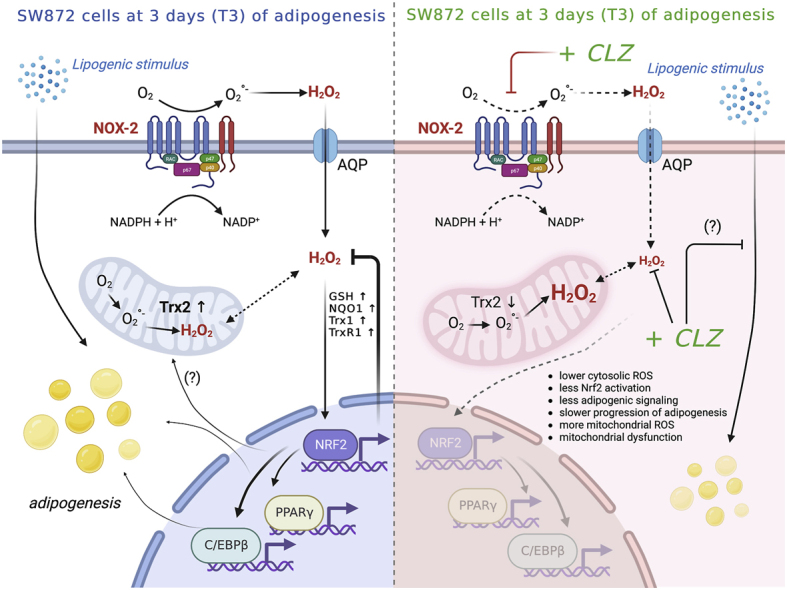
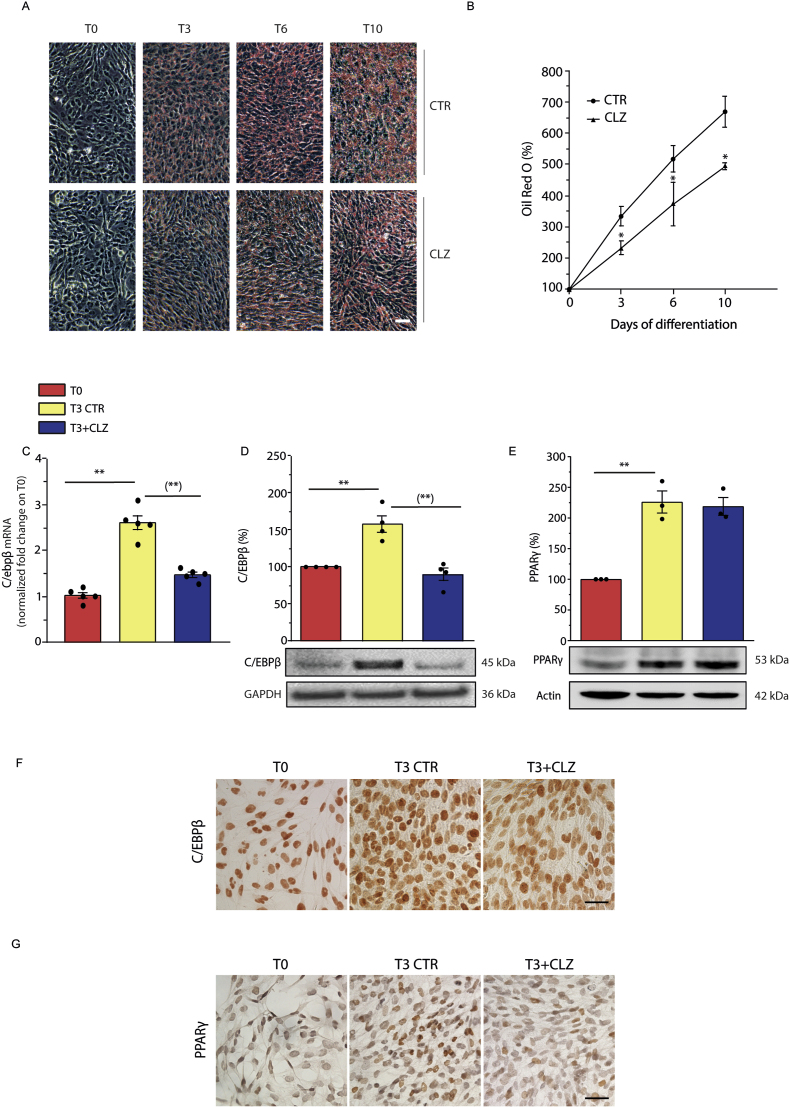
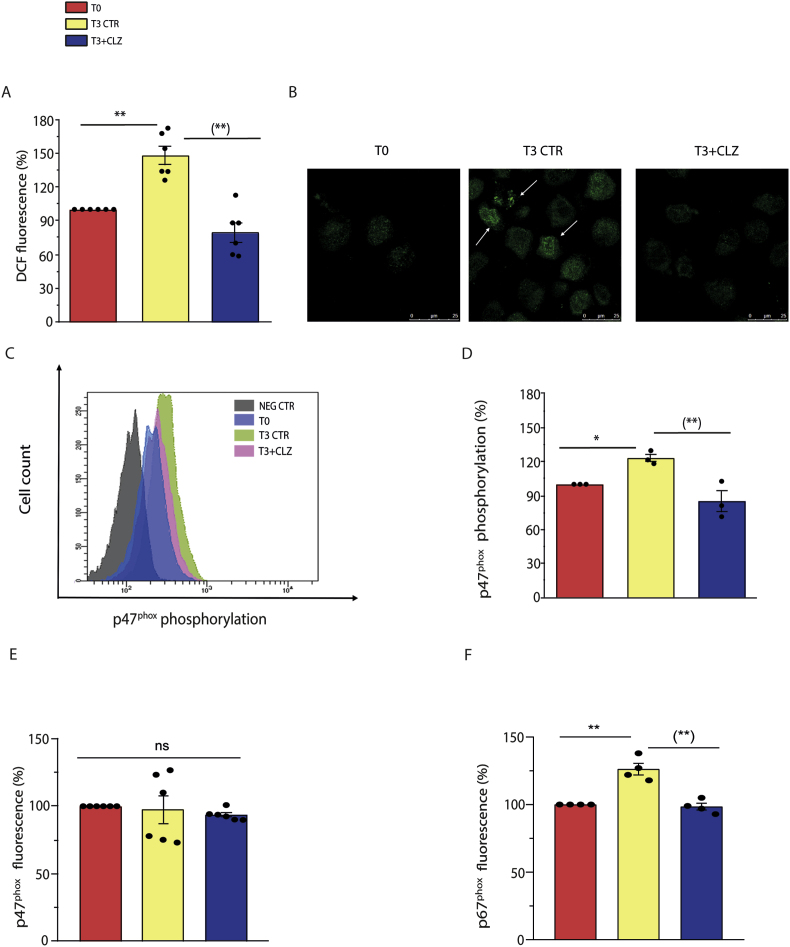
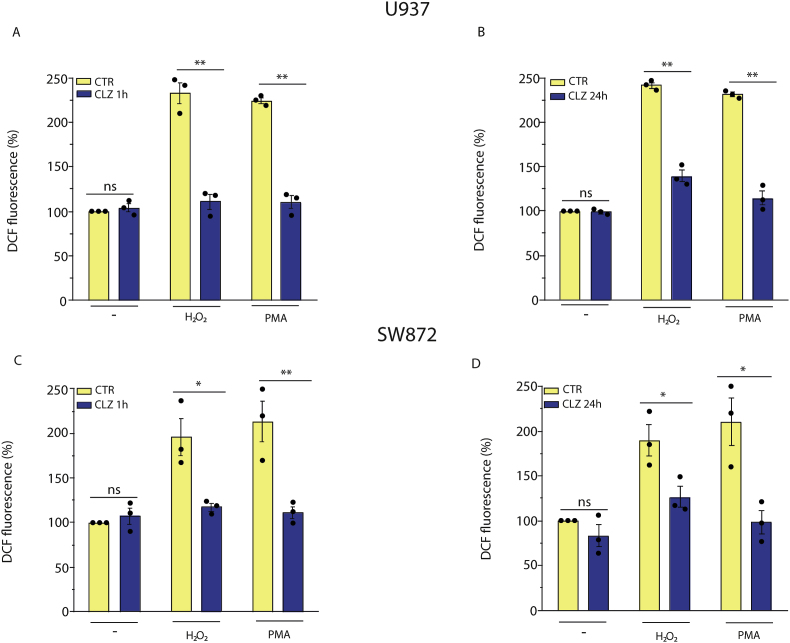
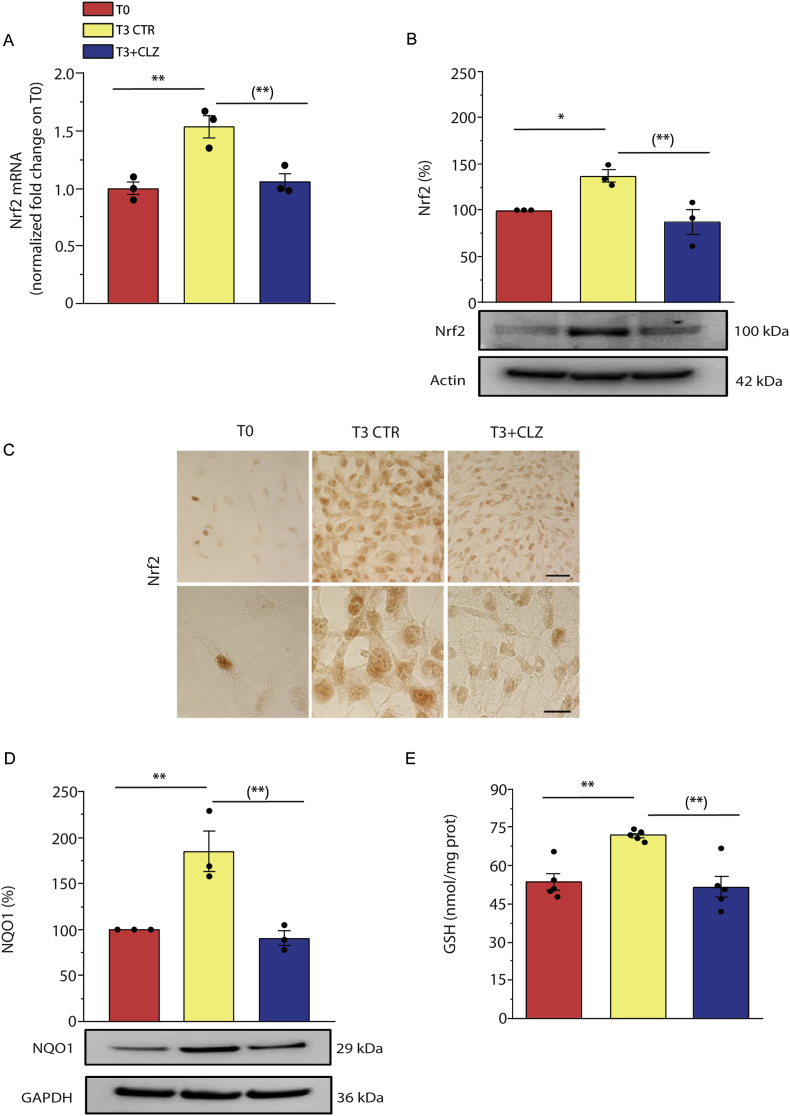
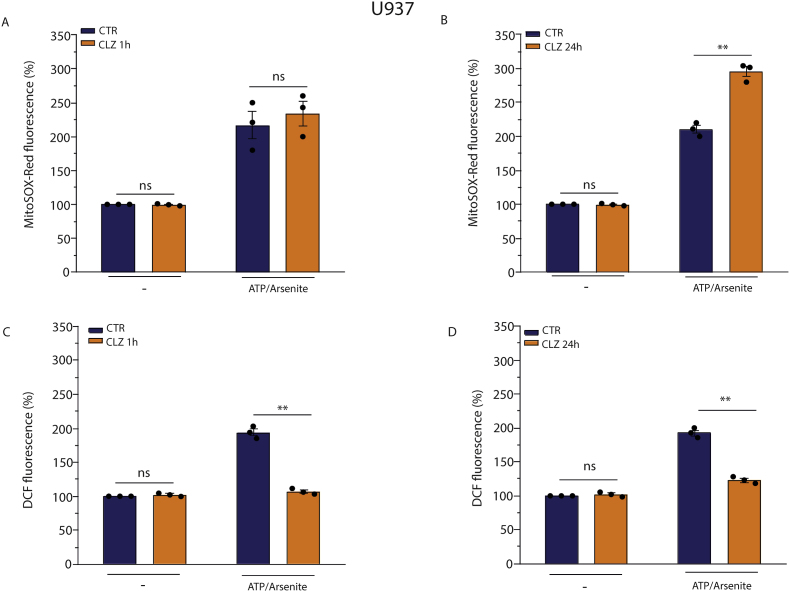
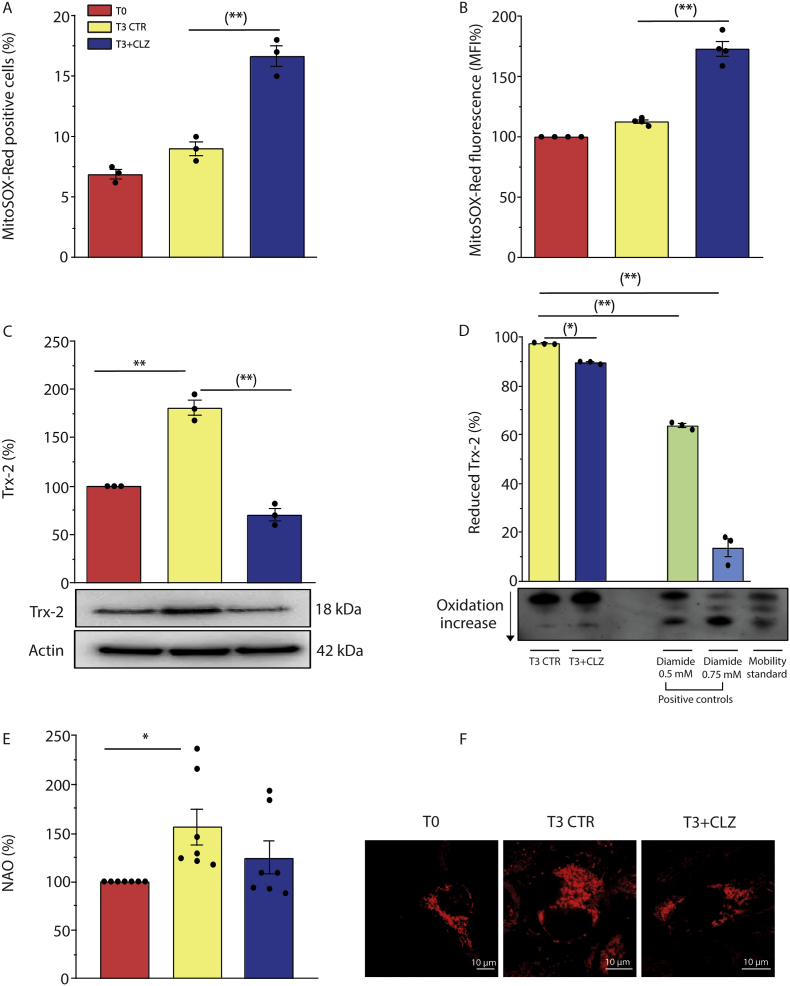
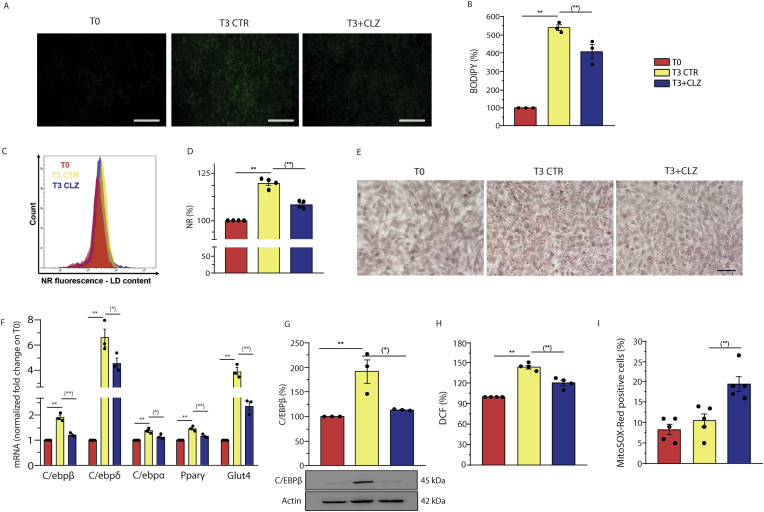
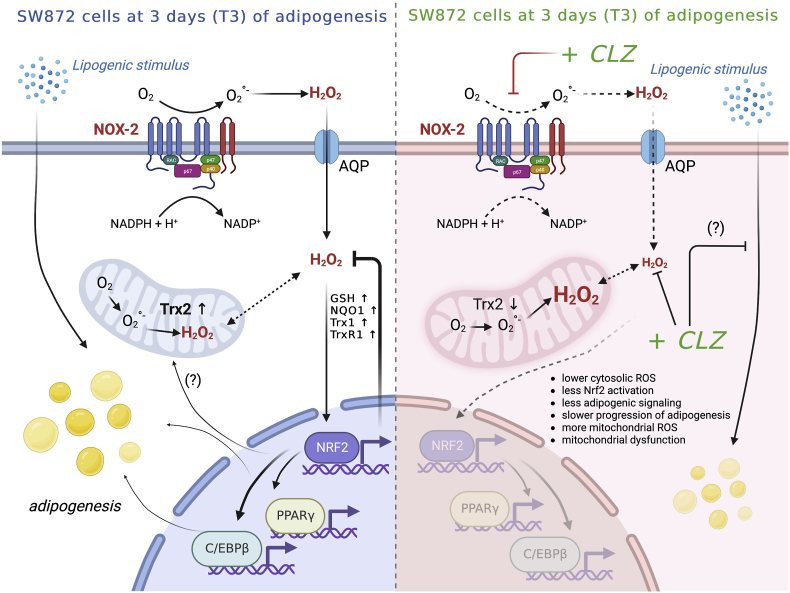
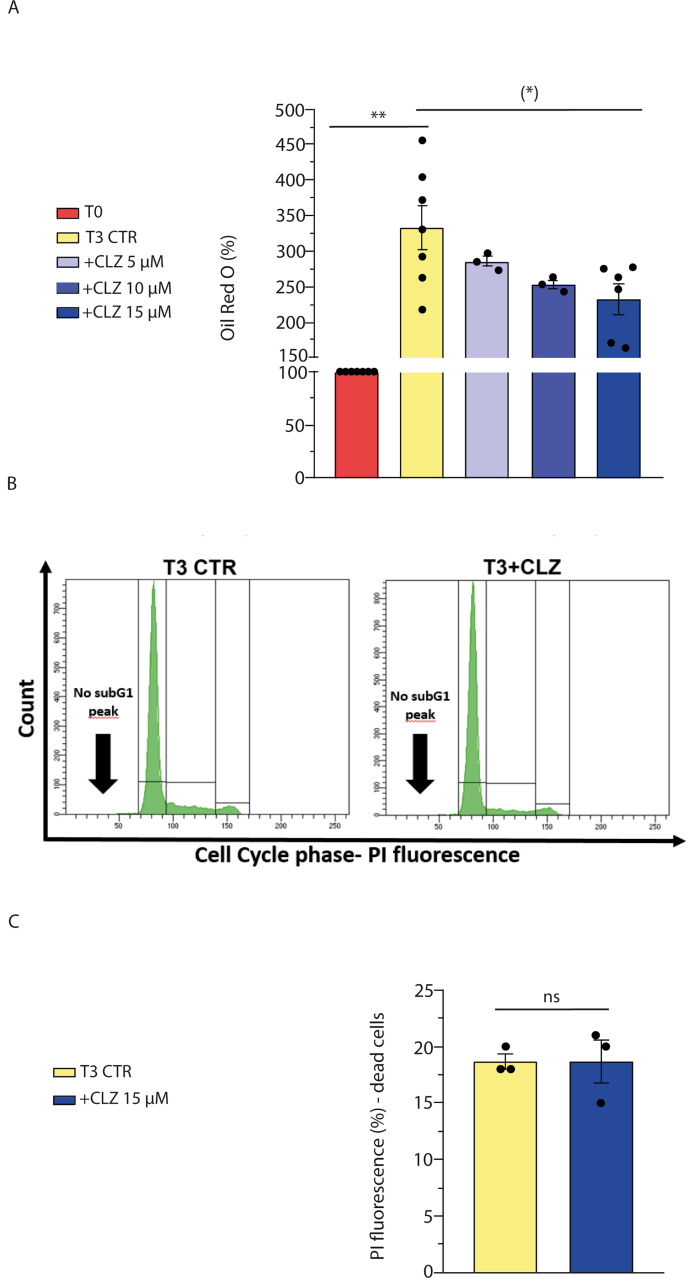
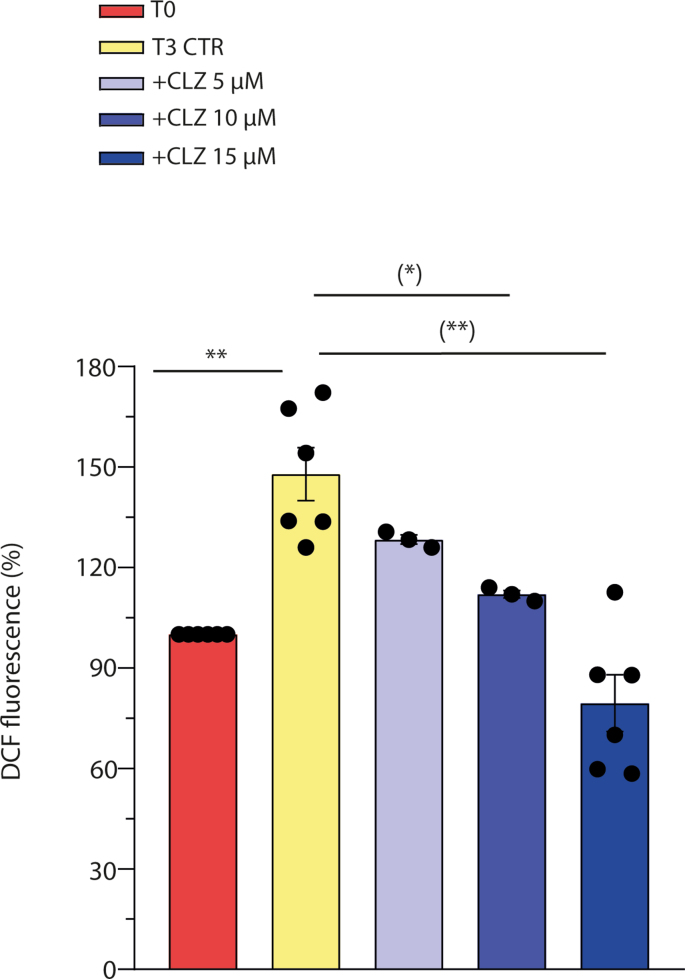
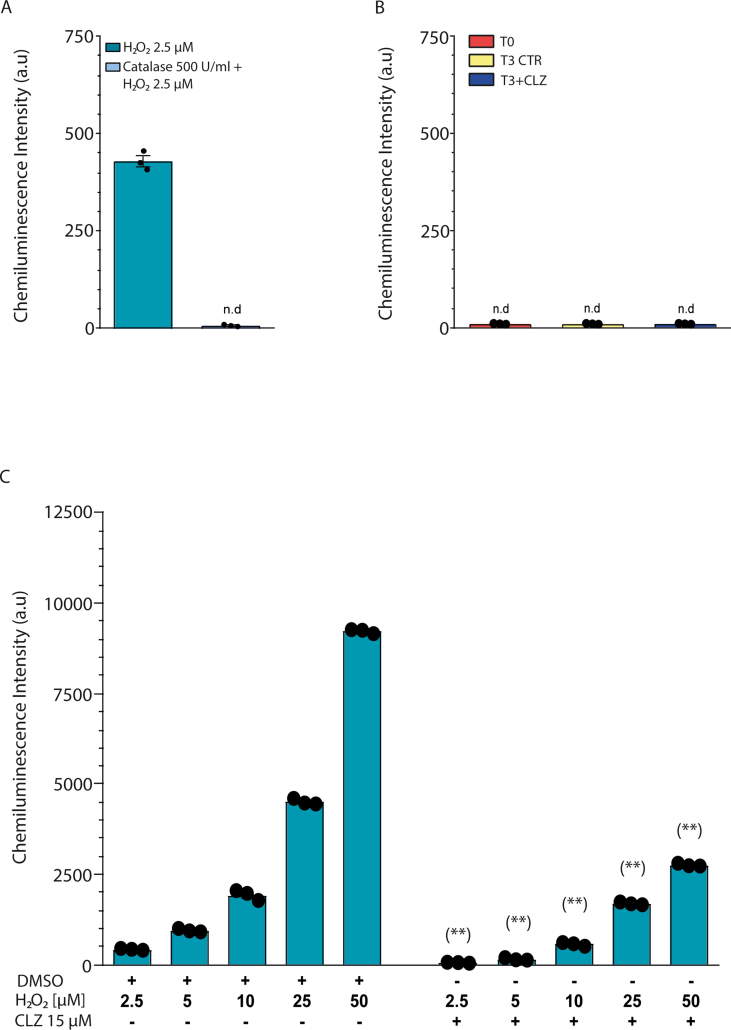
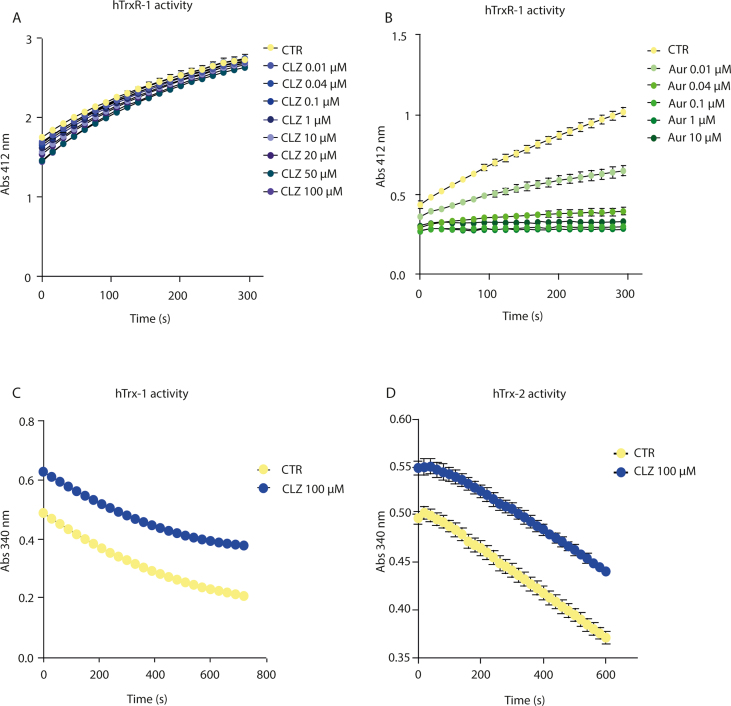
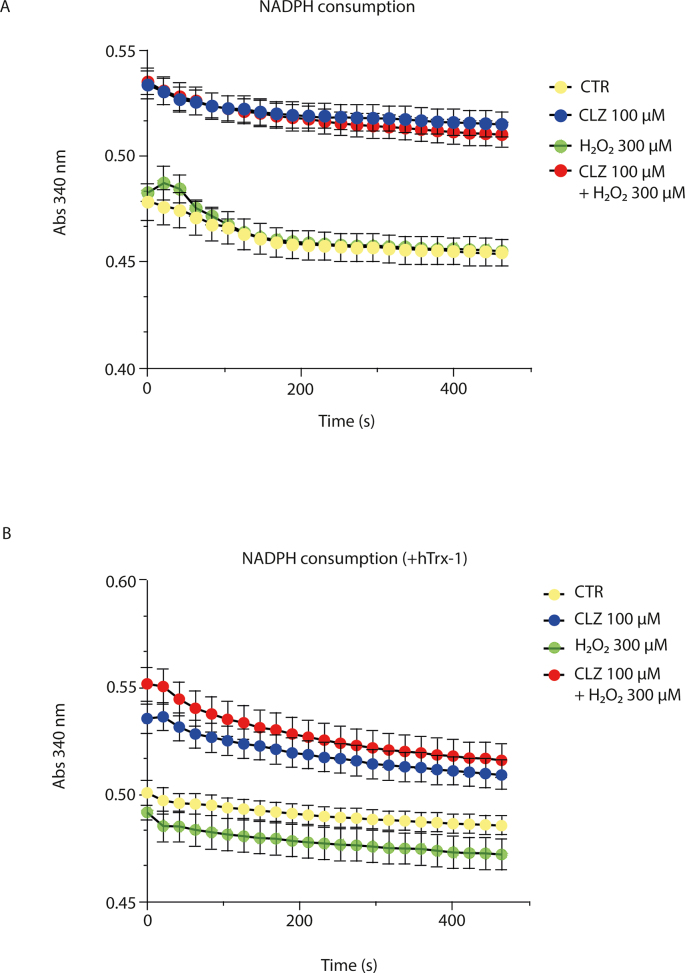
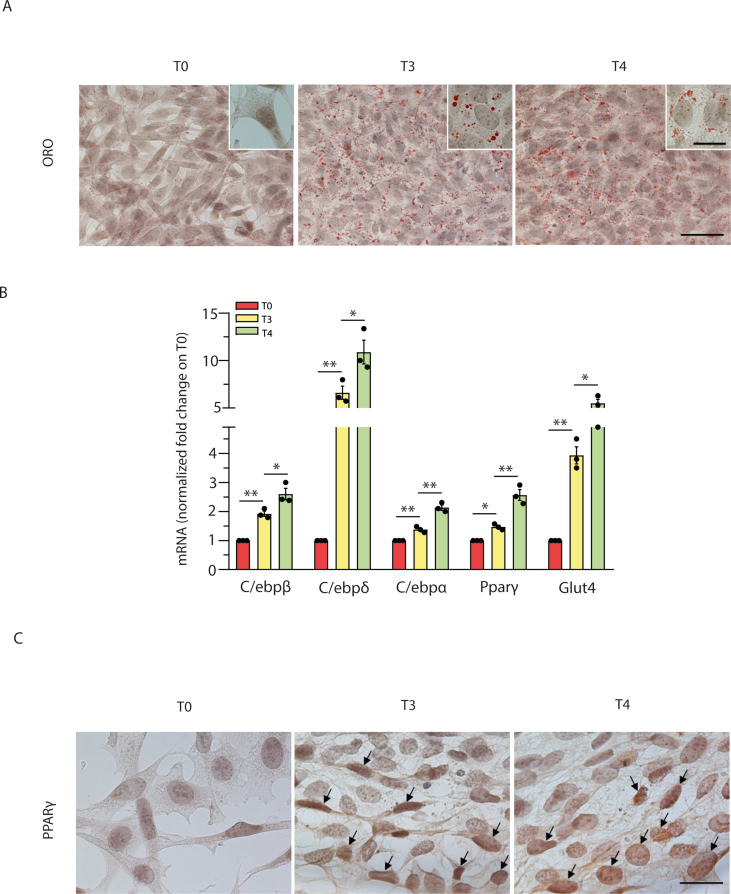
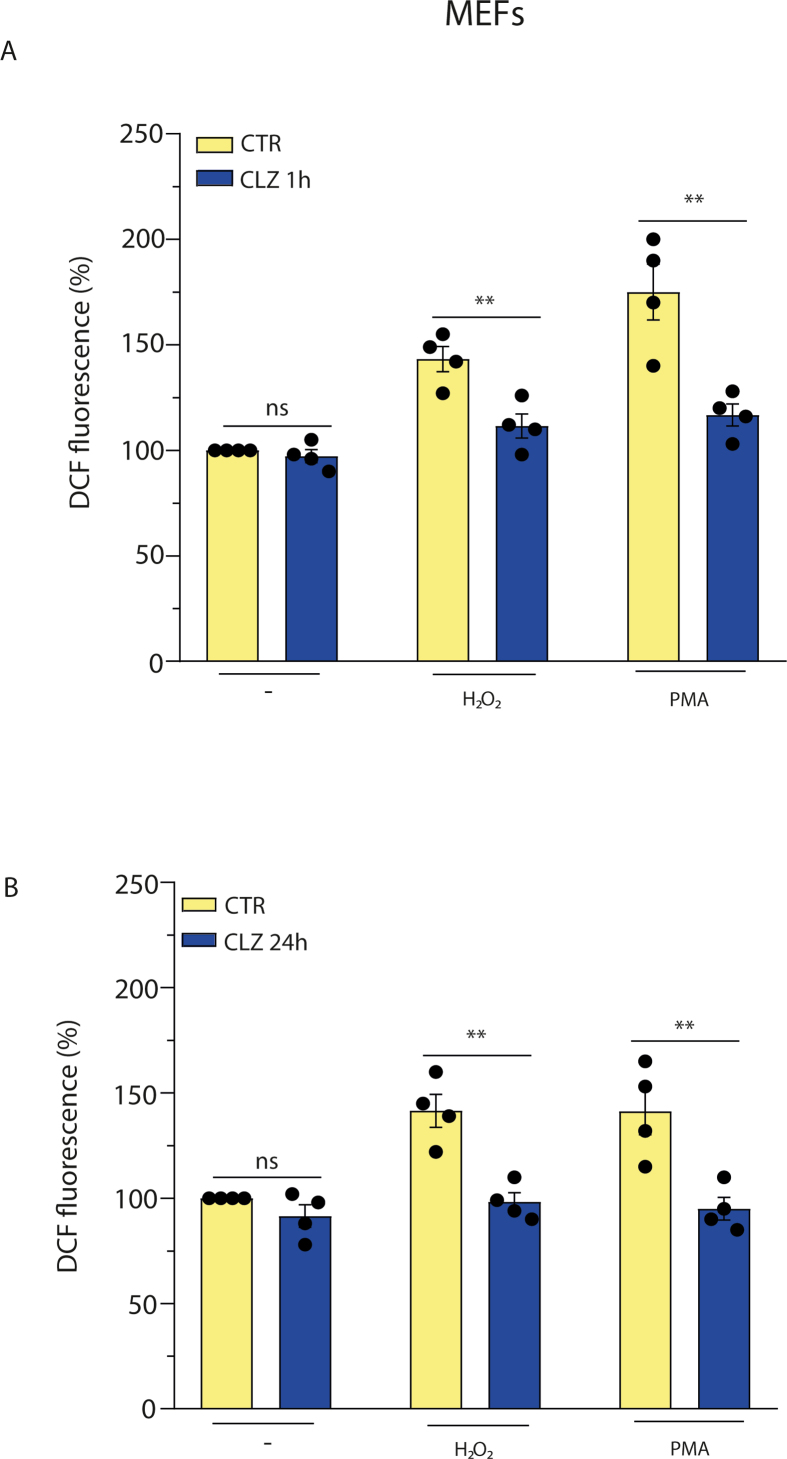
Long-term treatment of schizophrenia with clozapine (CLZ), an atypical antipsychotic drug, is associated with an increased incidence of metabolic disorders mediated by poorly understood mechanisms. We herein report that CLZ, while slowing down the morphological changes and lipid accumulation occurring during SW872 cell adipogenesis, also causes an early (day 3) inhibition of the expression/nuclear translocation of CAAT/enhancer-binding protein β and peroxisome proliferator-activated receptor γ. Under the same conditions, CLZ blunts NADPH oxidase-derived reactive oxygen species (ROS) by a dual mechanism involving enzyme inhibition and ROS scavenging. These effects were accompanied by hampered activation of the nuclear factor (erythroid-derived2)-like 2 (Nrf2)-dependent antioxidant responses compared to controls, and by an aggravated formation of mitochondrial superoxide. CLZ failed to exert ROS scavenging activities in the mitochondrial compartment but appeared to actively scavenge cytosolic HO derived from mitochondrial superoxide. The early formation of mitochondrial ROS promoted by CLZ was also associated with signs of mitochondrial dysfunction. Some of the above findings were recapitulated using mouse embryonic fibroblasts. We conclude that the NADPH oxidase inhibitory and cytosolic ROS scavenging activities of CLZ slow down SW872 cell adipogenesis and suppress their Nrf2 activation, an event apparently connected with increased mitochondrial ROS formation, which is associated with insulin resistance and metabolic syndrome. Thus, the cellular events characterised herein may help to shed light on the more detailed molecular mechanisms explaining some of the adverse metabolic effects of CLZ.
长期使用氯氮平(CLZ)治疗精神分裂症,一种非典型抗精神病药物,与代谢紊乱的发生率增加有关,其机制尚不清楚。我们在此报告,CLZ 虽然减缓了 SW872 细胞脂肪生成过程中的形态变化和脂质积累,但也导致 CAAT/增强子结合蛋白β和过氧化物酶体增殖物激活受体γ的表达/核易位的早期(第 3 天)抑制。在相同条件下,CLZ 通过抑制酶和清除活性氧(ROS)的双重机制来减弱 NADPH 氧化酶衍生的 ROS。这些效应伴随着与对照组相比,核因子(红系衍生 2)样 2(Nrf2)依赖性抗氧化反应的激活受阻,以及线粒体超氧化物的形成加剧。CLZ 未能在线粒体区室中发挥 ROS 清除活性,但似乎积极清除来自线粒体超氧化物的胞质 HO。CLZ 促进的早期线粒体 ROS 的形成也与线粒体功能障碍的迹象有关。使用小鼠胚胎成纤维细胞重现了上述部分发现。我们得出结论,CLZ 的 NADPH 氧化酶抑制和胞质 ROS 清除活性减缓了 SW872 细胞脂肪生成,并抑制了它们的 Nrf2 激活,这一事件显然与增加的线粒体 ROS 形成有关,这与胰岛素抵抗和代谢综合征有关。因此,本文描述的细胞事件可能有助于阐明解释 CLZ 一些不良代谢作用的更详细的分子机制。