Seaton A, Ruckley V A, Addison J, Brown W R
Thorax. 1986 Aug;41(8):591-5. doi: 10.1136/thx.41.8.591.
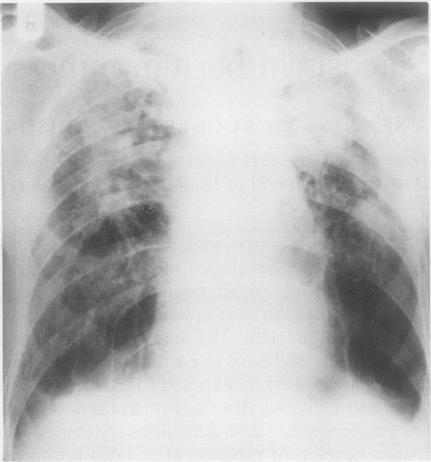
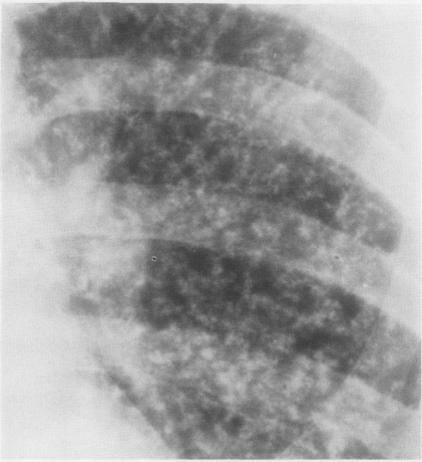
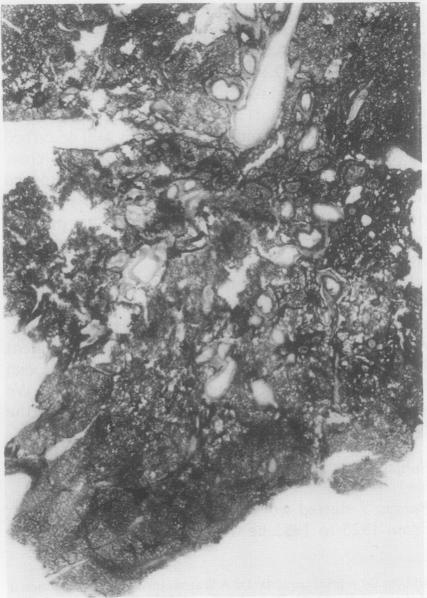
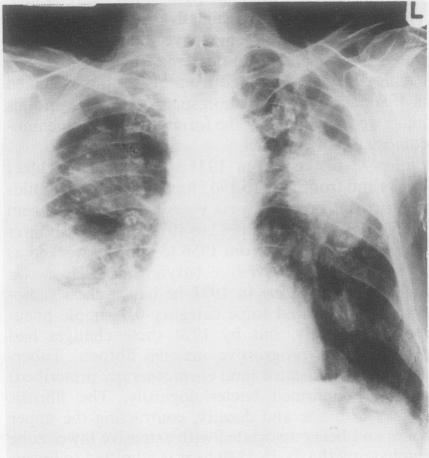
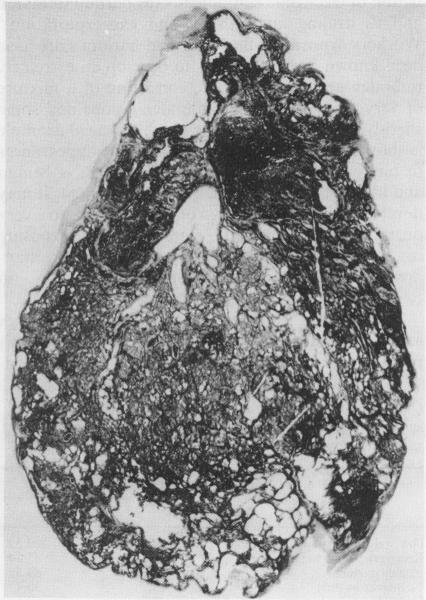
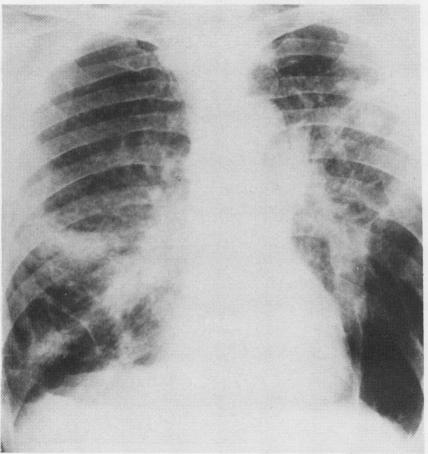
Four men who mined barytes in Scotland and who developed pneumoconiosis are described. Three developed progressive massive fibrosis, from which two died; and one developed a nodular simple pneumoconiosis after leaving the industry. The radiological and pathological features of the men's lungs were those of silicosis and high proportions of quartz were found in two of them post mortem. The quartz was inhaled from rocks associated with the barytes in the mines. The features of silicosis in barium miners are contrasted with the benign pneumoconiosis, baritosis, that occurs in workers exposed to crushed and ground insoluble barium salts. Diagnostic difficulties arise when silicosis develops in workers mining minerals known to cause a separate and benign pneumoconiosis. These difficulties are compounded when, as not infrequently happens, the silicotic lesions develop or progress after exposure to quartz has ceased.
本文描述了4名在苏格兰从事重晶石开采并患上尘肺病的男性。其中3人发展为进行性大块纤维化,2人因此死亡;1人在离开该行业后患上结节性单纯尘肺病。这些男性肺部的放射学和病理学特征符合矽肺病表现,尸检发现其中两人肺部含有高比例的石英。石英是从矿井中与重晶石伴生的岩石中吸入的。钡矿工人的矽肺病特征与接触粉碎和研磨后的不溶性钡盐的工人所患的良性尘肺病——钡末沉着症形成对比。当从事已知会导致另一种良性尘肺病的矿物开采的工人患上矽肺病时,就会出现诊断困难。而当矽肺病变在接触石英停止后仍发展或进展时(这种情况并不少见),这些困难就更加复杂了。