Department of spine surgery, Third Xiangya Hospital, Central South University, Changsha, 410013, Hunan, China.
Department of Clinical Laboratory Medicine, The Eighth Affiliated Hospital, Sun Yat-sen University, Shenzhen, 518033, Guangdong, P.R. China.
J Transl Med. 2023 Oct 27;21(1):760. doi: 10.1186/s12967-023-04579-5.
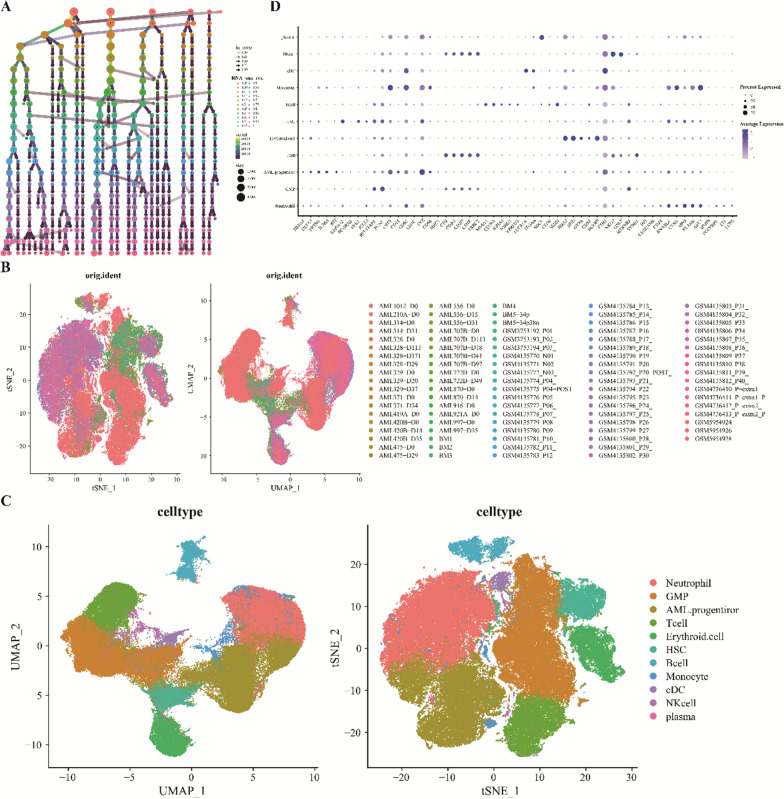
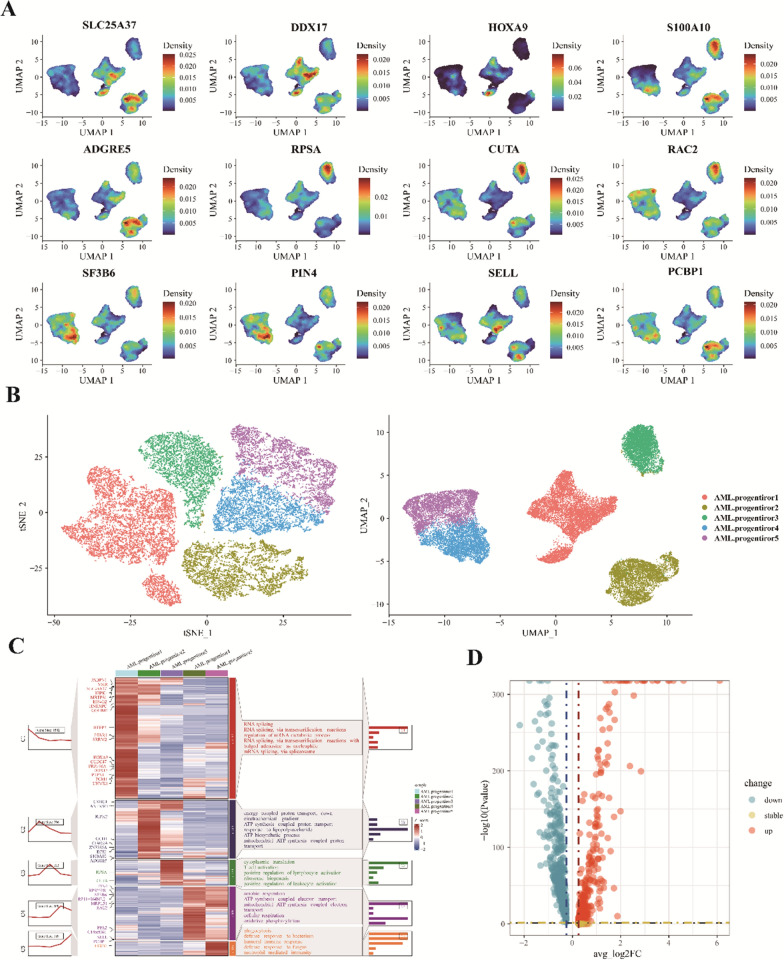
The composition of the bone marrow immune microenvironment in patients with acute myeloid leukaemia (AML) was analysed by single-cell sequencing and the evolutionary role of different subpopulations of T cells in the development of AML and in driving drug resistance was explored in conjunction with E3 ubiquitin ligase-related genes.
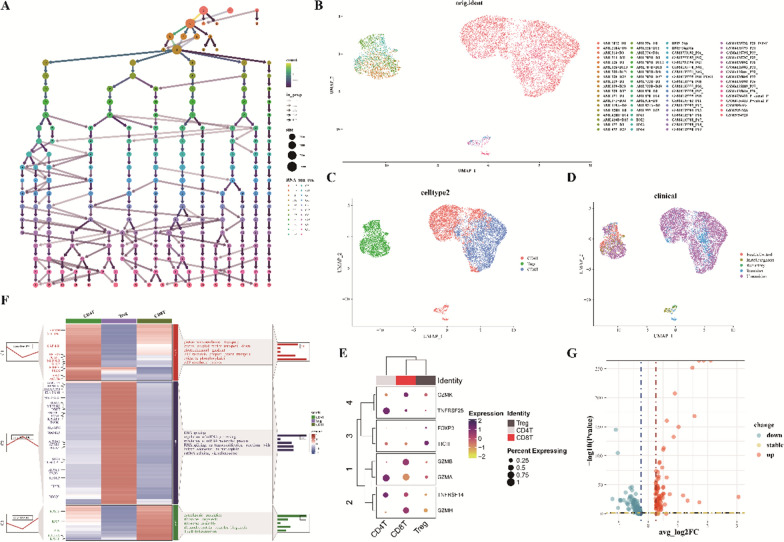
To elucidate the mechanisms underlying AML-NR and Ara-C resistance, we analyzed the bone marrow immune microenvironment of AML patients by integrating multiple single-cell RNA sequencing datasets. When compared to the AML disease remission (AML-CR) cohort, AML-NR displayed distinct cellular interactions and alterations in the ratios of CD4T, Treg, and CD8T cell populations.
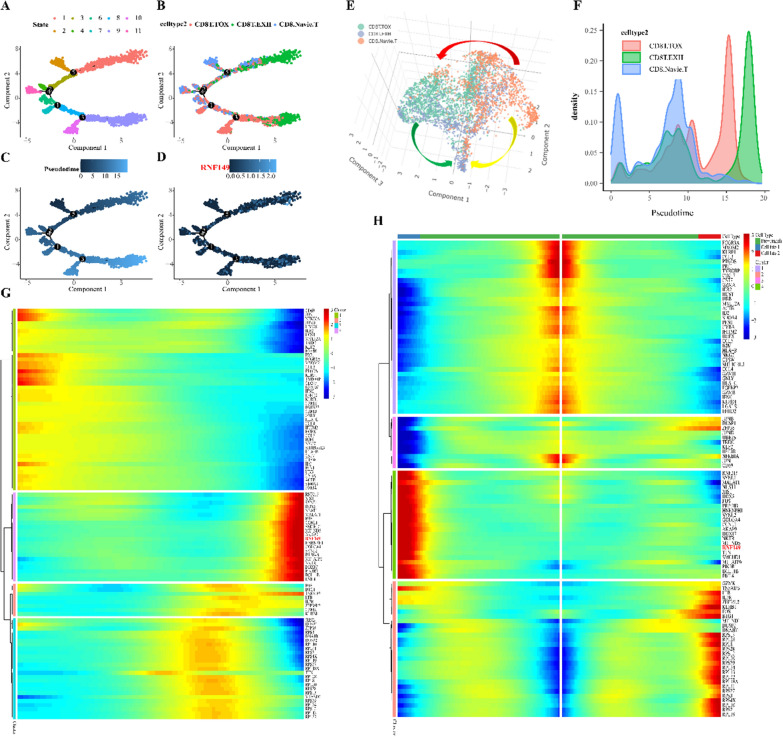
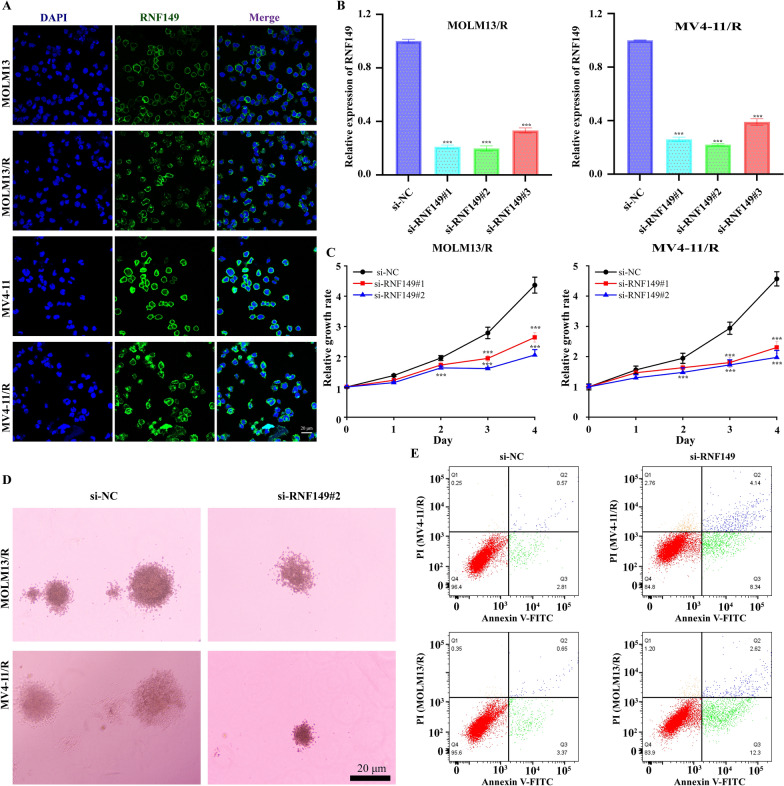
Our findings indicate that the E3 ubiquitin ligase RNF149 accelerates AML progression, modifies the AML immune milieu, triggers CD8T cell dysfunction, and influences the transformation of CD8 Navie.T cells to CD8T, culminating in diminished AML responsiveness to chemotherapeutic agents. Experiments both in vivo and in vitro revealed RNF149's role in enhancing AML drug-resistant cell line proliferation and in apoptotic inhibition, fostering resistance to Ara-C.
In essence, the immune microenvironments of AML-CR and AML-NR diverge considerably, spotlighting RNF149's tumorigenic function in AML and cementing its status as a potential prognostic indicator and innovative therapeutic avenue for countering AML resistance.
通过单细胞测序分析急性髓系白血病(AML)患者骨髓免疫微环境的组成,并结合 E3 泛素连接酶相关基因,探讨不同 T 细胞亚群在 AML 发生和驱动耐药中的进化作用。
为了阐明 AML-NR 和阿糖胞苷耐药的机制,我们通过整合多个单细胞 RNA 测序数据集分析了 AML 患者的骨髓免疫微环境。与 AML 疾病缓解(AML-CR)队列相比,AML-NR 显示出明显不同的细胞相互作用和 CD4T、Treg 和 CD8T 细胞群体比例的改变。
我们的研究结果表明,E3 泛素连接酶 RNF149 加速 AML 的进展,改变 AML 的免疫微环境,触发 CD8T 细胞功能障碍,并影响 CD8 Navie.T 细胞向 CD8T 细胞的转化,最终导致 AML 对化疗药物的反应性降低。体内和体外实验均揭示了 RNF149 在增强 AML 耐药细胞系增殖和抑制凋亡中的作用,促进了对阿糖胞苷的耐药性。
AML-CR 和 AML-NR 的免疫微环境有很大的差异,突出了 RNF149 在 AML 中的致癌作用,并确立了其作为潜在的预后指标和对抗 AML 耐药的创新治疗途径的地位。