Department of Biomedical Science, Graduate School, Kyung Hee University, Seoul 02447, Republic of Korea.
Department of Biochemistry and Molecular Biology, School of Medicine, Kyung Hee University, Seoul 02447, Republic of Korea.
Nutrients. 2023 Oct 16;15(20):4391. doi: 10.3390/nu15204391.
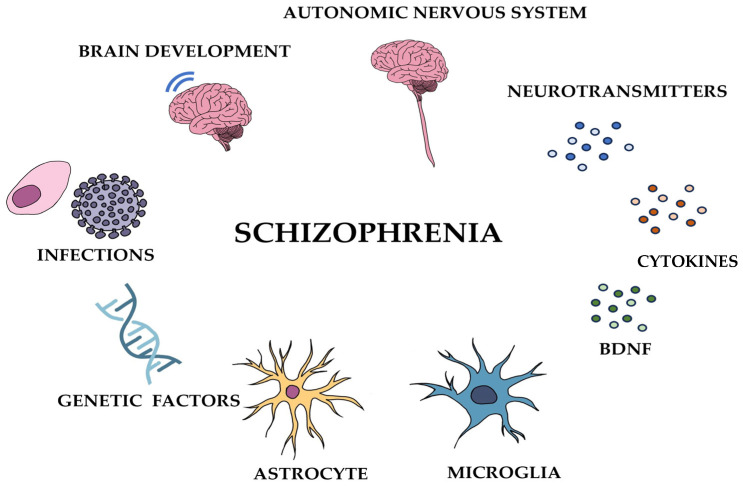
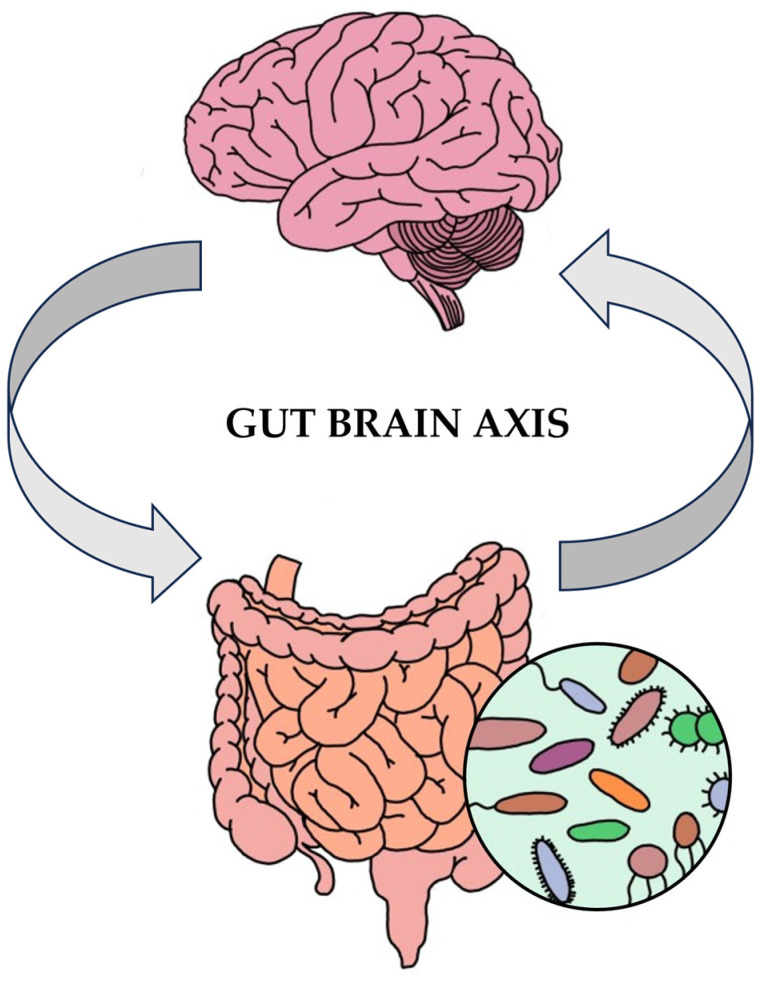
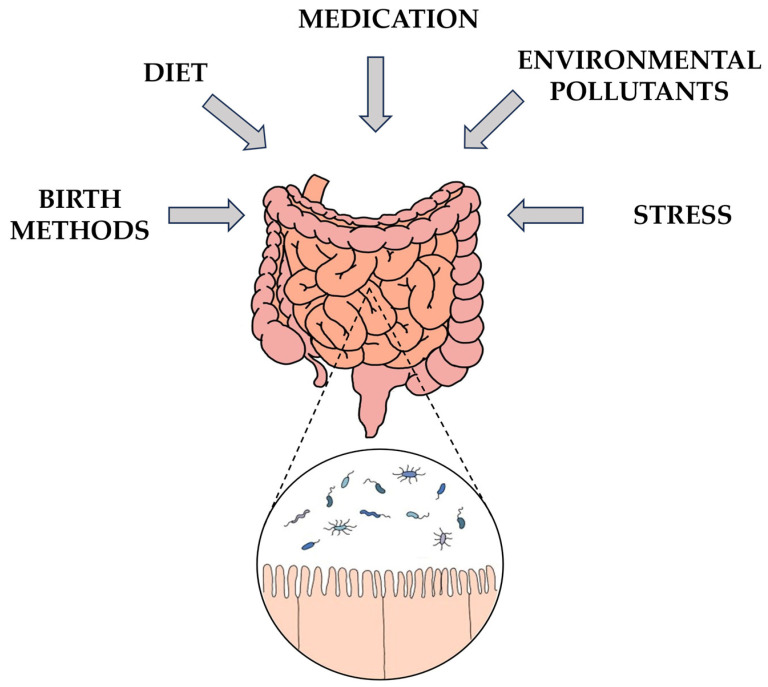
Schizophrenia, a severe mental illness affecting about 1% of the population, manifests during young adulthood, leading to abnormal mental function and behavior. Its multifactorial etiology involves genetic factors, experiences of adversity, infection, and gene-environment interactions. Emerging research indicates that maternal infection or stress during pregnancy may also increase schizophrenia risk in offspring. Recent research on the gut-brain axis highlights the gut microbiome's potential influence on central nervous system (CNS) function and mental health, including schizophrenia. The gut microbiota, located in the digestive system, has a significant role to play in human physiology, affecting immune system development, vitamin synthesis, and protection against pathogenic bacteria. Disruptions to the gut microbiota, caused by diet, medication use, environmental pollutants, and stress, may lead to imbalances with far-reaching effects on CNS function and mental health. Of interest are short-chain fatty acids (SCFAs), metabolic byproducts produced by gut microbes during fermentation. SCFAs can cross the blood-brain barrier, influencing CNS activity, including microglia and cytokine modulation. The dysregulation of neurotransmitters produced by gut microbes may contribute to CNS disorders, including schizophrenia. This review explores the potential relationship between SCFAs, the gut microbiome, and schizophrenia. Our aim is to deepen the understanding of the gut-brain axis in schizophrenia and to elucidate its implications for future research and therapeutic approaches.
精神分裂症是一种严重的精神疾病,影响约 1%的人口,发病于青年期,导致精神功能和行为异常。其多因素病因涉及遗传因素、逆境经历、感染和基因-环境相互作用。新兴研究表明,母体在怀孕期间感染或应激也可能增加后代患精神分裂症的风险。最近对肠-脑轴的研究强调了肠道微生物组对中枢神经系统(CNS)功能和心理健康(包括精神分裂症)的潜在影响。位于消化系统中的肠道微生物组在人体生理学中起着重要作用,影响免疫系统发育、维生素合成以及对病原菌的保护。饮食、药物使用、环境污染物和应激引起的肠道微生物组紊乱可能导致与 CNS 功能和心理健康的深远影响的失衡。短链脂肪酸(SCFAs)是肠道微生物在发酵过程中产生的代谢副产物,引起了人们的关注。SCFAs 可以穿过血脑屏障,影响 CNS 活动,包括小胶质细胞和细胞因子调节。肠道微生物产生的神经递质失调可能导致 CNS 紊乱,包括精神分裂症。本综述探讨了 SCFAs、肠道微生物组与精神分裂症之间的潜在关系。我们的目的是加深对精神分裂症中肠-脑轴的理解,并阐明其对未来研究和治疗方法的意义。