Zhang Chunye, Sui Yuxiang, Liu Shuai, Yang Ming
Christopher S. Bond Life Sciences Center, University of Missouri, Columbia, MO 65212, USA.
School of Life Science, Shanxi Normal University, Linfen 041004, China.
Pharmaceuticals (Basel). 2023 Oct 17;16(10):1479. doi: 10.3390/ph16101479.
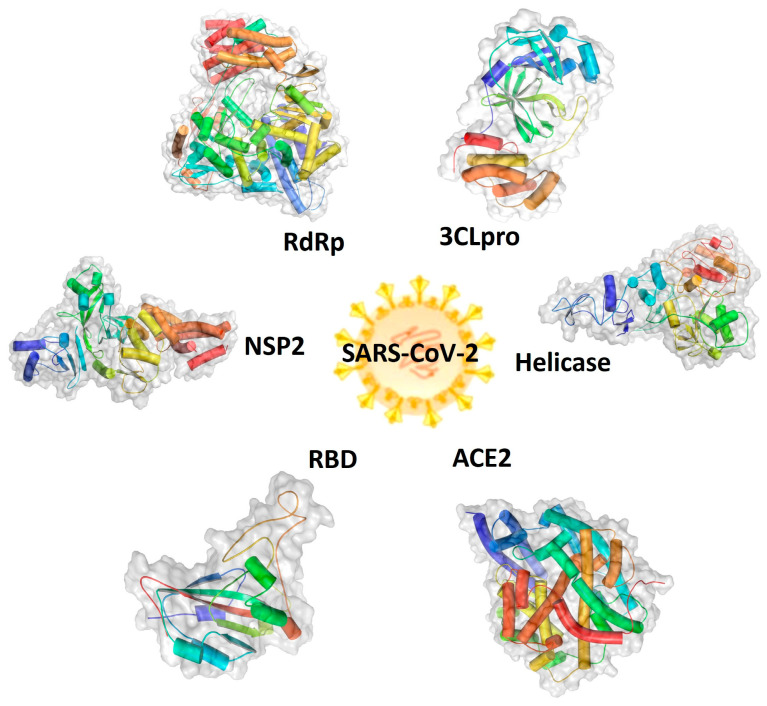
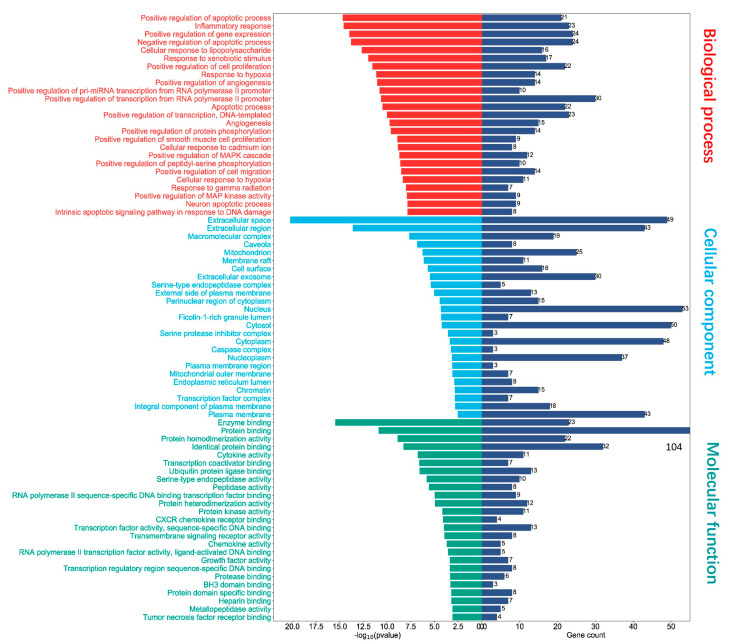
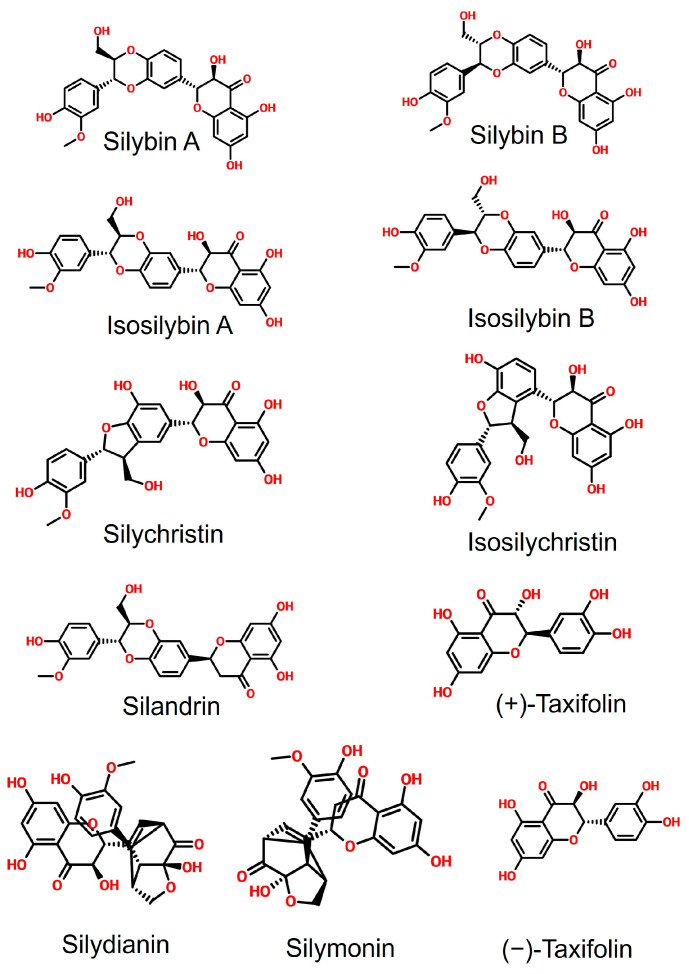
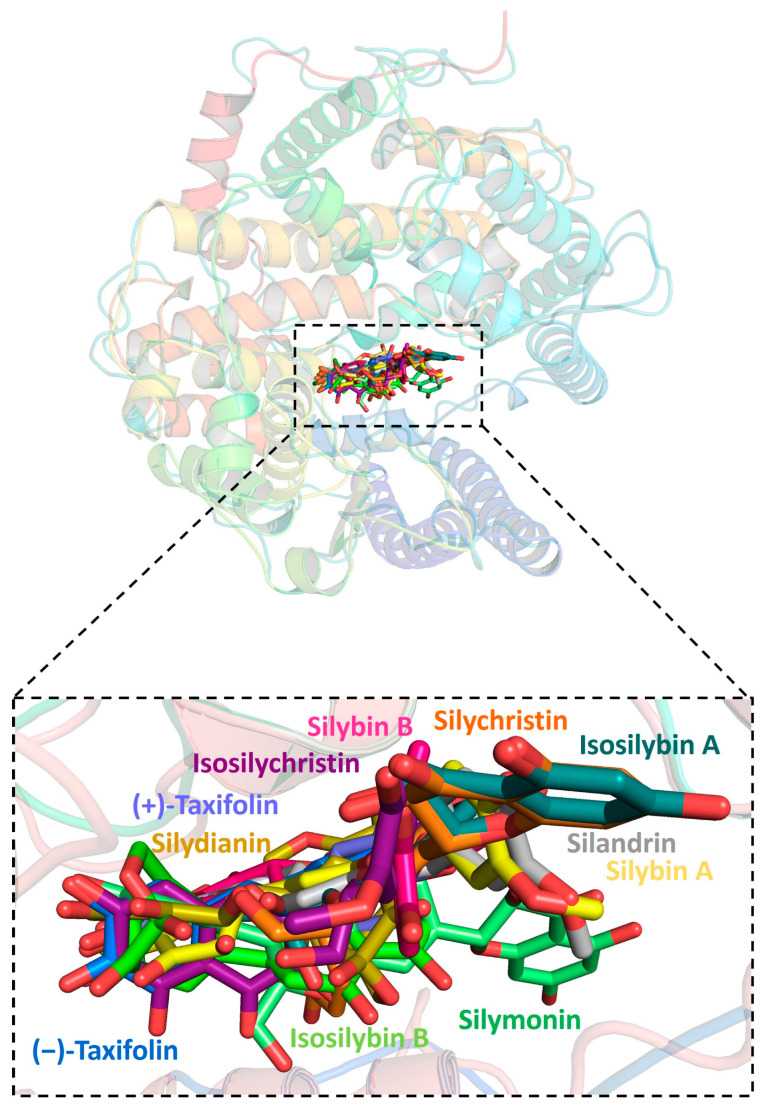
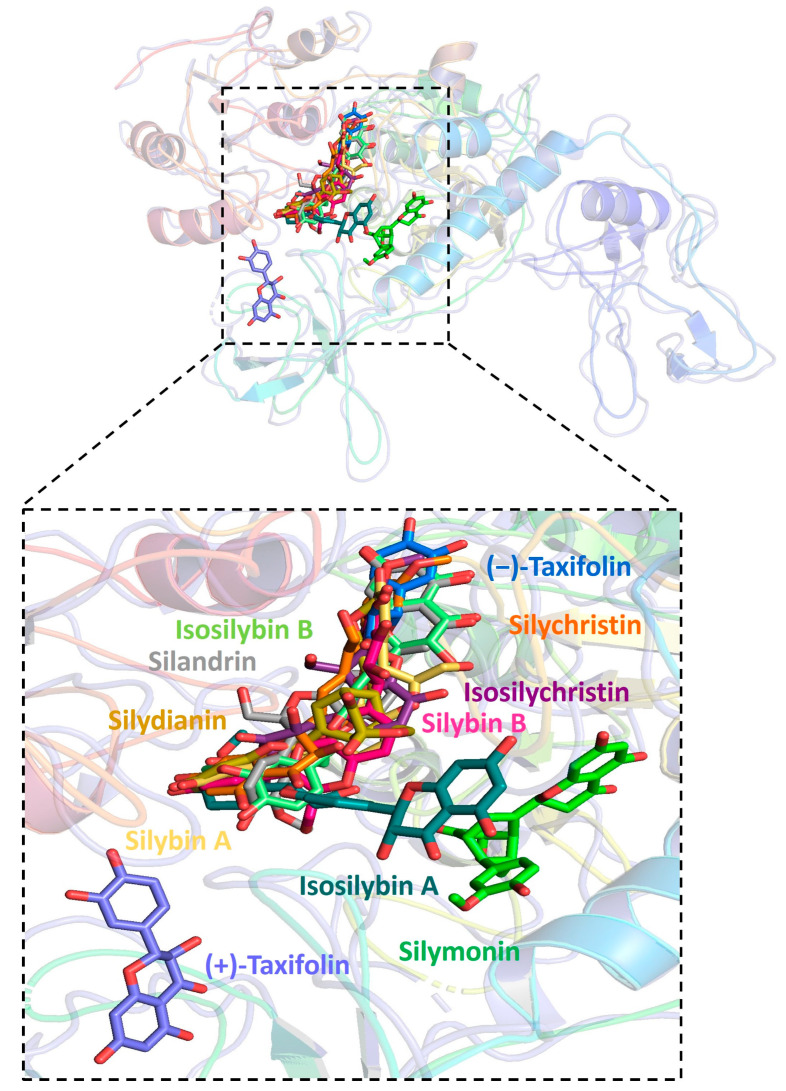
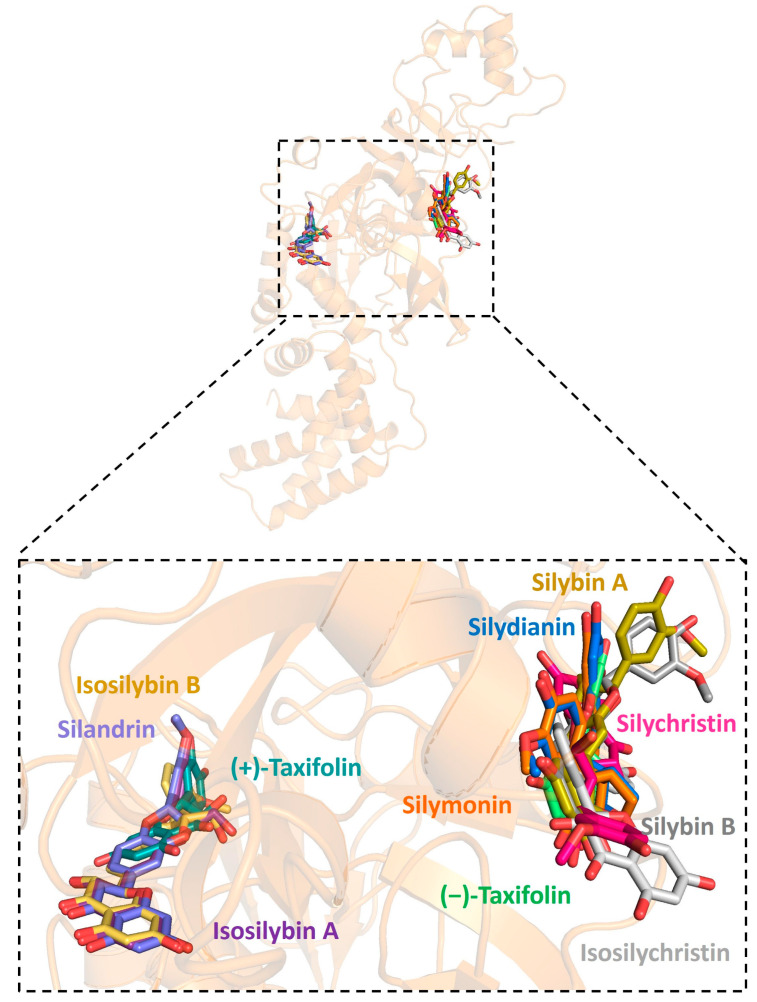
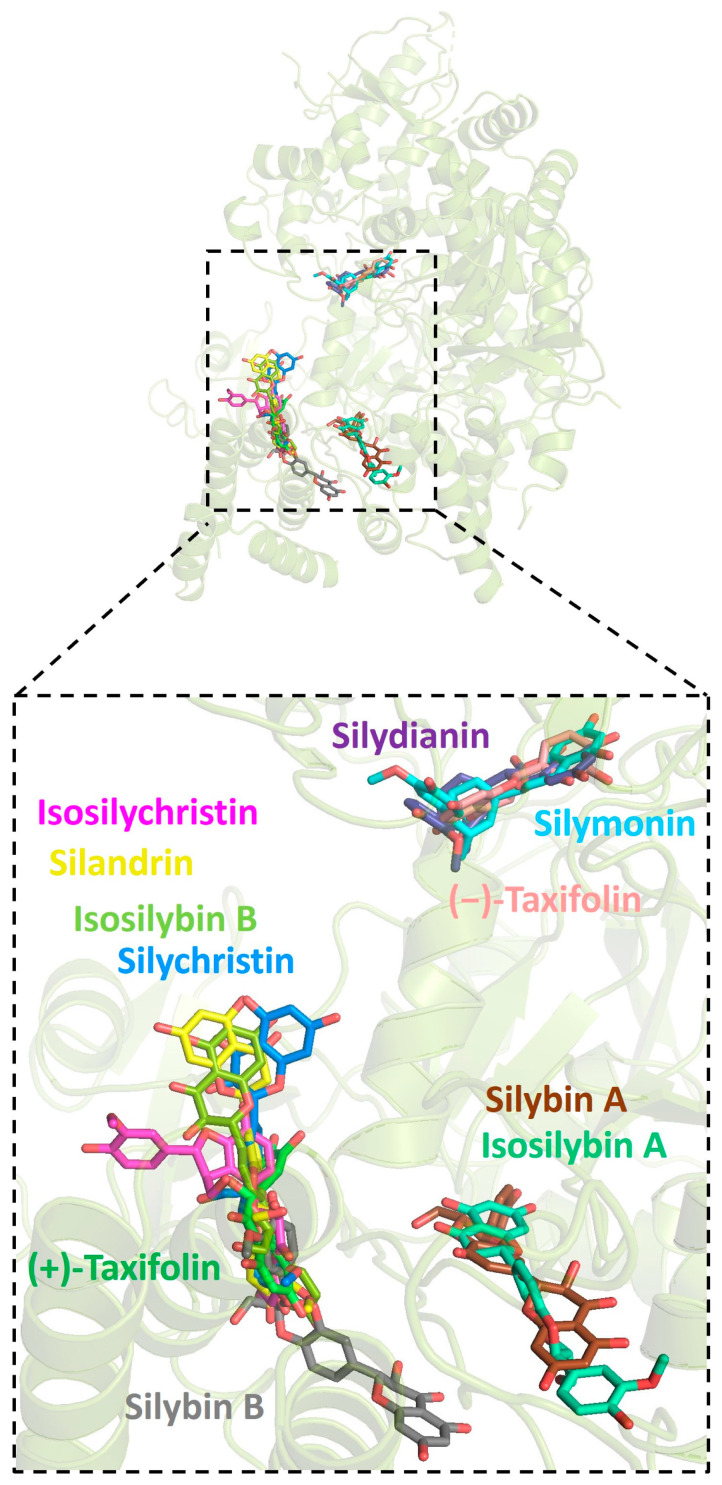
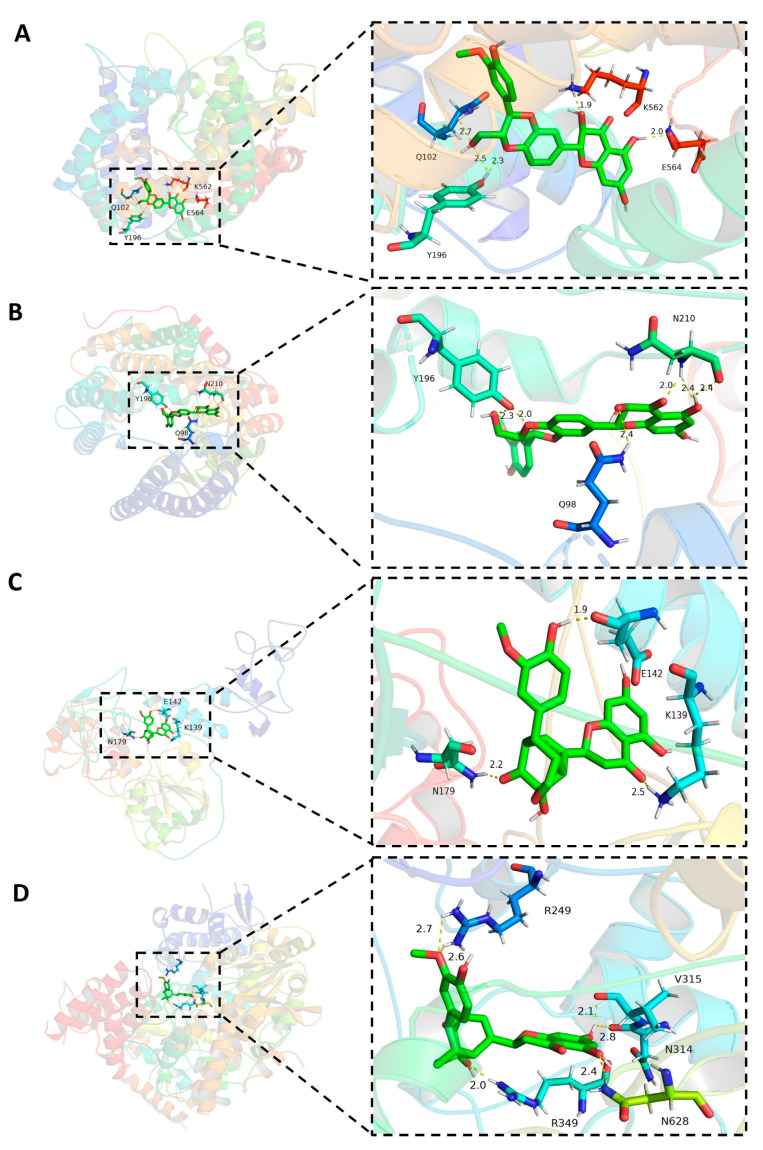
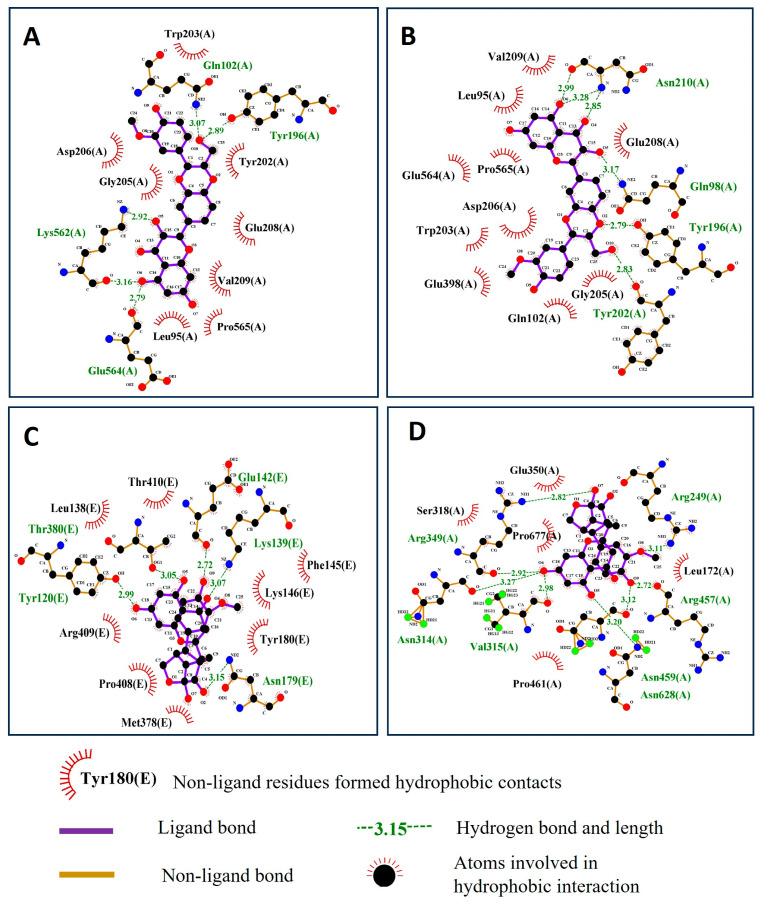
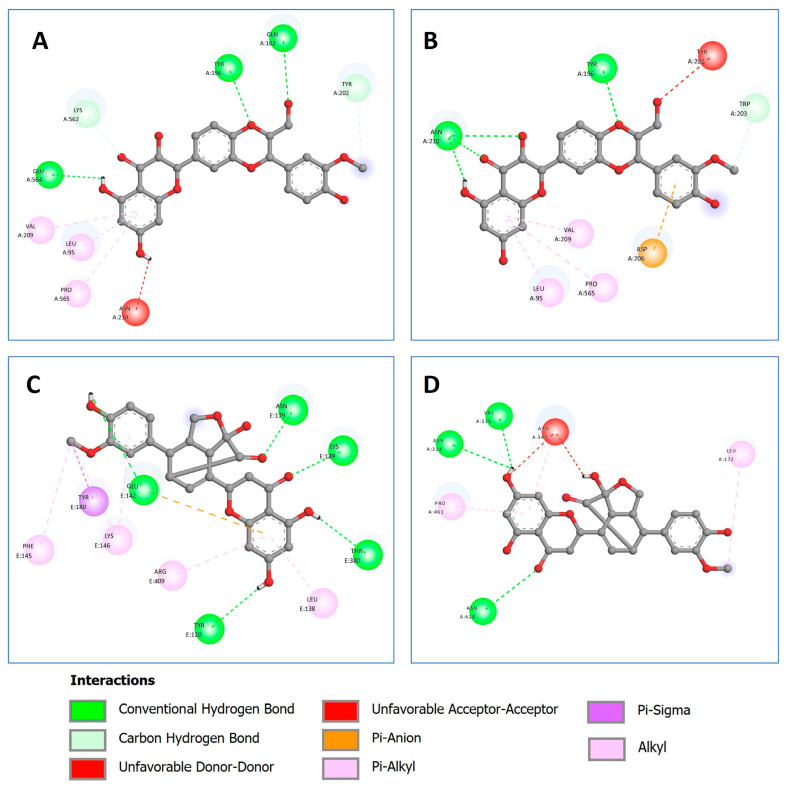
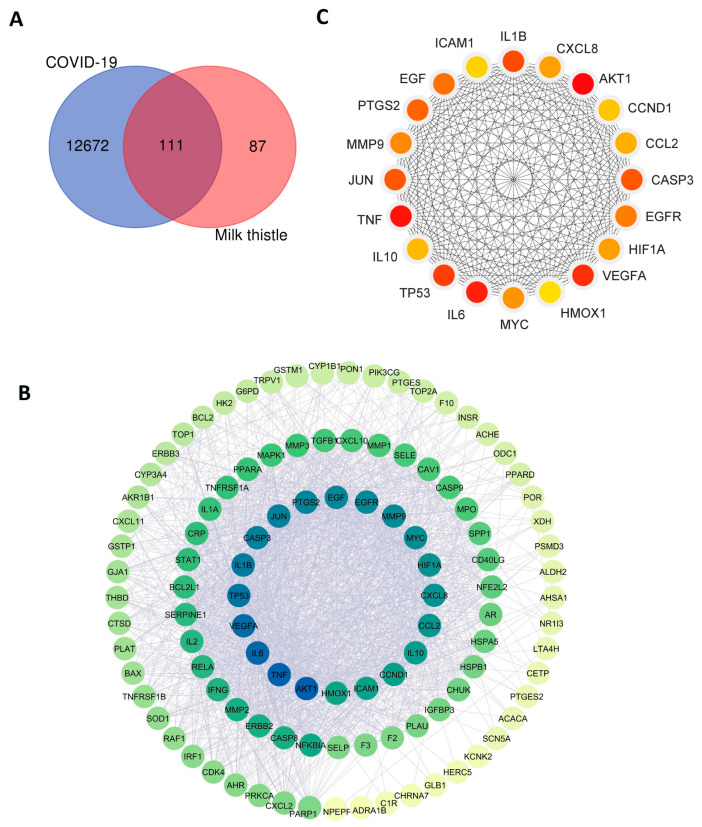
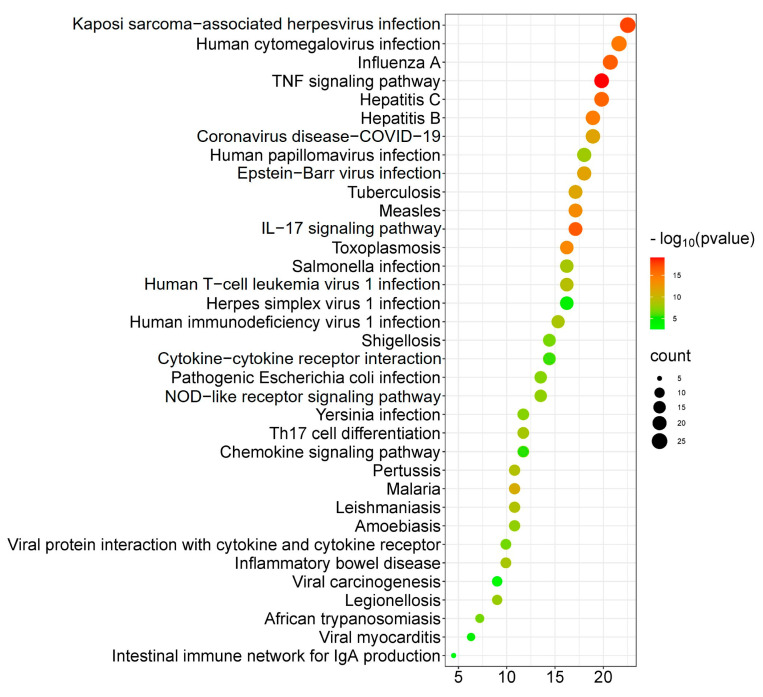
The severe acute respiratory syndrome-coronavirus-2 (SARS-CoV-2) infection drove the global coronavirus disease 2019 (COVID-19) pandemic, causing a huge loss of human life and a negative impact on economic development. It is an urgent necessity to explore potential drugs against viruses, such as SARS-CoV-2. Silymarin, a mixture of herb-derived polyphenolic flavonoids extracted from the milk thistle, possesses potent antioxidative, anti-apoptotic, and anti-inflammatory properties. Accumulating research studies have demonstrated the killing activity of silymarin against viruses, such as dengue virus, chikungunya virus, and hepatitis C virus. However, the anti-COVID-19 mechanisms of silymarin remain unclear. In this study, multiple disciplinary approaches and methodologies were applied to evaluate the potential mechanisms of silymarin as an anti-viral agent against SARS-CoV-2 infection. In silico approaches such as molecular docking, network pharmacology, and bioinformatic methods were incorporated to assess the ligand-protein binding properties and analyze the protein-protein interaction network. The DAVID database was used to analyze gene functions, such as the Kyoto Encyclopedia of Genes and Genomes (KEGG) pathway and Gene Ontology (GO) enrichment. TCMSP and GeneCards were used to identify drug target genes and COVID-19-related genes. Our results revealed that silymarin compounds, such as silybin A/B and silymonin, displayed triplicate functions against SARS-CoV-2 infection, including directly binding with human angiotensin-converting enzyme 2 (ACE2) to inhibit SARS-CoV-2 entry into the host cells, directly binding with viral proteins RdRp and helicase to inhibit viral replication and proliferation, and regulating host immune response to indirectly inhibit viral infection. Specifically, the targets of silymarin molecules in immune regulation were screened out, such as proinflammatory cytokines TNF and IL-6 and cell growth factors VEGFA and EGF. In addition, the molecular mechanism of drug-target protein interaction was investigated, including the binding pockets of drug molecules in human ACE2 and viral proteins, the formation of hydrogen bonds, hydrophobic interactions, and other drug-protein ligand interactions. Finally, the drug-likeness results of candidate molecules passed the criteria for drug screening. Overall, this study demonstrates the molecular mechanism of silymarin molecules against SARS-CoV-2 infection.
严重急性呼吸综合征冠状病毒2(SARS-CoV-2)感染引发了全球2019冠状病毒病(COVID-19)大流行,造成了巨大的人员生命损失,并对经济发展产生了负面影响。探索针对病毒(如SARS-CoV-2)的潜在药物迫在眉睫。水飞蓟素是从水飞蓟中提取的一种草本来源的多酚类黄酮混合物,具有强大的抗氧化、抗凋亡和抗炎特性。越来越多的研究表明水飞蓟素对登革热病毒、基孔肯雅病毒和丙型肝炎病毒等病毒具有杀伤活性。然而,水飞蓟素的抗COVID-19机制仍不清楚。在本研究中,应用了多种学科方法和手段来评估水飞蓟素作为抗SARS-CoV-2感染病毒剂的潜在机制。采用了诸如分子对接、网络药理学和生物信息学方法等计算机方法来评估配体-蛋白质结合特性,并分析蛋白质-蛋白质相互作用网络。利用DAVID数据库分析基因功能,如京都基因与基因组百科全书(KEGG)通路和基因本体论(GO)富集。使用中药系统药理学数据库与分析平台(TCMSP)和基因卡片(GeneCards)来识别药物靶基因和COVID-19相关基因。我们的结果表明,水飞蓟素化合物,如水飞蓟宾A/B和水飞蓟亭,对SARS-CoV-2感染具有三重作用,包括直接与人血管紧张素转换酶2(ACE2)结合以抑制SARS-CoV-2进入宿主细胞,直接与病毒蛋白RNA依赖性RNA聚合酶(RdRp)和解旋酶结合以抑制病毒复制和增殖,以及调节宿主免疫反应以间接抑制病毒感染。具体而言,筛选出了水飞蓟素分子在免疫调节中的靶标,如促炎细胞因子肿瘤坏死因子(TNF)和白细胞介素-6(IL-6)以及细胞生长因子血管内皮生长因子A(VEGFA)和表皮生长因子(EGF)。此外,还研究了药物-靶标蛋白相互作用的分子机制,包括药物分子在人ACE2和病毒蛋白中的结合口袋、氢键的形成、疏水相互作用以及其他药物-蛋白质配体相互作用。最后,候选分子的类药性结果通过了药物筛选标准。总体而言,本研究证明了水飞蓟素分子抗SARS-CoV-2感染的分子机制。