Department of Immunology, Hebei Medical University, Shijiazhuang, Hebei, China.
Key Laboratory of Immune Mechanism and Intervention on Serious Disease in Hebei Province, Shijiazhuang, Hebei, China.
mBio. 2023 Dec 19;14(6):e0148023. doi: 10.1128/mbio.01480-23. Epub 2023 Nov 1.
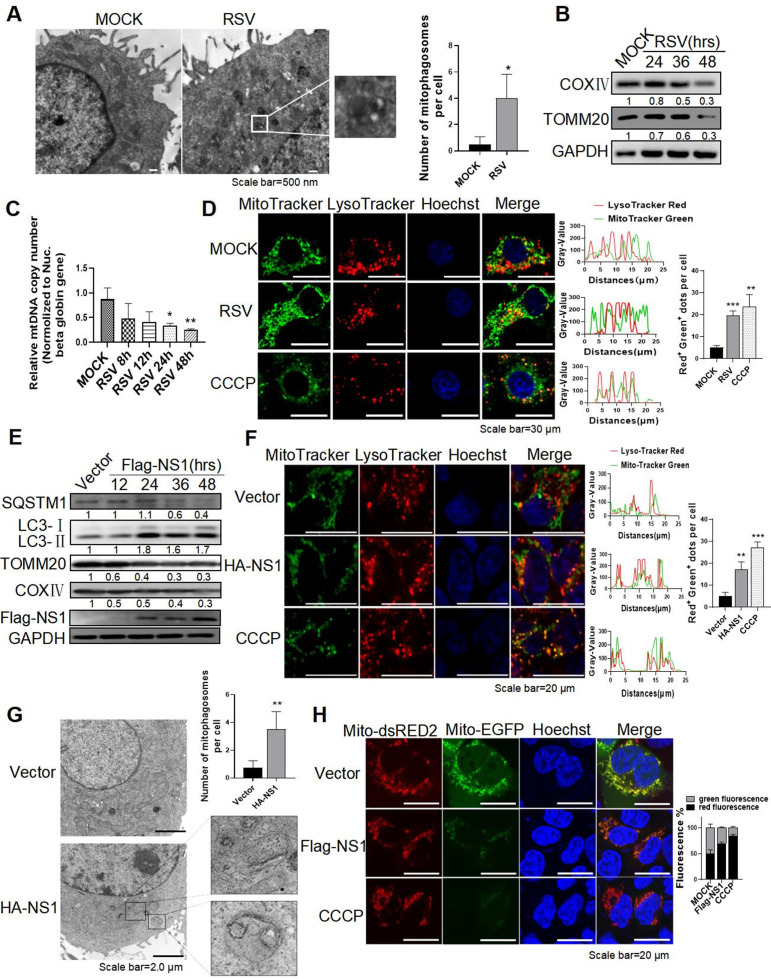
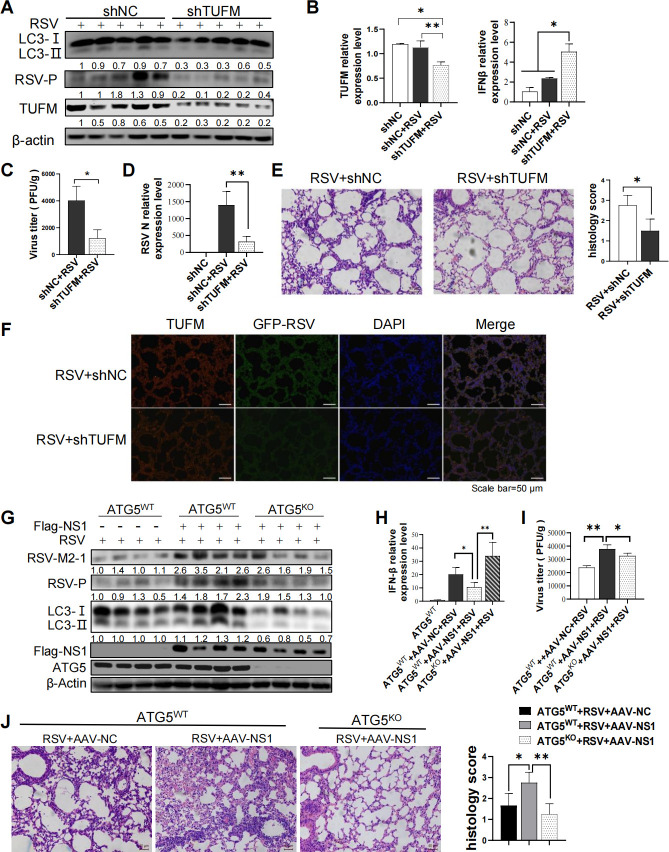
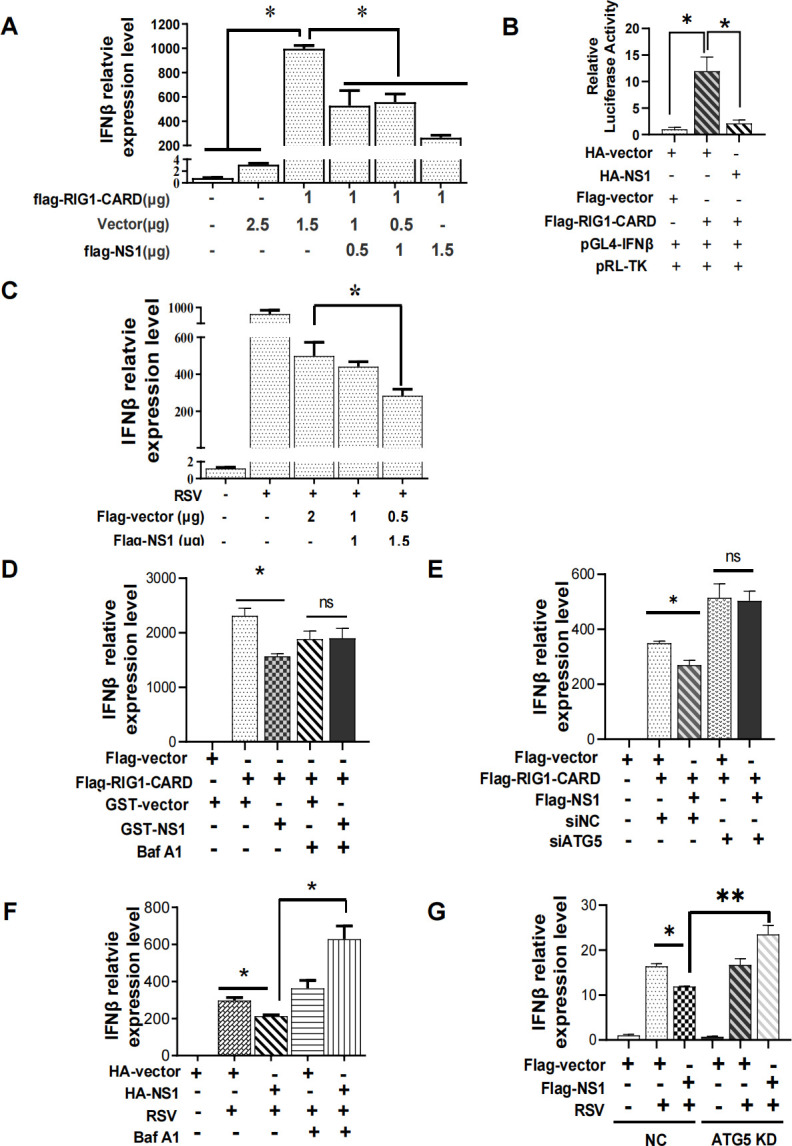
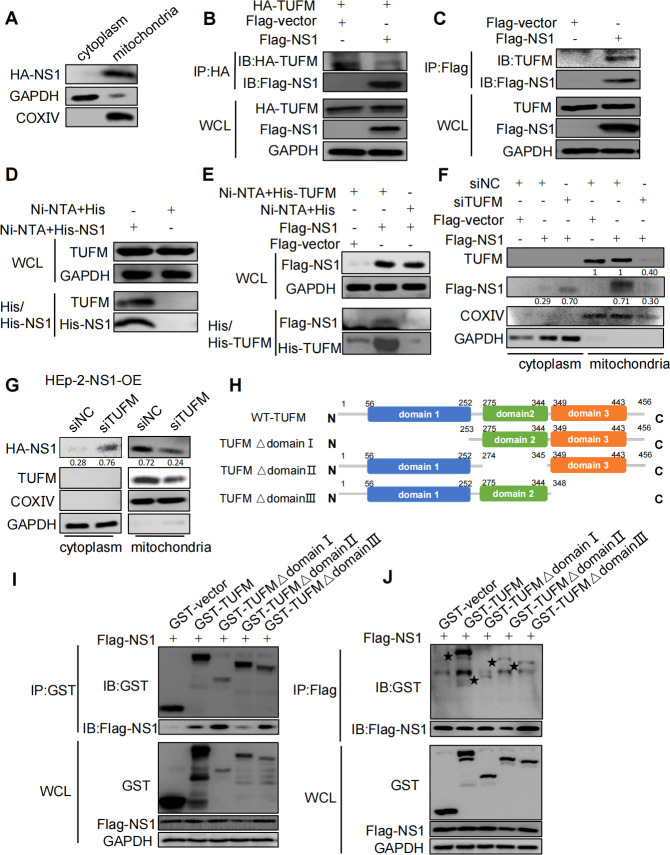
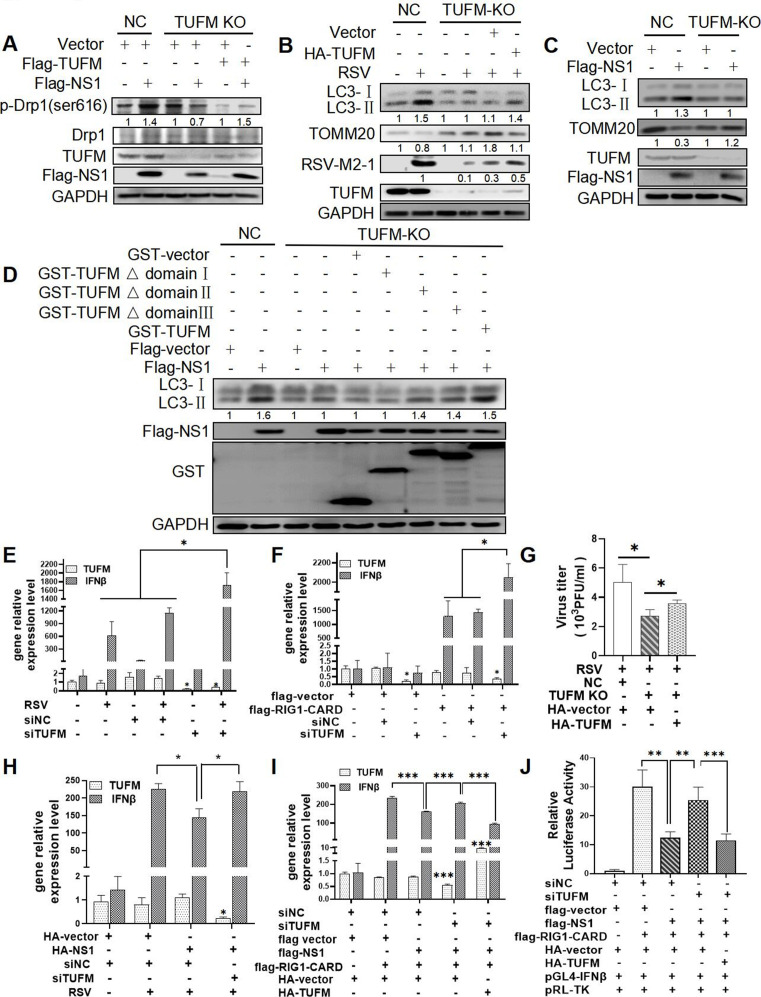
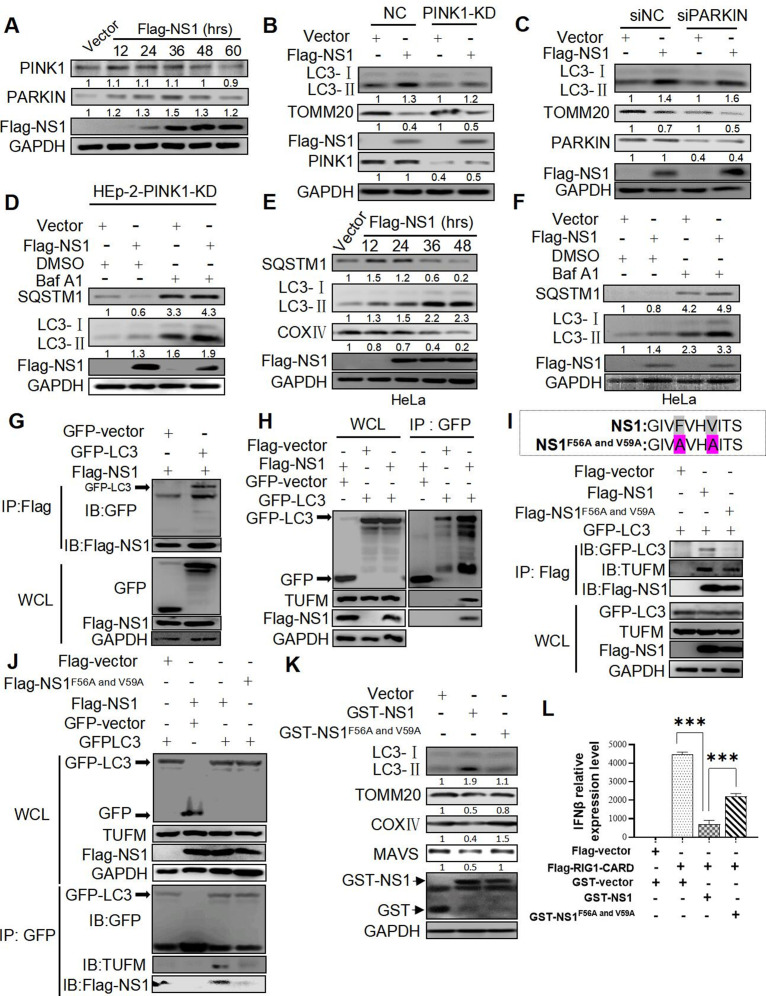
It is a worthy concern for us to understand virus-host interactions which affect progression and prognosis of disease. We demonstrated that the non-structural protein 1 of respiratory syncytial virus (RSV NS1) may act as a novel mitophagy receptor to induce mitophagy by binding LC3B and mitochondrial protein TUFM, and finally dampen interferon (IFN) responses induced by RIG1 and RSV infection. TUFM is beneficial for RSV replication and . It is new and interesting that RSV NS1 may function as a mitophagy receptor to interact with LC3B. The LIR motif of NS1 protein is essential for its interaction with LC3B. We further confirm that RSV NS1 inhibited IFNβ response and promoted RSV replication in autophagy-dependent mechanisms and . Our study contributes to understanding virus-host interaction, enriching our insights into RSV pathogenic mechanism and exploiting new antiviral treatments targeting TUFM.
了解影响疾病进展和预后的病毒-宿主相互作用是我们关注的焦点。我们证明,呼吸道合胞病毒(RSV)的非结构蛋白 1(RSV NS1)可以作为一种新型的线粒体自噬受体,通过与 LC3B 和线粒体蛋白 TUFM 结合来诱导线粒体自噬,从而抑制 RIG1 和 RSV 感染诱导的干扰素(IFN)反应。TUFM 有利于 RSV 的复制。有趣的是,RSV NS1 可能作为线粒体自噬受体与 LC3B 相互作用。NS1 蛋白的 LIR 基序对于其与 LC3B 的相互作用是必不可少的。我们进一步证实,RSV NS1 通过自噬依赖性机制抑制 IFNβ 反应并促进 RSV 复制。我们的研究有助于理解病毒-宿主相互作用,丰富我们对 RSV 发病机制的认识,并开发针对 TUFM 的新抗病毒治疗方法。