Yang Xinlu, Wang Wenbo
School of Science, Wuhan University of Science and Technology, Wuhan, 430000, China.
Sci Rep. 2023 Nov 1;13(1):18873. doi: 10.1038/s41598-023-45811-y.
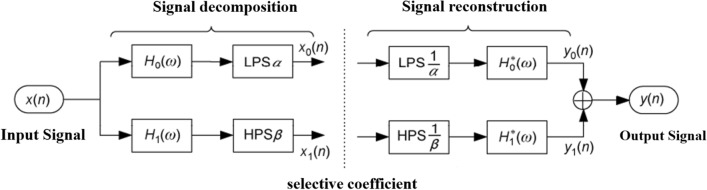
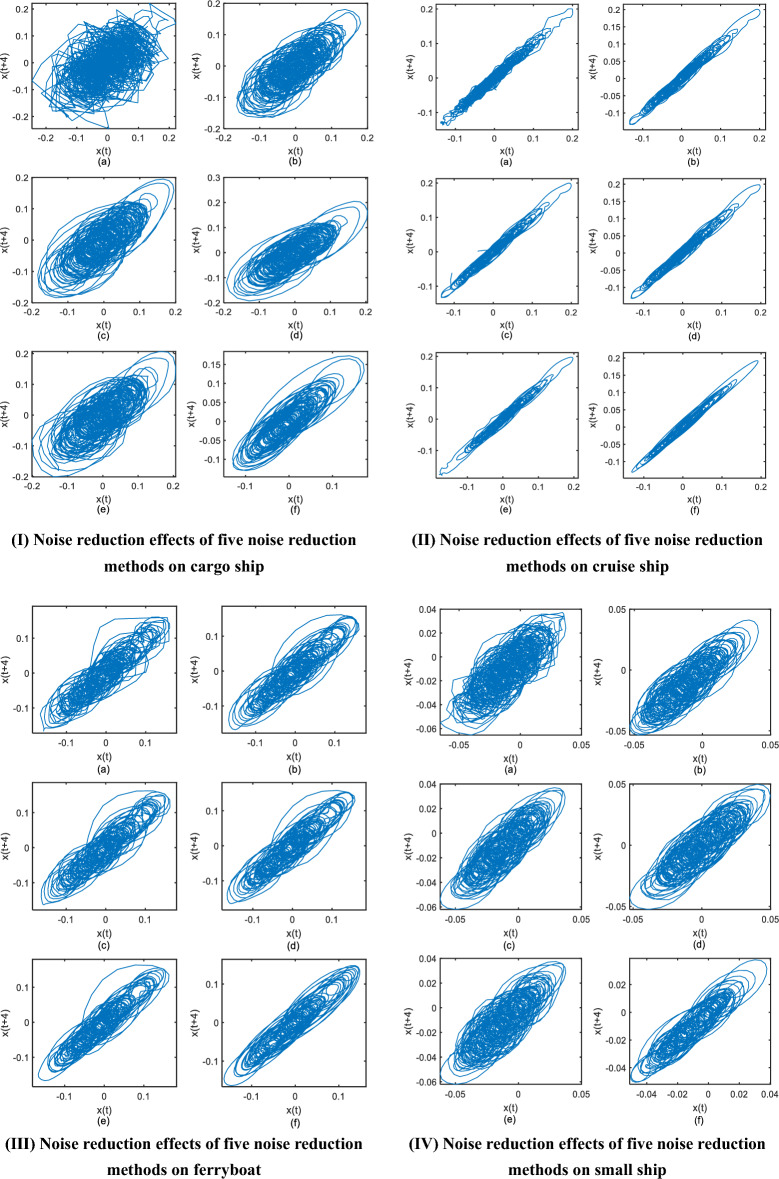
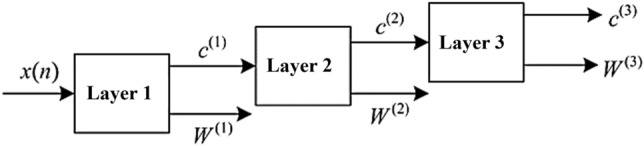
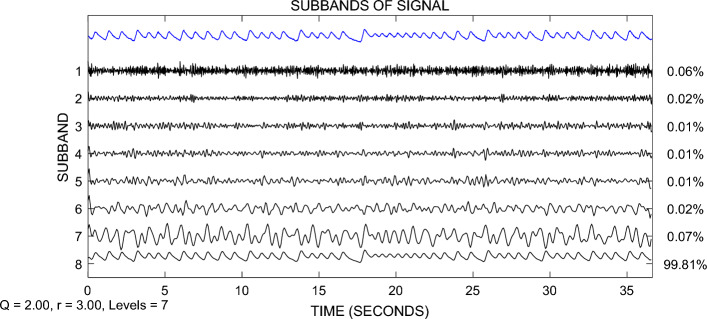
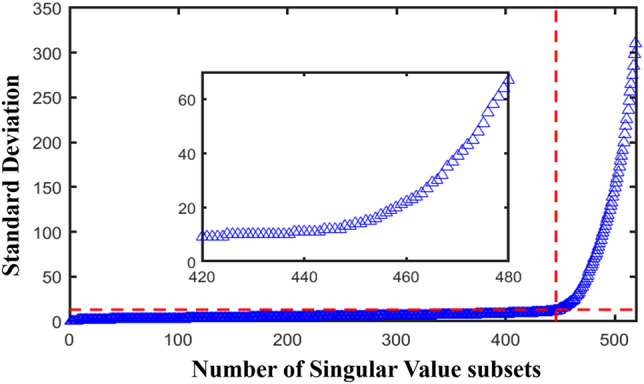
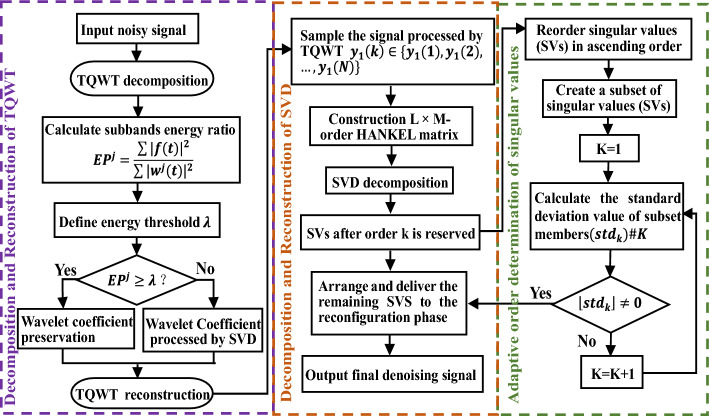
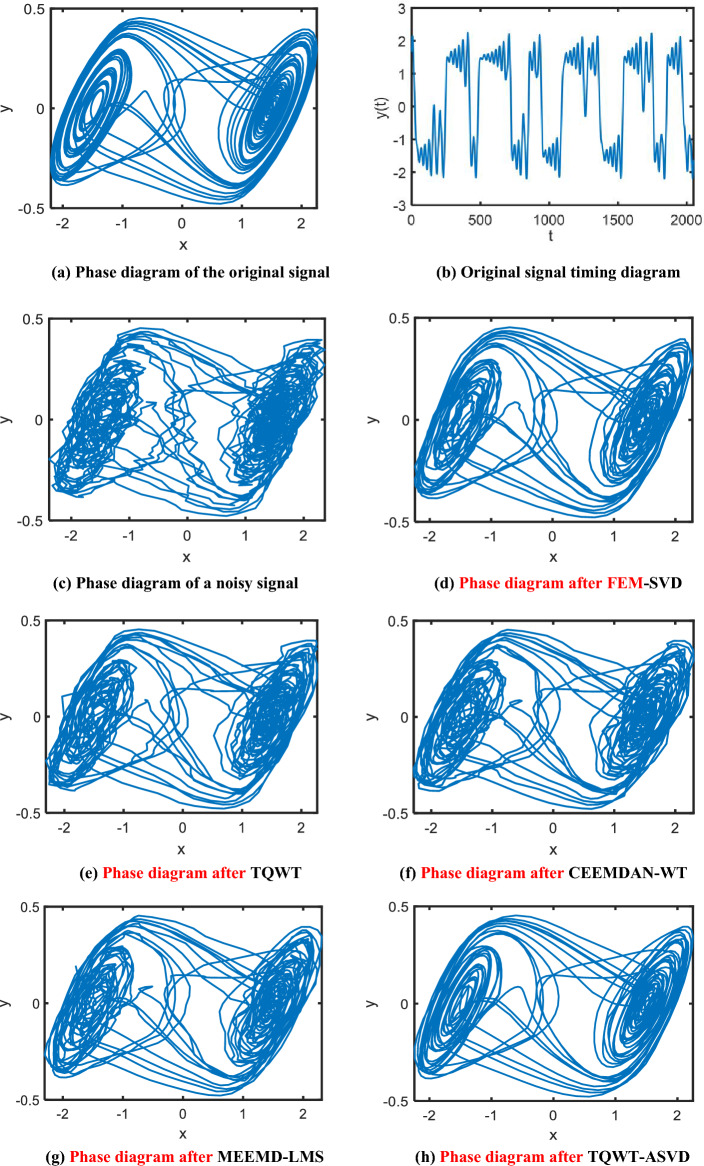
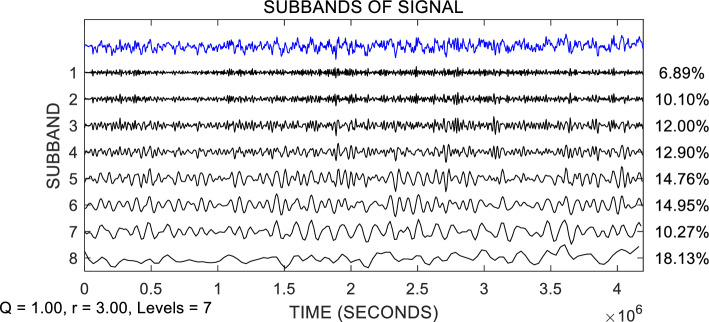
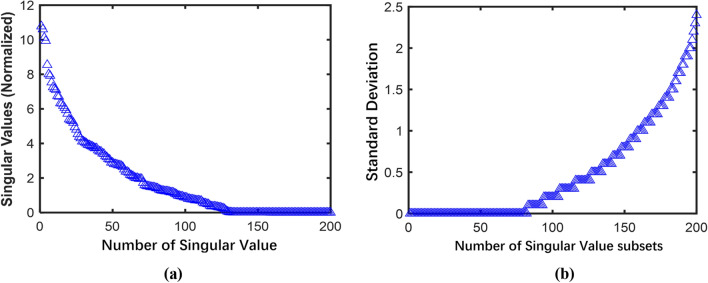
Aiming at the problem of denoising chaotic signals with low signal-to-noise ratio and unknown dynamic system parameters, a new chaotic signal denoising algorithm is proposed, which combines adjustable Q-factor wavelet transform (TQWT) and adaptive singular value decomposition (ASVD). This method uses TQWT to decompose the noisy chaotic signal. According to the maximum wavelet entropy theory and energy threshold rule, the subband of TQWT is accurately divided into signal subband and noise subband. For noise subbands, adaptive SVD is used to denoise them, to achieve preliminary denoising. In ASVD, the standard deviation of the singular value subset is used to determine the effective reconstruction order to improve the noise suppression effect. To further remove noise in the signal subband, TQWT reconstruction is performed on the preliminarily denoised signal, and ASVD is used to denoise the reconstructed signal again to obtain the chaotic signal after secondary denoising. Chua's simulated signal and four kinds of underwater radiated noise measured by TQWT-ASVD were denoised, and compared with the SVD denoising method, TQWT denoising method, complete ensemble empirical mode decomposition with adaptive noise and threshold denoising method (CEEMDAN-WT) and modified ensemble empirical mode decomposition combined with least squares denoising method (MEEMD-LMS), The experimental results show that the TQWT-ASVD method can reduce the noise of chaotic signals more effectively. Compared with SVD, TQWT, CEEMDAN-WT, MEEMD-LMS, and Chua's signal denoising method, the signal-to-noise ratio (SNR) of this method increased by 23.22%, 26.46%, 18.79%, 16.11% the root mean square error (RMSE) decreased by 32.53%,39.48%, 30.96%, 27.94%, and the row entropy (PE) decreased by 40.44%, 41.96%, 22.78%, 20.59%; After reducing the radiation noise of cargo ships, the PE value of this method is reduced by 13.91%, 10.18%, 10.88%, 8.68% respectively, and the FE value is reduced by 33.66%, 31.42%, 26.98%, 21.32% respectively.
针对低信噪比且动态系统参数未知的混沌信号去噪问题,提出了一种将可调Q因子小波变换(TQWT)与自适应奇异值分解(ASVD)相结合的新型混沌信号去噪算法。该方法利用TQWT对含噪混沌信号进行分解。依据最大小波熵理论和能量阈值规则,将TQWT的子带准确划分为信号子带和噪声子带。对于噪声子带,采用自适应奇异值分解进行去噪,实现初步去噪。在ASVD中,利用奇异值子集的标准差确定有效重构阶数,以提高噪声抑制效果。为进一步去除信号子带中的噪声,对初步去噪后的信号进行TQWT重构,并再次利用ASVD对重构信号去噪,得到二次去噪后的混沌信号。对蔡氏仿真信号以及通过TQWT - ASVD去噪的四种实测水下辐射噪声进行了去噪处理,并与奇异值分解去噪方法、TQWT去噪方法、自适应噪声完备总体经验模态分解与阈值去噪方法(CEEMDAN - WT)以及改进总体经验模态分解结合最小二乘去噪方法(MEEMD - LMS)进行比较,实验结果表明,TQWT - ASVD方法能更有效地降低混沌信号的噪声。与奇异值分解、TQWT、CEEMDAN - WT、MEEMD - LMS以及蔡氏信号去噪方法相比,该方法的信噪比(SNR)分别提高了23.22%、26.46%、18.79%、16.11%,均方根误差(RMSE)分别降低了32.53%、39.48%、30.96%、27.94%,排列熵(PE)分别降低了40.44%、41.96%、22.78%、20.59%;在降低货船辐射噪声后,该方法的PE值分别降低了13.91%、10.18%、10.88%、8.68%,有限熵(FE)值分别降低了33.66%、31.42%、26.98%、21.32%。