Smart Materials and Biomechanics Laboratory, Department of Mechanical Engineering, University of Colorado Denver, Denver, Colorado, United States of America.
Advanced Foot and Ankle Surgeons Incorporated, Yorkville, Illinois, United States of America.
PLoS One. 2023 Nov 16;18(11):e0288049. doi: 10.1371/journal.pone.0288049. eCollection 2023.
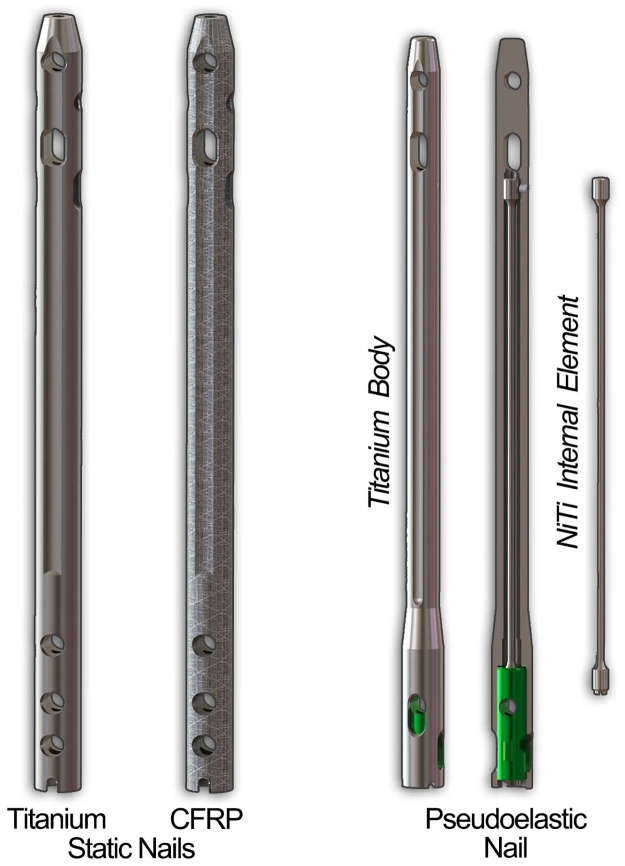
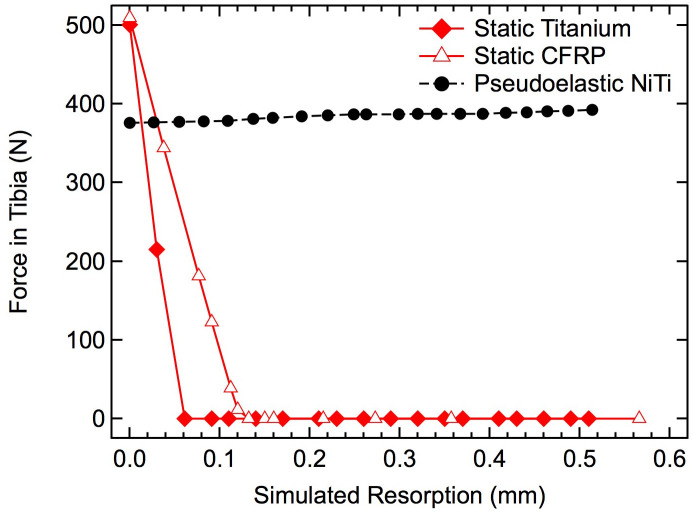
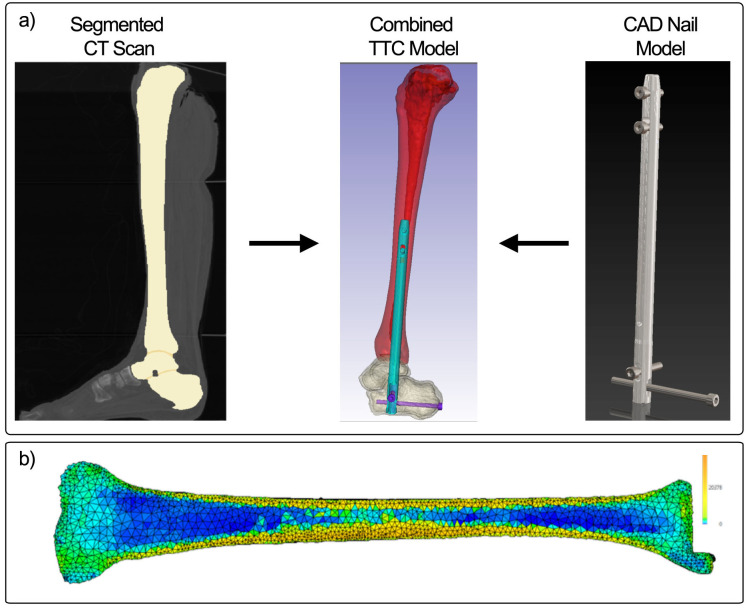
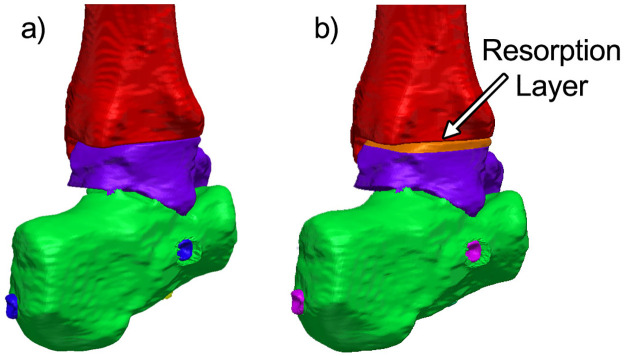
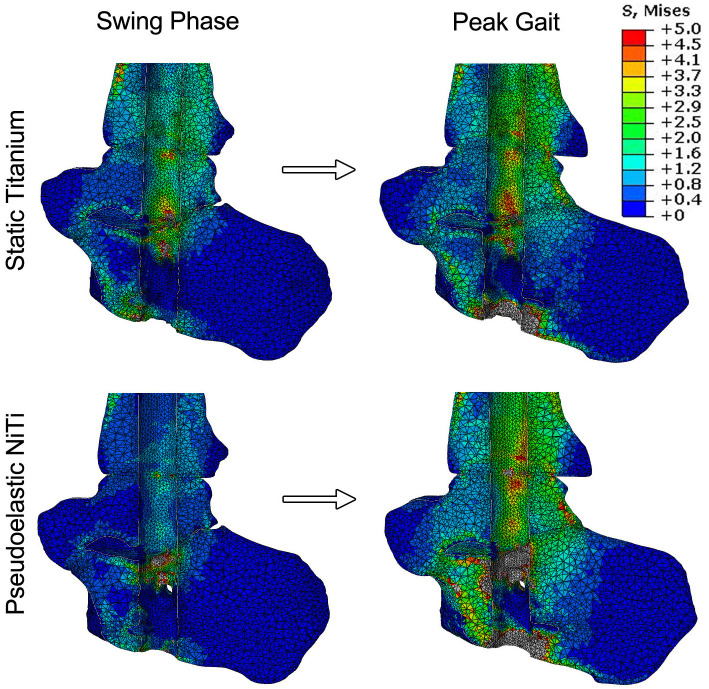
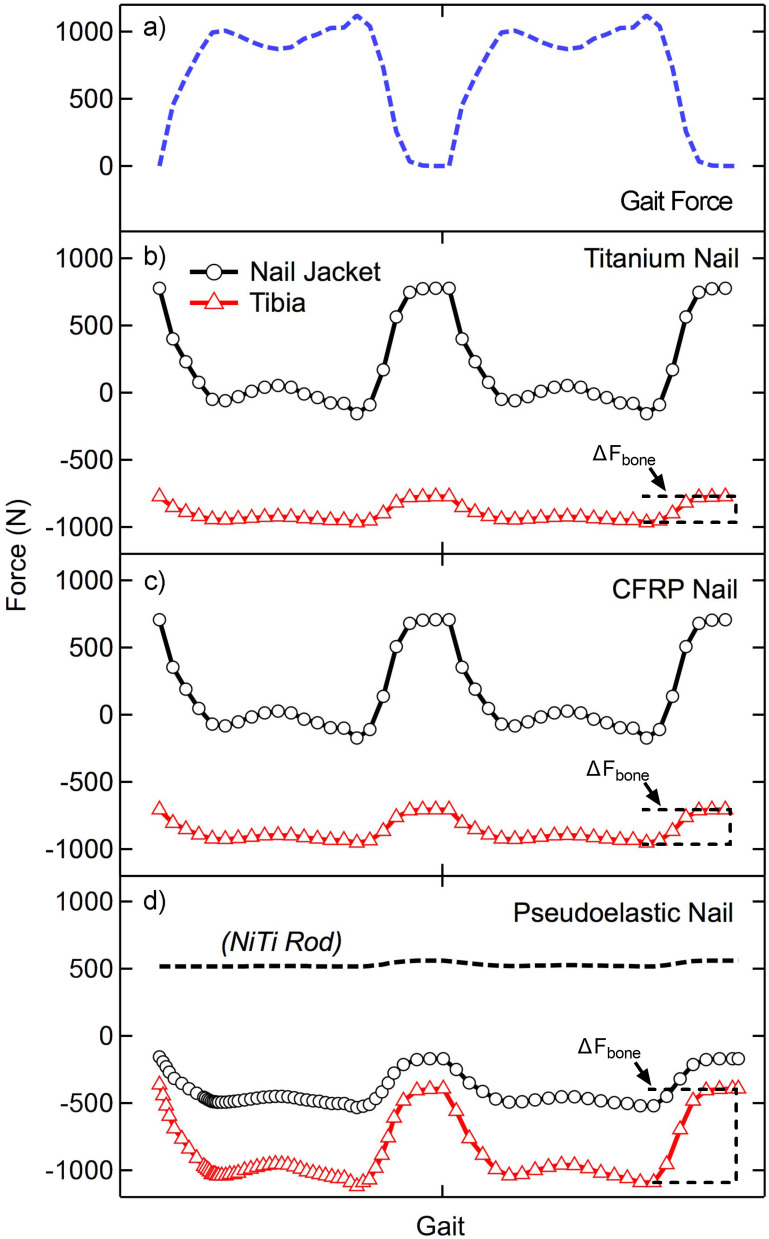
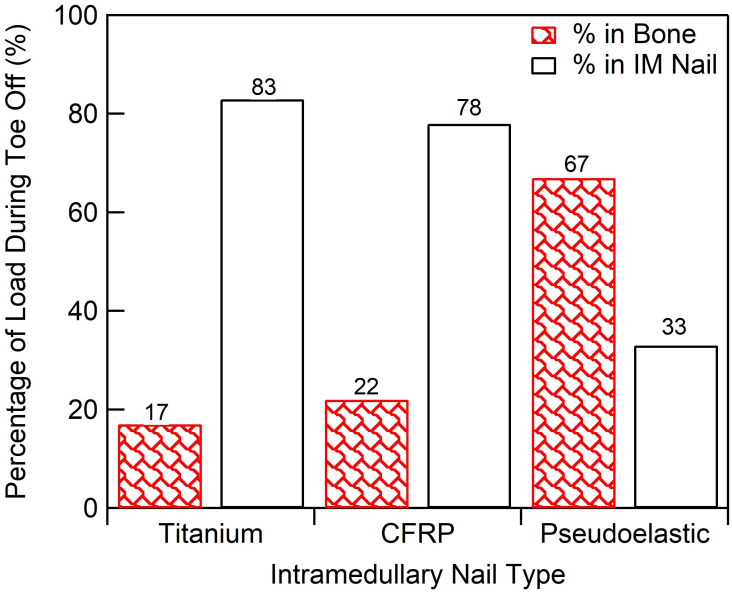
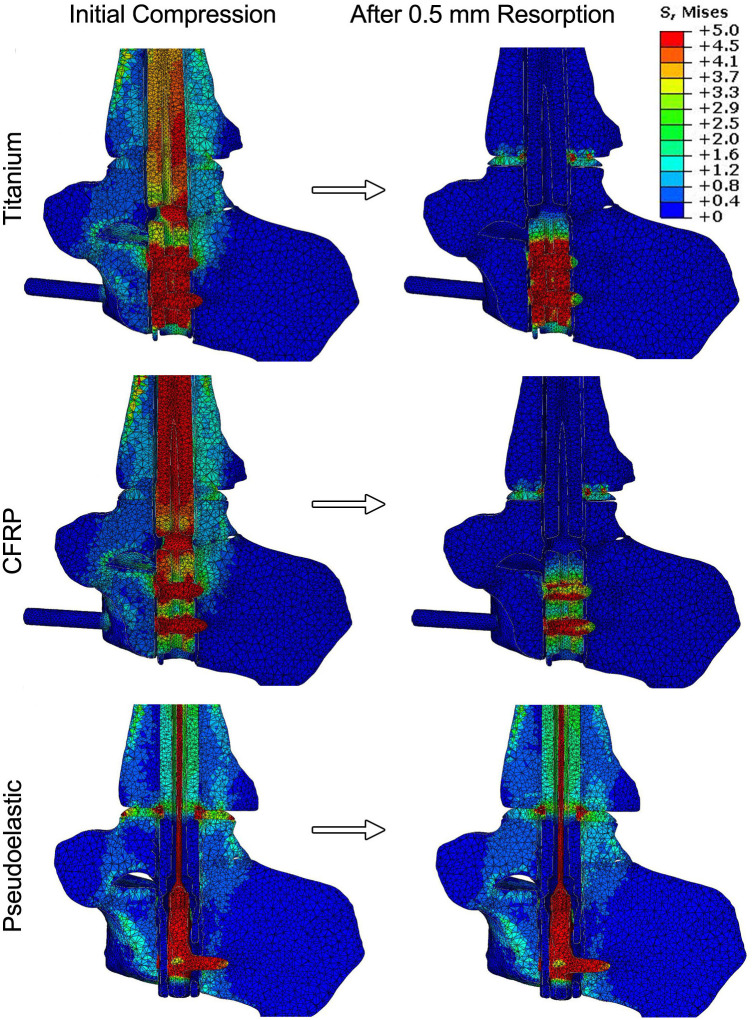
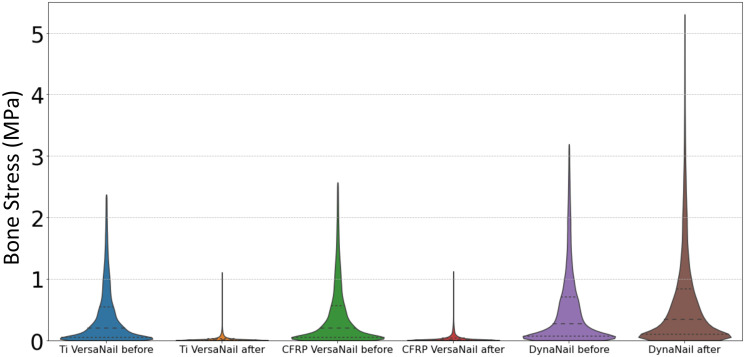
Tibiotalocalcaneal (TTC) arthrodesis is a procedure to treat severe ankle and subtalar arthropathy by providing pain free and stable fusion using IM nails. These nails can be manufactured with multiple materials and some feature the ability to dynamize the arthrodesis construct. However, the impact of IM nail material and nail dynamization on load-sharing and in the setting of bone resorption have not been quantified. This work utilized a patient-specific finite element analysis model of TTC arthrodesis to investigate IM nails with differing material moduli and the impact of nail dynamization on load-sharing and intersegmental compression in the setting of bone resorption. Each nail was virtually inserted into a patient-specific model of a hindfoot, which was segmented into the three bones of the TTC complex and assigned material properties based on the densitometry of the bone. Compression, amount of load-sharing, and stress distributions after simulated bone resorption were quantified and compared between the varying IM nails. Simulations revealed that bone segments were only subjected to 17% and 22% of dynamic gait forces in the titanium and carbon fiber nail constructs, whereas the pseudoelastic NiTi nail constructs allowed for 67% of the same. The titanium and carbon fiber nails lost all initial compression in less than 0.13mm of bone resorption, whereas the NiTi nail maintained compression through all simulated values of bone resorption. These data highlight the poor load-sharing of static nail TTC arthrodesis constructs and the ability of a pseudoelastic IM nail construct to maintain intersegmental compression when challenged with bone resorption.
经皮胫距跟(TTC)关节融合术是一种通过使用 IM 钉提供无痛和稳定的融合来治疗严重踝关节和距下关节炎的方法。这些钉子可以由多种材料制成,有些具有使关节融合动态化的功能。然而,IM 钉材料和钉动态化对分担负荷以及在骨质吸收情况下的影响尚未量化。这项工作利用 TTC 关节融合术的患者特定有限元分析模型,研究了具有不同材料模量的 IM 钉以及在骨质吸收情况下钉动态化对分担负荷和节段间压缩的影响。每个钉都被虚拟地插入到患者特定的后足模型中,该模型被分割成 TTC 复合体的三个骨头,并根据骨密度计分配骨头的材料特性。在模拟骨质吸收后,对压缩量、分担负荷的量和应力分布进行量化,并比较了不同 IM 钉之间的差异。模拟结果显示,在钛和碳纤维钉结构中,骨段仅承受动态步态力的 17%和 22%,而伪弹性 NiTi 钉结构允许承受相同的 67%。钛和碳纤维钉在不到 0.13mm 的骨质吸收下就失去了所有初始压缩,而 NiTi 钉则在所有模拟的骨质吸收值下都保持了压缩。这些数据突出了静态钉 TTC 关节融合术结构分担负荷不良的问题,以及伪弹性 IM 钉结构在骨质吸收时保持节段间压缩的能力。