Department of Cardiovascular Surgery, Faculty of Medicine, Fukuoka University, Fukuoka, Japan.
Department of Regenerative Medicine and Transplantation, Faculty of Medicine, Fukuoka University, 7-45-1 Nanakuma, Jonan-ku, Fukuoka, 814-0180, Japan.
Sci Rep. 2023 Nov 16;13(1):20029. doi: 10.1038/s41598-023-47485-y.
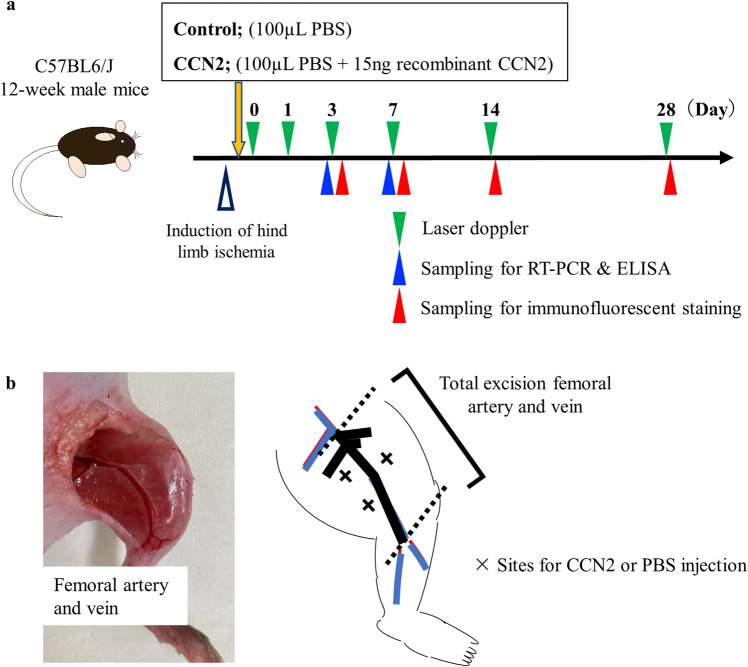
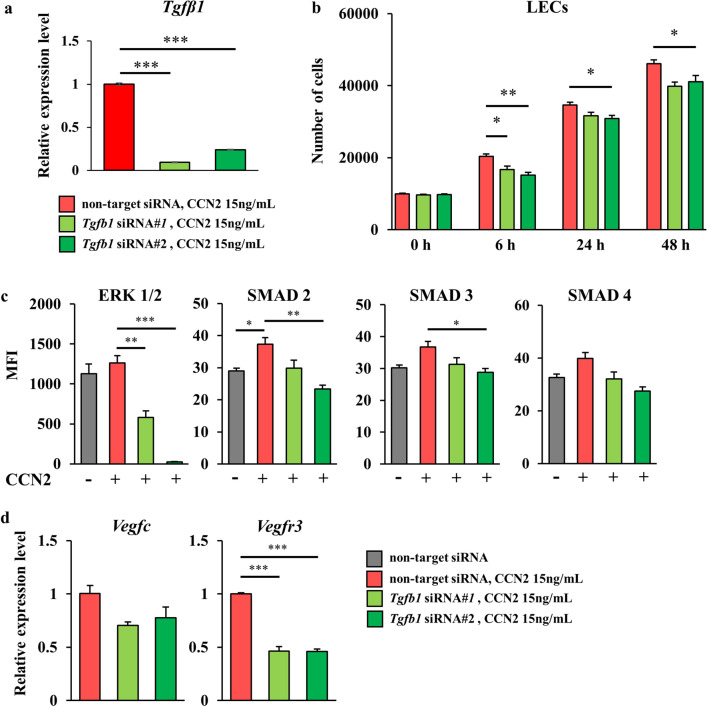
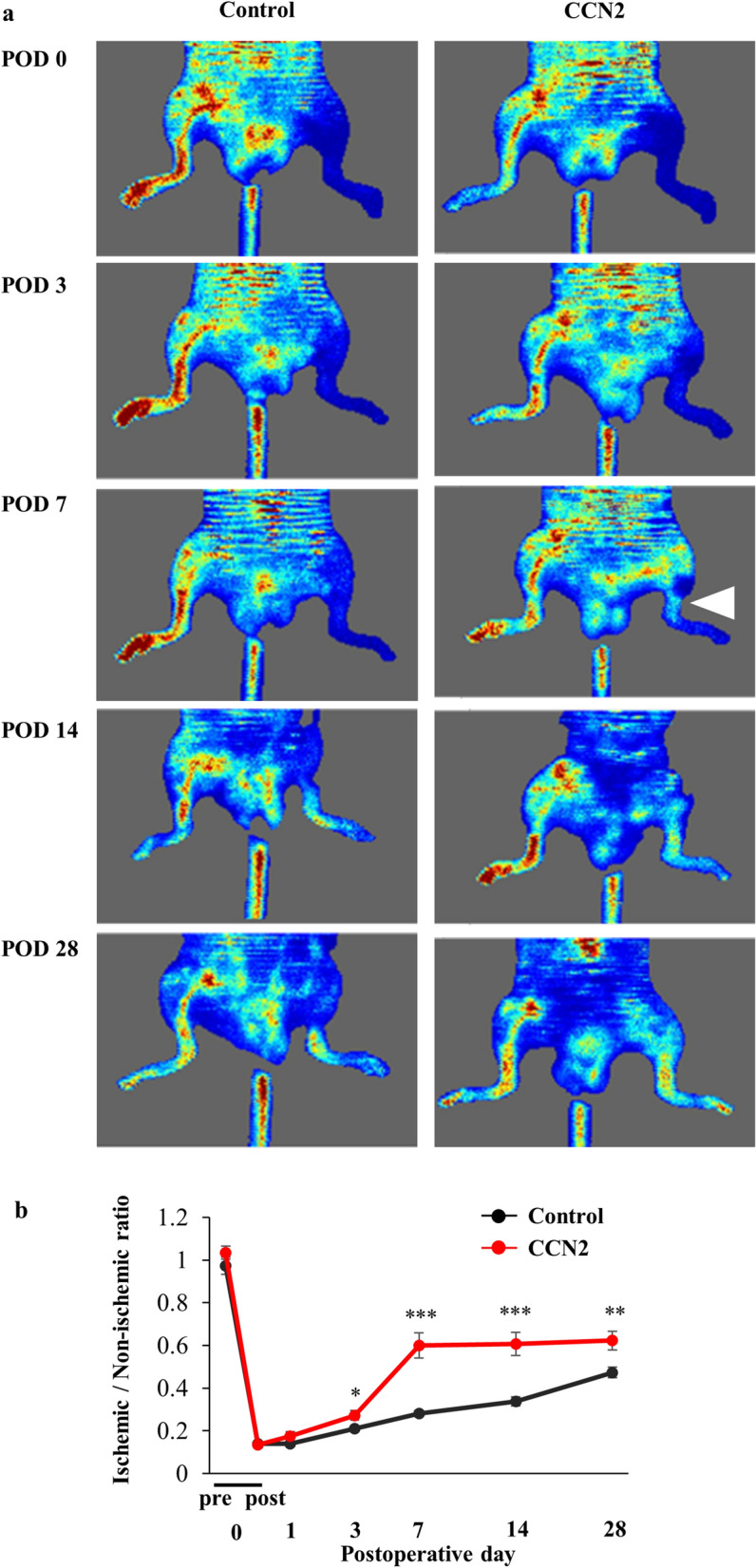
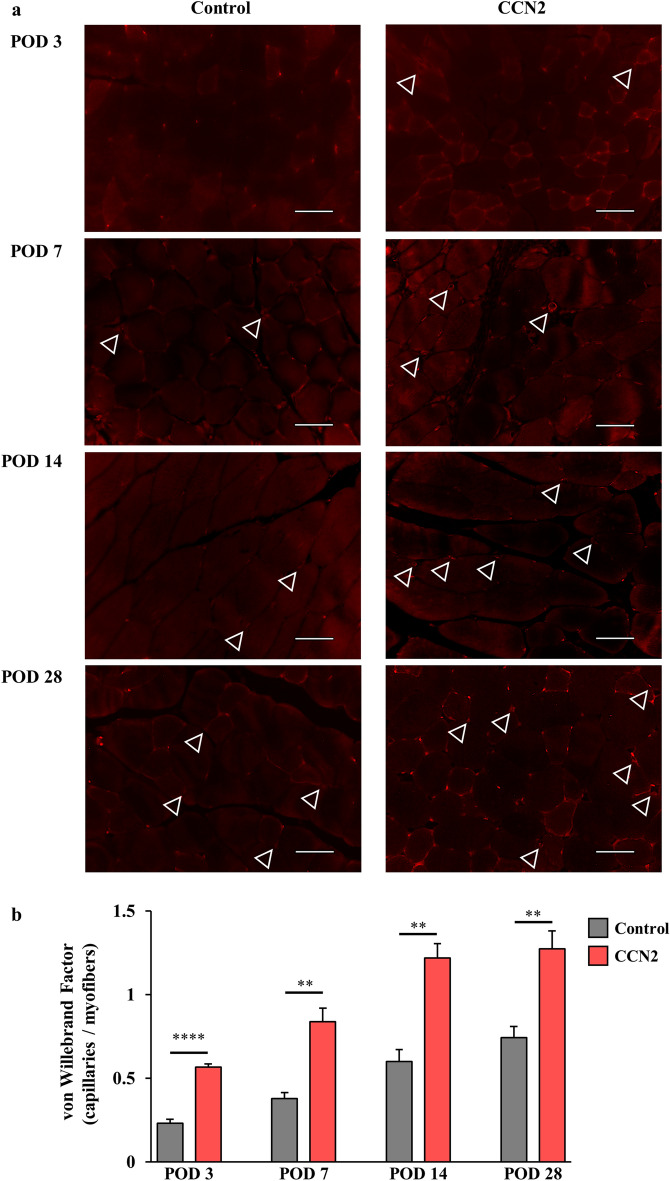
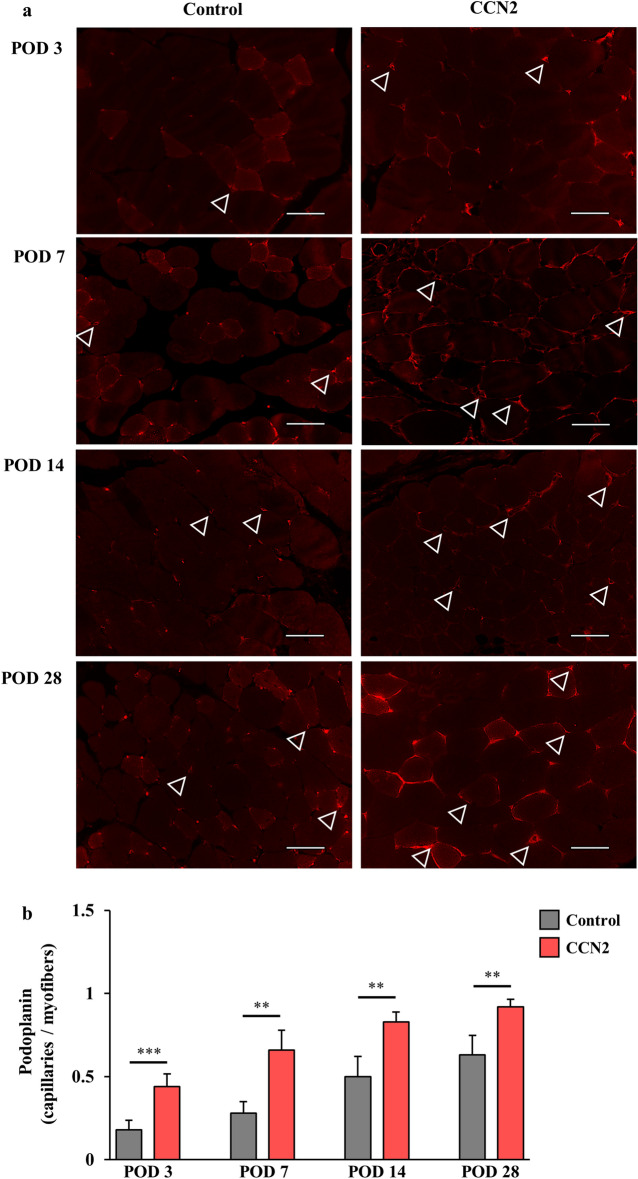
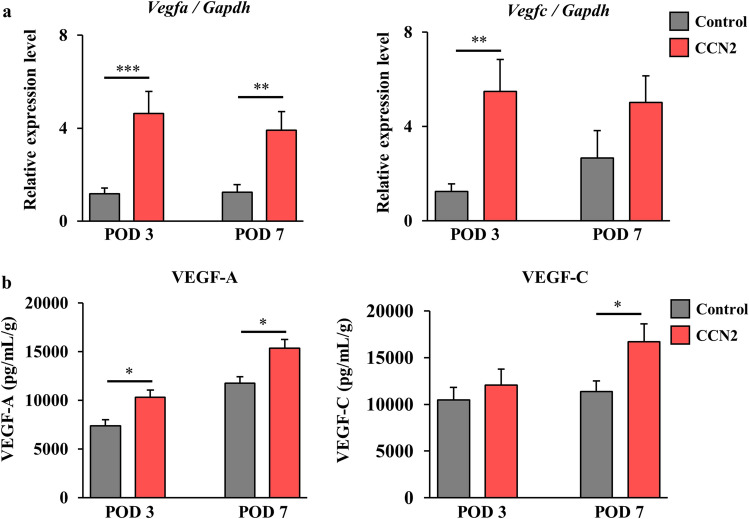
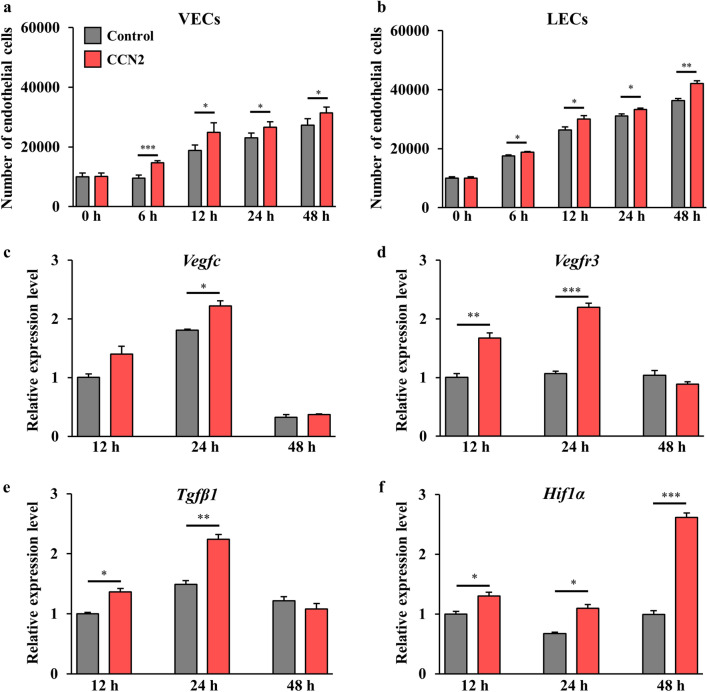
Critical limb ischemia (CLI) is caused by severe arterial blockage with reduction of blood flow. The aim of this study was to determine whether therapeutic angiogenesis using cellular communication network factor 2 (CCN2) would be useful for treating CLI in an animal model. Recombinant CCN2 was administered intramuscularly to male C57BL/6J mice with hind limb ischemia. The therapeutic effect was evaluated by monitoring blood flow in the ischemic hind limb. In an in vivo assay, CCN2 restored blood flow in the ischemic hind limb by promoting both angiogenesis and lymphangiogenesis. VEGF-A and VEGF-C expression levels increased in the ischemic limb after treatment with CCN2. In an in vitro assay, CCN2 promoted proliferation of vascular and lymphatic endothelial cells, and it upregulated expression of Tgfb1 followed by expression of Vegfc and Vegfr3 in lymphatic endothelial cells under hypoxia. Suppression of Tgfb1 did not affect the activity of CCN2, activation of the TGF-β/SMAD signaling pathway, or expression of Vegfr3 in lymphatic endothelial cells. In summary, treatment using recombinant CCN2 could be a promising therapeutic strategy for CLI.
严重的动脉阻塞导致血流量减少会引起肢体严重缺血(CLI)。本研究旨在确定细胞通讯网络因子 2(CCN2)的治疗性血管生成是否可用于治疗动物模型中的 CLI。将重组 CCN2 肌肉内给药于患有后肢缺血的雄性 C57BL/6J 小鼠。通过监测缺血后肢的血流来评估治疗效果。在体内试验中,CCN2 通过促进血管生成和淋巴管生成来恢复缺血后肢的血流。CCN2 处理后,缺血肢体中的 VEGF-A 和 VEGF-C 表达水平增加。在体外试验中,CCN2 促进了血管和淋巴管内皮细胞的增殖,并且在缺氧条件下,CCN2 上调了 Tgfb1 的表达,随后上调了淋巴管内皮细胞中 Vegfc 和 Vegfr3 的表达。抑制 Tgfb1 不影响 CCN2 的活性、TGF-β/SMAD 信号通路的激活或淋巴管内皮细胞中 Vegfr3 的表达。总之,使用重组 CCN2 进行治疗可能是 CLI 的一种有前途的治疗策略。