Warmington Emily, Smith Gabrielle, Chortis Vasileios, Liang Raimunde, Lippert Juliane, Steinhauer Sonja, Landwehr Laura-Sophie, Hantel Constanze, Kiseljak-Vassiliades Katja, Wierman Margaret E, Altieri Barbara, Foster Paul A, Ronchi Cristina L
Institute of Metabolism and System Research, University of Birmingham, Birmingham, UK.
Division of Endocrinology and Diabetes, University Hospital of Wuerzburg, Wuerzburg, Germany.
Endocr Connect. 2023 Dec 14;13(1). doi: 10.1530/EC-23-0403. Print 2024 Jan 1.
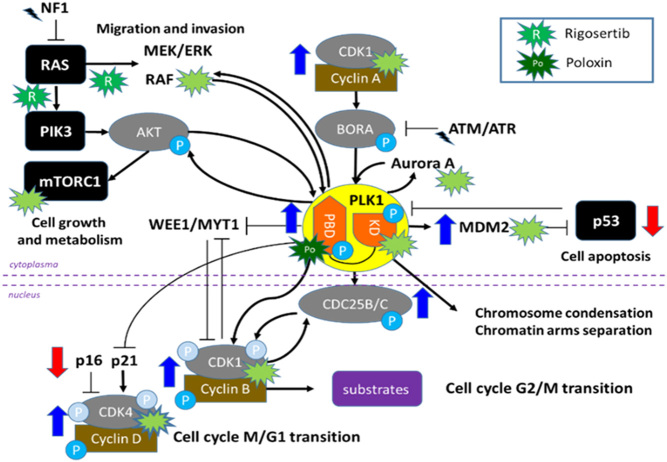
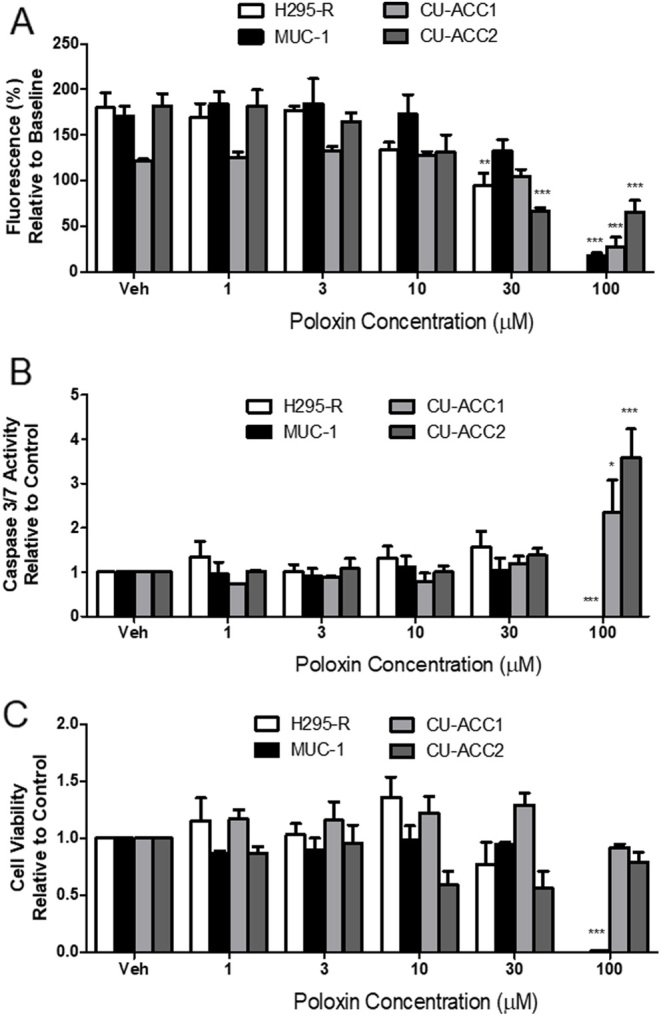
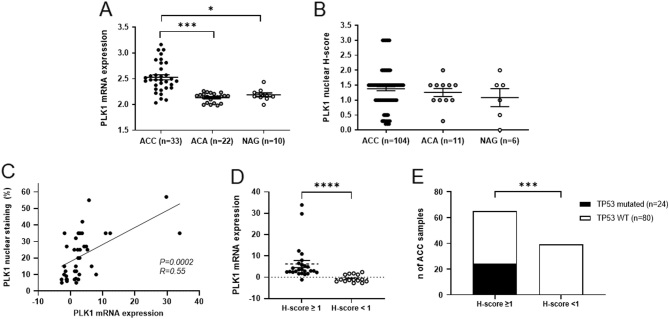
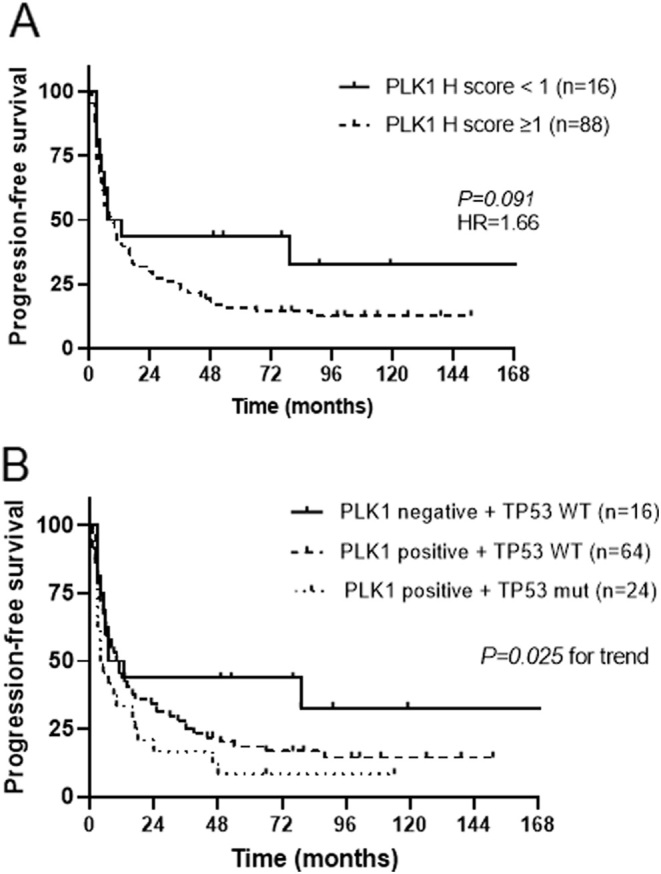
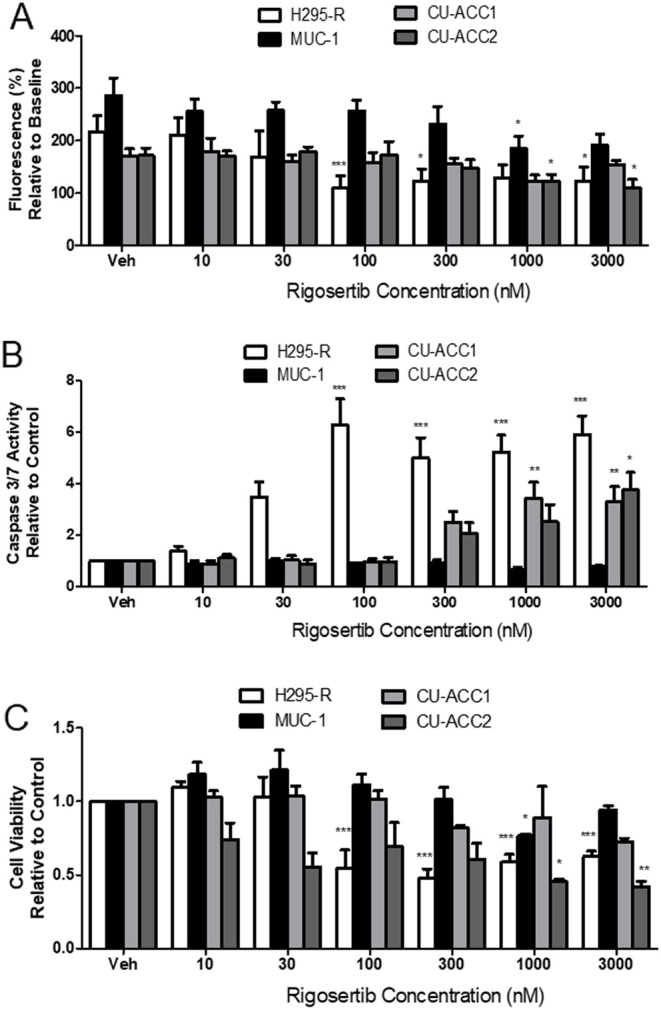
Adrenocortical carcinoma (ACC) is an aggressive malignancy with limited treatment options. Polo-like kinase 1 (PLK1) is a promising drug target; PLK1 inhibitors (PLK1i) have been investigated in solid cancers and are more effective in TP53-mutated cases. We evaluated PLK1 expression in ACC samples and the efficacy of two PLK1i in ACC cell lines with different genetic backgrounds. PLK1 protein expression was investigated by immunohistochemistry in tissue samples and correlated with clinical data. The efficacy of rigosertib (RGS), targeting RAS/PI3K, CDKs and PLKs, and poloxin (Pol), specifically targeting the PLK1 polo-box domain, was tested in TP53-mutated NCI-H295R, MUC-1, and CU-ACC2 cells and in TP53 wild-type CU-ACC1. Effects on proliferation, apoptosis, and viability were determined. PLK1 immunostaining was stronger in TP53-mutated ACC samples vs wild-type (P = 0.0017). High PLK1 expression together with TP53 mutations correlated with shorter progression-free survival (P= 0.041). NCI-H295R showed a time- and dose-dependent reduction in proliferation with both PLK1i (P< 0.05at 100 nM RGS and 30 µM Pol). In MUC-1, a less pronounced decrease was observed (P< 0.05at 1000 nM RGS and 100 µM Pol). 100 nM RGS increased apoptosis in NCI-H295R (P< 0.001), with no effect on MUC-1. CU-ACC2 apoptosis was induced only at high concentrations (P < 0.05 at 3000 nM RGS and 100 µM Pol), while proliferation decreased at 1000 nM RGS and 30 µM Pol. CU-ACC1 proliferation reduced, and apoptosis increased, only at 100 µM Pol. TP53-mutated ACC cell lines demonstrated better response to PLK1i than wild-type CU-ACC1. These data suggest PLK1i may be a promising targeted treatment of a subset of ACC patients, pre-selected according to tumour genetic signature.
肾上腺皮质癌(ACC)是一种侵袭性恶性肿瘤,治疗选择有限。Polo样激酶1(PLK1)是一个有前景的药物靶点;PLK1抑制剂(PLK1i)已在实体癌中进行了研究,在TP53突变的病例中更有效。我们评估了ACC样本中PLK1的表达以及两种PLK1i在具有不同遗传背景的ACC细胞系中的疗效。通过免疫组织化学研究组织样本中PLK1蛋白的表达,并将其与临床数据相关联。在TP53突变的NCI-H295R、MUC-1和CU-ACC2细胞以及TP53野生型的CU-ACC1细胞中测试了靶向RAS/PI3K、CDK和PLK的rigosertib(RGS)以及特异性靶向PLK1马球框结构域的poloxin(Pol)的疗效。测定了对增殖、凋亡和活力的影响。与野生型相比,TP53突变的ACC样本中PLK1免疫染色更强(P = 0.0017)。高PLK1表达与TP53突变共同与无进展生存期缩短相关(P = 0.041)。两种PLK1i均使NCI-H295R的增殖呈时间和剂量依赖性降低(100 nM RGS和30 µM Pol时P<0.05)。在MUC-1中,观察到的降低不太明显(1000 nM RGS和100 µM Pol时P<0.05)。100 nM RGS增加了NCI-H295R中的凋亡(P<0.001),对MUC-1无影响。仅在高浓度时(3000 nM RGS和100 µM Pol时P < 0.05)诱导CU-ACC2凋亡,而在1000 nM RGS和30 µM Pol时增殖降低。仅在100 µM Pol时,CU-ACC1的增殖降低且凋亡增加。TP53突变的ACC细胞系对PLK1i的反应比野生型CU-ACC1更好。这些数据表明,PLK1i可能是根据肿瘤基因特征预先选择的一部分ACC患者的有前景的靶向治疗方法。