Department of Chemical and Biological Engineering, University of Colorado Boulder, CO 80303, United States.
Department of Molecular, Cellular, and Developmental Biology, University of Colorado Boulder, CO 80303, United States.
Colloids Surf B Biointerfaces. 2024 Jan;233:113661. doi: 10.1016/j.colsurfb.2023.113661. Epub 2023 Nov 22.
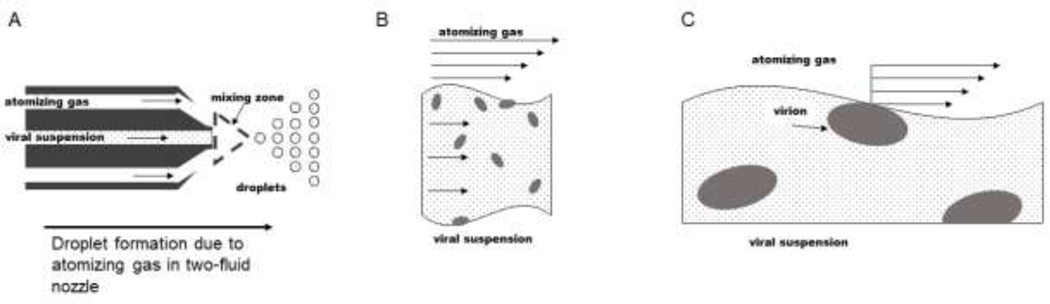
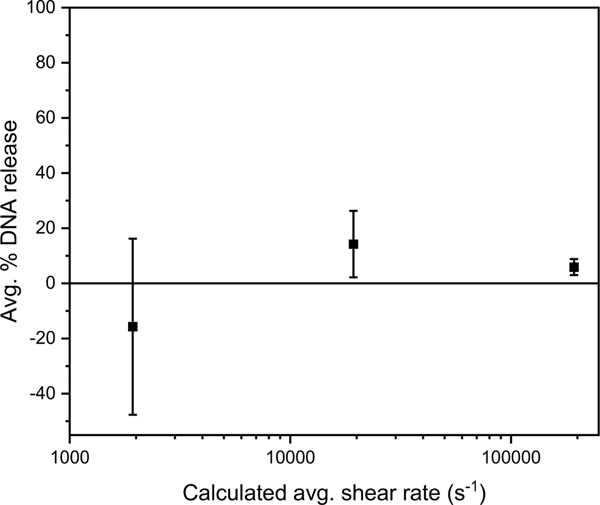
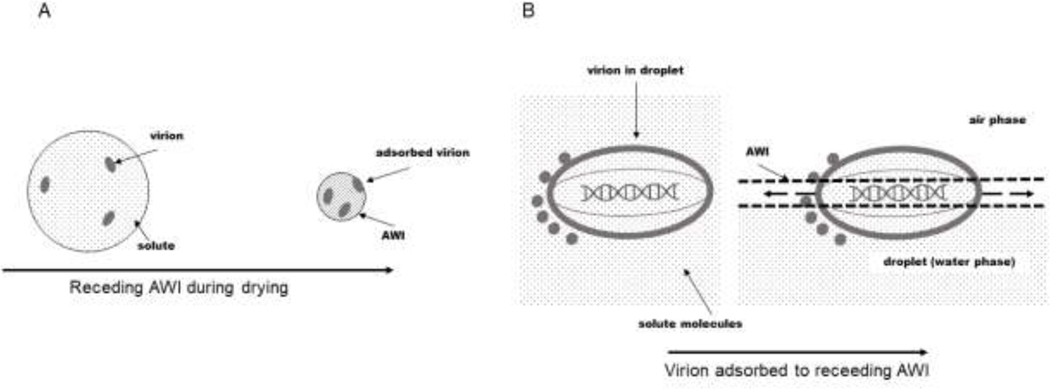
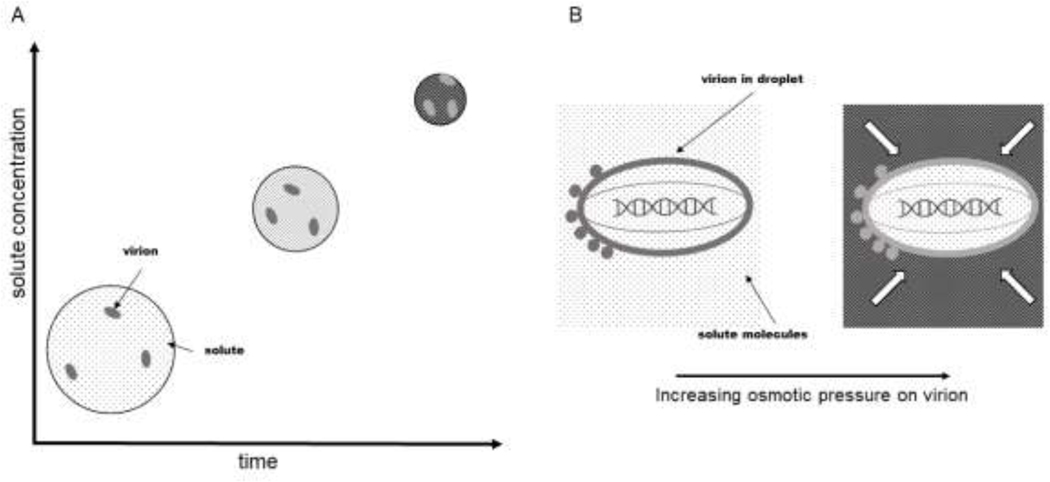
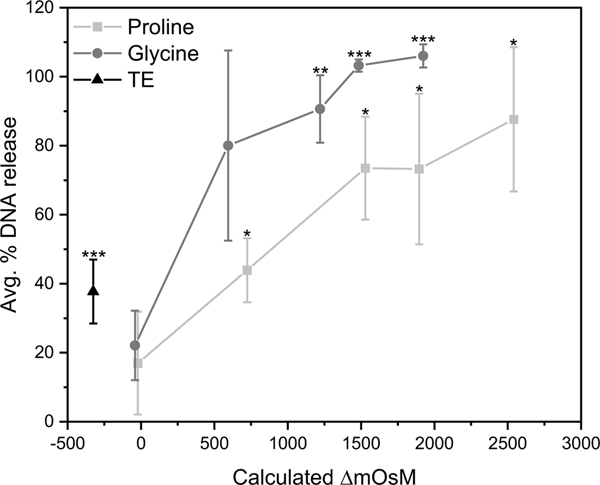
Identification of the mechanisms by which viruses lose activity during droplet formation and drying is of great importance to understanding the spread of infectious diseases by virus-containing respiratory droplets and to developing thermally stable spray dried live or inactivated viral vaccines. In this study, we exposed suspensions of baculovirus, an enveloped virus, to isolated mechanical stresses similar to those experienced during respiratory droplet formation and spray drying: fluid shear forces, osmotic pressure forces, and surface tension forces at interfaces. DNA released from mechanically stressed virions was measured by SYBR Gold staining to quantify viral capsid disruption. Theoretical estimates of the force exerted by fluid shear, osmotic pressures and interfacial tension forces during respiratory droplet formation and spray drying suggest that osmotic and interfacial stresses have greater potential to mechanically destabilize viral capsids than forces associated with shear stresses. Experimental results confirmed that rapid changes in osmotic pressure, such as those associated with drying of virus-containing droplets, caused significant viral capsid disruption, whereas the effect of fluid shear forces was negligible. Surface tension forces were sufficient to provoke DNA release from virions adsorbed at air-water interfaces, but the extent of this disruption was limited by the time required for virions to diffuse to interfaces. These results demonstrate the effect of isolated mechanical stresses on virus particles during droplet formation and drying.
鉴定病毒在形成飞沫和干燥过程中失活的机制对于理解含病毒呼吸道飞沫传播传染病的机制以及开发热稳定的喷雾干燥活病毒或灭活病毒疫苗非常重要。在这项研究中,我们将杆状病毒(一种包膜病毒)悬浮液暴露于类似于呼吸道飞沫形成和喷雾干燥过程中所经历的机械应力下:流体剪切力、渗透压力和界面处的表面张力。通过 SYBR Gold 染色测量从机械应力病毒粒子中释放的 DNA,以定量评估病毒衣壳的破坏情况。对在呼吸道飞沫形成和喷雾干燥过程中流体剪切力、渗透压和界面张力所施加力的理论估计表明,渗透压和界面应力比与剪切力相关的力更有可能使病毒衣壳机械失稳。实验结果证实,与含病毒液滴干燥相关的渗透压的快速变化会导致显著的病毒衣壳破坏,而流体剪切力的影响可以忽略不计。表面张力足以引起吸附在气-水界面的病毒粒子释放 DNA,但这种破坏的程度受到病毒粒子扩散到界面所需时间的限制。这些结果表明了在飞沫形成和干燥过程中单独机械应力对病毒粒子的影响。