Zhejiang Chinese Medical University, Hangzhou, Zhejiang, China.
The Key Laboratory of Chinese Medicine Rheumatology of Zhejiang Province, Zhejiang Chinese Medical University, Hangzhou, Zhejiang, China.
Medicine (Baltimore). 2023 Nov 24;102(47):e36144. doi: 10.1097/MD.0000000000036144.
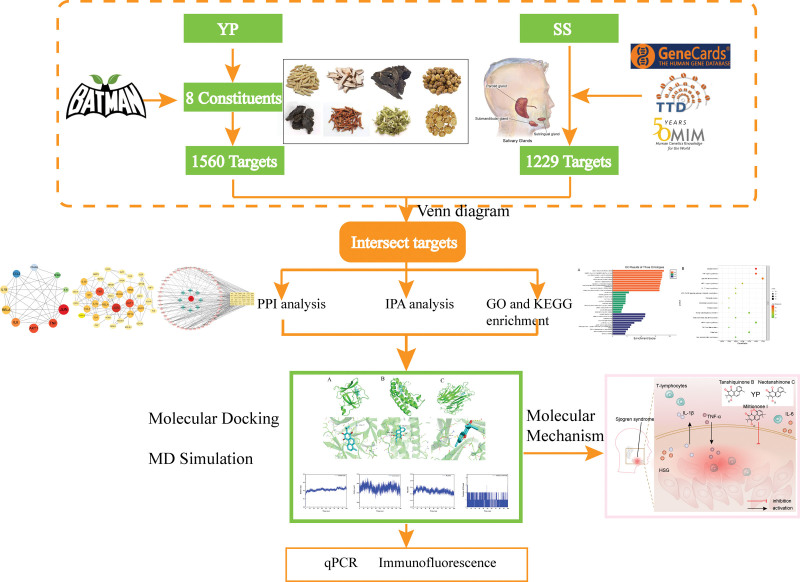
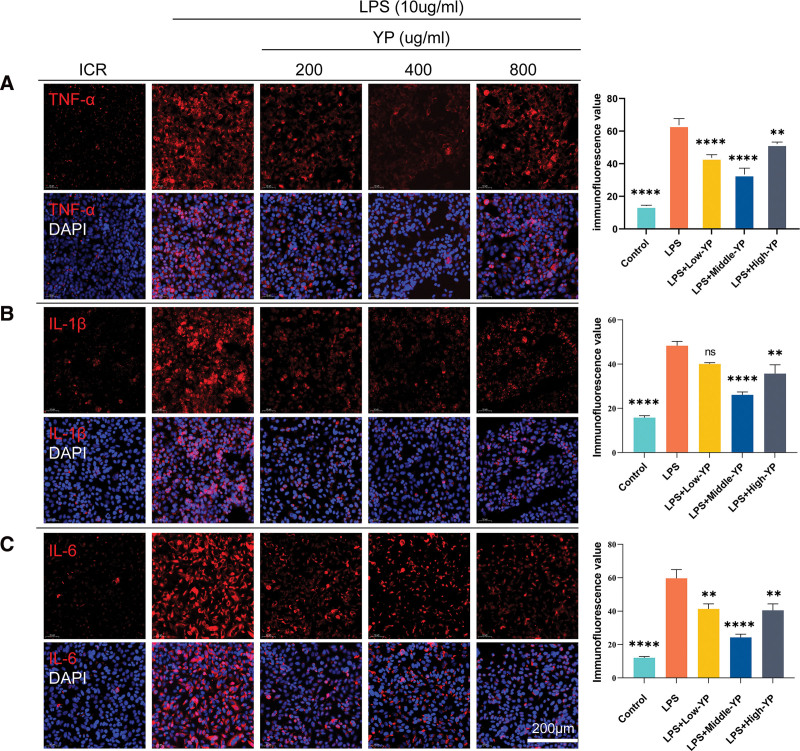
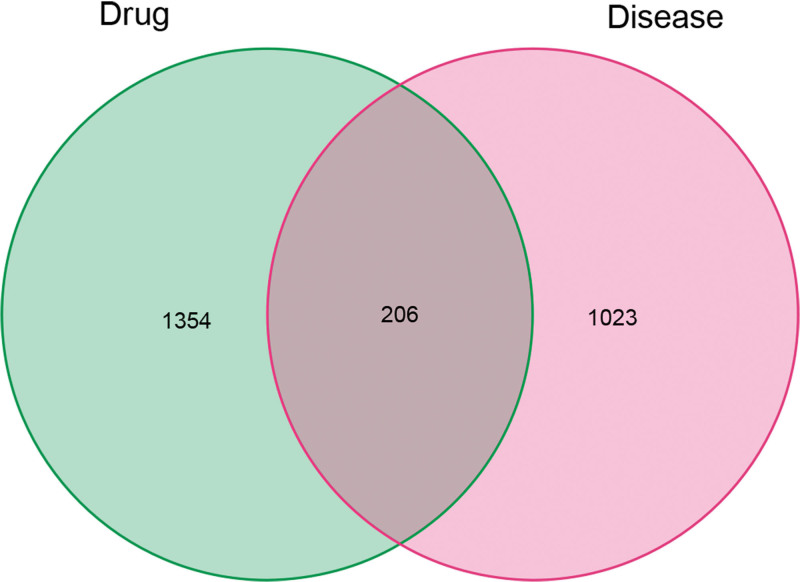
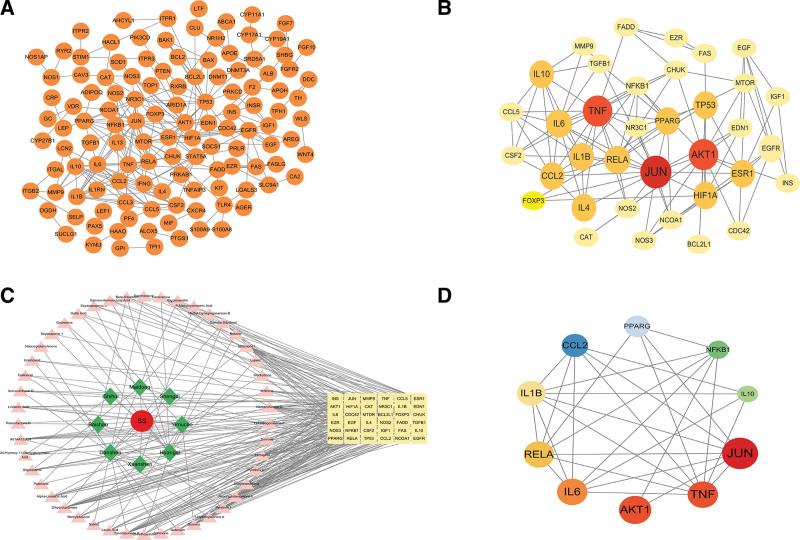
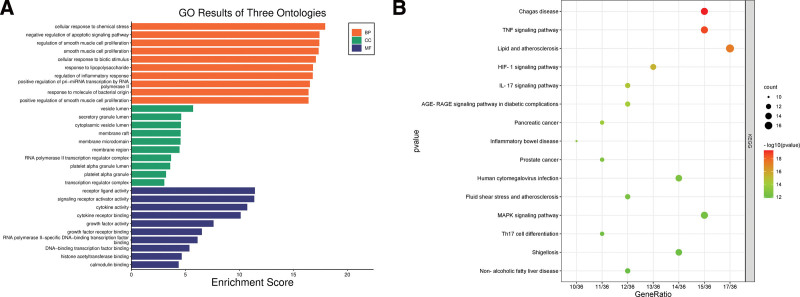
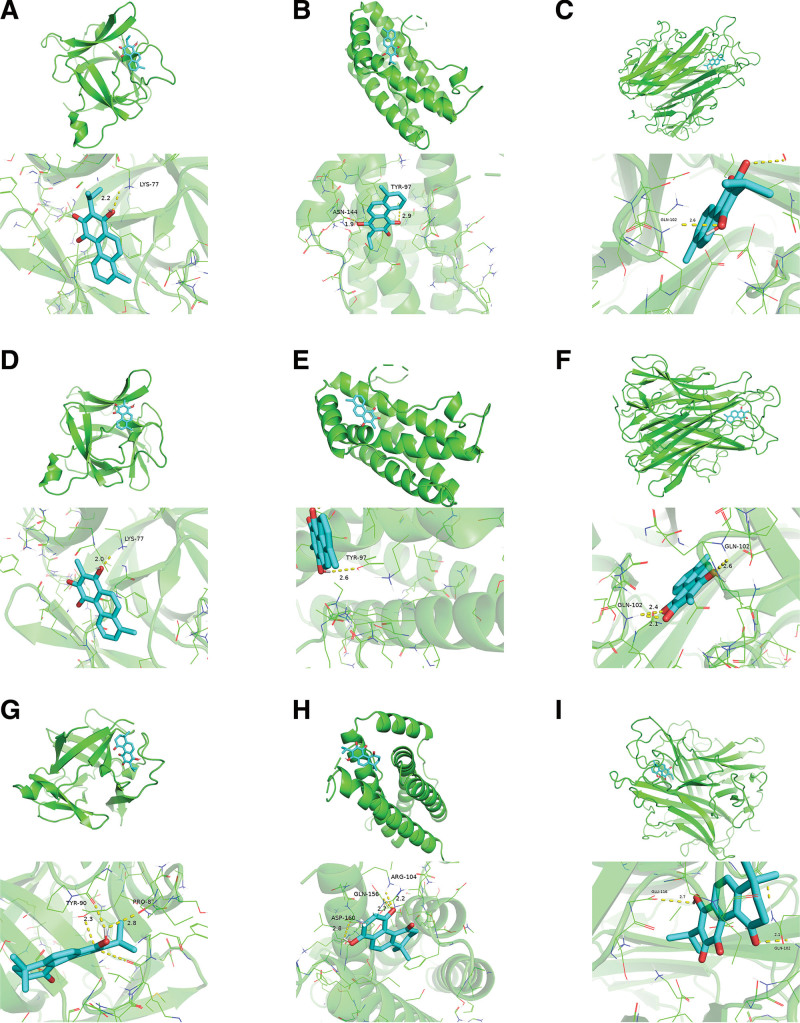
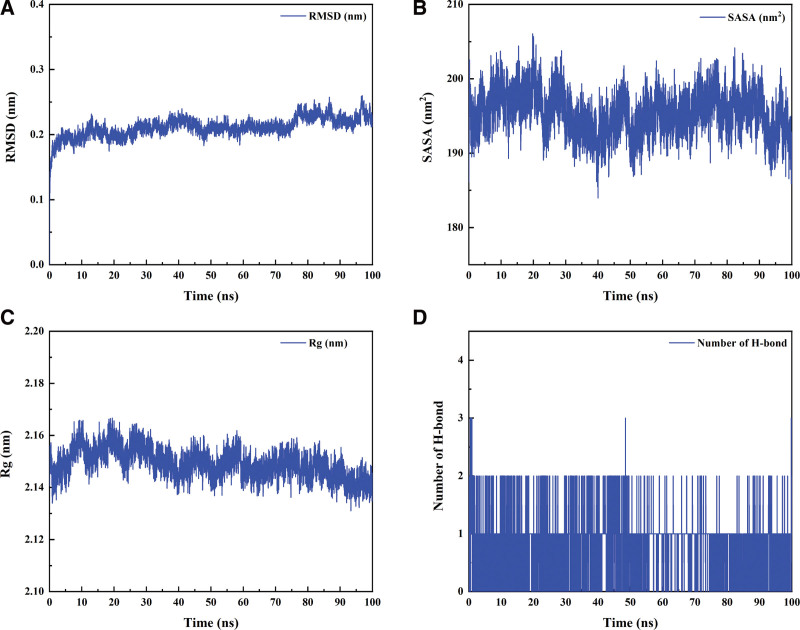
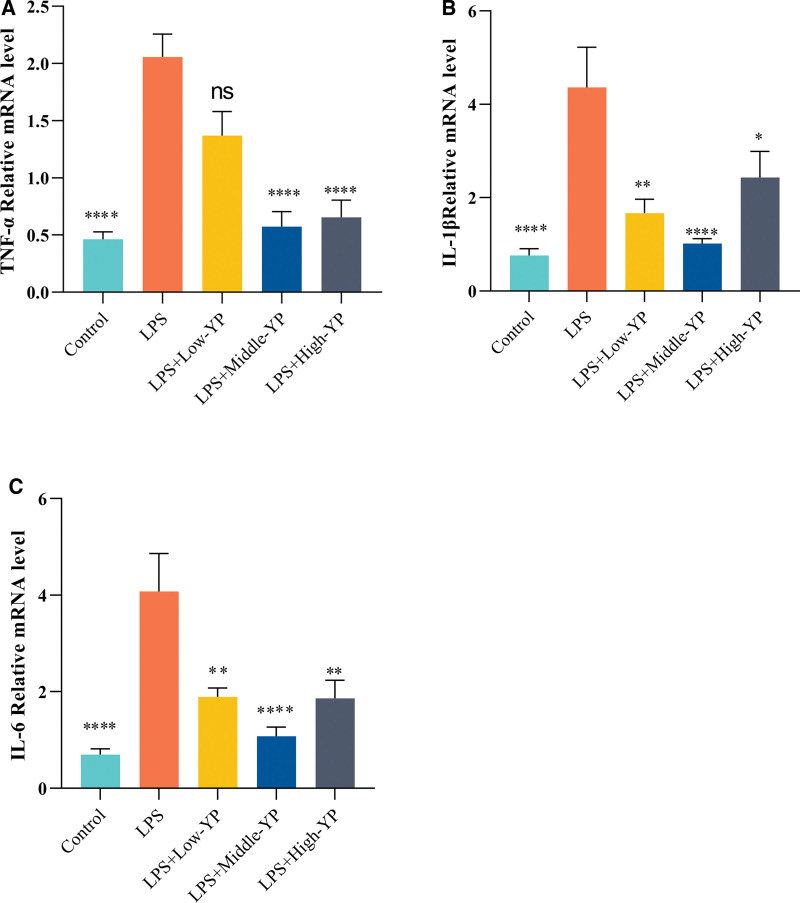
This study aimed to explore the mode of action of Yiqiyangyinquyu prescription (YP) against Sjögren's syndrome (SS) by combining network pharmacology with molecular docking techniques. YP's active components and target proteins were identified using the BATMAN-traditional Chinese medicine database. Concurrently, targets associated with SS were extracted from databases, including Genecards, Online Mendelian Inheritance in Man, and Therapeutic Target Database. The standard targets were then imported into the STRING database to construct a protein-protein interaction network. We then conducted gene ontology and Kyoto encyclopedia of genes and genomes enrichment analyses, which were succeeded by molecular docking studies to validate core active components and key targets. Finally, in vitro experiments and molecular dynamics simulation were conducted to substantiate the therapeutic efficacy of YP in treating SS. A total of 206 intersection targets and 46 active compounds were identified. Gene ontology analysis unveiled that YP targets were primarily enriched in cellular responses to chemical stress, inflammation, and cell proliferation. Key enriched signaling pathways encompassed the interleukin 17, hypoxia-inducible factor-1, tumor necrosis factor (TNF-α), and advanced glycation end products-receptor for AGEs (AGE-RAGE) signaling pathways. Molecular docking results demonstrated high-affinity between neotanshinone C, tanshiquinone B, miltionone I, TNF-α, interleukin 1 beta (IL-1β), and interleukin 6 (IL-6). Noteworthy, TNF-α, considered the most important gene in YP against SS, binds to YP most stably, which was further validated by molecular dynamics simulation. In vitro experiments confirmed YP's capacity to reduce TNF-α, IL-1β, and IL-6 expression, effectively alleviating SS-related inflammation. YP demonstrated a significant anti-inflammatory effect by suppressing inflammatory cytokines (TNF-α, IL-6, and IL-1β), providing experimental evidence for its clinical application in treating SS.
本研究旨在通过网络药理学与分子对接技术结合,探讨益气养阴祛瘀方(YP)治疗干燥综合征(SS)的作用模式。使用 BATMAN-traditional Chinese medicine 数据库鉴定 YP 的活性成分和作用靶点。同时,从数据库中提取与 SS 相关的靶点,包括 Genecards、Online Mendelian Inheritance in Man 和 Therapeutic Target Database。然后将标准靶点导入 STRING 数据库构建蛋白质-蛋白质相互作用网络。进行基因本体和京都基因与基因组百科全书富集分析,然后进行分子对接研究以验证核心活性成分和关键靶点。最后,通过体外实验和分子动力学模拟验证 YP 治疗 SS 的疗效。共鉴定出 206 个交集靶点和 46 个活性化合物。基因本体分析表明,YP 靶点主要富集于细胞对化学应激、炎症和细胞增殖的反应。关键富集信号通路包括白细胞介素 17、缺氧诱导因子 1、肿瘤坏死因子(TNF-α)和晚期糖基化终产物-AGEs 受体(AGE-RAGE)信号通路。分子对接结果表明,neotanshinone C、tanshiquinone B、militionone I、TNF-α、白细胞介素 1β(IL-1β)和白细胞介素 6(IL-6)与靶点之间具有高亲和力。值得注意的是,TNF-α 被认为是 YP 治疗 SS 最重要的基因,与 YP 结合最稳定,这一结果通过分子动力学模拟得到进一步验证。体外实验证实,YP 可降低 TNF-α、IL-1β 和 IL-6 的表达,有效缓解 SS 相关炎症。YP 通过抑制炎症细胞因子(TNF-α、IL-6 和 IL-1β)发挥显著的抗炎作用,为其在治疗 SS 中的临床应用提供了实验证据。