Rao Antara, Chen Nuo, Kim Min Joo, Blumenfeld Jessica, Yip Oscar, Hao Yanxia, Liang Zherui, Nelson Maxine R, Koutsodendris Nicole, Grone Brian, Ding Leo, Yoon Seo Yeon, Arriola Patrick, Huang Yadong
Gladstone Institute of Neurological Disease, Gladstone Institutes, San Francisco, CA, USA.
Developmental and Stem Cell Biology Graduate Program, University of California, San Francisco, CA, USA.
bioRxiv. 2023 Nov 14:2023.11.10.566510. doi: 10.1101/2023.11.10.566510.
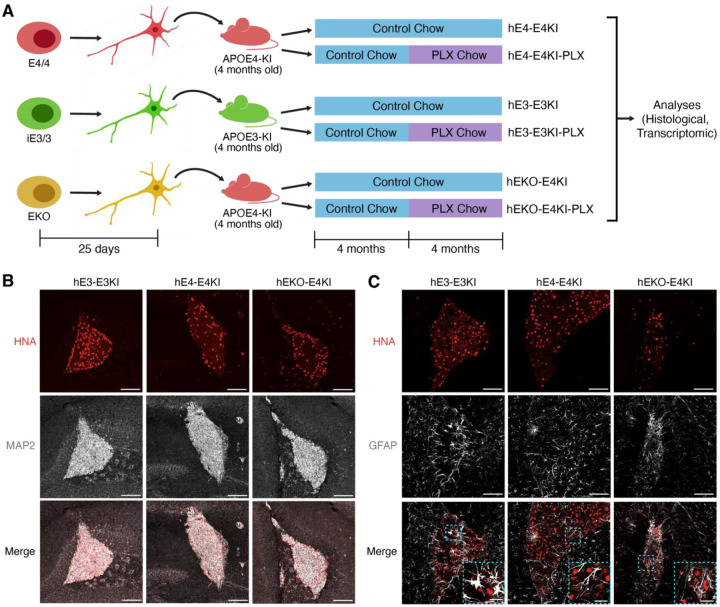
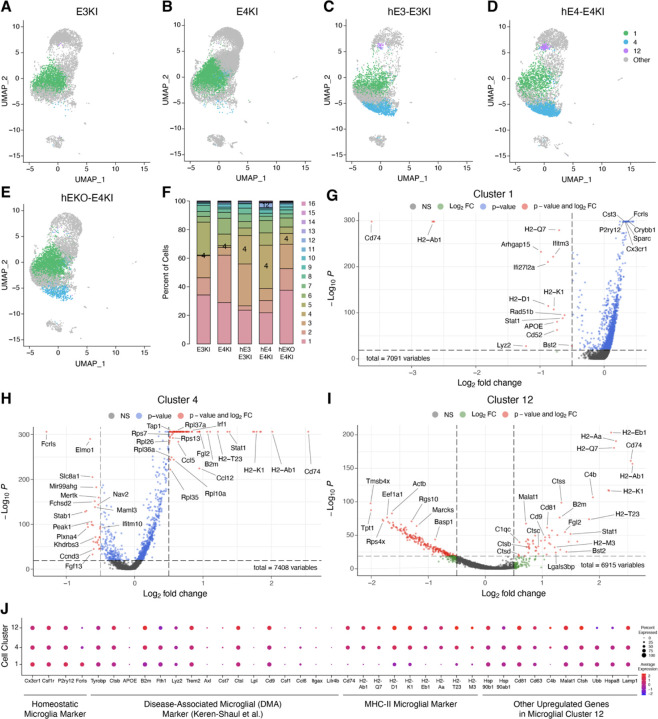
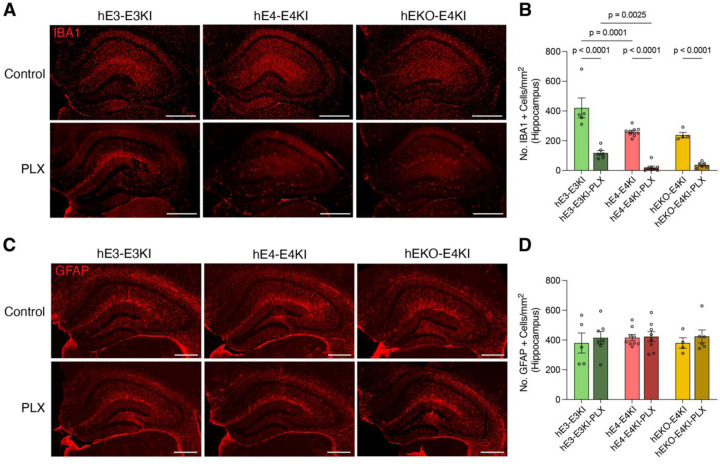
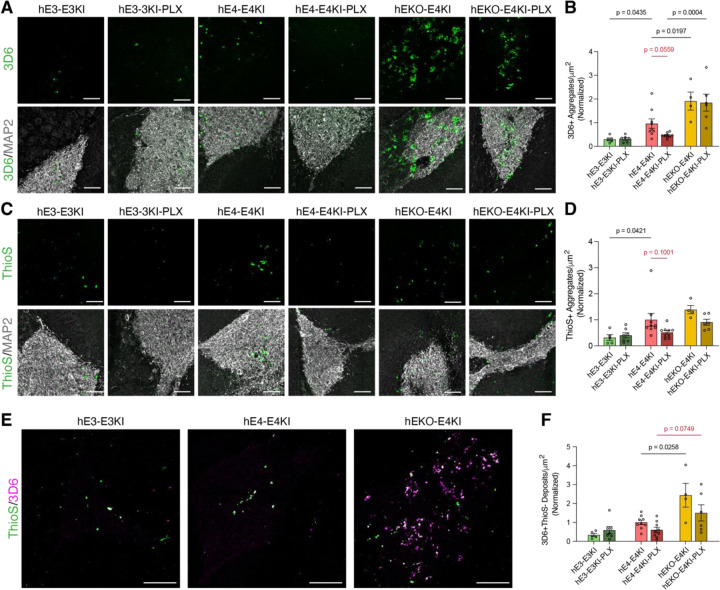
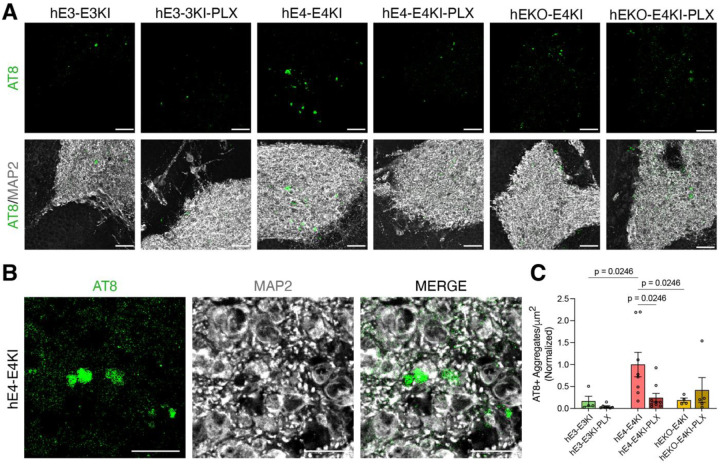
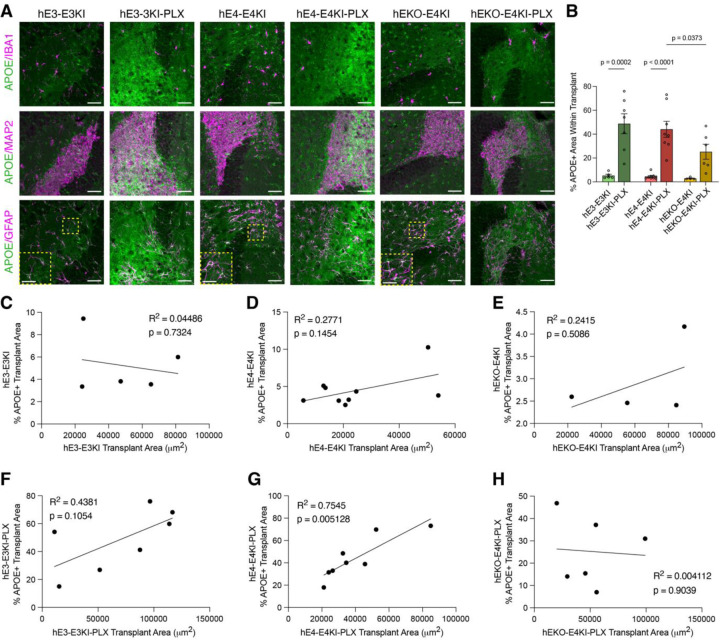
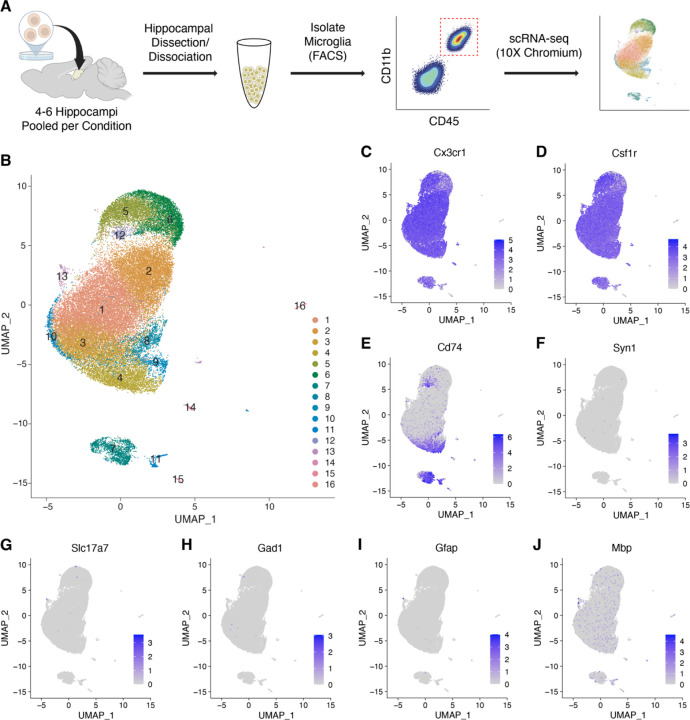
Despite strong evidence supporting the involvement of both apolipoprotein E4 (APOE4) and microglia in Alzheimer's Disease (AD) pathogenesis, the effects of microglia on neuronal APOE4-driven AD pathogenesis remain elusive. Here, we examined such effects utilizing microglial depletion in a chimeric model with human neurons in mouse hippocampus. Specifically, we transplanted homozygous APOE4, isogenic APOE3, and APOE-knockout (APOE-KO) induced pluripotent stem cell (iPSC)-derived human neurons into the hippocampus of human APOE3 or APOE4 knock-in mice, and depleted microglia in half the chimeric mice. We found that both neuronal APOE and microglial presence were important for the formation of Aβ and tau pathologies in an APOE isoform-dependent manner (APOE4 > APOE3). Single-cell RNA-sequencing analysis identified two pro-inflammatory microglial subtypes with high MHC-II gene expression that are enriched in chimeric mice with human APOE4 neuron transplants. These findings highlight the concerted roles of neuronal APOE, especially APOE4, and microglia in AD pathogenesis.
尽管有强有力的证据支持载脂蛋白E4(APOE4)和小胶质细胞均参与阿尔茨海默病(AD)的发病机制,但小胶质细胞对神经元APOE4驱动的AD发病机制的影响仍不清楚。在此,我们利用小鼠海马体中含有人神经元的嵌合模型中的小胶质细胞耗竭来研究这种影响。具体而言,我们将纯合APOE4、同基因APOE3和载脂蛋白E基因敲除(APOE-KO)诱导多能干细胞(iPSC)衍生的人神经元移植到人类APOE3或APOE4基因敲入小鼠的海马体中,并使一半的嵌合小鼠中的小胶质细胞耗竭。我们发现,神经元APOE和小胶质细胞的存在对于以APOE异构体依赖的方式(APOE4>APOE3)形成Aβ和tau病理均很重要。单细胞RNA测序分析确定了两种具有高MHC-II基因表达的促炎小胶质细胞亚型,它们在移植了人APOE4神经元的嵌合小鼠中富集。这些发现突出了神经元APOE,尤其是APOE4和小胶质细胞在AD发病机制中的协同作用。