Dept. of Biochemistry, Microbiology & Immunology, College of Medicine, University of Saskatchewan, Saskatoon, Saskatchewan, Canada.
The Global Institute for Food Security, University of Saskatchewan, Saskatoon, Saskatchewan, Canada.
PLoS One. 2023 Nov 29;18(11):e0294732. doi: 10.1371/journal.pone.0294732. eCollection 2023.
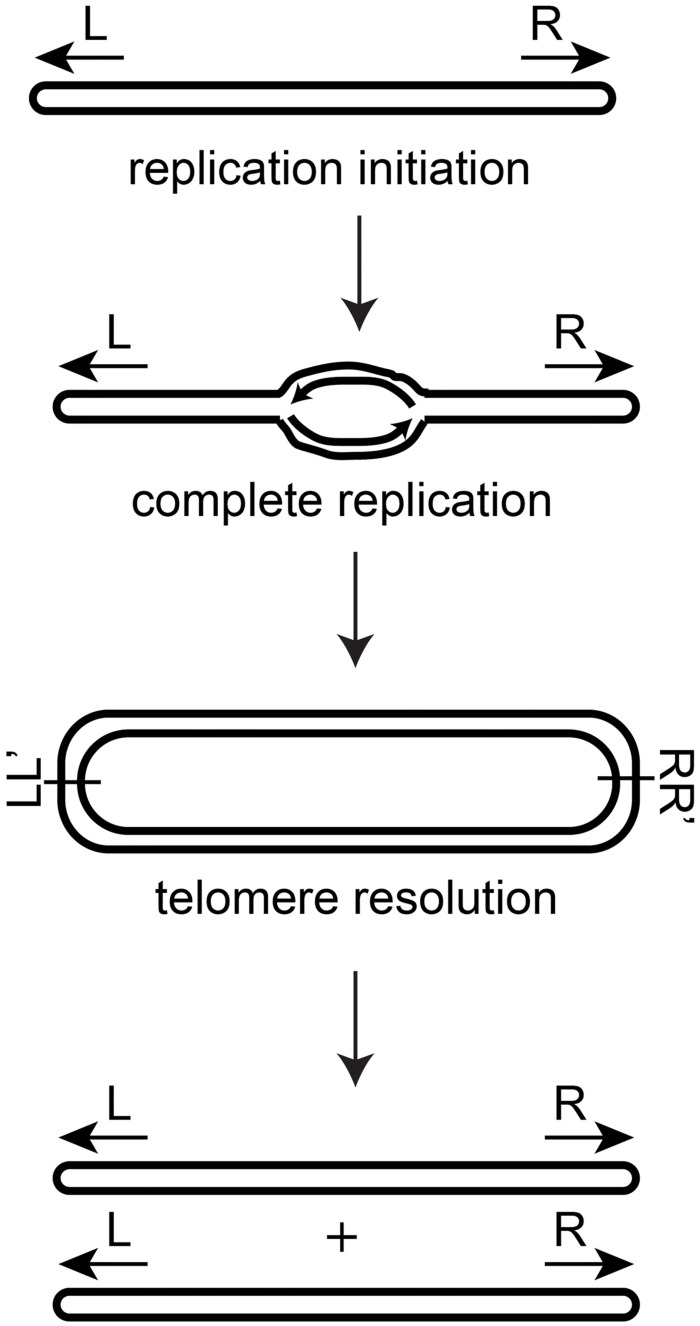
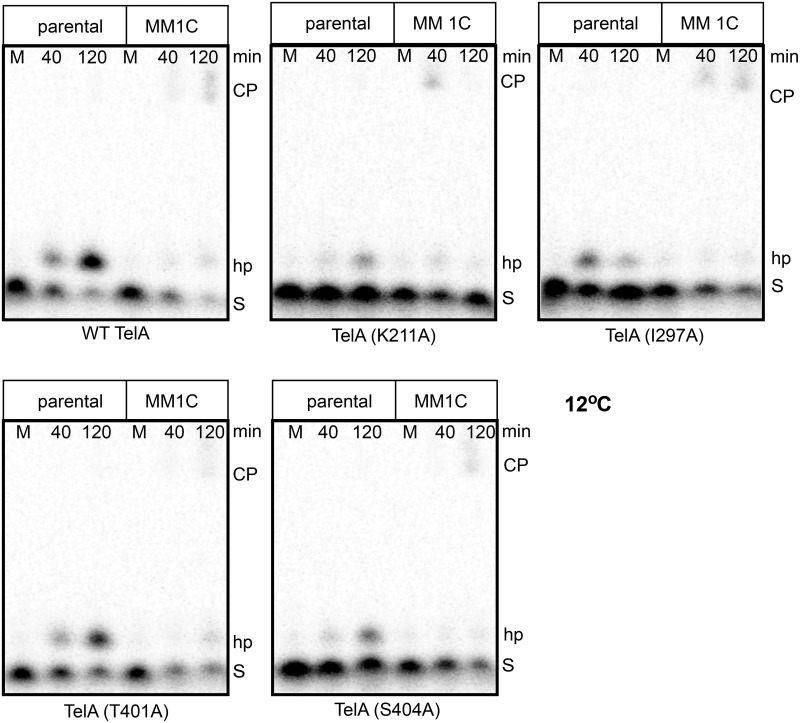
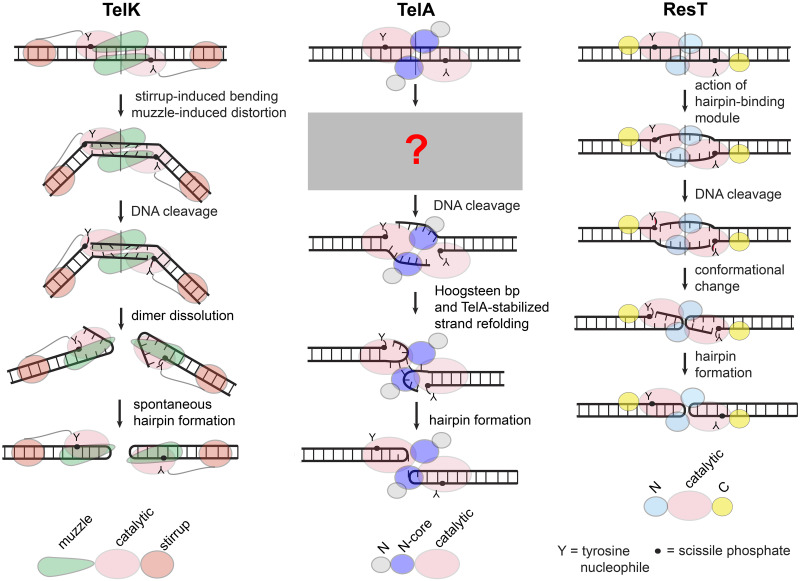
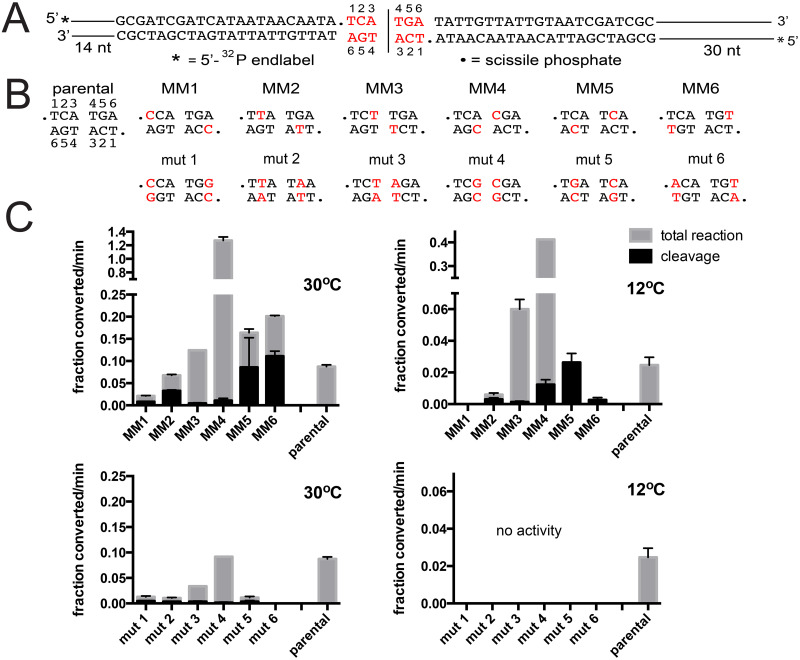
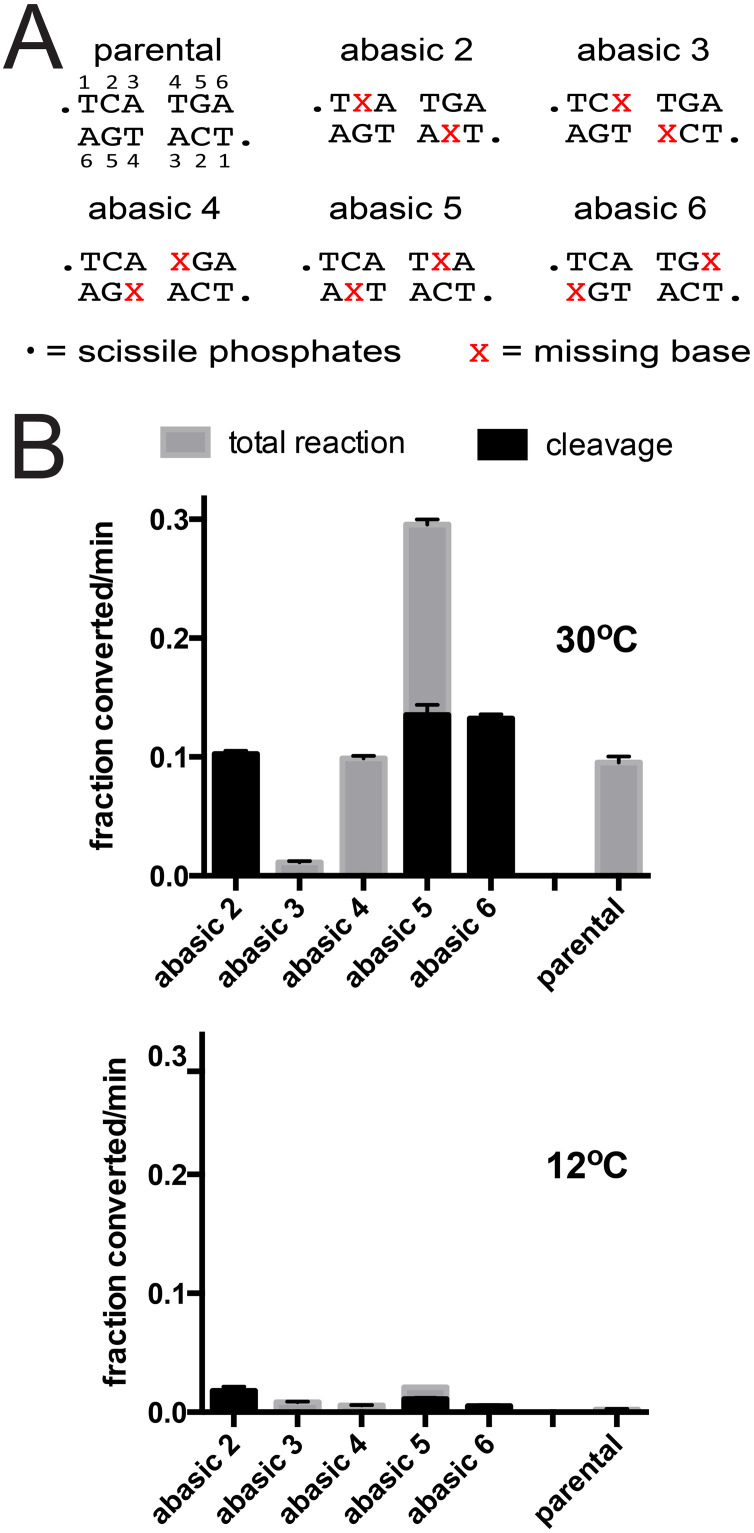
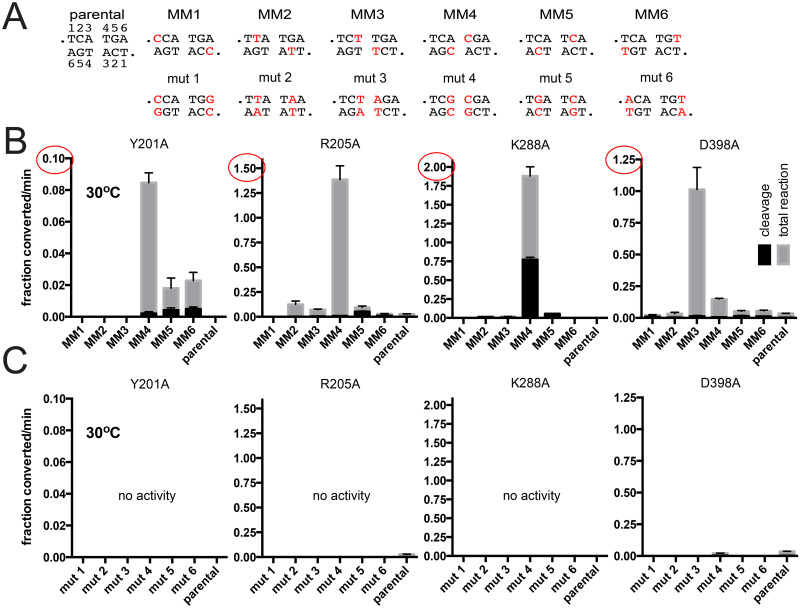
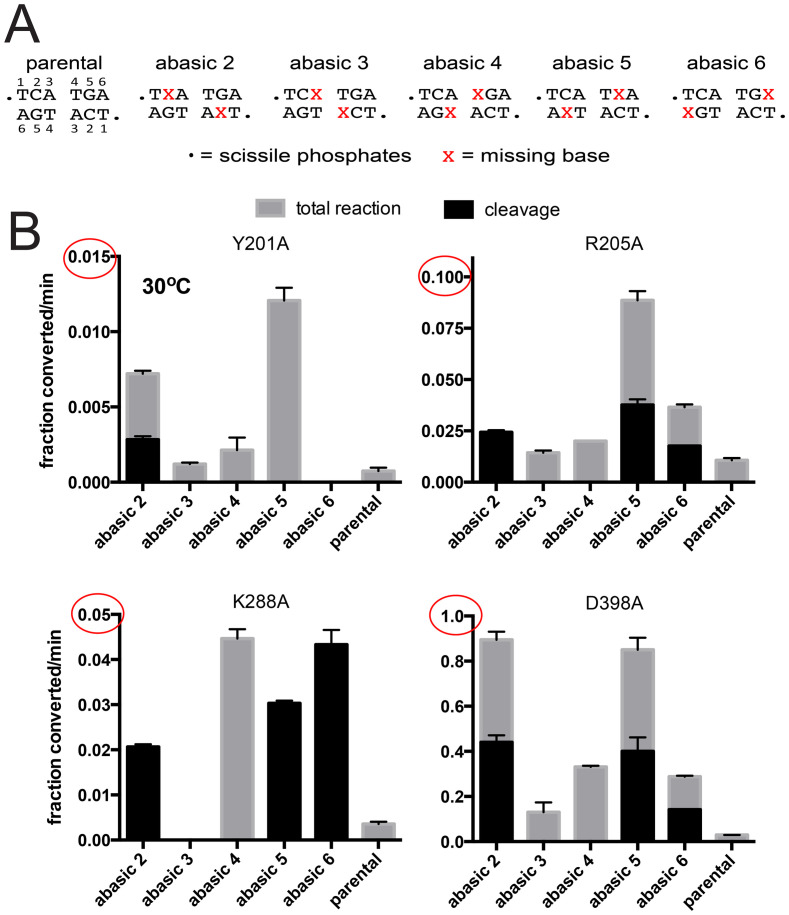
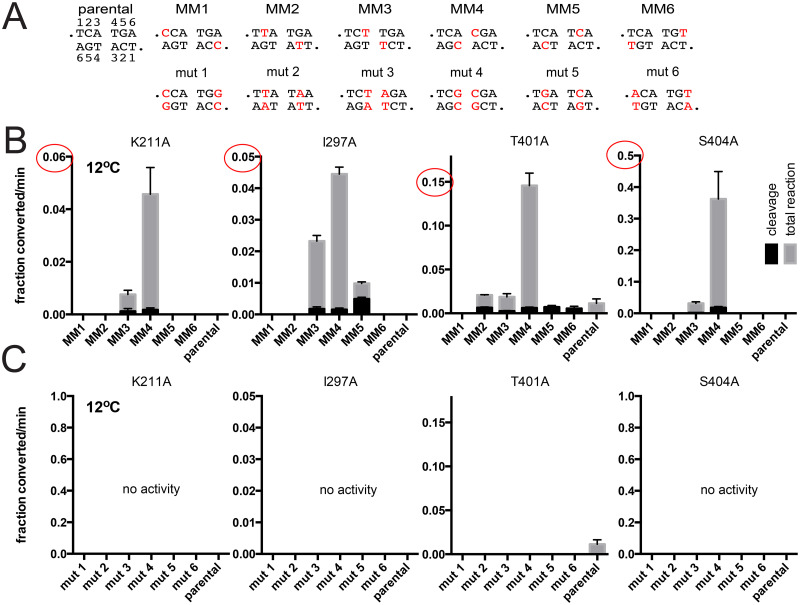
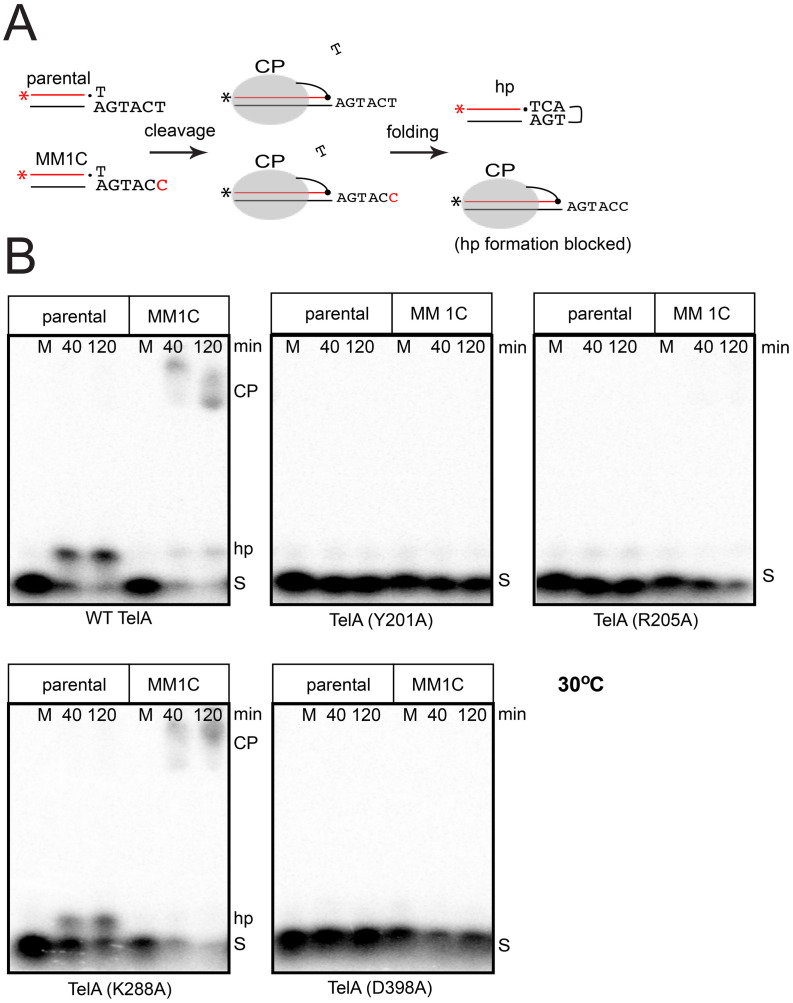
The telomere resolvase, TelA, forms the hairpin telomeres of the linear chromosome of Agrobacterium tumefaciens in a process referred to as telomere resolution. Telomere resolution is a unique DNA cleavage and rejoining reaction that resolves replicated telomere junctions into a pair of hairpin telomeres. Telomere resolvases utilize a reaction mechanism with similarities to that of topoisomerase-IB enzymes and tyrosine recombinases. The reaction proceeds without the need for high-energy cofactors due to the use of a covalent, enzyme-cleaved DNA intermediate that stores the bond energy of the cleaved bonds in 3'-phosphotyrosyl linkages. The cleaved DNA strands are then refolded into a hairpin conformation and the 5'-OH ends of the refolded strands attack the 3'-phosphotyrosine linkages in order to rejoin the DNA strands into hairpin telomeres. Because this kind of reaction mechanism is, in principle, reversible it is unclear how TelA controls the direction of the reaction and propels the reaction to completion. We present evidence that TelA forms and/or stabilizes a pre-cleavage intermediate that features breakage of the four central basepairs between the scissile phosphates prior to DNA cleavage to help propel the reaction forwards, thus preventing abortive cleavage and rejoining cycles that regenerate the substrate DNA. We identify eight TelA sidechains, located in the hairpin-binding module and catalytic domains of TelA, implicated in this process. These mutants were deficient for telomere resolution on parental replicated telomere junctions but were rescued by introduction of substrate modifications that mimic unwinding of the DNA between the scissile phosphates.
端粒酶解旋酶 TelA 在称为端粒分解的过程中形成了农杆菌线性染色体的发夹端粒。端粒分解是一种独特的 DNA 切割和连接反应,可将复制的端粒连接分解成一对发夹端粒。端粒酶解旋酶利用与拓扑异构酶-IB 酶和酪氨酸重组酶相似的反应机制。由于使用了共价的、酶切的 DNA 中间产物,该反应无需高能辅助因子即可进行,该中间产物将切割键的键能存储在 3'-磷酸酪氨酸键中。然后,切割的 DNA 链被重新折叠成发夹构象,并且重新折叠的链的 5'-OH 末端攻击 3'-磷酸酪氨酸键,以便将 DNA 链重新连接成发夹端粒。由于这种反应机制在原则上是可逆的,因此尚不清楚 TelA 如何控制反应的方向并推动反应完成。我们提供的证据表明,TelA 形成和/或稳定了一种预切割中间产物,该中间产物在 DNA 切割之前破坏了两个切割磷酸之间的四个中心碱基对,以帮助推动反应前进,从而防止了重新生成底物 DNA 的无效切割和连接循环。我们确定了 TelA 的八个侧链,这些侧链位于 TelA 的发夹结合模块和催化结构域中,与该过程有关。这些突变体在亲本复制的端粒连接点上缺乏端粒分解能力,但通过引入模拟 DNA 在切割磷酸之间解旋的底物修饰来挽救。