Monje Paula V
Department of Neurosurgery, University of Kentucky College of Medicine, Lexington, Kentucky, USA.
Bio Protoc. 2023 Nov 20;13(19):e4840. doi: 10.21769/BioProtoc.4840.
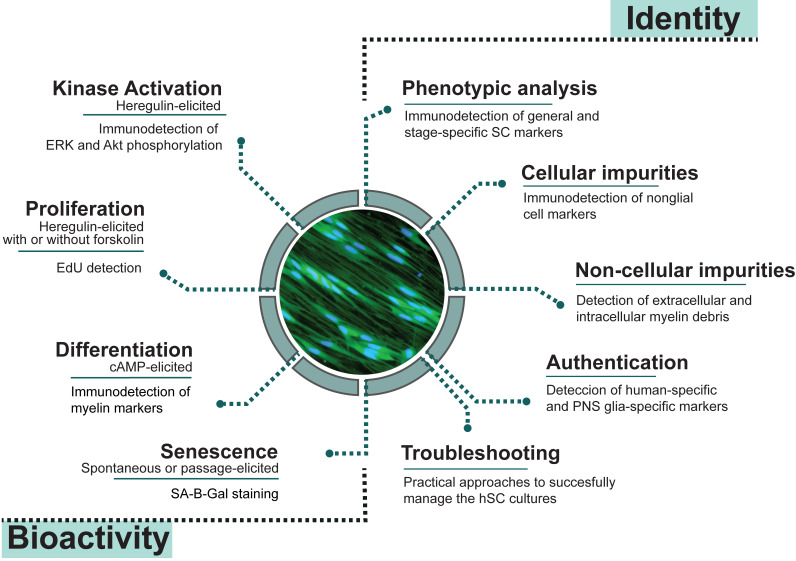
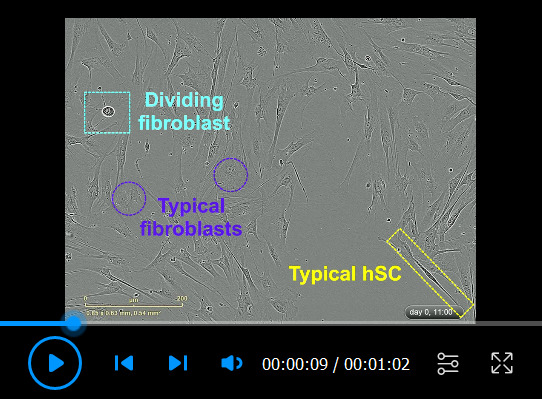
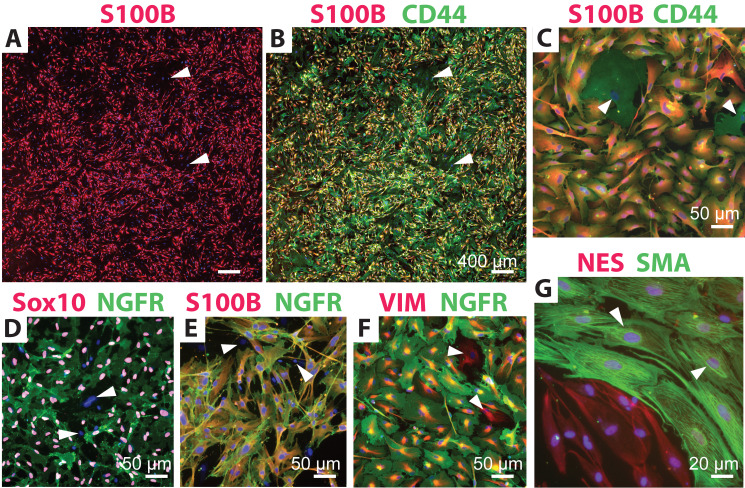
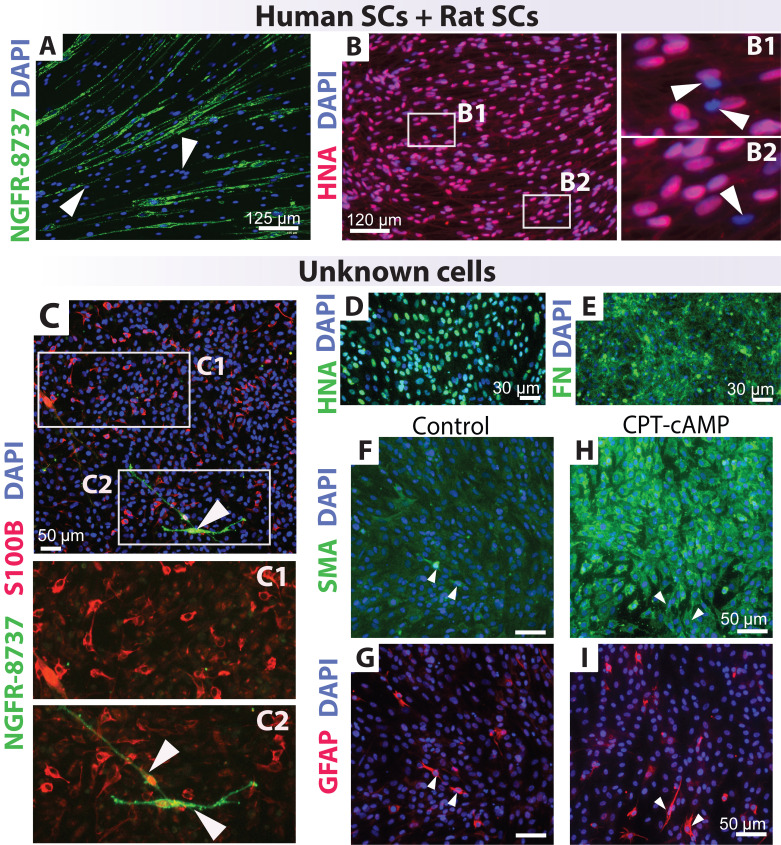
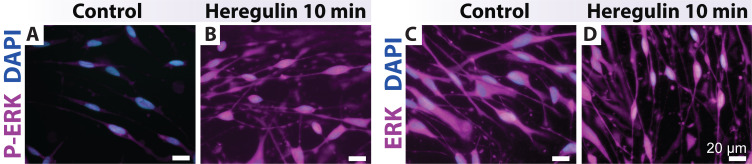
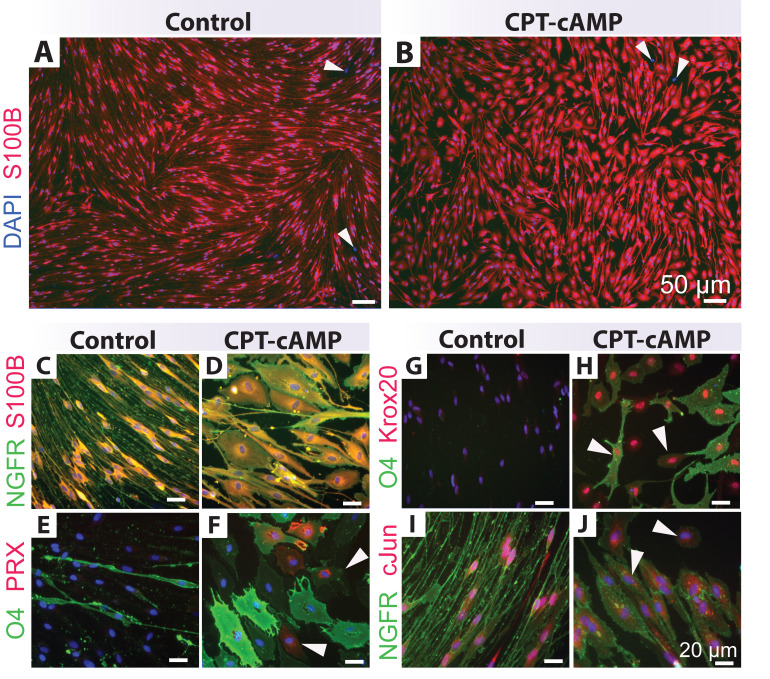
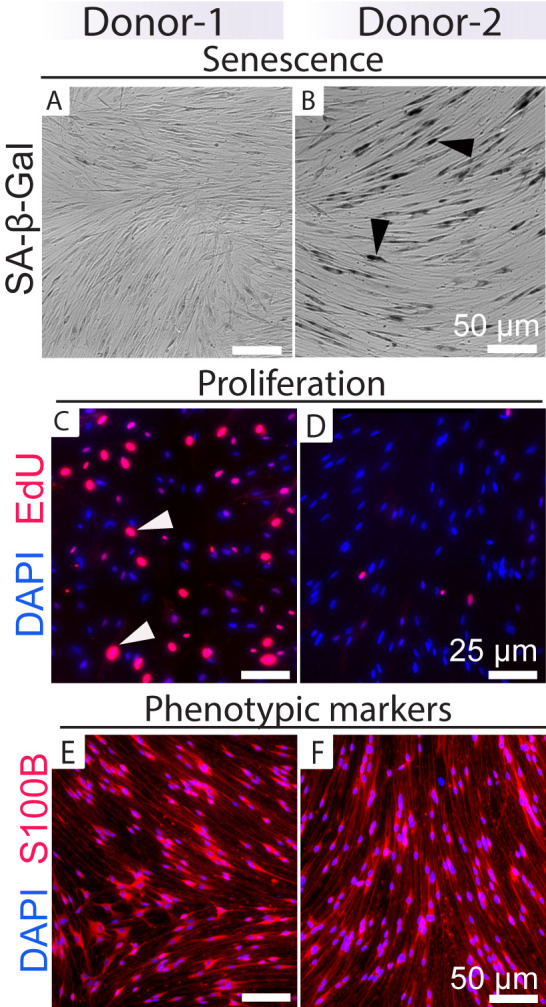
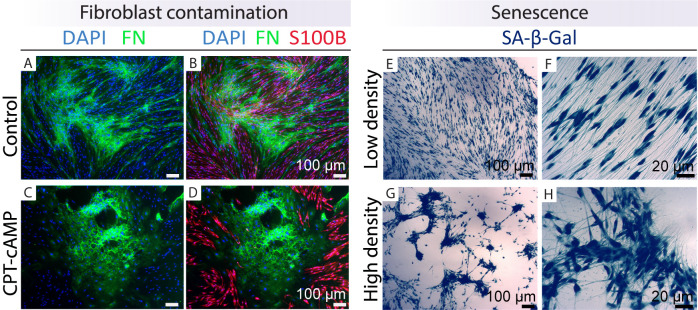
This paper introduces simple analytical methods and bioassays to promptly assess the identity and function of in vitro cultured human Schwann cells (hSCs). A systematic approach is proposed to unequivocally discriminate hSCs from other glial cells, non-glial cells, and non-human SCs (authentication), identify hSCs at different stages of differentiation, and determine whether individual hSCs are proliferative or senescent. Examples of how to use distinct cell-based approaches for quality control and routine troubleshooting are provided to confirm the constitution (identity, purity, and heterogeneity) and potency (bioactivity) of hSC cultures from multiple sources. The bioassays are valuable for rapidly gauging the responses of hSCs to mitogenic and differentiating factors and ascertaining the cells' basic properties before performing co-culture or cell grafting studies. The assays are image based and use adherent hSCs established in monoculture to simplify the experimental setup and interpretation of results. Finally, all sections contain thorough background information, notes, and references to facilitate decision making, data interpretation, and ad hoc method development for diverse applications.
本文介绍了简单的分析方法和生物测定法,以快速评估体外培养的人雪旺细胞(hSCs)的特性和功能。提出了一种系统方法,以明确区分hSCs与其他神经胶质细胞、非神经胶质细胞和非人类雪旺细胞(鉴定),识别不同分化阶段的hSCs,并确定单个hSCs是增殖性的还是衰老的。提供了如何使用不同的基于细胞的方法进行质量控制和常规故障排除的示例,以确认来自多个来源的hSC培养物的组成(特性、纯度和异质性)和效力(生物活性)。这些生物测定法对于在进行共培养或细胞移植研究之前快速评估hSCs对促有丝分裂和分化因子的反应以及确定细胞的基本特性非常有价值。这些测定法基于图像,使用在单培养中建立的贴壁hSCs,以简化实验设置和结果解释。最后,所有章节都包含详尽的背景信息、注释和参考文献,以促进决策制定、数据解释以及针对各种应用的临时方法开发。