Department of Pharmacology, National and Kapodistrian University of Athens, 11527 Athens, Greece.
Int J Mol Sci. 2023 Nov 24;24(23):16693. doi: 10.3390/ijms242316693.
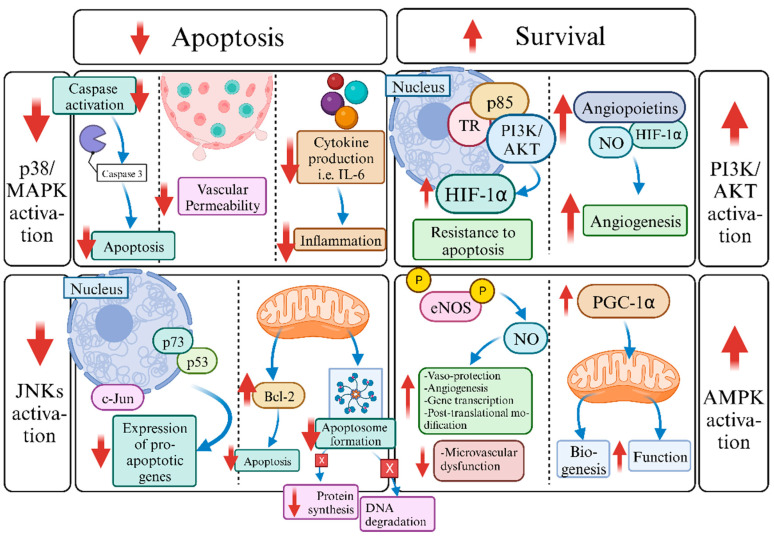
Heart transplantation remains the conventional treatment in end-stage heart failure, with static cold storage (SCS) being the standard technique used for donor preservation. Nevertheless, prolonged cold ischemic storage is associated with the increased risk of early graft dysfunction attributed to residual ischemia, reperfusion, and rewarming damage. In addition, the demand for the use of marginal grafts requires the development of new methods for organ preservation and repair. In this review, we focus on current knowledge and novel methods of donor preservation in heart transplantation. Hypothermic or normothermic machine perfusion may be a promising novel method of donor preservation based on the administration of cardioprotective agents. Machine perfusion seems to be comparable to cold cardioplegia regarding donor preservation and allows potential repair treatments to be employed and the assessment of graft function before implantation. It is also a promising platform for using marginal organs and increasing donor pool. New pharmacological cardiac repair treatments, as well as cardioprotective interventions have emerged and could allow for the optimization of this modality, making it more practical and cost-effective for the real world of transplantation. Recently, the use of triiodothyronine during normothermic perfusion has shown a favorable profile on cardiac function and microvascular dysfunction, likely by suppressing pro-apoptotic signaling and increasing the expression of cardioprotective molecules.
心脏移植仍然是心力衰竭末期的常规治疗方法,静态冷保存(SCS)是用于供体保存的标准技术。然而,长时间的冷缺血储存与早期移植物功能障碍的风险增加有关,这归因于残留缺血、再灌注和复温损伤。此外,对使用边缘供体的需求要求开发新的器官保存和修复方法。在这篇综述中,我们专注于心脏移植中供体保存的现有知识和新方法。低温或常温机器灌注可能是一种有前途的供体保存新方法,基于心脏保护剂的给药。机器灌注在供体保存方面似乎与冷心脏停搏相似,并允许在植入前进行潜在的修复治疗和移植物功能评估。它也是使用边缘器官和增加供体库的有前途的平台。新的药理学心脏修复治疗以及心脏保护干预措施已经出现,并且可能允许对这种方式进行优化,使其在移植的现实世界中更实用和更具成本效益。最近,在常温灌注过程中使用三碘甲状腺原氨酸显示出对心脏功能和微血管功能的有利影响,可能通过抑制促凋亡信号和增加心脏保护分子的表达来实现。