Graduate Program in Neuroscience, University of Minnesota, Minnesota, United States.
Department of Psychiatry and Behavioral Sciences, University of Minnesota, Minnesota, United States.
Invest Ophthalmol Vis Sci. 2023 Dec 1;64(15):23. doi: 10.1167/iovs.64.15.23.
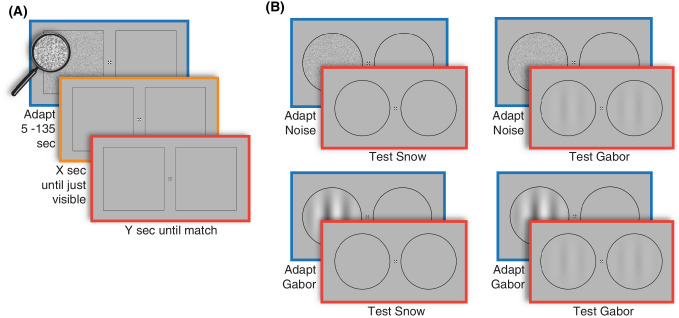
Visual snow syndrome-characterized by flickering specks throughout the visual field and accompanied by other symptoms-can disrupt daily life and affects roughly 2% of the population. However, its neural bases remain mysterious, and treatments are lacking. Here, we report the first intervention that can temporarily eliminate the visual snow symptom, allowing many observers to see the world without snow for the first time since symptom onset. Prolonged viewing of a visual stimulus strongly reduces the responsiveness of the visual pathways to subsequent stimuli, and we tested whether such adaptation could affect visual snow.
Participants with visual snow (total n = 27) viewed high-contrast dynamic noise patterns, resembling television static, and then judged the strength of the symptom.
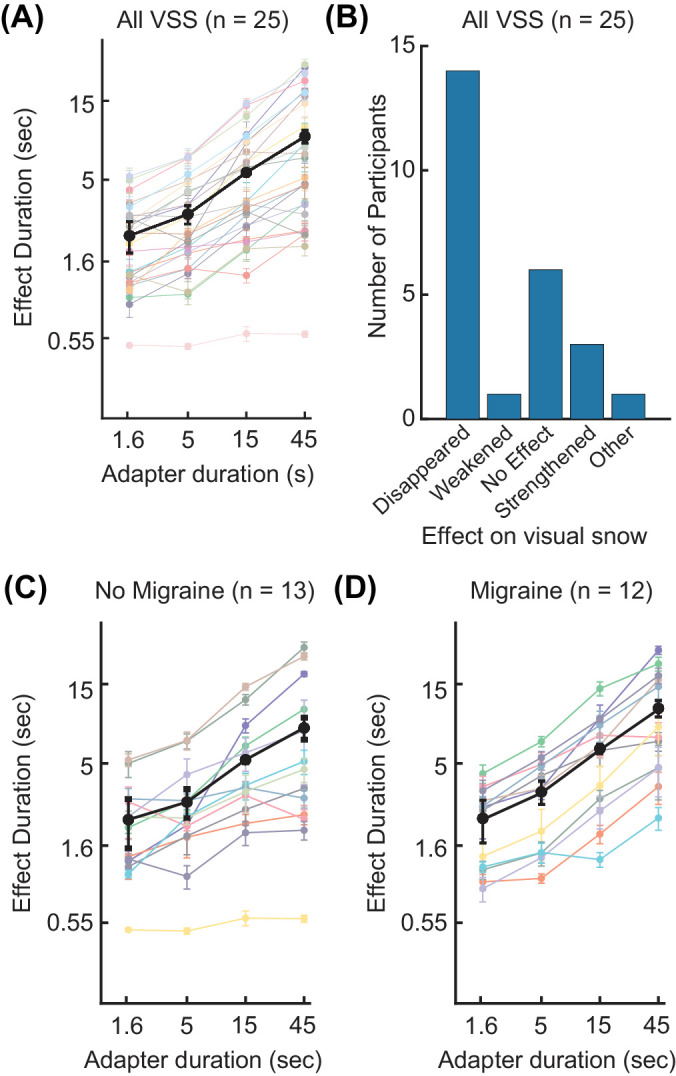
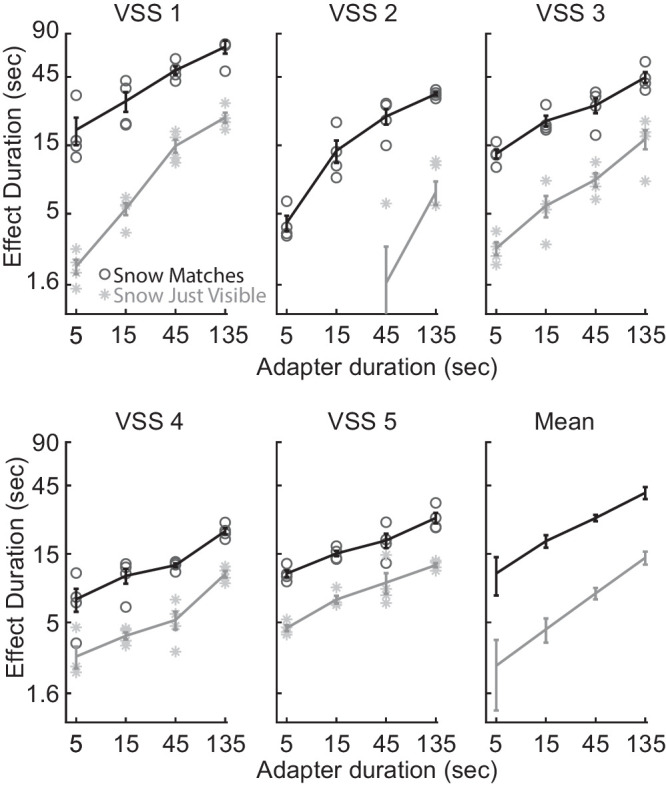
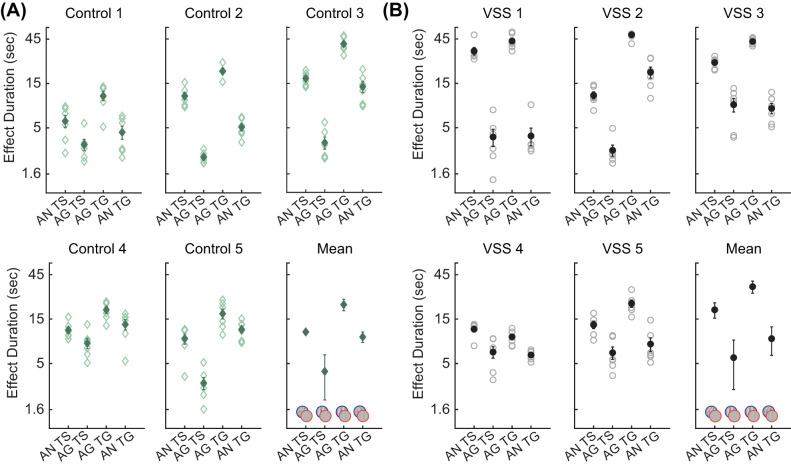
Visual snow was temporarily reduced in strength to the point that it was invisible at longer adaptation durations for most observers. The effect followed typical trends of adaptation for physical stimuli in normally sighted observers: Effect duration increased monotonically with duration of exposure to the adapter and was specific to dynamic noise.
These results establish that spontaneous neural activity in the visual system is causally related to the visual snow percept. Because they perceive this activity, people with visual snow may provide a unique window into the generation and suppression of noise in the visual system. Adaptation allows reliable experimental control over visual snow, and so is a strong candidate for diagnostic testing and a promising tool for further understanding its neural origins, which could in turn aid the development of treatments.
视觉雪综合征的特征是整个视野中闪烁的斑点,并伴有其他症状,它会扰乱日常生活,大约影响 2%的人口。然而,其神经基础仍然神秘,并且缺乏治疗方法。在这里,我们报告了第一个可以暂时消除视觉雪症状的干预措施,使许多观察者自症状出现以来首次能够看到没有雪花的世界。长时间观看视觉刺激会强烈降低视觉通路对后续刺激的反应能力,我们测试了这种适应是否会影响视觉雪。
视觉雪患者(总 n = 27)观看高对比度动态噪声模式,类似于电视静态,然后判断症状的强度。
在较长的适应时间内,大多数观察者的视觉雪的强度暂时降低到不可见的程度。该效果遵循正常视力观察者对物理刺激的适应的典型趋势:随着适应器暴露时间的增加,效果持续时间呈单调增加,并且特定于动态噪声。
这些结果表明,视觉系统中自发的神经活动与视觉雪感知有因果关系。由于他们感知到这种活动,患有视觉雪的人可能为视觉系统中噪声的产生和抑制提供了一个独特的窗口。适应为视觉雪提供了可靠的实验控制,因此是诊断测试的有力候选者,也是进一步了解其神经起源的有前途的工具,这反过来又可能有助于治疗方法的开发。