Yaghoubi Soheila, Sadjadi Samahe, Zhong Xuemin, Yuan Peng, Heravi Majid M
Department of Chemistry, School of Physics and Chemistry, Alzahra University, Vanak, PO Box 1993891176, Tehran, Iran.
Gas Conversion Department, Faculty of Petrochemicals, Iran Polymer and Petrochemical Institute, PO Box 14975-112, Tehran, Iran.
Sci Rep. 2024 Jan 2;14(1):82. doi: 10.1038/s41598-023-50773-2.
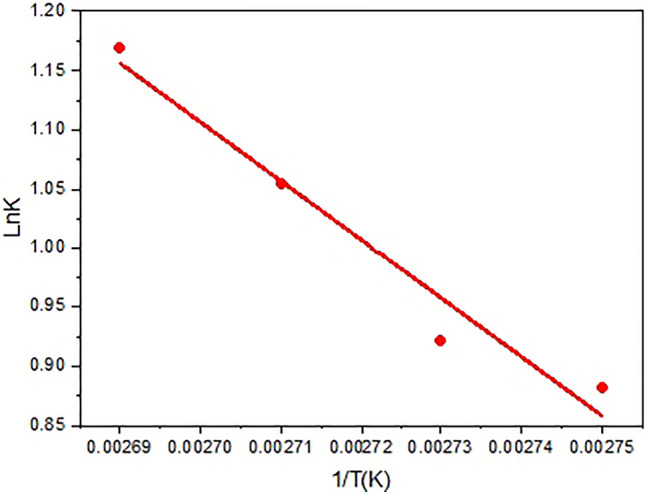
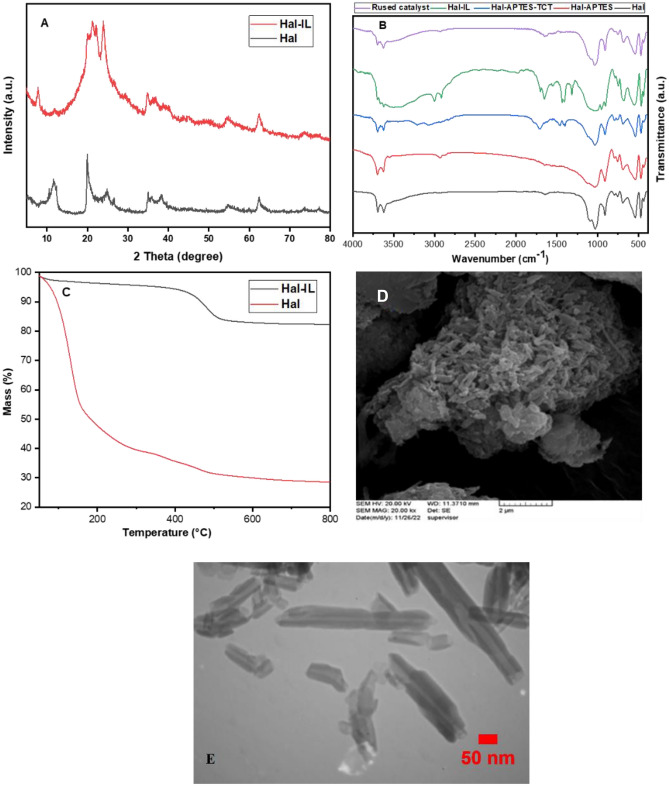
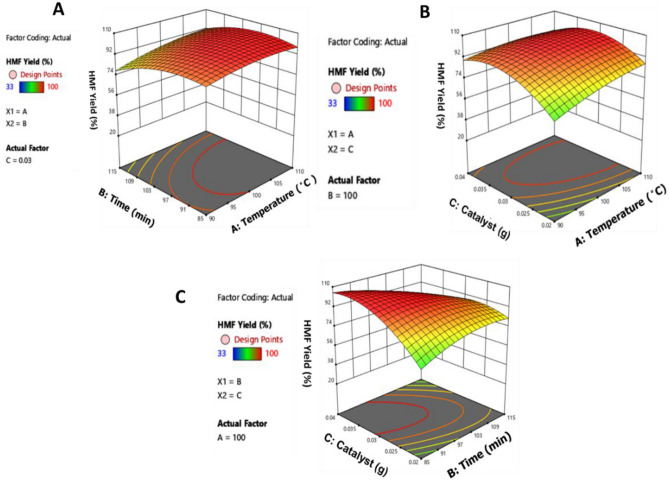
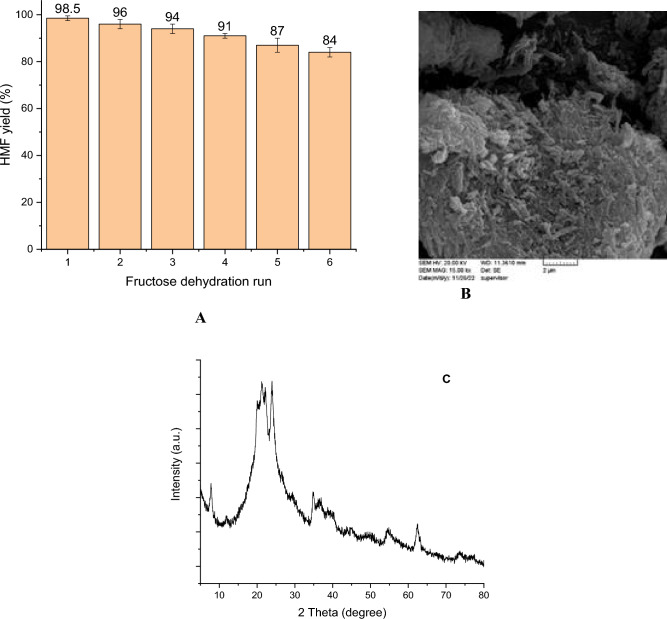
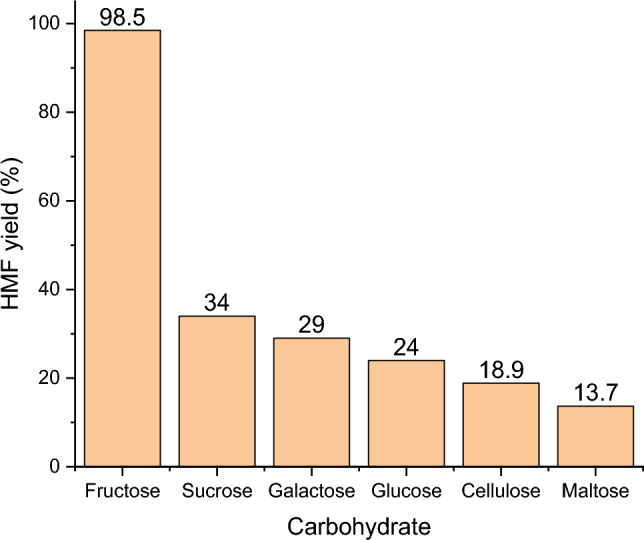
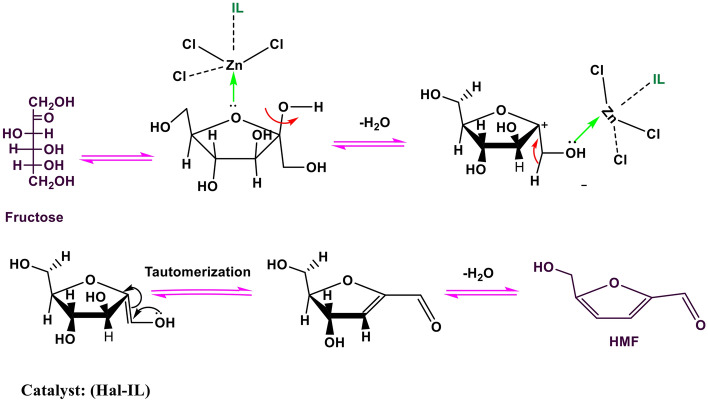
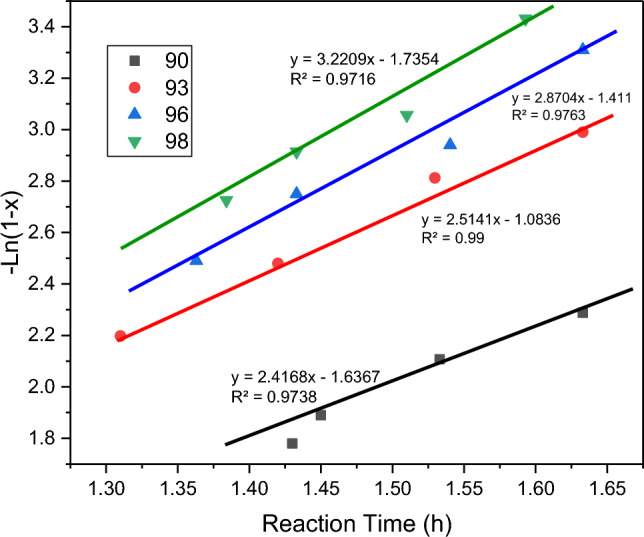
Caffeine and halloysite nanoclay mineral that are bio-based compounds were utilized to synthesize a novel Lewis acid heterogeneous catalyst. To this aim, halloysite was functionalized with 2,4,6-trichloro-1,3,5-triazine and reacted with caffeine, which was then converted to ionic liquid via a reaction with ZnCl. The catalyst was applied for promoting the dehydration of fructose to 5-hydroxymethylfurfural. To investigate the effects of the reaction variables, response surface methodology was used. The product was achieved in 98.5% in 100 min using a catalyst loading of 30 wt% at 100 °C. Moreover, the catalyst was recyclable up to six runs with slight zinc leaching. Comparison of the catalytic activity of the catalyst with that of halloysite and a control catalyst with one caffeine-based Lewis acid ionic liquid confirmed the superior activity of the former and the important role of 2,4,6-trichloro-1,3,5-triazine for increasing the number of the grafted caffeine and thus the acidic sites of the catalyst. A plausible reaction mechanism was proposed, and the activity of the catalyst for other carbohydrates was also studied. According to the results, this catalyst catalyzed the reaction of other substrates to furnish 5-hydroxymethylfurfural in low to moderate yields. According to the kinetic studies, the activation energy was estimated to be 22.85 kJ/mol.
咖啡因和作为生物基化合物的埃洛石纳米粘土矿物被用于合成一种新型的路易斯酸非均相催化剂。为此,埃洛石用2,4,6-三氯-1,3,5-三嗪进行功能化,并与咖啡因反应,然后咖啡因通过与氯化锌反应转化为离子液体。该催化剂用于促进果糖脱水生成5-羟甲基糠醛。为了研究反应变量的影响,采用了响应面法。在100℃下使用30 wt%的催化剂负载量,100分钟内产物收率达到98.5%。此外,该催化剂可循环使用多达六次,锌浸出量很少。将该催化剂与埃洛石以及一种含一种咖啡因基路易斯酸离子液体的对照催化剂的催化活性进行比较,证实了前者的优越活性以及2,4,6-三氯-1,3,5-三嗪对于增加接枝咖啡因数量从而增加催化剂酸性位点方面的重要作用。提出了一个合理的反应机理,并且还研究了该催化剂对其他碳水化合物的活性。根据结果,该催化剂催化其他底物反应生成5-羟甲基糠醛的产率为低到中等。根据动力学研究,估计活化能为22.85 kJ/mol。