Burns David A, Klatzky Roberta L, Peshkin Michael A, Colgate J Edward
Department of Mechanical Engineering, Northwestern University, Evanston, IL 60208, USA.
Department of Psychology, Carnegie Mellon, Pittsburgh, PA 15213, USA.
PNAS Nexus. 2024 Jan 4;3(1):pgad452. doi: 10.1093/pnasnexus/pgad452. eCollection 2024 Jan.
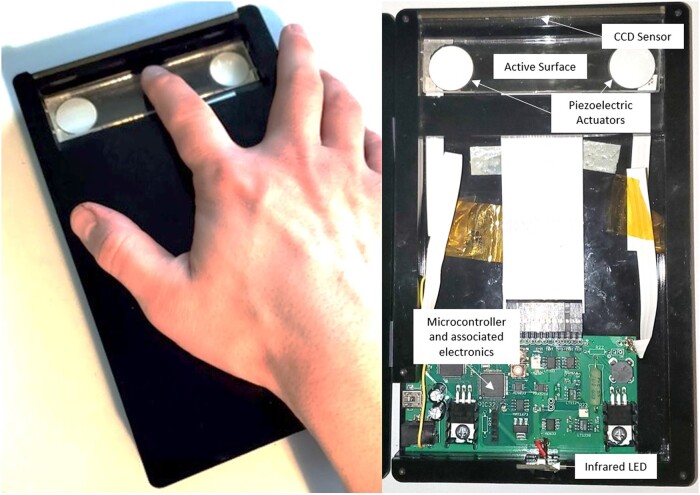
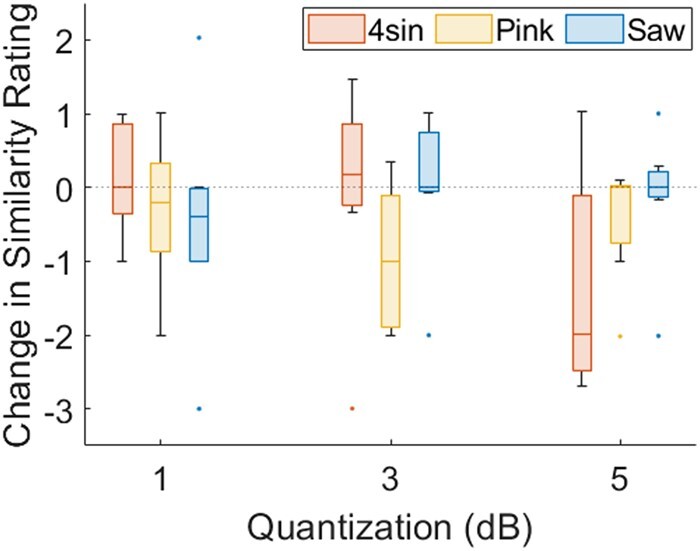
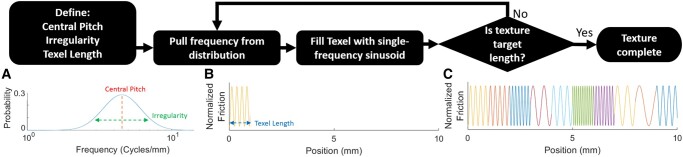
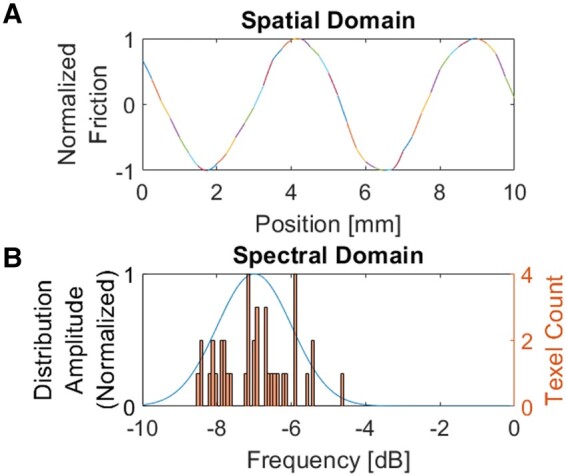
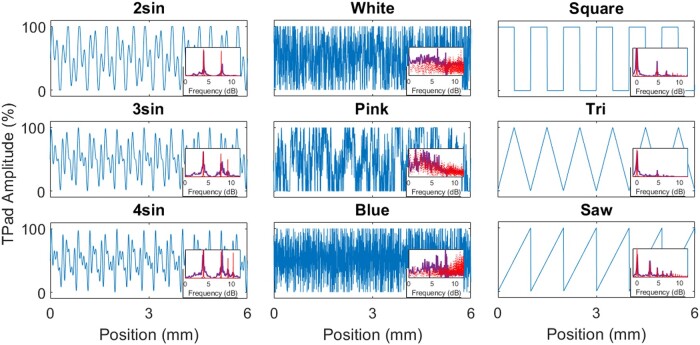
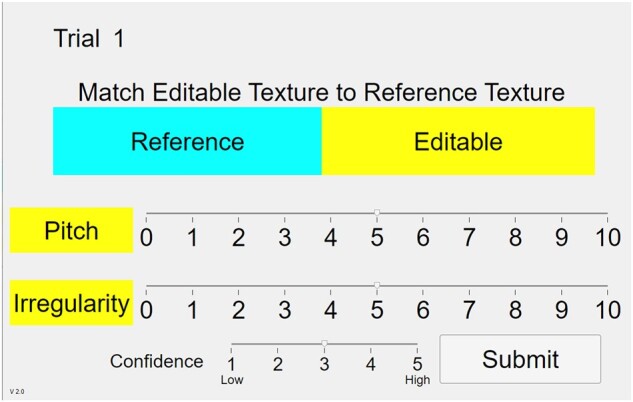
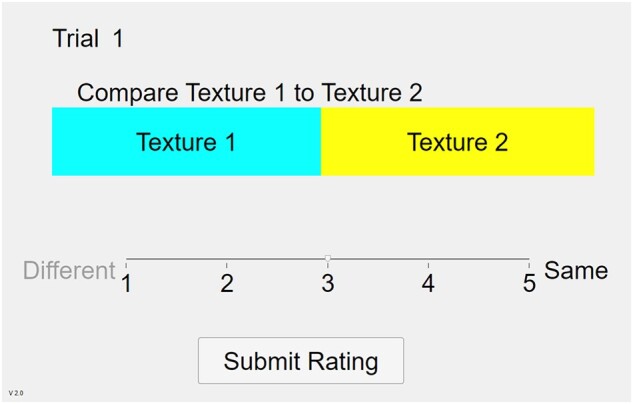
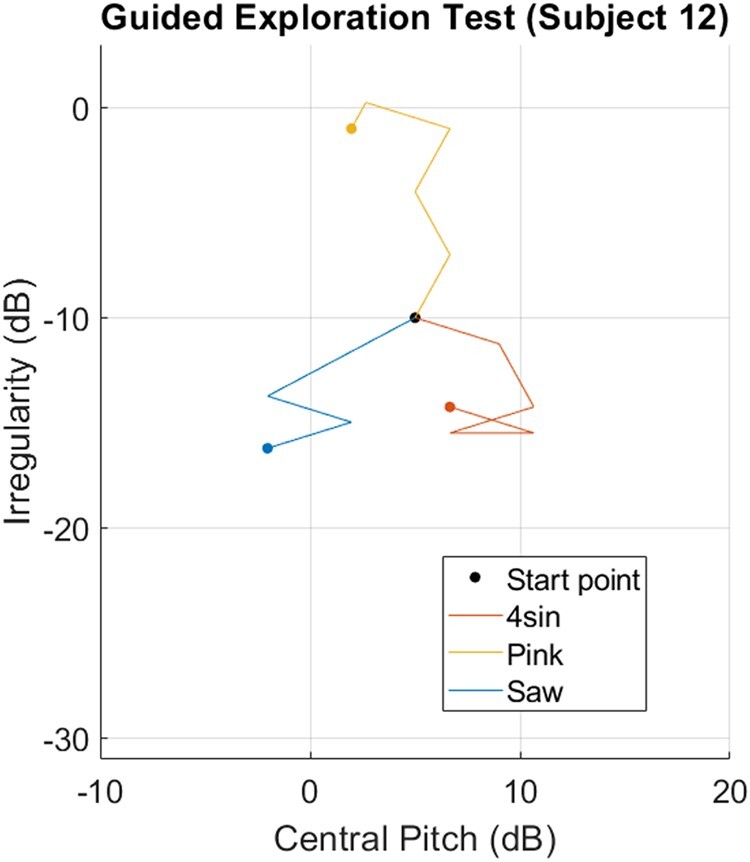
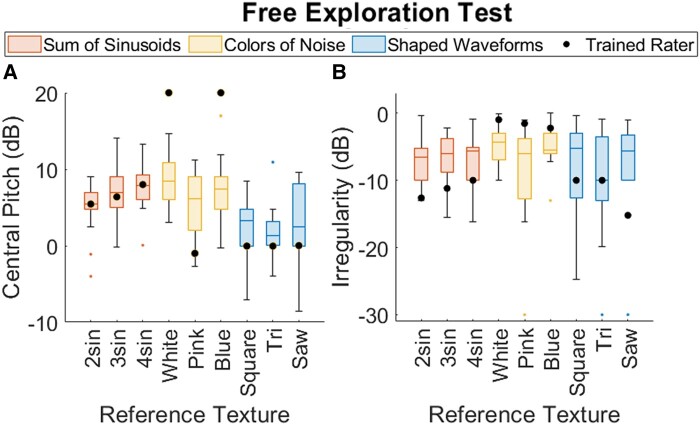
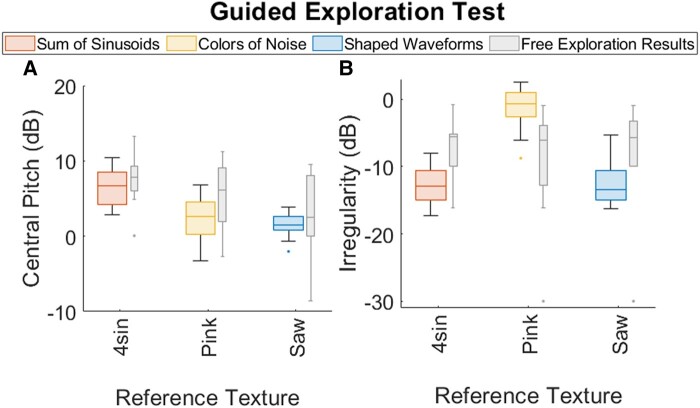
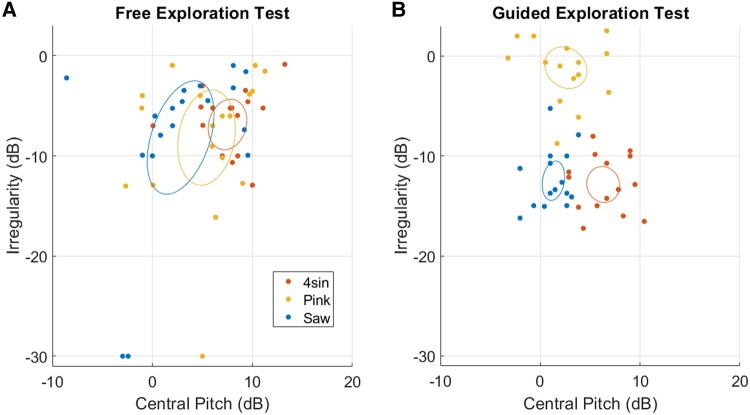
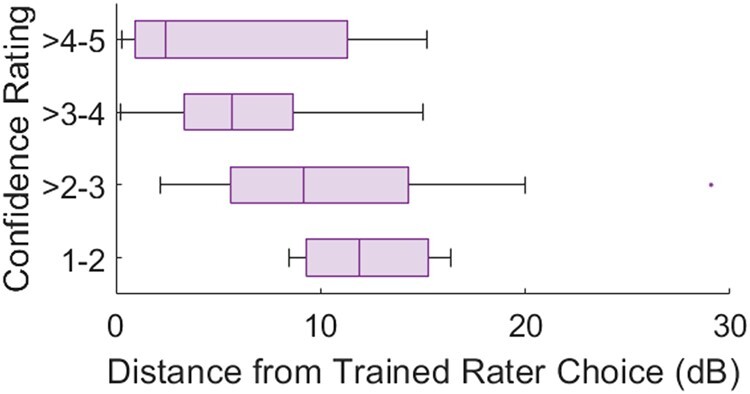
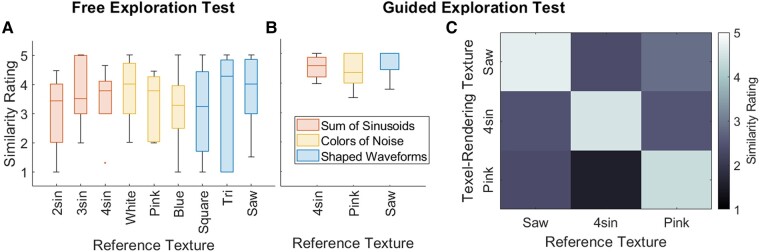
As the number of applications for tactile feedback technology rapidly increases, so too does the need for efficient, flexible, and extensible representations of virtual textures. The previously introduced Single-Pitch Texel rendering algorithm offers designers the ability to produce textures with perceptually wide-band spectral characteristics while requiring very few input parameters. This paper expands on the capabilities of the rendering algorithm. Diverse families of fine textures, with widely varied spectral characteristics, were shown to be rendered reliably using the Texel algorithm. Furthermore, by leveraging an assistive algorithm, subjects were shown to consistently navigate the Texel parameter space in a matching task. Finally, a psychophysical study was conducted to demonstrate the rendering algorithm's resilience to spectral quantization, further reducing the data required to represent a virtual texture.
随着触觉反馈技术应用数量的迅速增加,对虚拟纹理进行高效、灵活且可扩展表示的需求也随之增长。先前引入的单间距纹理元素渲染算法使设计师能够生成具有感知宽带频谱特征的纹理,同时所需的输入参数极少。本文扩展了该渲染算法的功能。结果表明,使用纹理元素算法能够可靠地渲染出具有广泛不同频谱特征的各种精细纹理家族。此外,通过利用一种辅助算法,在匹配任务中受试者能够始终如一地在纹理元素参数空间中导航。最后,进行了一项心理物理学研究,以证明该渲染算法对频谱量化的适应性,进一步减少了表示虚拟纹理所需的数据。