Verma J, Mishra R, Mazumdar A, Singh R, El-Gendy N Sh
Department of Biotechnology, Noida Institute of Engineering and Technology (NIET), Plot No. 19, Knowledge Park II, Institutional Area, Greater Noida, UP-201306, India.
Noida Institute of Engineering and Technology, Pharmacy Institute, Plot No. 19, Knowledge Park II, Institutional Area, Greater Noida, UP-201306, India.
Int J Biomater. 2023 Dec 30;2023:2516233. doi: 10.1155/2023/2516233. eCollection 2023.
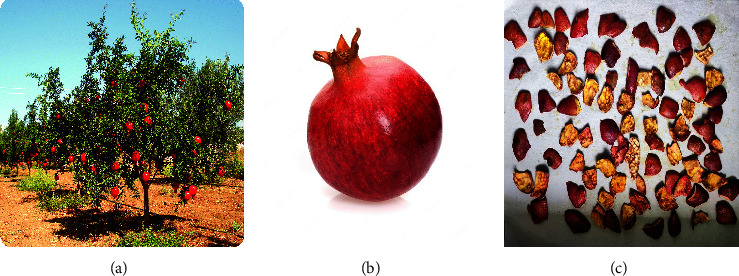
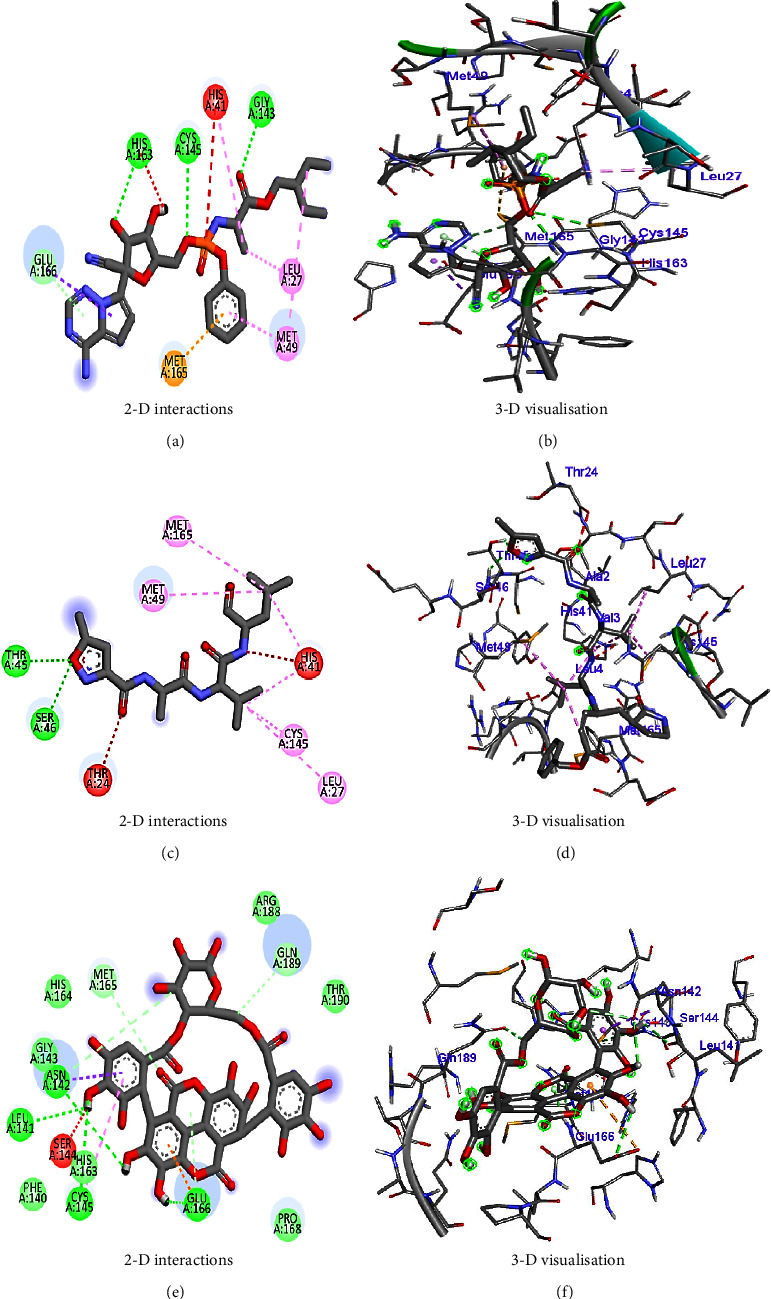
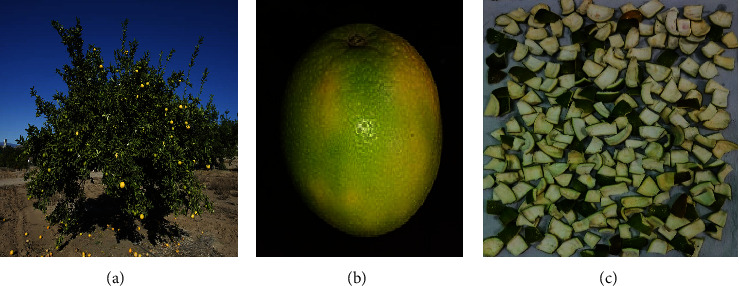
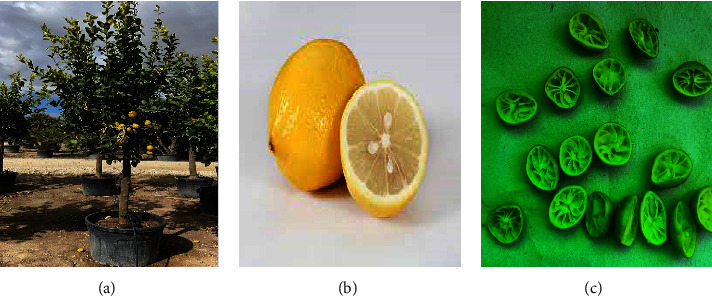
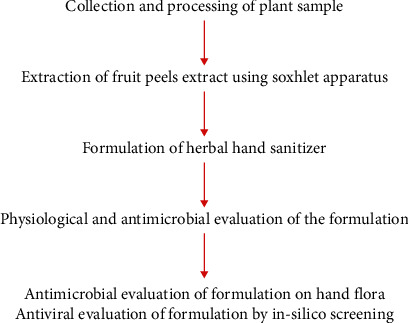
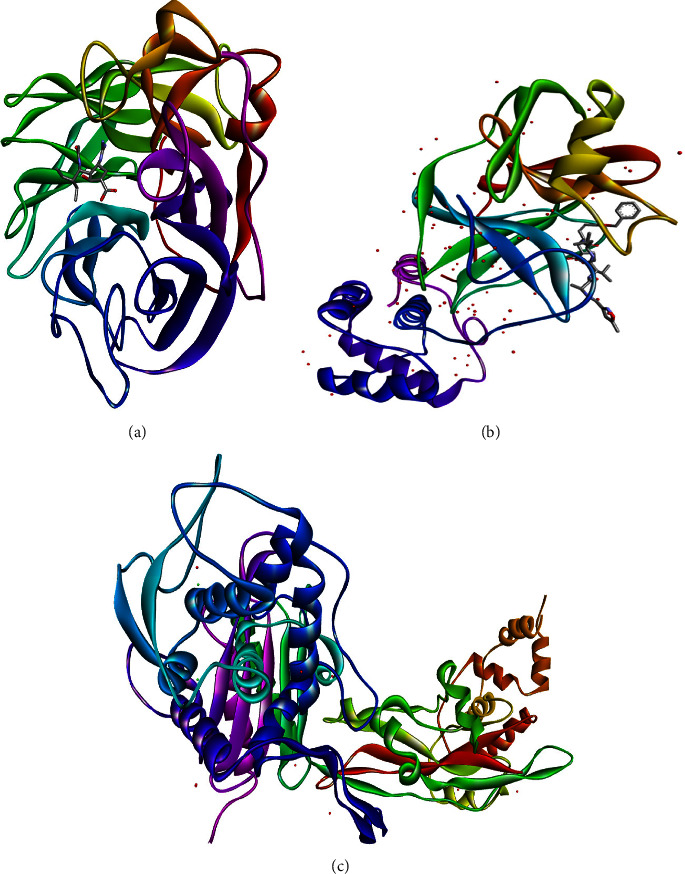
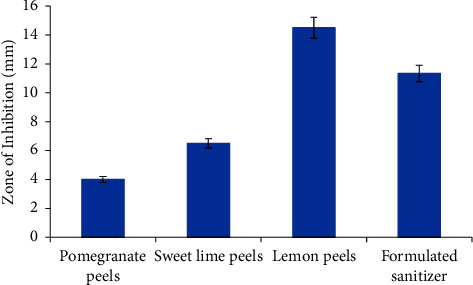
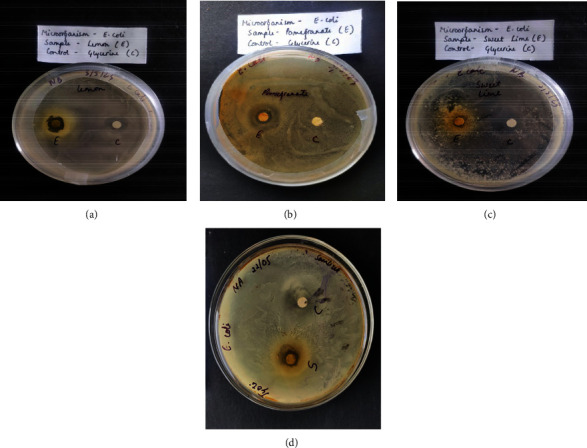
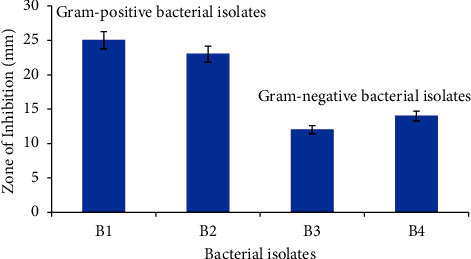
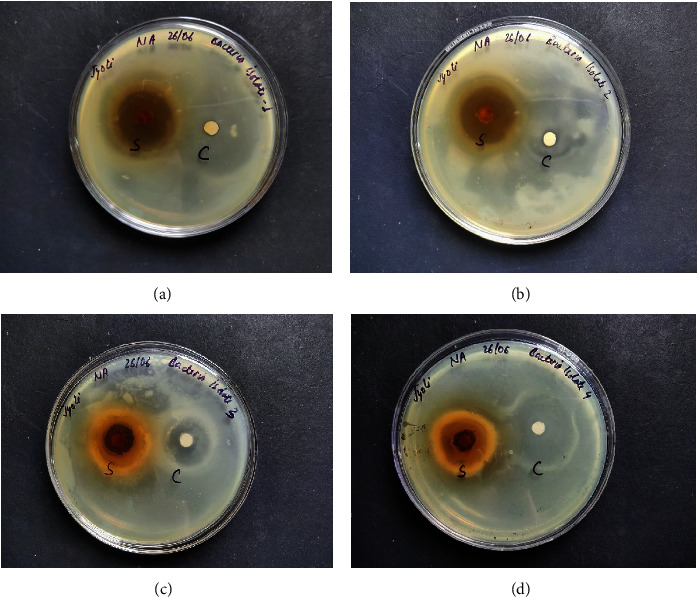
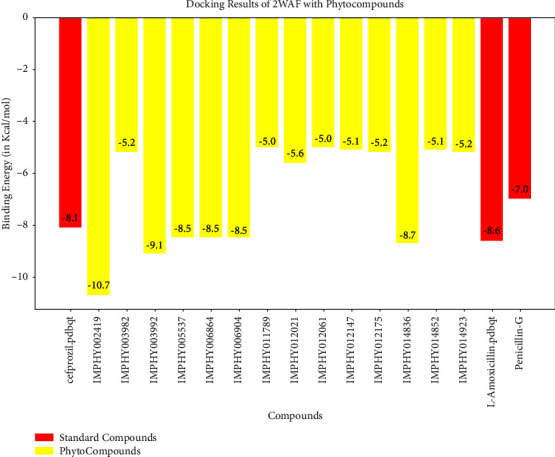
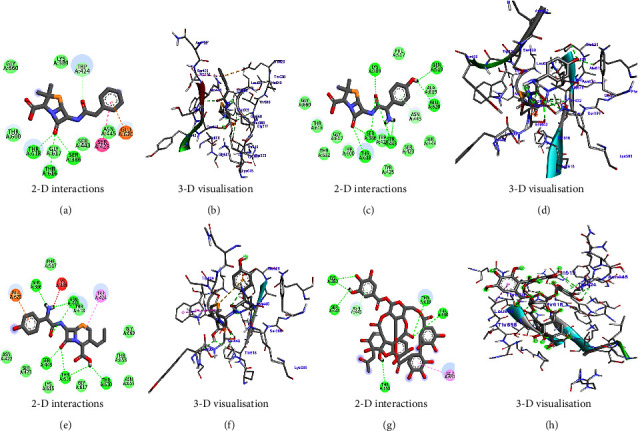
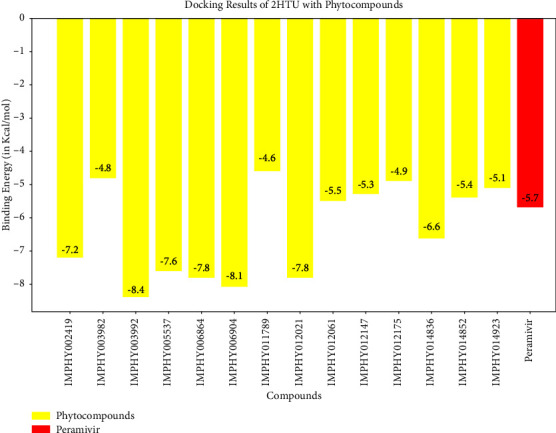
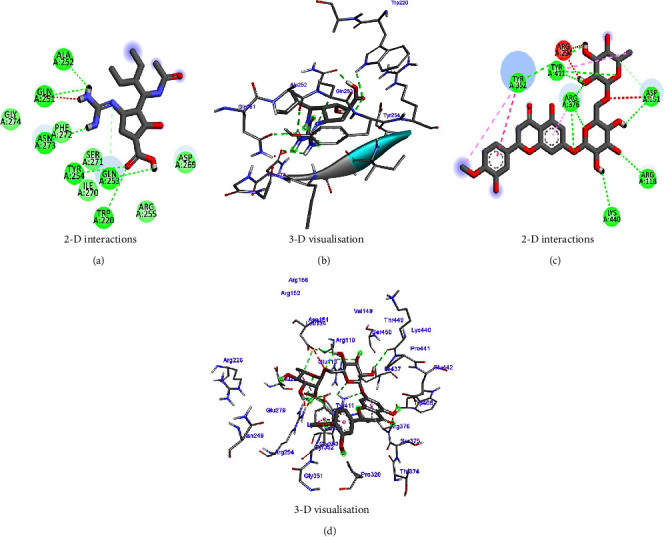
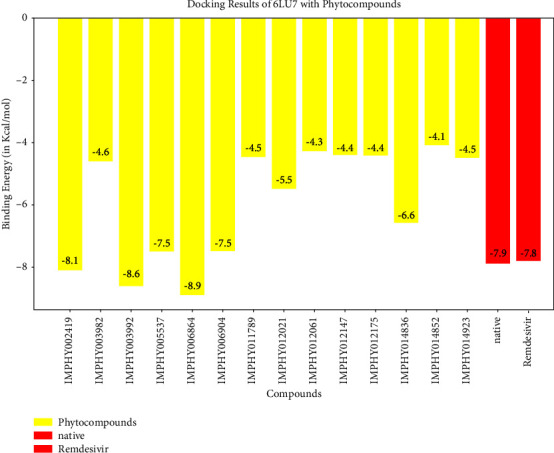
Hand sanitizer usage has proven to be a common and practical method for reducing the spread of infectious diseases which can be caused by many harmful pathogens. There is a need for alcohol-free hand sanitizers because most hand sanitizers on the market are alcohol-based, and regular use of them can damage the skin and can be hazardous. India is the world's largest producer of fruits and one of the major problems after fruit consumption is their peels, causing waste management problems and contributing to the formation of greenhouse gases leading to air pollution and adding to the problem of climate change. Valorization of such wastes into other value-added products and their incorporation into formulations of eco-friendly alcohol-free hand sanitizers would solve these issues, save the environment, benefit the society, and help in achieving the sustainable development goals. Thus, this research focuses on formulating an effective natural alcohol-free hand sanitizer that harnesses the antimicrobial properties of the various types of bioactive components found in fruit peels of pomegranate, sweet lime, and lemon. The peel extracts and the formulated sanitizer proved considerable antimicrobial activity against the pathogenic and hand microflora. Molecular docking was also applied to examine ligand-protein interaction patterns and predict binding conformers and affinity of the sanitizer phytocompounds towards target proteins in COVID-19, influenza, and pneumonia viruses. The binding affinities and the protein-ligand interactions virtual studies revealed that the sanitizer phytocompounds bind with the amino acids in the target proteins' active sites via hydrogen bonding interactions. As a result, it is possible to formulate a natural, alcohol-free hand sanitizer from fruit peels that is effective against pathogenic germs and viruses using the basic structure of these potential findings.
事实证明,使用洗手液是一种常见且实用的方法,可减少由许多有害病原体引起的传染病传播。无酒精洗手液是有必要的,因为市场上大多数洗手液都是酒精基的,经常使用会损害皮肤且具有危险性。印度是世界上最大的水果生产国,水果消费后的一个主要问题是果皮,这会导致废物管理问题,并导致温室气体形成,进而造成空气污染并加剧气候变化问题。将此类废物转化为其他增值产品,并将其纳入环保型无酒精洗手液配方中,将解决这些问题,保护环境,造福社会,并有助于实现可持续发展目标。因此,本研究的重点是配制一种有效的天然无酒精洗手液,利用石榴、甜橙和柠檬果皮中发现的各种生物活性成分的抗菌特性。果皮提取物和配制的洗手液对致病微生物和手部微生物群具有相当的抗菌活性。分子对接还用于检查配体-蛋白质相互作用模式,并预测洗手液植物化合物对新冠病毒、流感病毒和肺炎病毒中靶蛋白的结合构象和亲和力。结合亲和力和蛋白质-配体相互作用的虚拟研究表明,洗手液植物化合物通过氢键相互作用与靶蛋白活性位点中的氨基酸结合。因此,利用这些潜在发现的基本结构,有可能从果皮中配制出一种对致病细菌和病毒有效的天然无酒精洗手液。