Reta Lila Weston Institute of Neurological Studies and Department of Movement neuroscience, UCL Queen Square Institute of Neurology, London WC1N 1PJ, UK.
Center for Translational Research in Neurodegenerative Disease, Department of Neurology, University of Florida, Gainesville, FL 32610, USA.
Cells. 2023 Dec 26;13(1):53. doi: 10.3390/cells13010053.
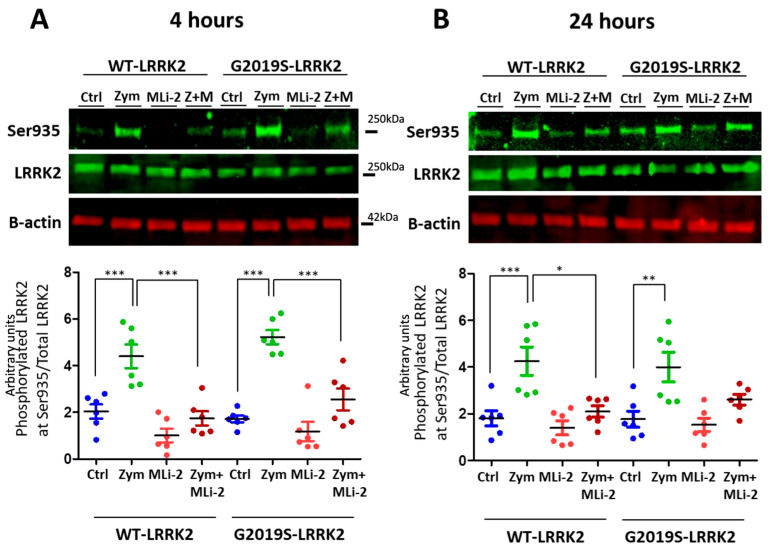
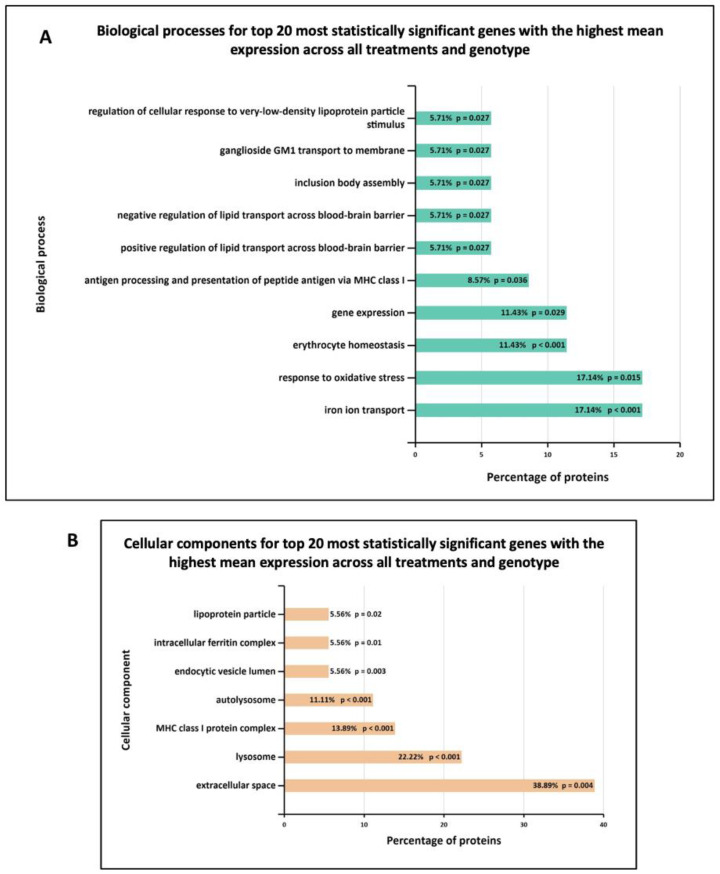
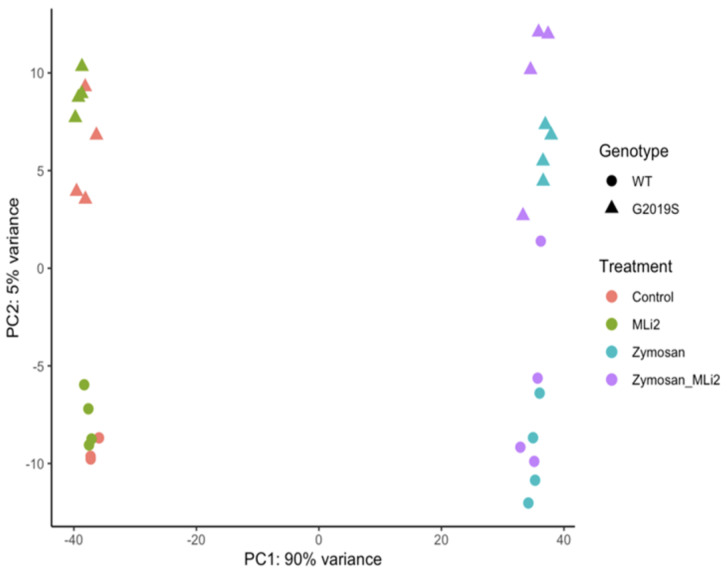
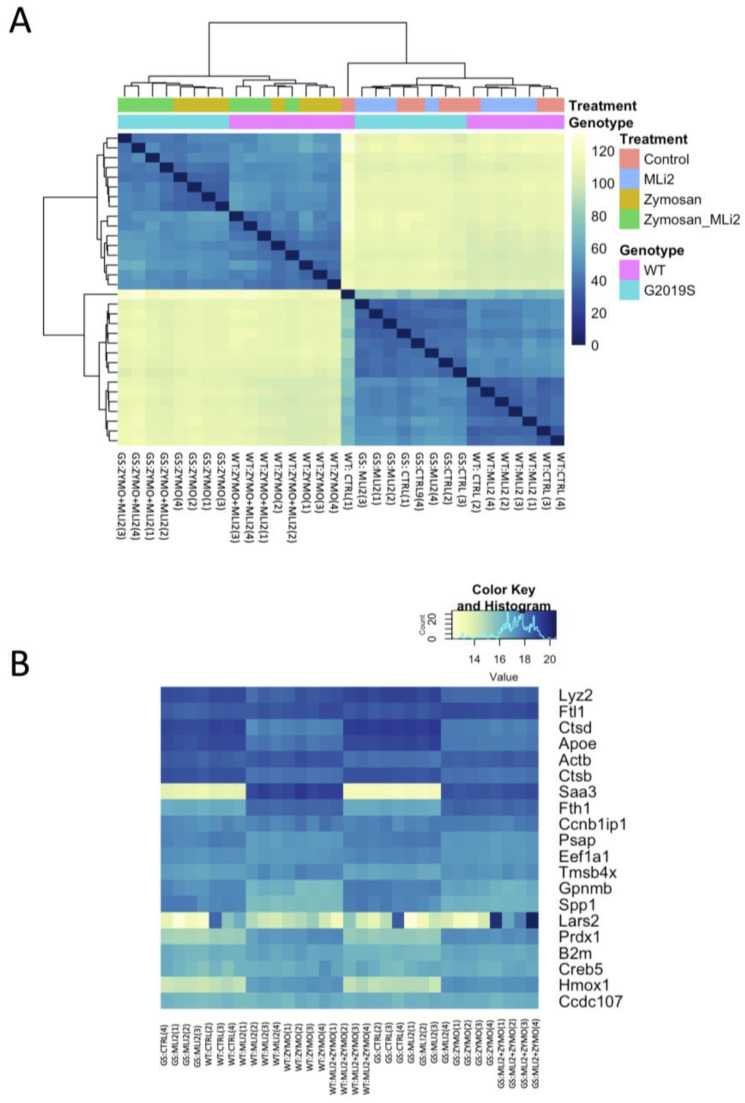
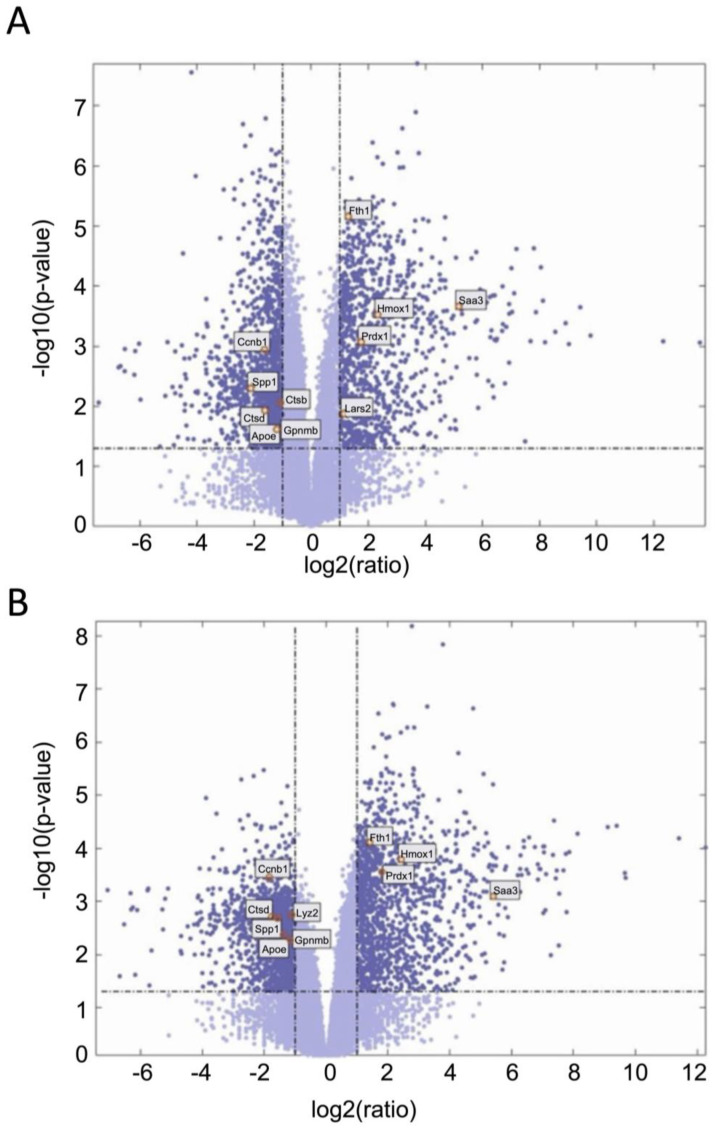
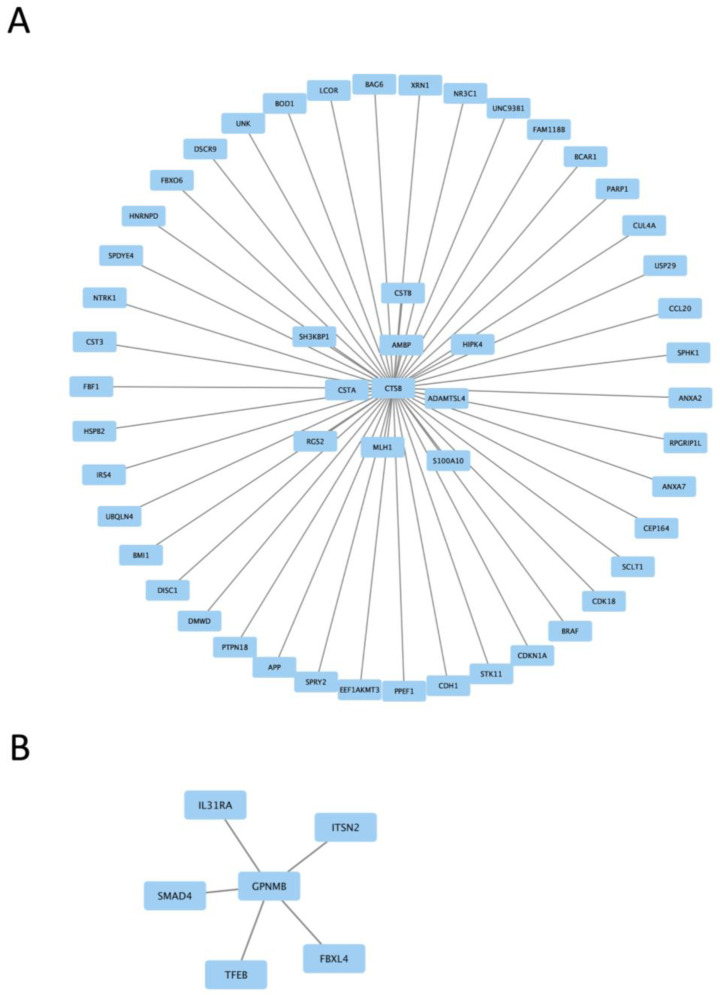
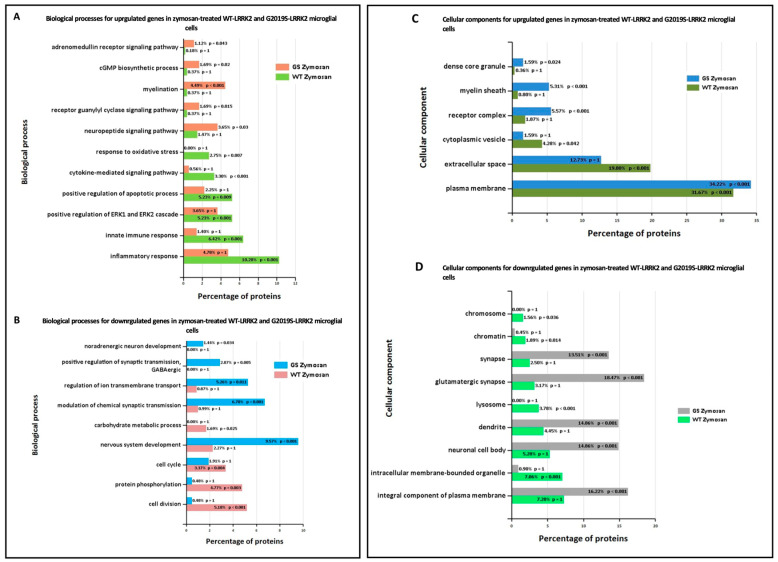
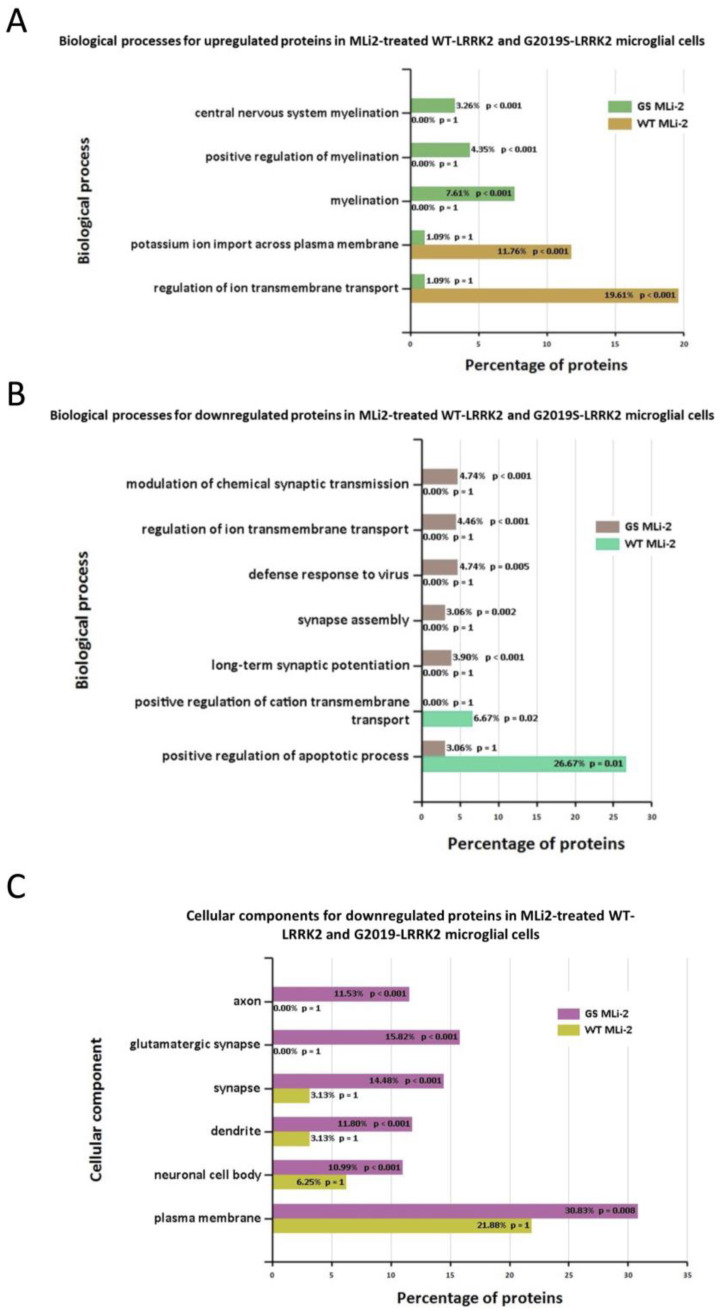
Mutations in the leucine-rich repeat kinase 2 () gene cause autosomal dominant Parkinson's disease (PD), with the most common causative mutation being the p.G2019S within the kinase domain. LRRK2 protein is highly expressed in the human brain and also in the periphery, and high expression of dominant PD genes in immune cells suggests involvement of microglia and macrophages in inflammation related to PD. LRRK2 is known to respond to extracellular signalling including TLR4, resulting in alterations in gene expression, with the response to TLR2 signalling through zymosan being less known. Here, we investigated the effects of zymosan, a TLR2 agonist and the potent and specific LRRK2 kinase inhibitor MLi-2 on gene expression in microglia from and p.G2019S knock-in mice by RNA-sequencing analysis. We observed both overlapping and distinct zymosan and MLi-2 mediated gene expression profiles in microglia. At least two candidate genome-wide association (GWAS) hits for PD, CathepsinB () and Glycoprotein-nmb (), were notably downregulated by zymosan treatment. Genes involved in inflammatory response and nervous system development were up and downregulated, respectively, with zymosan treatment, while MLi-2 treatment particularly exhibited upregulated genes for ion transmembrane transport regulation. Furthermore, we observed that the top twenty most significantly differentially expressed genes in p.G2019S microglia show enriched biological processes in iron transport and response to oxidative stress. Overall, these results suggest that microglial LRRK2 may contribute to PD pathogenesis through altered inflammatory pathways. Our findings should encourage future investigations of these putative avenues in the context of PD pathogenesis.
LRRK2 基因突变导致常染色体显性遗传帕金森病(PD),最常见的致病突变是激酶结构域内的 p.G2019S。LRRK2 蛋白在人脑和外周组织中高度表达,而免疫细胞中显性 PD 基因的高表达提示小胶质细胞和巨噬细胞参与 PD 相关炎症。已知 LRRK2 对外界信号做出反应,包括 TLR4,导致基因表达改变,而 TLR2 信号通过酵母聚糖的反应则知之甚少。在这里,我们通过 RNA-seq 分析研究了酵母聚糖(TLR2 激动剂和有效的、特异的 LRRK2 激酶抑制剂 MLi-2)对来自 和 p.G2019S 敲入小鼠的小胶质细胞基因表达的影响。我们观察到酵母聚糖和 MLi-2 介导的小胶质细胞基因表达谱既有重叠又有不同。至少有两个 PD 的全基因组关联(GWAS)候选基因,组织蛋白酶 B()和糖蛋白-nmb(),在酵母聚糖处理后明显下调。参与炎症反应和神经系统发育的基因分别上调和下调,而 MLi-2 处理则特别显示出离子跨膜转运调节的上调基因。此外,我们观察到在 p.G2019S 小胶质细胞中,前 20 个差异表达最显著的基因富集了铁运输和氧化应激反应的生物学过程。总之,这些结果表明小胶质细胞 LRRK2 可能通过改变炎症途径导致 PD 发病机制。我们的发现应该鼓励未来在 PD 发病机制的背景下对这些潜在途径进行研究。