Institute of Plant Protection, Shandong Academy of Agricultural Sciences, 23788 Gongye North Road, Jinan 250100, China.
Key Laboratory of Natural Enemies Insects, Ministry of Agriculture and Rural Affairs, Jinan 250100, China.
Int J Mol Sci. 2023 Dec 26;25(1):326. doi: 10.3390/ijms25010326.
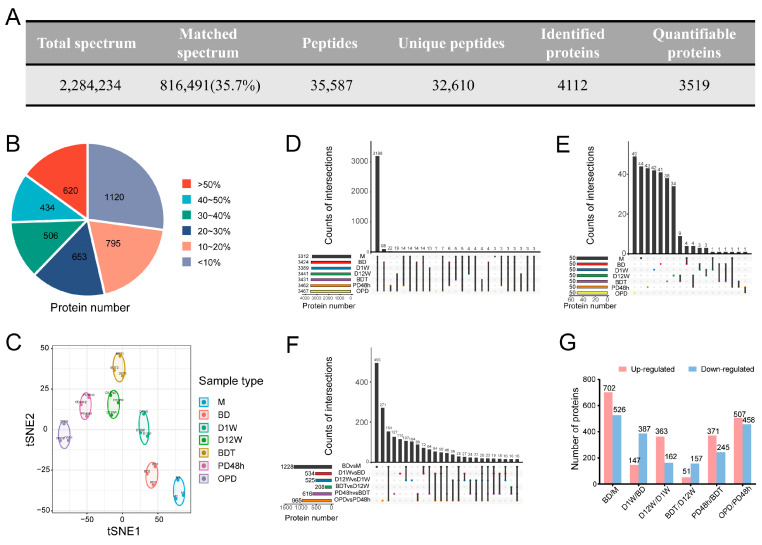
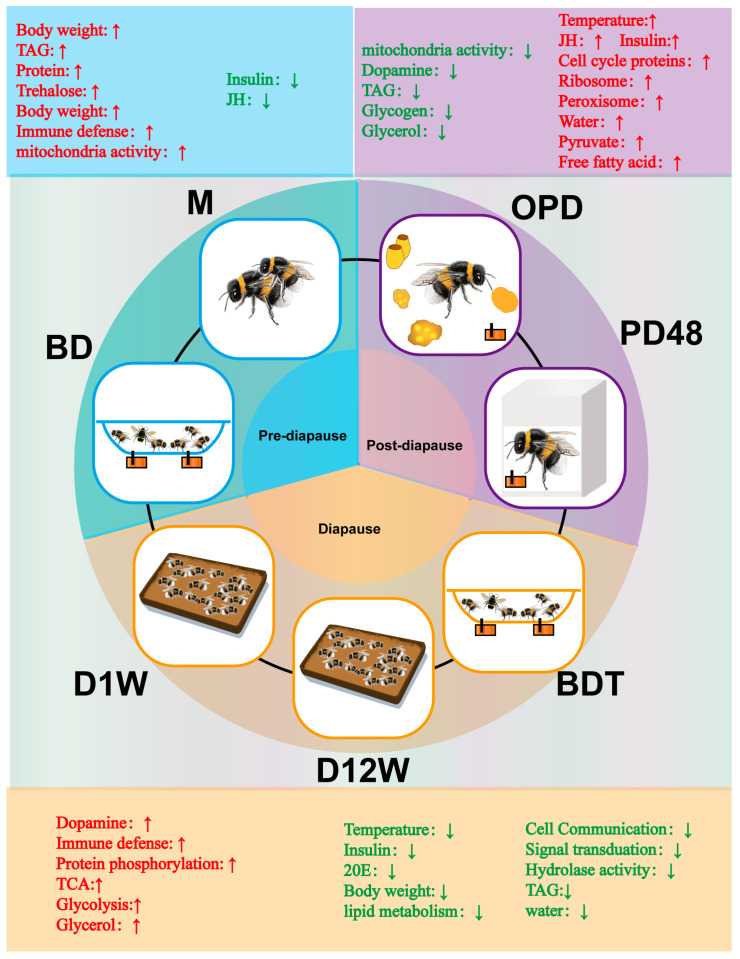
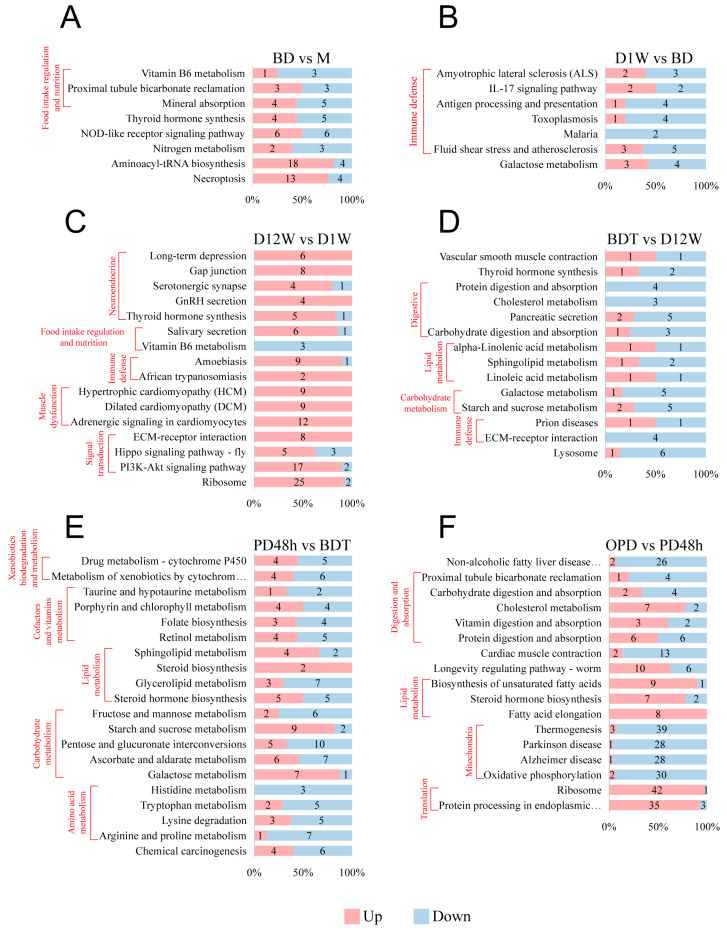
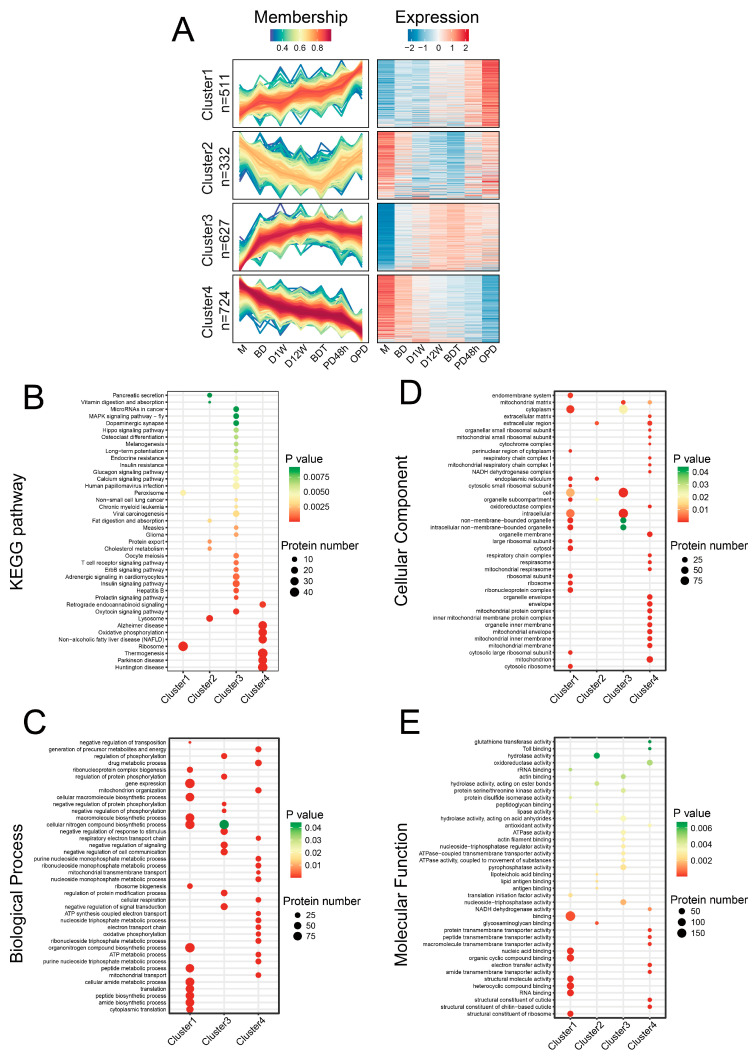
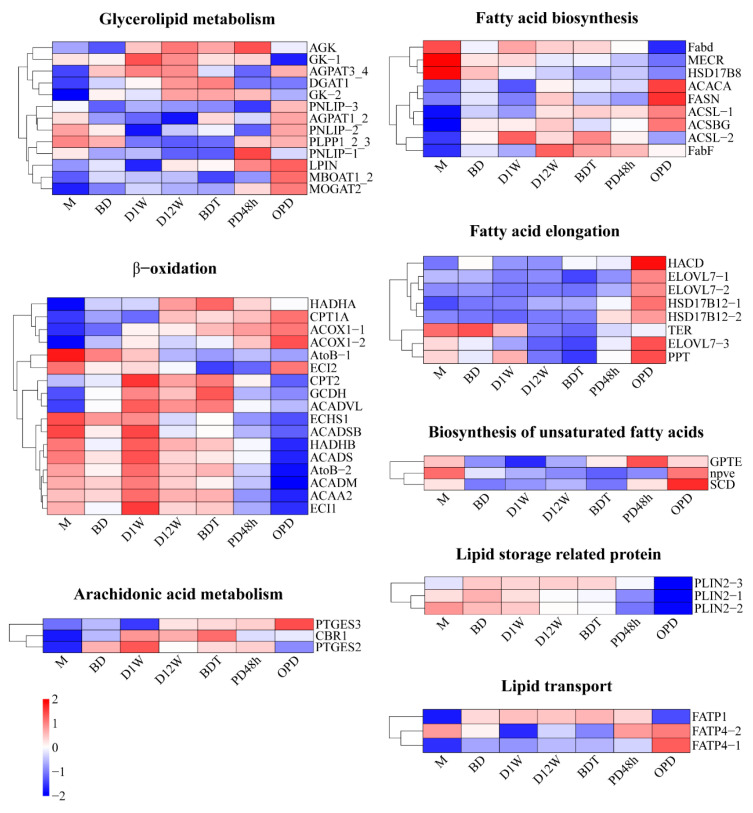
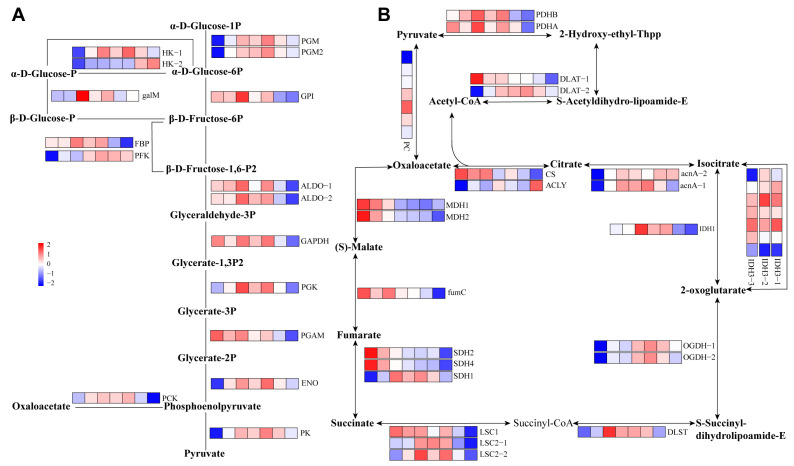
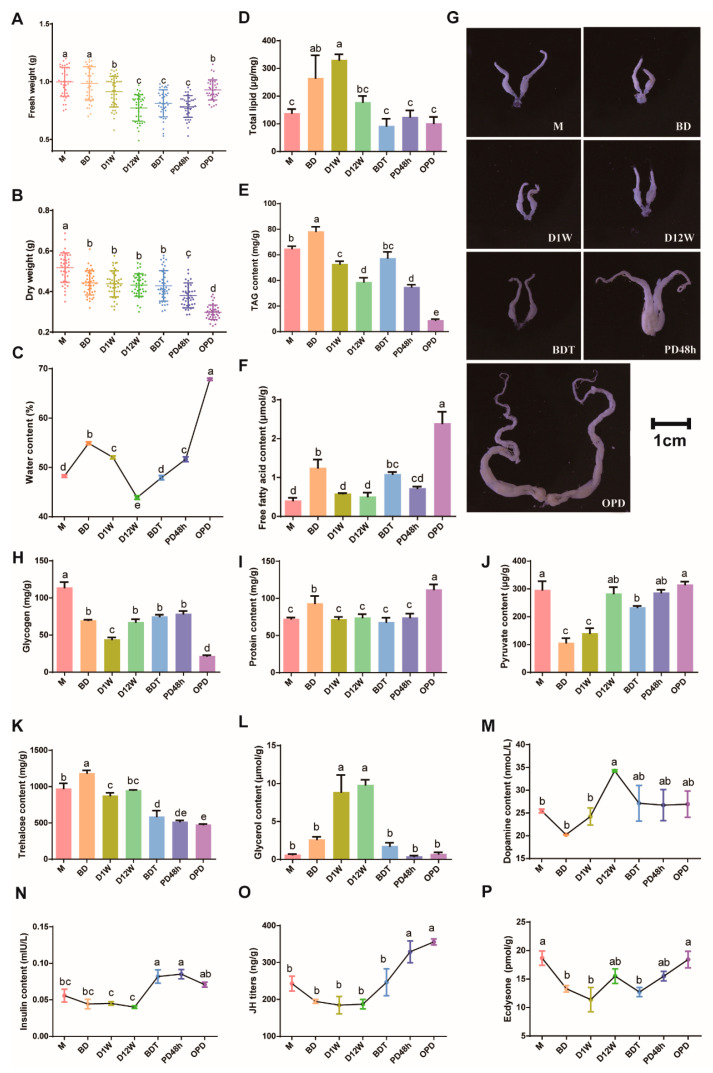
Diapause, an adaptative strategy for survival under harsh conditions, is a dynamic multi-stage process. , an important agricultural pollinator, is declining in the wild, but artificial breeding is possible by imitating natural conditions. Mated queen bees enter reproductive diapause in winter and recover in spring, but the regulatory mechanisms remain unclear. Herein, we conducted a comparative 4D label-free proteomic analysis of queen bees during artificial breeding at seven timepoints, including pre-diapause, diapause, and post-diapause stages. Through bioinformatics analysis of proteomic and detection of substance content changes, our results found that, during pre-diapause stages, queen bees had active mitochondria with high levels of oxidative phosphorylation, high body weight, and glycogen and TAG content, all of which support energy consumption during subsequent diapause. During diapause stages, body weight and water content were decreased but glycerol increased, contributing to cold resistance. Dopamine content, immune defense, and protein phosphorylation were elevated, while fat metabolism, protein export, cell communication, signal transduction, and hydrolase activity decreased. Following diapause termination, JH titer, water, fatty acid, and pyruvate levels increased, catabolism, synaptic transmission, and insulin signaling were stimulated, ribosome and cell cycle proteins were upregulated, and cell proliferation was accelerated. Meanwhile, TAG and glycogen content decreased, and ovaries gradually developed. These findings illuminate changes occurring in queen bees at different diapause stages during commercial production.
滞育是一种在恶劣条件下生存的适应性策略,是一个动态的多阶段过程。蜜蜂是重要的农业传粉媒介,在野外数量不断减少,但通过模拟自然条件进行人工养殖是可能的。交配后的蜂王在冬季进入生殖滞育期,并在春季恢复,但调控机制尚不清楚。在此,我们对蜂王在人工养殖过程中的七个时间点(包括预滞育期、滞育期和后滞育期)进行了比较的 4D 无标记蛋白质组学分析。通过蛋白质组学的生物信息学分析和物质含量变化的检测,我们的结果发现,在预滞育期,蜂王的线粒体活跃,氧化磷酸化水平高,体重高,糖原和 TAG 含量高,所有这些都支持随后滞育期的能量消耗。在滞育期,体重和水分含量降低,但甘油含量增加,有助于抗寒。多巴胺含量、免疫防御和蛋白质磷酸化水平升高,而脂肪代谢、蛋白质输出、细胞通讯、信号转导和水解酶活性降低。滞育结束后,JH 滴度、水、脂肪酸和丙酮酸水平增加,分解代谢、突触传递和胰岛素信号被刺激,核糖体和细胞周期蛋白上调,细胞增殖加速。同时,TAG 和糖原含量降低,卵巢逐渐发育。这些发现阐明了蜂王在商业生产中不同滞育阶段的变化。