Shareef Usman, Altaf Aisha, Ahmed Madiha, Akhtar Nosheen, Almuhayawi Mohammed S, Al Jaouni Soad K, Selim Samy, Abdelgawad Mohamed A, Nagshabandi Mohammed K
Shifa College of Pharmaceutical Sciences, Shifa Tameer-e-Millat University, Islamabad 44000, Pakistan.
Department of Biological Sciences, National University of Medical Sciences, Rawalpindi 43600, Pakistan.
Saudi Pharm J. 2024 Jan;32(1):101913. doi: 10.1016/j.jsps.2023.101913. Epub 2023 Dec 10.
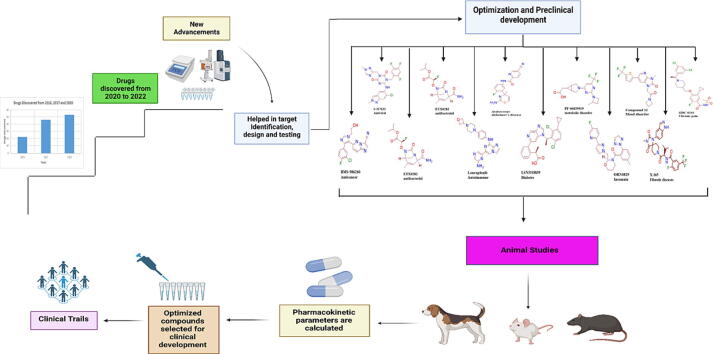
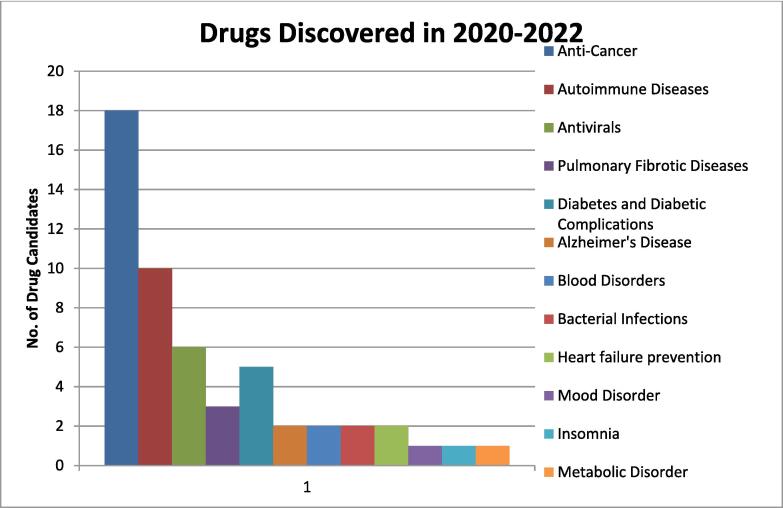
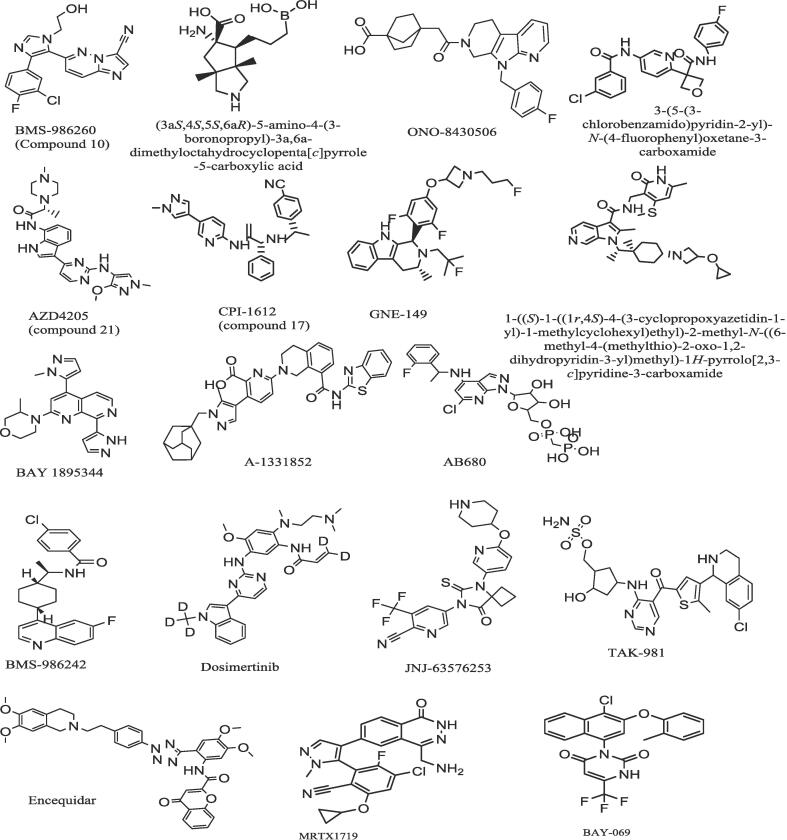
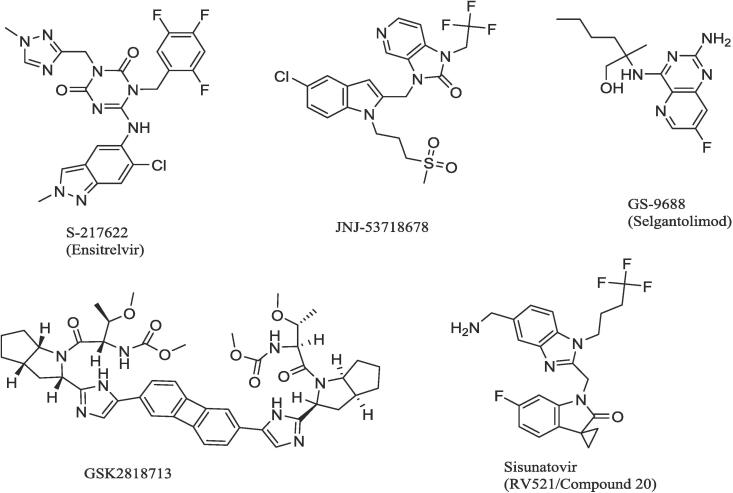
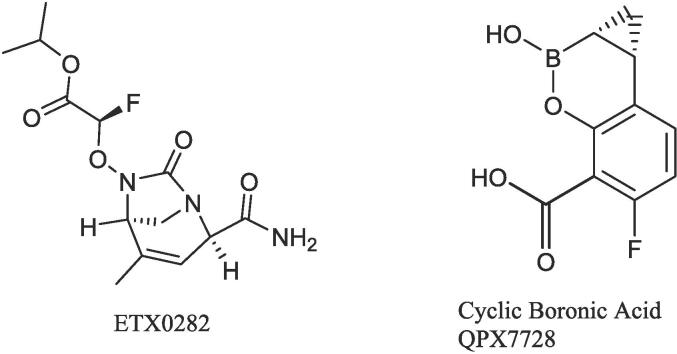
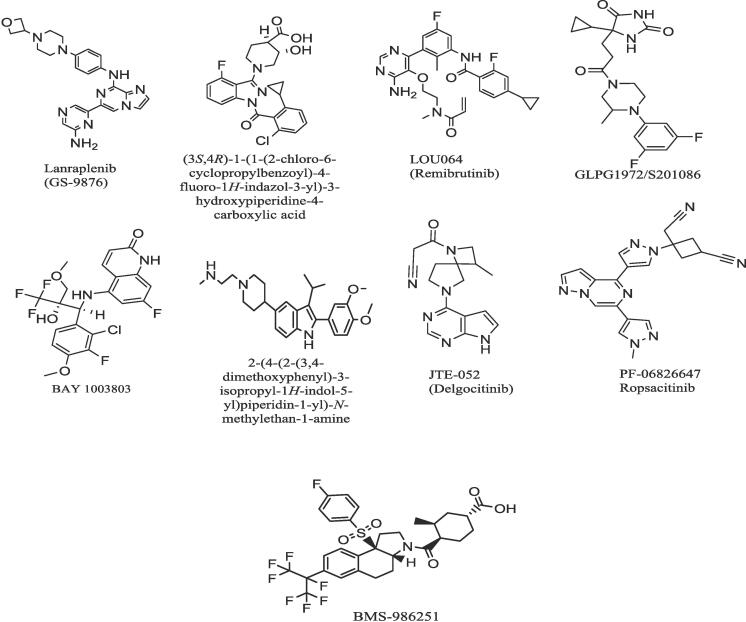
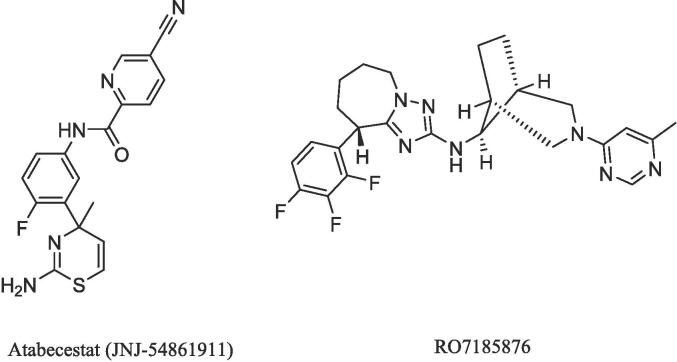
To fully evaluate and define the new drug molecule for its pharmacological characteristics and toxicity profile, pre-clinical and clinical studies are conducted as part of the drug research and development process. The average time required for all drug development processes to finish various regulatory evaluations ranges from 11.4 to 13.5 years, and the expense of drug development is rising quickly. The development in the discovery of newer novel treatments is, however, largely due to the growing need for new medications. Methods to identify Hits and discovery of lead compounds along with pre-clinical studies have advanced, and one example is the introduction of computer-aided drug design (CADD), which has greatly shortened the time needed for the drug to go through the drug discovery phases. The pharmaceutical industry will hopefully be able to address the present and future issues and will continue to produce novel molecular entities (NMEs) to satisfy the expanding unmet medical requirements of the patients as the success rate of the drug development processes is increasing. Several heterocyclic moieties have been developed and tested against many targets and proved to be very effective. In-depth discussion of the drug design approaches of newly found drugs from 2020 to 2022, including their pharmacokinetic and pharmacodynamic profiles and in-vitro and in-vivo assessments, is the main goal of this review. Considering the many stages these drugs are going through in their clinical trials, this investigation is especially pertinent. It should be noted that synthetic strategies are not discussed in this review; instead, they will be in a future publication.
为了全面评估和定义新药物分子的药理特性和毒性特征,在药物研发过程中会进行临床前和临床研究。完成各种监管评估所需的所有药物研发过程的平均时间为11.4至13.5年,且药物研发成本正在迅速上升。然而,新型治疗方法的发现很大程度上是由于对新药物的需求不断增加。识别活性化合物和发现先导化合物的方法以及临床前研究都有了进展,一个例子是计算机辅助药物设计(CADD)的引入,它大大缩短了药物通过药物发现阶段所需的时间。随着药物研发过程成功率的提高,制药行业有望能够解决当前和未来的问题,并将继续生产新型分子实体(NMEs)以满足患者不断增长的未满足医疗需求。已经开发了几种杂环部分并针对许多靶点进行了测试,证明非常有效。本综述的主要目标是深入讨论2020年至2022年新发现药物的药物设计方法,包括它们的药代动力学和药效学特征以及体外和体内评估。考虑到这些药物在临床试验中所经历的多个阶段,这项研究尤为相关。需要注意的是,本综述不讨论合成策略;相反,它们将在未来的出版物中介绍。