Sakai Shunsuke, Chen Shuoye, Matsuo-Ueda Miyuki, Umemura Kenji
Laboratory of Sustainable Materials, Research Institute for Sustainable Humanosphere, Kyoto University, Gokasho, Uji, Kyoto 611-0011, Japan.
Polymers (Basel). 2023 Nov 30;15(23):4592. doi: 10.3390/polym15234592.
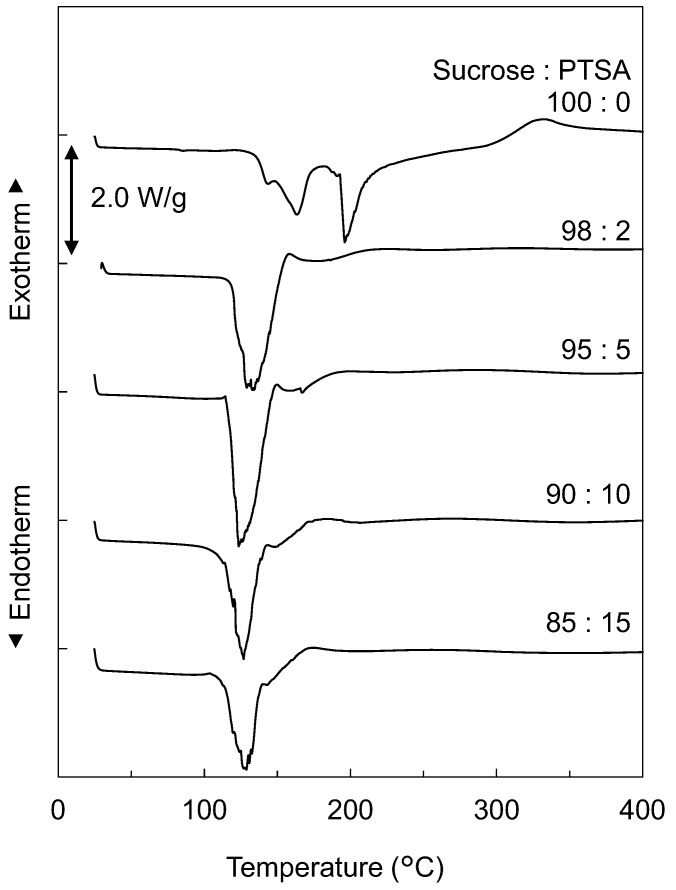
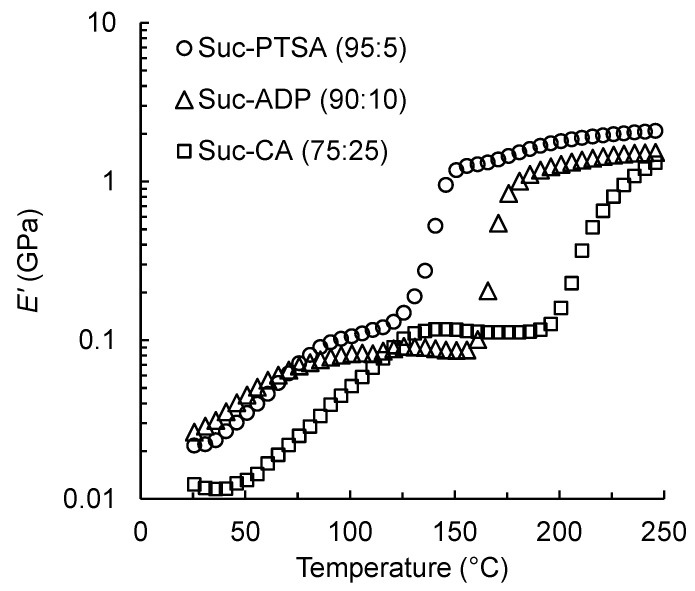
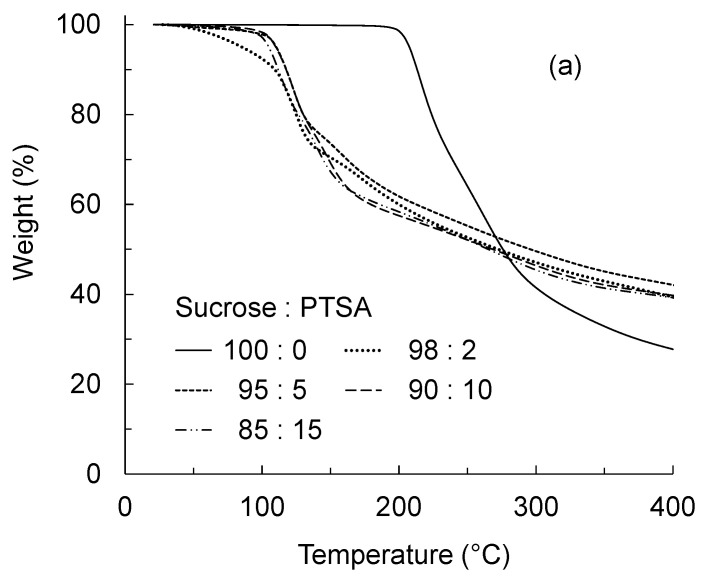
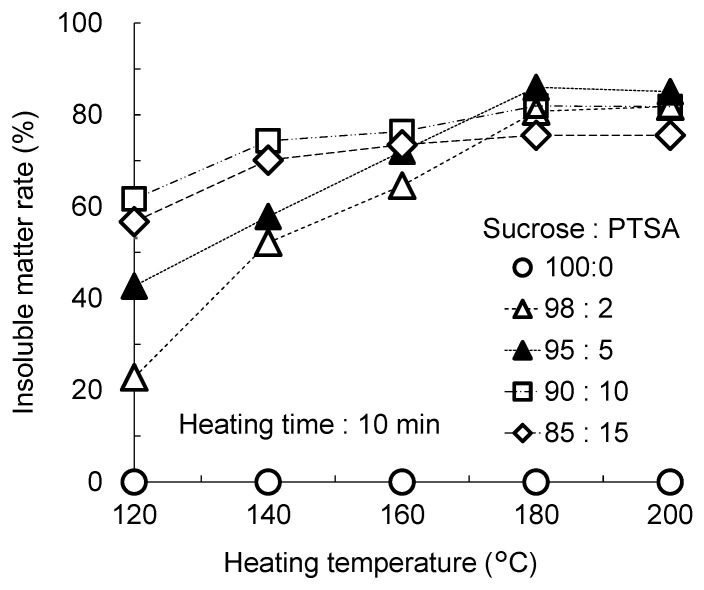
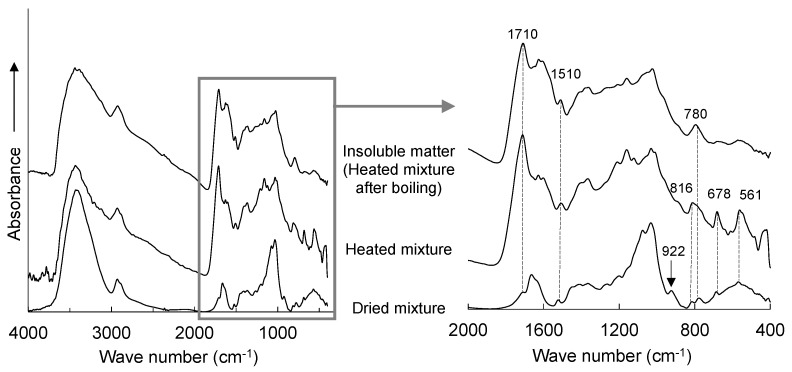
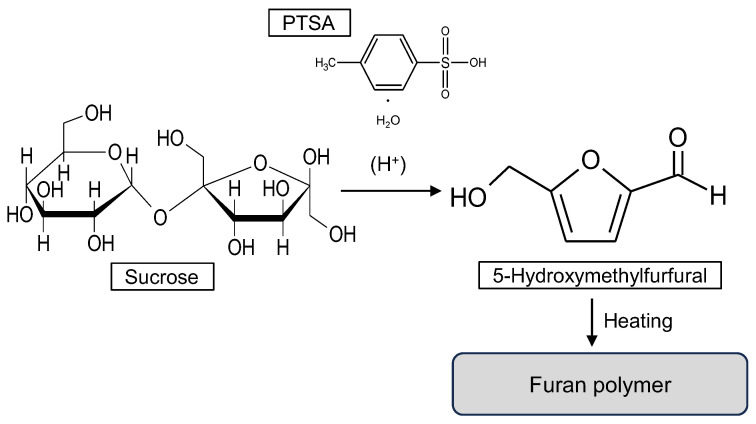
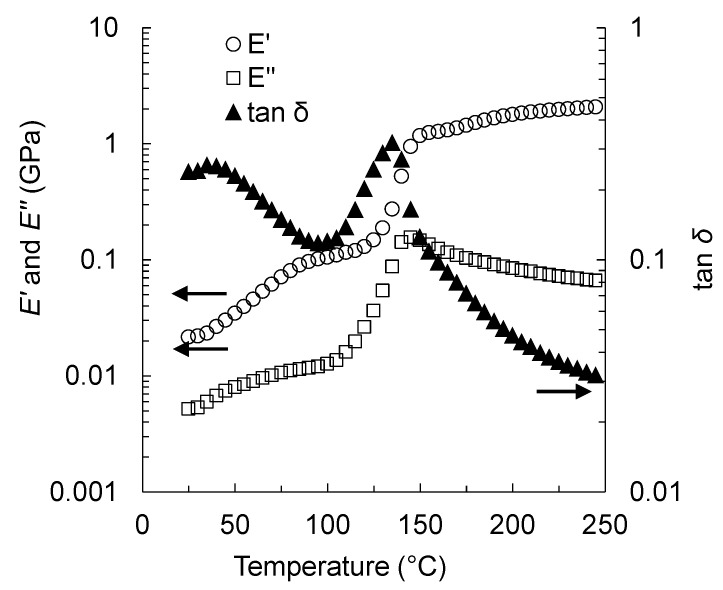
With respect to the fossil resources shortage, the development of bio-based wood adhesives is an important research topic in wood science. There has been research on using sucrose for bio-based adhesives. However, a high acid catalyst content and a high hot-pressing temperature are required when manufacturing particleboards. In this study, to explore the possibility of -toluenesulfonic acid (PTSA) as a promising acid catalyst for sucrose-based adhesives, the curing behavior of sucrose with PTSA (Suc-PTSA) was clarified. The thermal analysis results showed that the thermal properties of sucrose decreased significantly with the addition of PTSA. Based on the results of the insoluble matter rate, the optimal mixture ratio and heating conditions were determined to be 95:5 and 180 °C for 10 min, respectively. According to the results of FT-IR, the heat-treated Suc-PTSA contained furan compounds. In the context of the dynamic viscoelasticity, the onset temperature at which the storage modulus () begins to rise was significantly lower than those of the other sucrose-based adhesives. PTSA has the potential to cure sucrose more efficiently and at lower temperatures than previous sucrose-based adhesives, making it a promising acid catalyst for sucrose.
鉴于化石资源短缺,生物基木材胶粘剂的开发是木材科学中的一个重要研究课题。已有关于将蔗糖用于生物基胶粘剂的研究。然而,在制造刨花板时需要高含量的酸催化剂和高温热压。在本研究中,为了探索对甲苯磺酸(PTSA)作为蔗糖基胶粘剂有前景的酸催化剂的可能性,阐明了蔗糖与PTSA(Suc-PTSA)的固化行为。热分析结果表明,随着PTSA的加入,蔗糖的热性能显著下降。基于不溶物率的结果,确定最佳混合比例和加热条件分别为95:5和180℃ 10分钟。根据傅里叶变换红外光谱(FT-IR)结果,热处理后的Suc-PTSA含有呋喃化合物。在动态粘弹性方面,储能模量()开始上升的起始温度明显低于其他蔗糖基胶粘剂。与先前的蔗糖基胶粘剂相比,PTSA有潜力在更低温度下更有效地固化蔗糖,使其成为一种有前景的蔗糖酸催化剂。