Istituto Nazionale di Geofisica e Vulcanologia, Rome (IT), Roma, Italy.
Scripps Institution of Oceanography, La Jolla, CA, United States of America.
PLoS One. 2024 Jan 17;19(1):e0293014. doi: 10.1371/journal.pone.0293014. eCollection 2024.
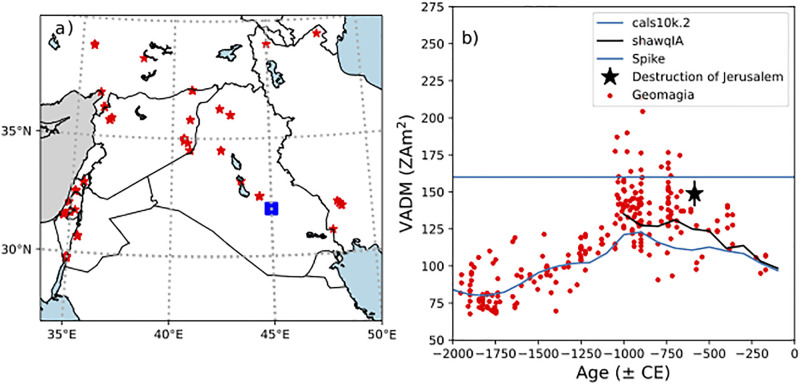
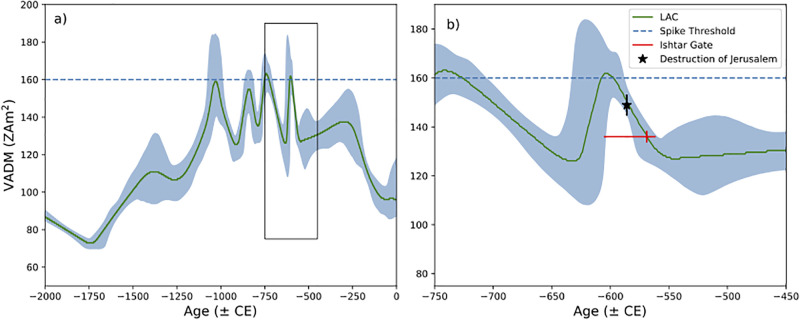
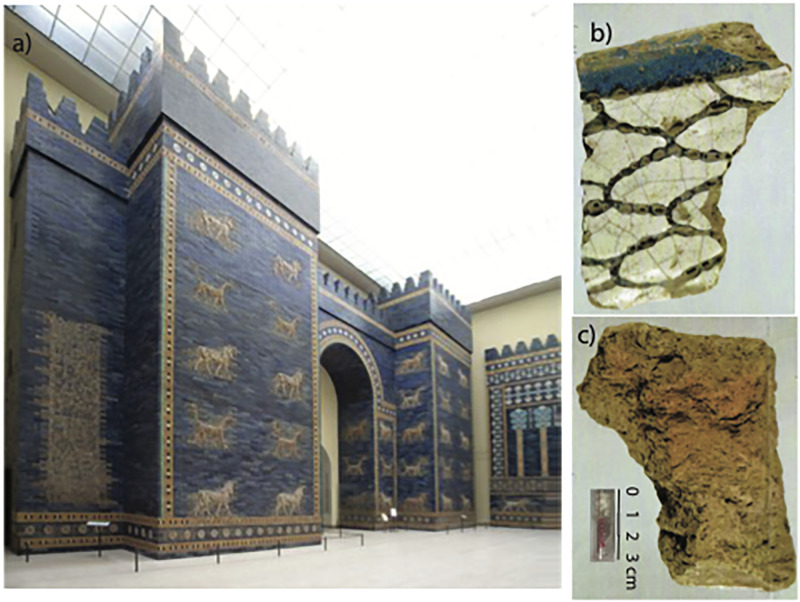
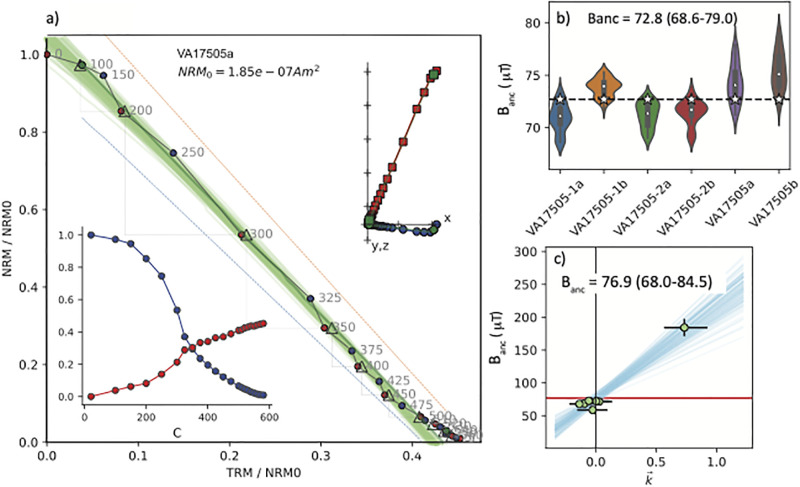
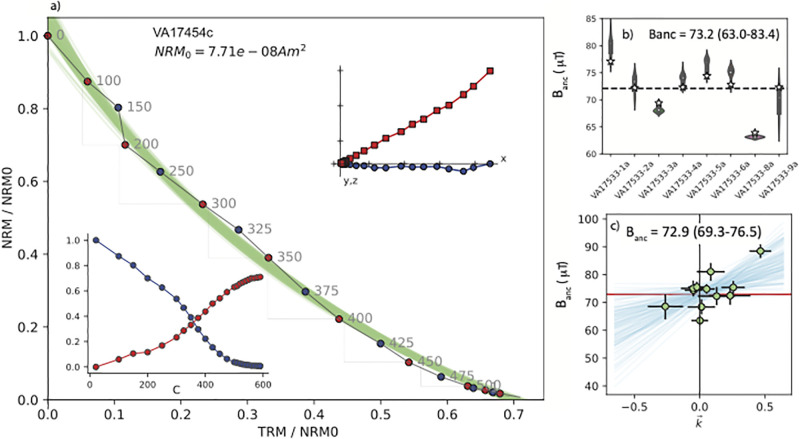
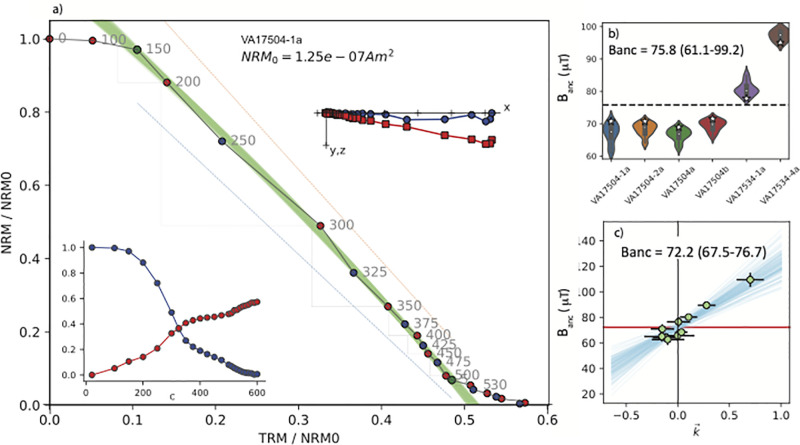
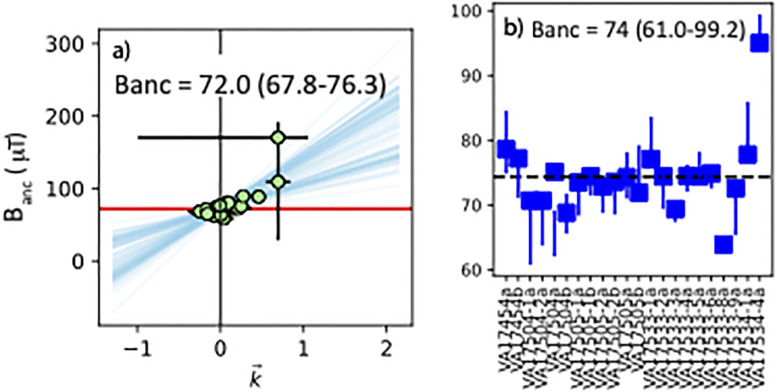
Data from the marriage of paleomagnetism and archaeology (archaeomagnetism) are the backbone of attempts to create geomagnetic field models for ancient times. Paleointensity experimental design has been the focus of intensive efforts and the requirements and shortcomings are increasingly well understood. Some archaeological materials have excellent age control from inscriptions, which can be tied to a given decade or even a specific year in some cases. In this study, we analyzed fired mud bricks used for the construction of the Ishtar Gate, the entrance complex to the ancient city of Babylon in Southern Mesopotamia. We were able to extract reliable intensity data from all three phases of the gate, the earliest of which includes bricks inscribed with the name of King Nebuchadnezzar II (605 to 562 BCE). These results (1) add high quality intensity data to a region relatively unexplored so far (Southern Mesopotamia), (2) contribute to a better understanding of paleosecular variation in this region, and the development of an archaeomagnetic dating reference for one of the key regions in the history of human civilizations; (3) demonstrate the potential of inscribed bricks (glazed and unglazed), a common material in ancient Mesopotamia, to archaeomagnetic studies; and (4) suggest that the gate complex was constructed some time after the Babylonian conquest of Jerusalem, and that there were no substantial chronological gaps in the construction of each consecutive phase. The best fit of our data (averaging 136±2.1 ZAm2) with those of the reference curve (the Levantine Archaeomagnetic Curve) is 569 BCE.
古生物学与考古学(考古磁学)相结合的数据是为古代创建地磁场模型的尝试的基础。古强度实验设计一直是密集努力的焦点,其要求和缺点也越来越被理解。一些考古材料具有极好的年代控制,例如铭文,可以将其与特定的十年甚至特定的年份联系起来。在这项研究中,我们分析了用于建造巴比伦古城伊什塔尔门(Ishtar Gate)的烧制泥砖,该古城位于美索不达米亚南部。我们能够从门的三个阶段中提取可靠的强度数据,其中最早的阶段包括刻有尼布甲尼撒二世(公元前 605 年至 562 年)名字的砖块。这些结果(1)为迄今为止相对未开发的地区(美索不达米亚南部)增加了高质量的强度数据,(2)有助于更好地了解该地区的古长期变化,以及为人类文明历史上的关键地区之一开发考古磁年代参考,(3)证明了具有铭文的砖块(上釉和不上釉)的潜力,这种砖块在古代美索不达米亚很常见,可用于考古磁学研究;(4)表明城门建筑群是在巴比伦征服耶路撒冷之后建造的,并且每个连续阶段的建造都没有实质性的时间间隔。我们的数据(平均为 136±2.1 ZAm2)与参考曲线(黎凡特考古磁曲线)的最佳拟合是公元前 569 年。