Chen Yu-Chia, Martins Tomás A, Marchica Valentina, Panula Pertti
Department of Anatomy, University of Helsinki, Helsinki, Finland.
Zebrafish Unit, Helsinki Institute of Life Science (HiLIFE), Helsinki, Finland.
Front Cell Neurosci. 2024 Jan 3;17:1289794. doi: 10.3389/fncel.2023.1289794. eCollection 2023.
Angiopoietin 1 (angpt1) is essential for angiogenesis. However, its role in neurogenesis is largely undiscovered. This study aimed to identify the role of angpt1 in brain development, the mode of action of angpt1, and its prime targets in the zebrafish brain.
We investigated the effects of embryonic brain angiogenesis and neural development using qPCR, hybridization, microangiography, retrograde labeling, and immunostaining in the , , mutant fish and transgenic overexpression of in the zebrafish larval brains.
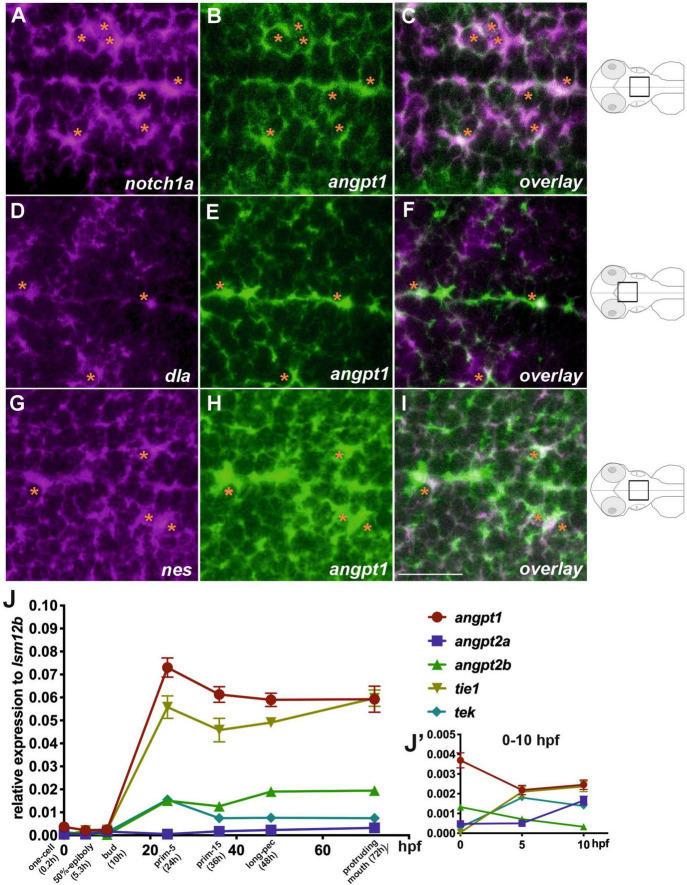
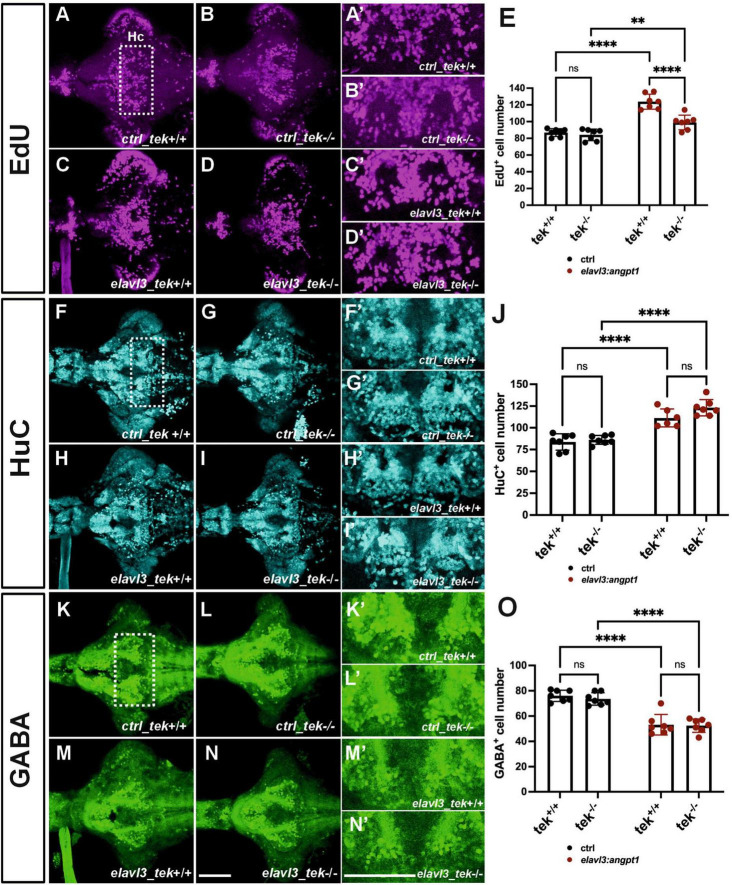
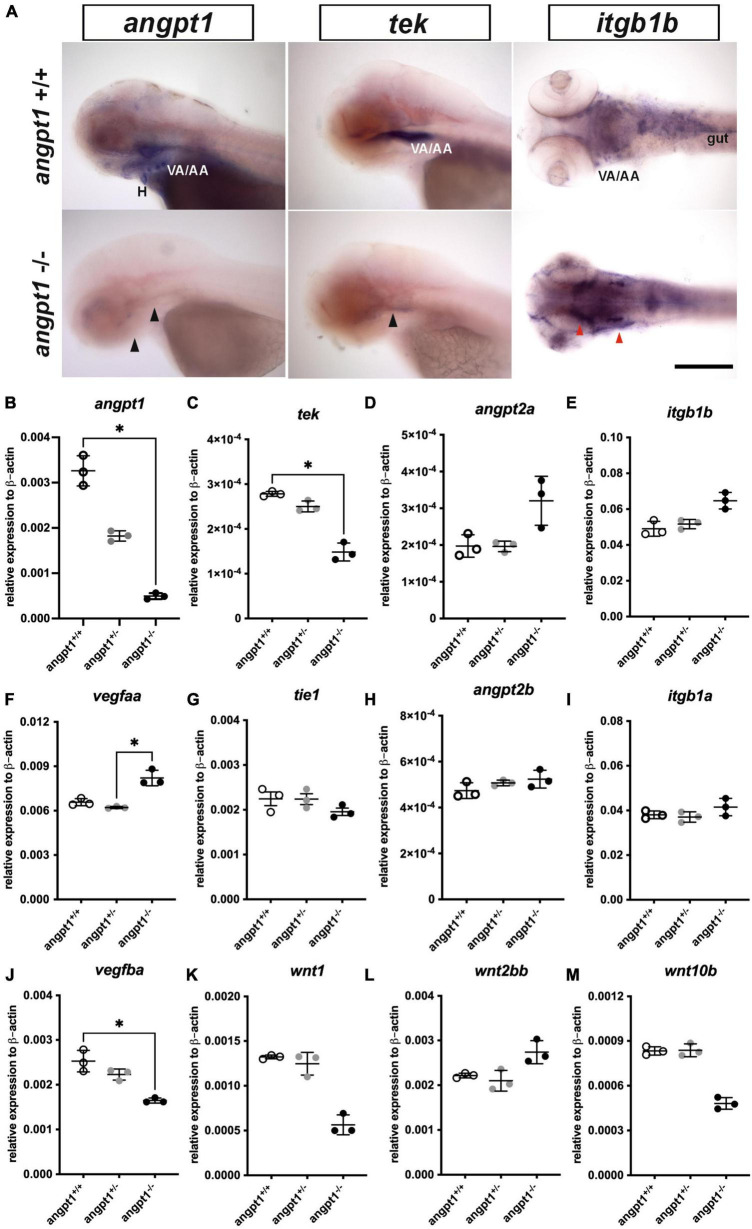
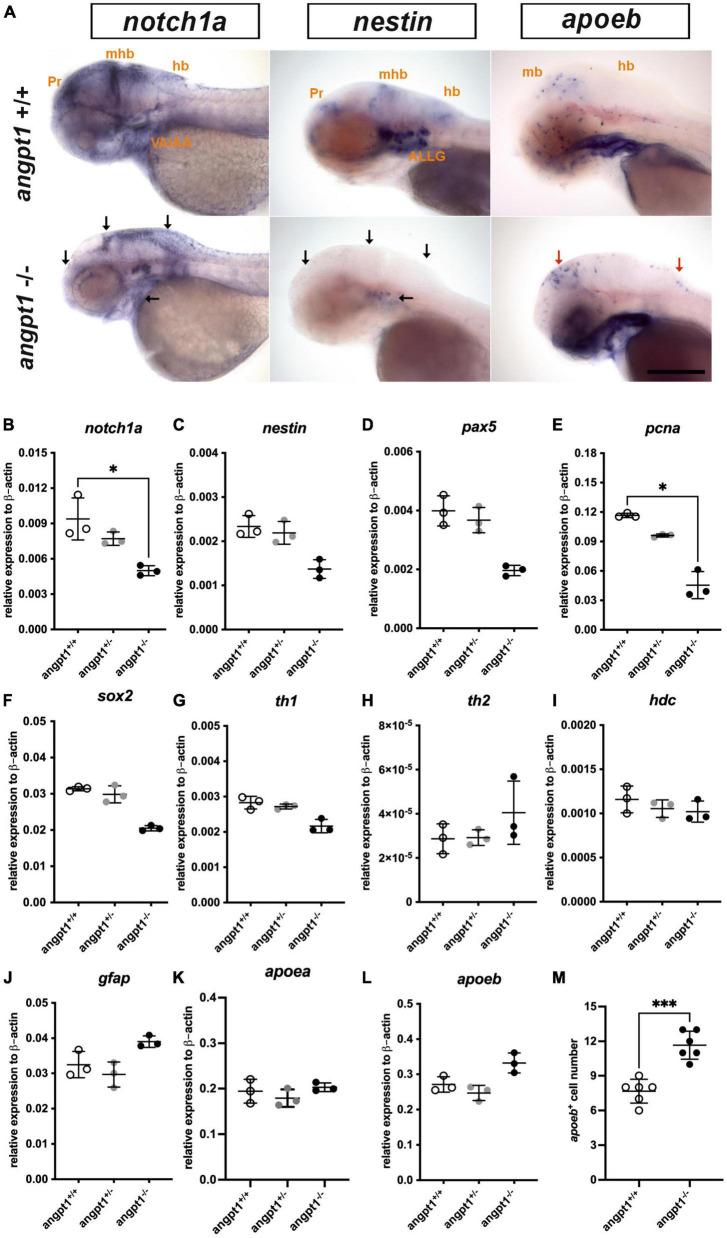
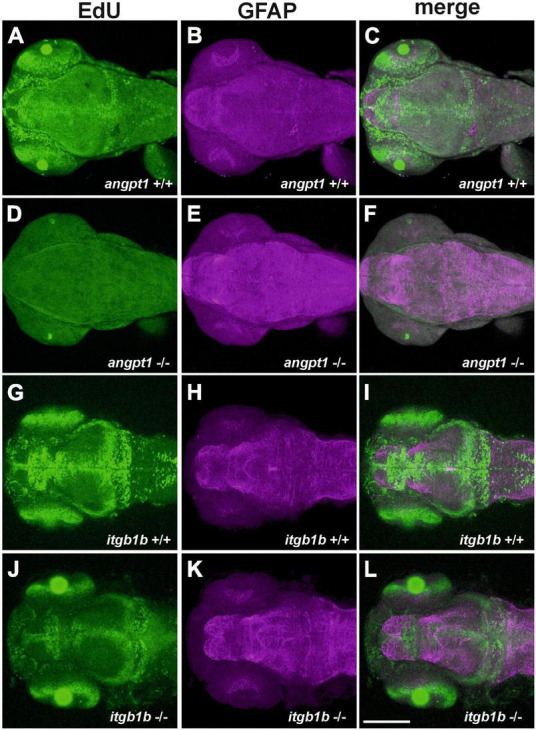
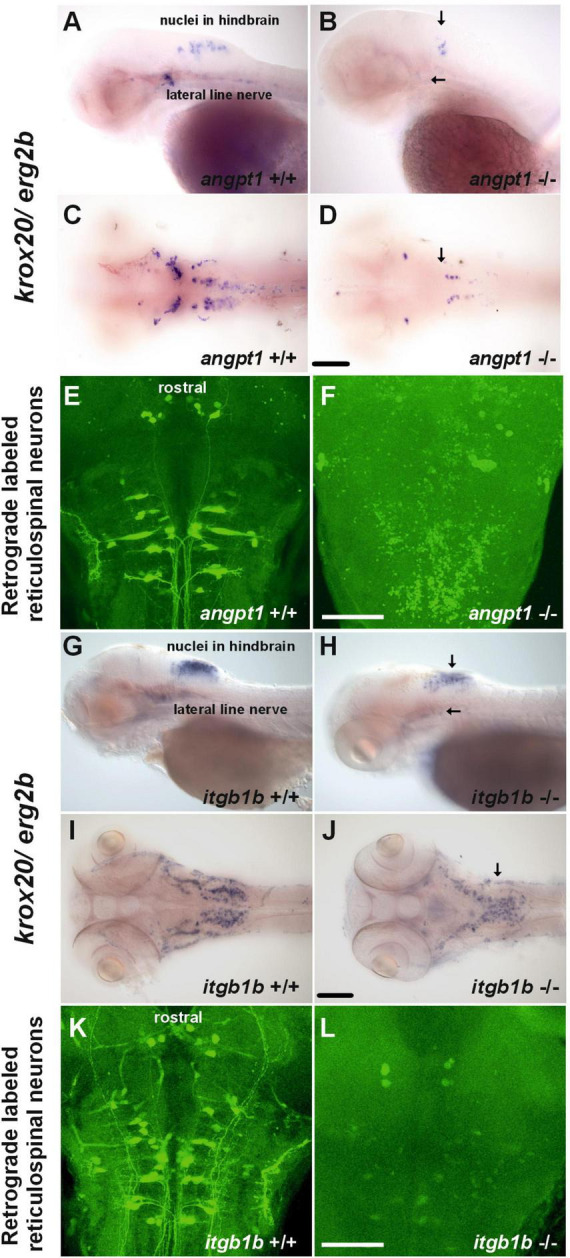
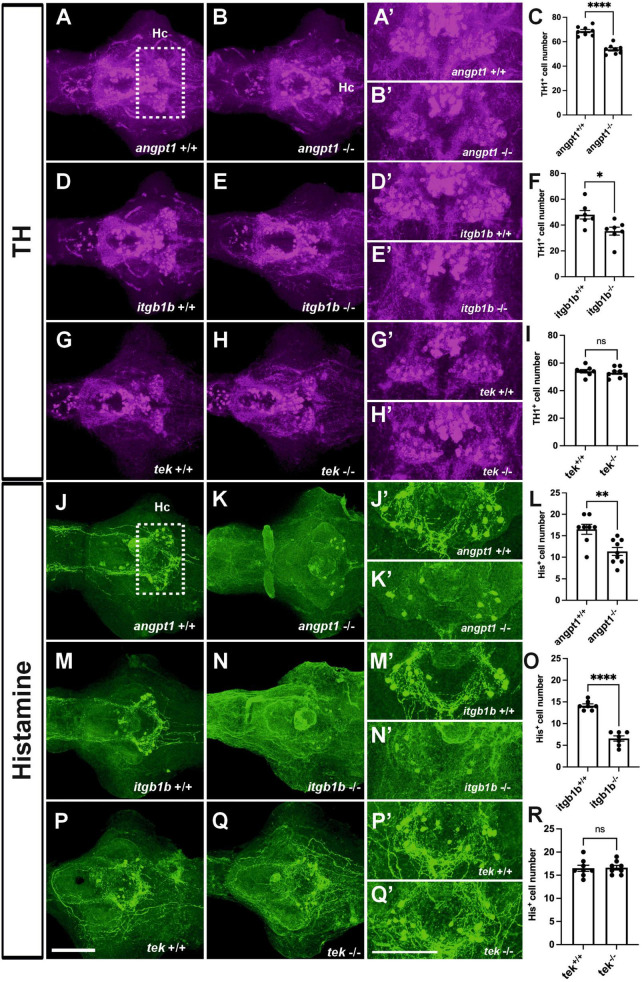
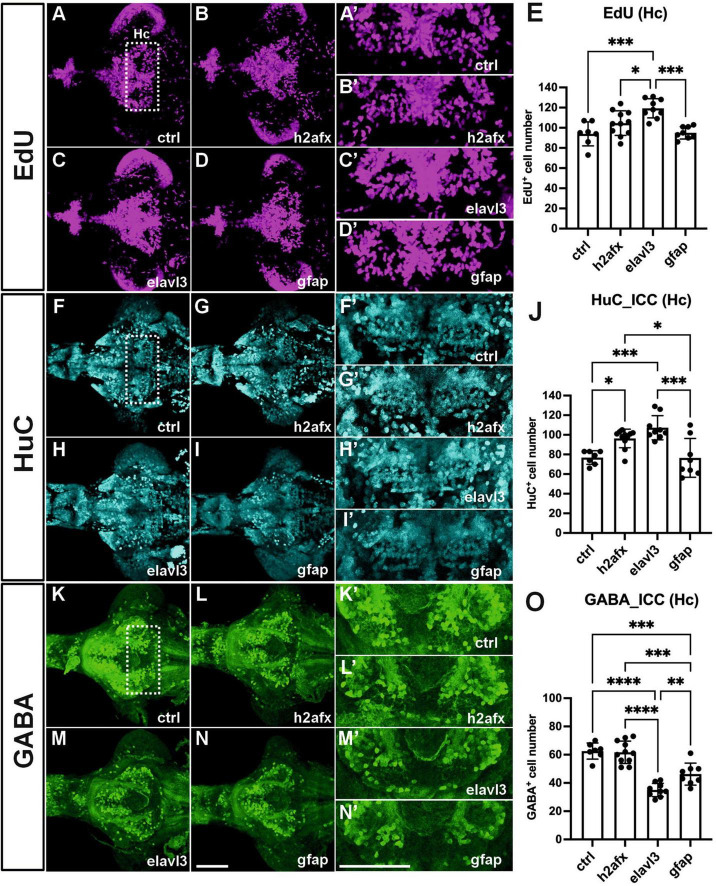
We showed the co-localization of angpt1 with , , and in the proliferation zone in the larval brain. Additionally, lack of was associated with downregulation of (), and several neurogenic factors despite upregulation of (), , (), and glial markers. We further demonstrated that the targeted and mutant fish showed severely irregular cerebrovascular development, aberrant hindbrain patterning, expansion of the radial glial progenitors, downregulation of cell proliferation, deficiencies of dopaminergic, histaminergic, and GABAergic populations in the caudal hypothalamus. In contrast to and mutants, the mutant fish regularly grew with no apparent phenotypes. Notably, the neural-specific overexpression driven by the promoter significantly increased cell proliferation and neuronal progenitor cells but decreased GABAergic neurons, and this neurogenic activity was independent of its typical receptor .
Our results prove that and , besides regulating vascular development, act as a neurogenic factor via notch and wnt signaling pathways in the neural proliferation zone in the developing brain, indicating a novel role of dual regulation of in embryonic neurogenesis that supports the concept of angiopoietin-based therapeutics in neurological disorders.
血管生成素1(angpt1)对血管生成至关重要。然而,其在神经发生中的作用在很大程度上尚未被发现。本研究旨在确定angpt1在斑马鱼大脑发育中的作用、angpt1的作用模式及其在斑马鱼大脑中的主要靶点。
我们使用qPCR、杂交、微血管造影、逆行标记和免疫染色,在angpt1突变鱼以及斑马鱼幼体大脑中angpt1转基因过表达的情况下,研究胚胎大脑血管生成和神经发育的影响。
我们显示angpt1与斑马鱼幼体大脑增殖区的Notch、Wnt和Fgf共定位。此外,angpt1的缺失与Notch(notch1)的下调以及几种神经发生因子相关,尽管血管生成素受体(angr1)、血管内皮生长因子(vegf)、成纤维细胞生长因子(fgf)上调以及神经胶质细胞标记物增加。我们进一步证明,靶向angr1和angpt1的突变鱼显示出严重不规则的脑血管发育、后脑模式异常、放射状胶质祖细胞扩张、细胞增殖下调、尾侧下丘脑多巴胺能、组胺能和GABA能神经元群体缺陷。与angr1和vegf突变体不同,angpt1突变鱼正常生长且无明显表型。值得注意的是,由Elavl3启动子驱动的神经特异性angpt1过表达显著增加细胞增殖和神经元祖细胞,但减少GABA能神经元,并且这种神经发生活性独立于其典型受体angr1。
我们的结果证明,angpt1和angr1除了调节血管发育外,还通过Notch和Wnt信号通路在发育中大脑的神经增殖区作为神经发生因子发挥作用,表明angpt1在胚胎神经发生中具有双重调节的新作用,支持基于血管生成素的神经疾病治疗概念。