
烟草烟雾在 cRaf 转基因肺癌疾病模型中促肿瘤作用的性别差异。
Sex differences in the tumor promoting effects of tobacco smoke in a cRaf transgenic lung cancer disease model.
机构信息
Centre for Pharmacology and Toxicology, Hannover Medical School, Carl-Neuberg-Str. 1, 30625, Hannover, Germany.
出版信息
Arch Toxicol. 2024 Mar;98(3):957-983. doi: 10.1007/s00204-023-03671-5. Epub 2024 Jan 21.
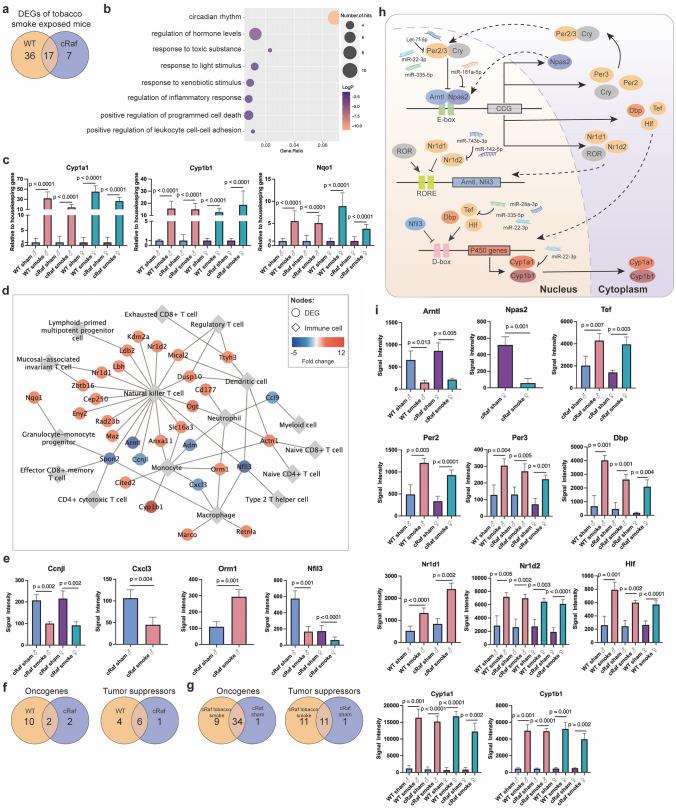
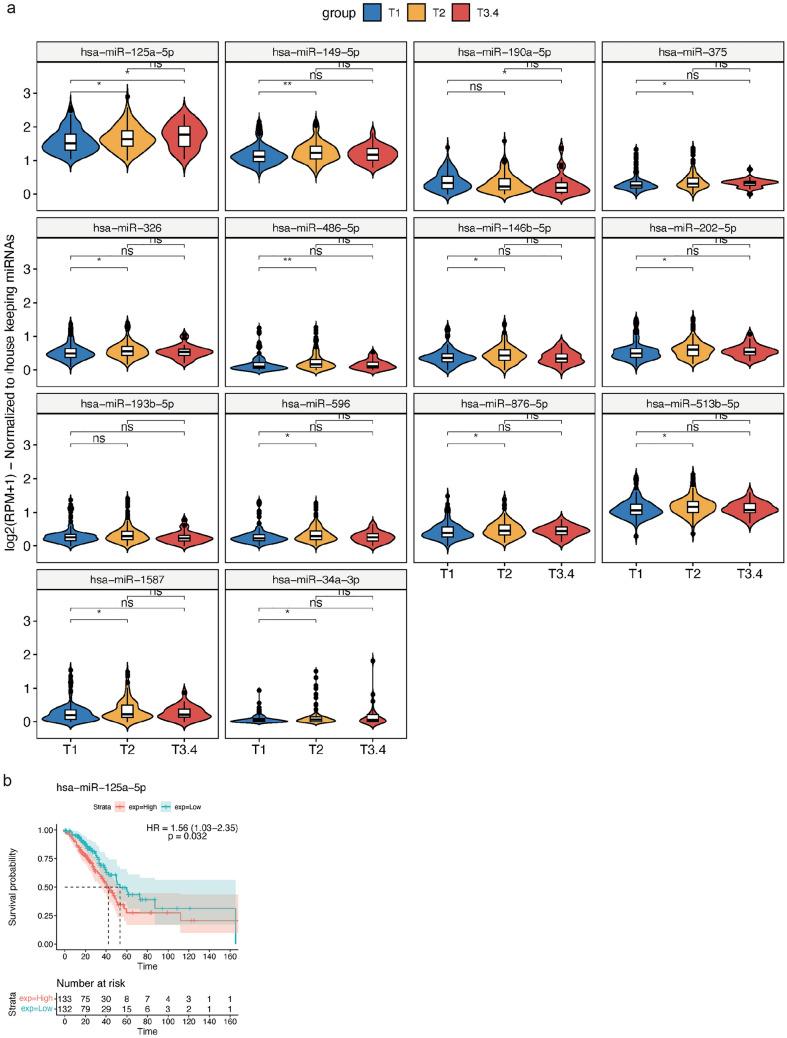
Tobacco smoke (TS) is the leading cause for lung cancer (LC), and female smokers are at a greater risk for LC. Yet, the underlying causes are unknown. We performed whole genome scans in TS exposed wild type and histologically characterized tumor lesions of cRaf transgenic mice. We constructed miRNA-gene and transcription factor-miRNA/gene regulatory networks and determined sex-specific gene regulations by evaluating hormone receptor activities. We validated the findings from TS exposed cRaf mice in a large cohort of smoking and never-smoking LC patients. When compared to males, TS prompted a sevenfold increase in tumor multiplicity in cRaf females. Genome-wide scans of tumor lesions identified 161 and 53 genes and miRNAs, which code for EGFR/MAPK signaling, cell proliferation, oncomirs and oncogenes, and 50% of DEGs code for immune response and tumor evasion. Outstandingly, in transgenic males, TS elicited upregulation of 20 tumor suppressors, some of which are the targets of the androgen and estrogen receptor. Conversely, in females, 18 tumor suppressors were downregulated, and five were specifically repressed by the estrogen receptor. We found TS to perturb the circadian clock in a sex-specific manner and identified a female-specific regulatory loop that consisted of the estrogen receptor, miR-22-3p and circadian genes to support LC growth. Finally, we confirmed sex-dependent tumor promoting effects of TS in a large cohort of LC patients. Our study highlights the sex-dependent genomic responses to TS and the interplay of circadian clock genes and hormone receptors in the regulation of oncogenes and oncomirs in LC growth.
烟草烟雾(TS)是肺癌(LC)的主要原因,女性吸烟者患 LC 的风险更高。然而,其根本原因尚不清楚。我们在暴露于 TS 的野生型和组织学特征明确的 cRaf 转基因小鼠肿瘤病变中进行了全基因组扫描。我们构建了 miRNA-基因和转录因子-miRNA/基因调控网络,并通过评估激素受体活性来确定性别特异性基因调控。我们在大量吸烟和从不吸烟的 LC 患者中验证了暴露于 TS 的 cRaf 小鼠的发现。与男性相比,TS 促使 cRaf 女性的肿瘤多发性增加了七倍。肿瘤病变的全基因组扫描确定了 161 个基因和 53 个 miRNA,它们编码 EGFR/MAPK 信号、细胞增殖、致癌 miRNA 和致癌基因,并且 50%的差异表达基因编码免疫反应和肿瘤逃逸。特别地,在转基因雄性中,TS 引起了 20 个肿瘤抑制因子的上调,其中一些是雄激素和雌激素受体的靶标。相反,在雌性中,有 18 个肿瘤抑制因子下调,其中 5 个被雌激素受体特异性抑制。我们发现 TS 以性别特异性的方式扰乱了生物钟,并确定了一个由雌激素受体、miR-22-3p 和生物钟基因组成的女性特异性调控环路,以支持 LC 生长。最后,我们在一个大型 LC 患者队列中证实了 TS 对肿瘤促进的性别依赖性效应。我们的研究强调了对 TS 的性别依赖性基因组反应,以及生物钟基因和激素受体在调节 LC 生长中的致癌基因和致癌 miRNA 的相互作用。




 Zotero 插件