Çavuş Mert Can, Afacan Muhammed Yusuf, Zeytunlu Arda, Yapar Aliekber
Department of Orthopaedics and Traumatology, Istanbul University-Cerrahpasa, Cerrahpasa Faculty of Medicine, Istanbul, TUR.
General Practice, Antalya Kepez District Health Department, Antalya, TUR.
Cureus. 2023 Dec 20;15(12):e50834. doi: 10.7759/cureus.50834. eCollection 2023 Dec.
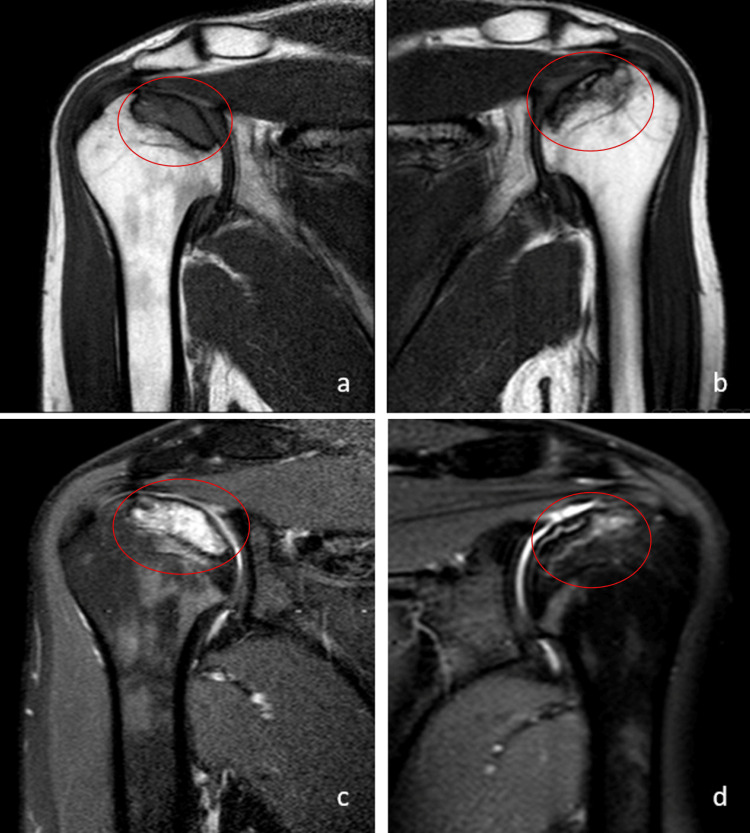
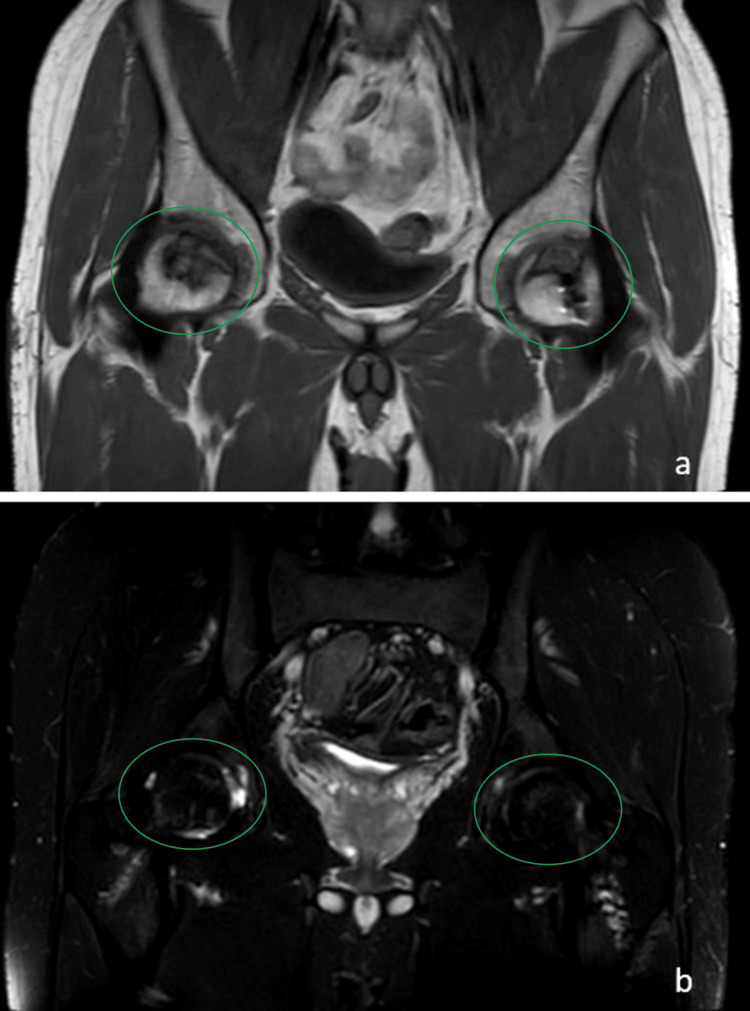
Avascular necrosis of the bone is a pathology characterized by compromised blood circulation, leading to necrosis due to insufficient vascular nourishment. Within the realm of orthopedics and traumatology, instances of avascular necrosis are steadily increasing. Notably, the escalating use of corticosteroids in managing inflammatory diseases and acute respiratory distress syndrome associated with the COVID-19 pandemic has resulted in a surge of outpatient referrals concerning cases of glucocorticoid-associated avascular necrosis. This study aims to elucidate the management of avascular necrosis following oral corticosteroid use in a young and otherwise healthy male patient, impacting both humeral and femoral heads bilaterally. A 26-year-old adult male, devoid of chronic health conditions, received a diagnosis of bilateral avascular necrosis in humeral and femoral heads within two years following a one-month course of oral corticosteroids. The patient underwent a comprehensive treatment regimen, encompassing hyperbaric oxygen therapy, oral antiplatelet therapy, a tailored physical therapy and rehabilitation program, and bilateral core decompression surgery for both hip joints. During the three-year follow-up, the patient exhibited a favorable response to treatment, demonstrating a complete and painless range of motion in both shoulder and hip joints. This case serves to underscore a crucial point: femoral head avascular necrosis may not invariably manifest as the initial bone affected, and a substantial time lapse may transpire between corticosteroid use and the onset of clinical symptoms. We emphasize the critical importance of not dismissing complaints pertaining to other bones in patients with a confirmed diagnosis and stress the significance of prompt detection in avascular necrosis. Furthermore, this study highlights the necessity for heightened vigilance in instances of orthopedic grievances among individuals with a history of corticosteroid use, particularly those related to the pandemic and inflammatory diseases, to facilitate early diagnosis and intervention for avascular necrosis.
骨缺血性坏死是一种以血液循环受损为特征的病理状态,由于血管营养不足导致坏死。在骨科和创伤学领域,骨缺血性坏死的病例正在稳步增加。值得注意的是,在治疗与 COVID-19 大流行相关的炎症性疾病和急性呼吸窘迫综合征时,皮质类固醇的使用不断增加,导致糖皮质激素相关性骨缺血性坏死病例的门诊转诊激增。本研究旨在阐明一名年轻且健康的男性患者在口服皮质类固醇后发生骨缺血性坏死的治疗情况,该疾病双侧累及肱骨头和股骨头。一名 26 岁的成年男性,无慢性健康问题,在接受为期一个月的口服皮质类固醇治疗后的两年内,被诊断为双侧肱骨头和股骨头缺血性坏死。患者接受了综合治疗方案,包括高压氧治疗、口服抗血小板治疗、量身定制的物理治疗和康复计划,以及双侧髋关节的核心减压手术。在三年的随访期间,患者对治疗表现出良好的反应,肩关节和髋关节均表现出完全无痛的活动范围。该病例强调了一个关键点:股骨头缺血性坏死可能并非总是表现为最初受影响的骨骼,皮质类固醇使用与临床症状出现之间可能会有很长时间间隔。我们强调对于确诊患者,不应忽视与其他骨骼相关的主诉,强调在缺血性坏死中早期检测的重要性。此外,本研究强调对于有皮质类固醇使用史的个体,尤其是与大流行和炎症性疾病相关的个体,在骨科主诉情况下需要提高警惕,以便于早期诊断和干预缺血性坏死。