Sakib Sadman, Zou Shan
Metrology Research Centre, National Research Council of Canada, 100 Sussex Drive, Ottawa, ONK1A 0R6, Canada.
Langmuir. 2024 Feb 7;40(7):3402-13. doi: 10.1021/acs.langmuir.3c02741.
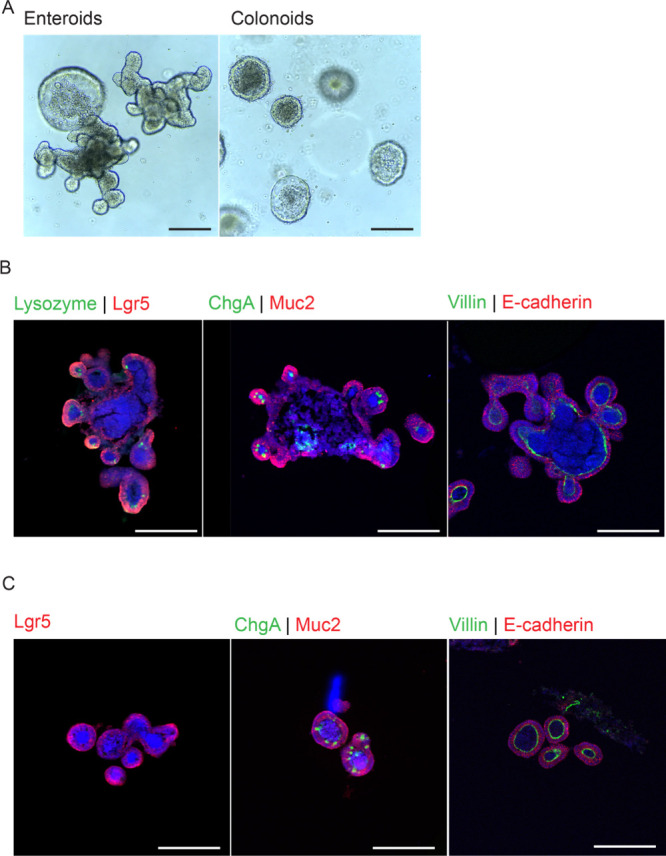
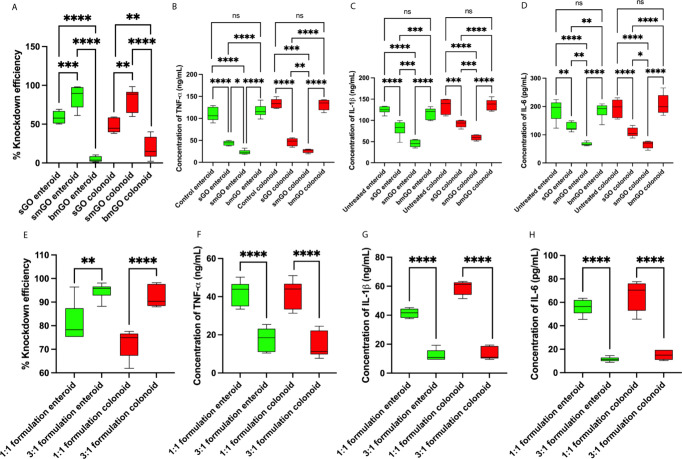
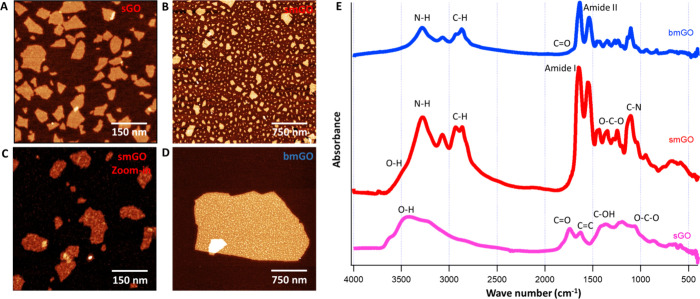
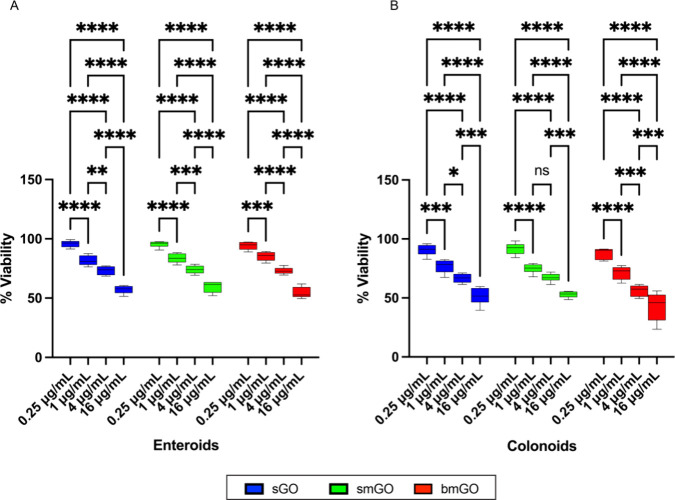
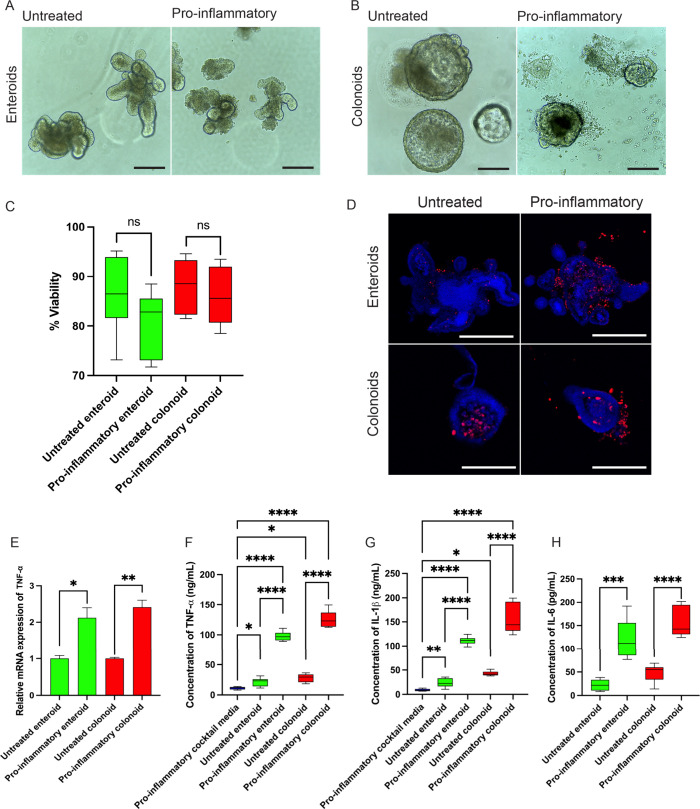
Inflammatory bowel disease (IBD) is a chronic inflammatory disease of the gastrointestinal tract with a complex and multifactorial etiology, making it challenging to treat. While recent advances in immunomodulatory biologics, such as antitumor necrosis factor-α (TNF-α) antibodies, have shown moderate success, systemic administration of antibody therapeutics may lead to several adverse effects, including the risk of autoimmune disorders due to systemic cytokine depletion. Transient RNA interference using exogenous short interfering RNA (siRNA) to regulate target gene expression at the transcript level offers an alternative to systemic immunomodulation. However, siRNAs are susceptible to premature degradation and have poor cellular uptake. Graphene oxide (GO) nanoparticles have been shown to be effective nanocarriers for biologics due to their reduced cytotoxicity and enhanced bioavailability. In this study, we evaluate the therapeutic efficacy of GO mediated TNF-α_siRNA using in vitro models of chronic inflammation generated by treating murine small intestines (enteroids) and large intestines (colonoids) with inflammatory agents IL-1β, TNF-α, and LPS. The organotypic mouse enteroids and colonoids developed an inflammatory phenotype similar to that of IBD, characterized by impaired epithelial homeostasis and an increased production of inflammatory cytokines such as TNF-α, IL-1β, and IL-6. We assessed siRNA delivery to these inflamed organoids using three different GO formulations. Out of the three, small-sized GO with polymer and dendrimer modifications (smGO) demonstrated the highest transfection efficiency, which led to the downregulation of inflammatory cytokines, indicating an attenuation of the inflammatory phenotype. Moreover, the transfection efficiency and inflammation-ameliorating effects could be further enhanced by increasing the TNF-α_siRNA/smGO ratio from 1:1 to 3:1. Overall, the results of this study demonstrate that ex vivo organoids with disease-specific phenotypes are invaluable models for assessing the therapeutic potential of nanocarrier-mediated drug and biologic delivery systems.
炎症性肠病(IBD)是一种胃肠道慢性炎症性疾病,其病因复杂且具有多因素性,这使得治疗颇具挑战性。虽然免疫调节生物制剂(如抗肿瘤坏死因子-α(TNF-α)抗体)的最新进展已显示出一定成效,但抗体治疗药物的全身给药可能会导致多种不良反应,包括由于全身细胞因子耗竭而引发自身免疫性疾病的风险。利用外源性小干扰RNA(siRNA)在转录水平调节靶基因表达的瞬时RNA干扰为全身免疫调节提供了一种替代方法。然而,siRNA易过早降解且细胞摄取性差。氧化石墨烯(GO)纳米颗粒因其降低的细胞毒性和提高的生物利用度,已被证明是生物制剂的有效纳米载体。在本研究中,我们使用炎症因子IL-1β、TNF-α和LPS处理小鼠小肠(肠类器官)和大肠(结肠类器官)所产生的慢性炎症体外模型,评估GO介导的TNF-α_siRNA的治疗效果。器官型小鼠肠类器官和结肠类器官形成了与IBD相似的炎症表型,其特征为上皮稳态受损以及TNF-α、IL-1β和IL-6等炎症细胞因子的产生增加。我们使用三种不同的GO制剂评估了siRNA向这些炎症类器官的递送情况。在这三种制剂中,经聚合物和树枝状聚合物修饰的小尺寸GO(smGO)表现出最高的转染效率,这导致炎症细胞因子下调,表明炎症表型得到缓解。此外,将TNF-α_siRNA/smGO比例从1:1提高到3:1可进一步提高转染效率和炎症改善效果。总体而言,本研究结果表明,具有疾病特异性表型的离体类器官是评估纳米载体介导的药物和生物递送系统治疗潜力的宝贵模型。