Nishikawa Takuro
Department of Pediatrics, Graduate School of Medical and Dental Sciences, Kagoshima University, Kagoshima 890-8520, Japan.
Cancers (Basel). 2024 Jan 31;16(3):600. doi: 10.3390/cancers16030600.
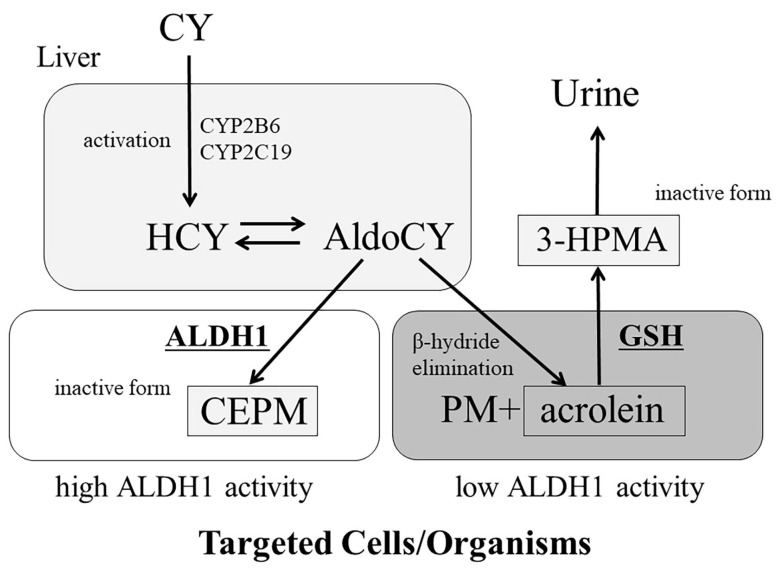
The use of human leukocyte antigen (HLA)-haploidentical haematopoietic stem cell transplantation (HSCT) with post-transplant cyclophosphamide (PTCY), which markedly reduces the risk of graft-versus-host disease, has rapidly increased worldwide, even in children. It was initially developed for post-transplant relapse or non-remission at transplant for patients with high-risk haematologic malignancies. However, this strategy is currently used more frequently for standard-risk, transplant-eligible paediatric haematological malignancies. It has recently been recognised in adults that the transplant outcomes after PTCY-based HLA-haploidentical HSCT are comparable with those achieved after HLA-matched HSCT. Therefore, even in children, parental donors who are HLA-haploidentical donors and cord blood are currently considered the next donor candidates when an HLA-matched related or unrelated donor is unavailable. This review addresses the current status of the use of haplo-HSCT with PTCY for paediatric haematologic malignancies and future directions for donor selection (sex, age, ABO blood type, and HLA disparity), donor source, the dose of infused CD34 cells, optimal conditioning, the concomitant graft-versus-host disease prophylaxis other than PTCY, and the pharmacokinetic study of CY and CY metabolites. These aspects present key solutions for further improvements in the outcomes of haplo-HSCT with PTCY for paediatric haematological malignancies.
使用人类白细胞抗原(HLA)半相合造血干细胞移植(HSCT)并联合移植后环磷酰胺(PTCY),可显著降低移植物抗宿主病的风险,这种方法在全球范围内迅速增加,即使在儿童中也是如此。它最初是为高危血液系统恶性肿瘤患者移植后复发或移植时未缓解而开发的。然而,目前这种策略在标准风险、适合移植的儿童血液系统恶性肿瘤中使用得更为频繁。最近在成人中已经认识到,基于PTCY的HLA半相合HSCT后的移植结果与HLA匹配的HSCT后的结果相当。因此,即使在儿童中,当无法获得HLA匹配的相关或无关供体时,HLA半相合的父母供体和脐带血目前被视为下一个供体候选者。本综述探讨了PTCY联合单倍体HSCT治疗儿童血液系统恶性肿瘤的现状以及供体选择(性别、年龄、ABO血型和HLA差异)、供体来源、输注CD34细胞剂量、最佳预处理、除PTCY外的移植物抗宿主病预防措施以及环磷酰胺(CY)及其代谢产物的药代动力学研究的未来方向。这些方面为进一步改善PTCY联合单倍体HSCT治疗儿童血液系统恶性肿瘤的结果提供了关键解决方案。