Department of Emergency Medicine, University of Ottawa, Ottawa, ON, CA.
Royal College of Physicians and Surgeons of Canada, Ottawa, ON, Canada, 1053 Carling Avenue, Rm F660, Ottawa, ON K1Y 4E9, CA.
Perspect Med Educ. 2024 Feb 6;13(1):44-55. doi: 10.5334/pme.956. eCollection 2024.
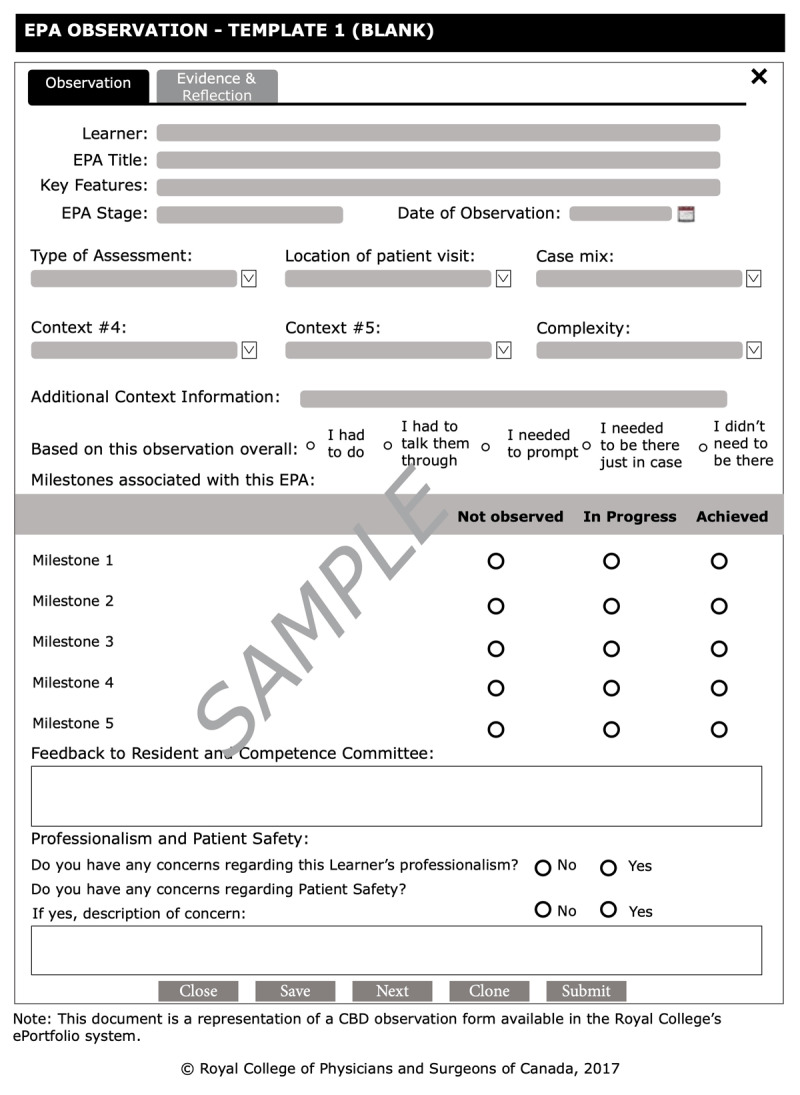
Traditional approaches to assessment in health professions education systems, which have generally focused on the summative function of assessment through the development and episodic use of individual high-stakes examinations, may no longer be appropriate in an era of competency based medical education. Contemporary assessment programs should not only ensure collection of high-quality performance data to support robust decision-making on learners' achievement and competence development but also facilitate the provision of meaningful feedback to learners to support reflective practice and performance improvement. Programmatic assessment is a specific approach to designing assessment systems through the intentional selection and combination of a variety of assessment methods and activities embedded within an educational framework to simultaneously optimize the decision-making and learning function of assessment. It is a core component of competency based medical education and is aligned with the goals of promoting assessment for learning and coaching learners to achieve predefined levels of competence. In Canada, postgraduate specialist medical education has undergone a transformative change to a competency based model centred around entrustable professional activities (EPAs). In this paper, we describe and reflect on the large scale, national implementation of a program of assessment model designed to guide learning and ensure that robust data is collected to support defensible decisions about EPA achievement and progress through training. Reflecting on the design and implications of this assessment system may help others who want to incorporate a competency based approach in their own country.
传统的健康职业教育系统评估方法通常侧重于通过开发和偶尔使用单个高风险考试来发挥评估的总结性功能,在基于能力的医学教育时代,这种方法可能不再适用。当代评估计划不仅应确保收集高质量的绩效数据,以支持对学习者的成就和能力发展进行有力的决策,还应为学习者提供有意义的反馈,以支持反思性实践和绩效改进。计划评估是一种通过在教育框架内有意选择和组合各种评估方法和活动来设计评估系统的具体方法,旨在同时优化评估的决策和学习功能。它是基于能力的医学教育的核心组成部分,符合促进评估学习和指导学习者达到预定义能力水平的目标。在加拿大,研究生专科医学教育已经发生了转变,以围绕可委托专业活动 (EPAs) 的基于能力的模式为中心。在本文中,我们描述并反思了大规模的全国性评估模型计划的实施,该计划旨在指导学习,并确保收集到有力的数据,以支持通过培训对 EPA 成就和进展做出合理决策。反思这个评估系统的设计和影响可能会帮助其他想要在自己国家采用基于能力的方法的人。