Department of Gastroenterology and Gastrointestinal Oncology, National Cancer Center Hospital East, Kashiwa, Japan.
Department of Immunology, Nagoya University Graduate School of Medicine, Aichi, Japan.
Nat Med. 2024 Mar;30(3):730-739. doi: 10.1038/s41591-023-02791-w. Epub 2024 Feb 12.
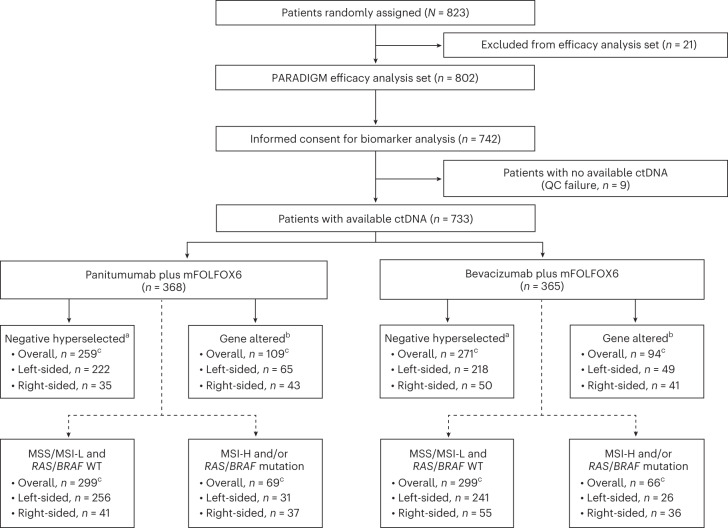
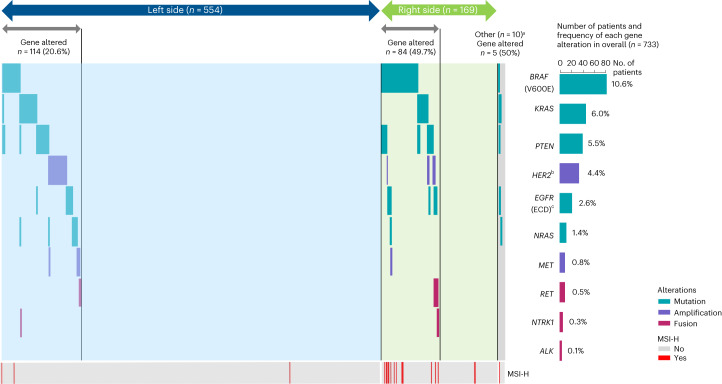
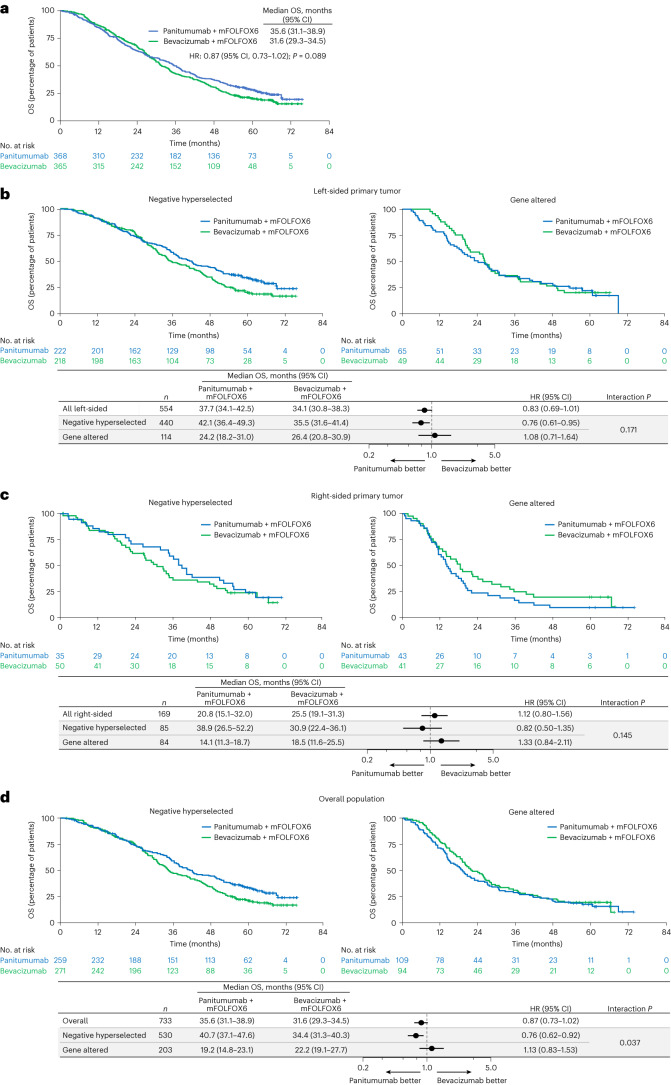
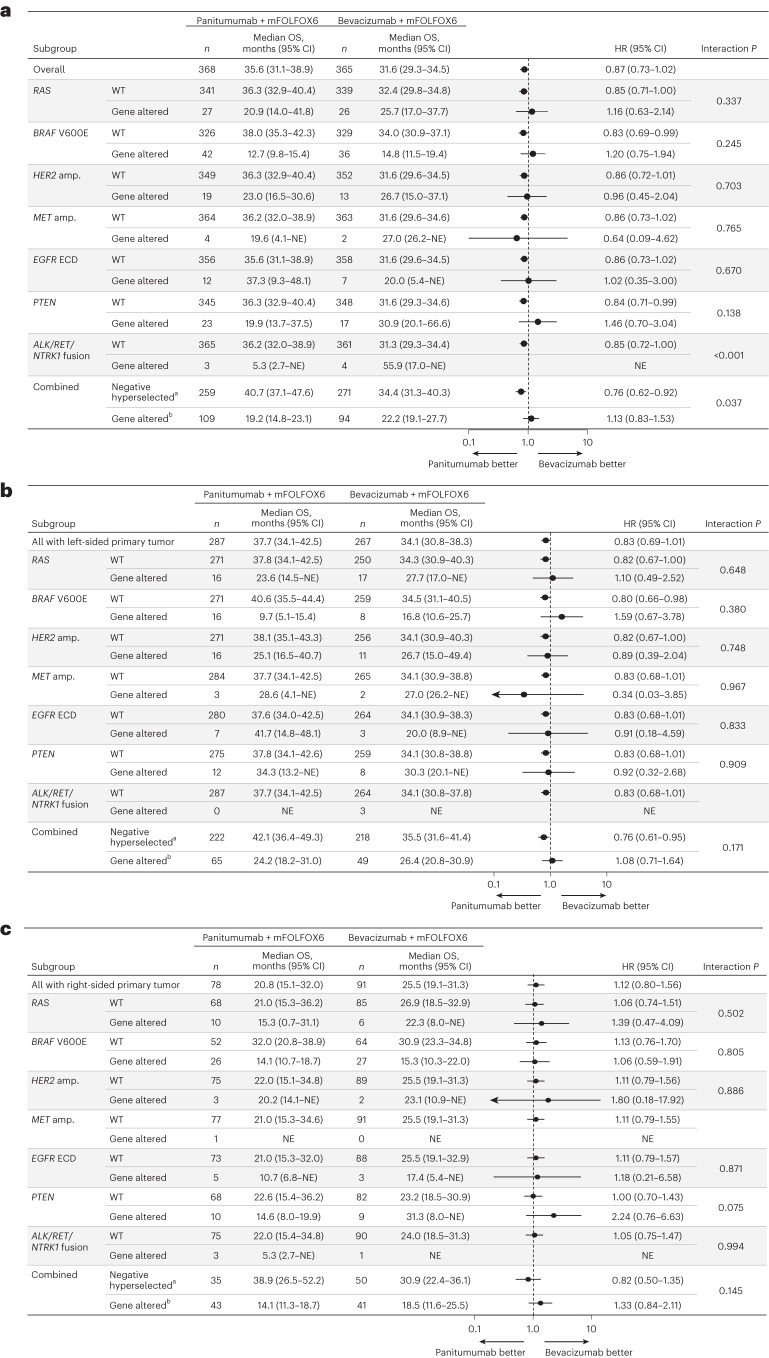
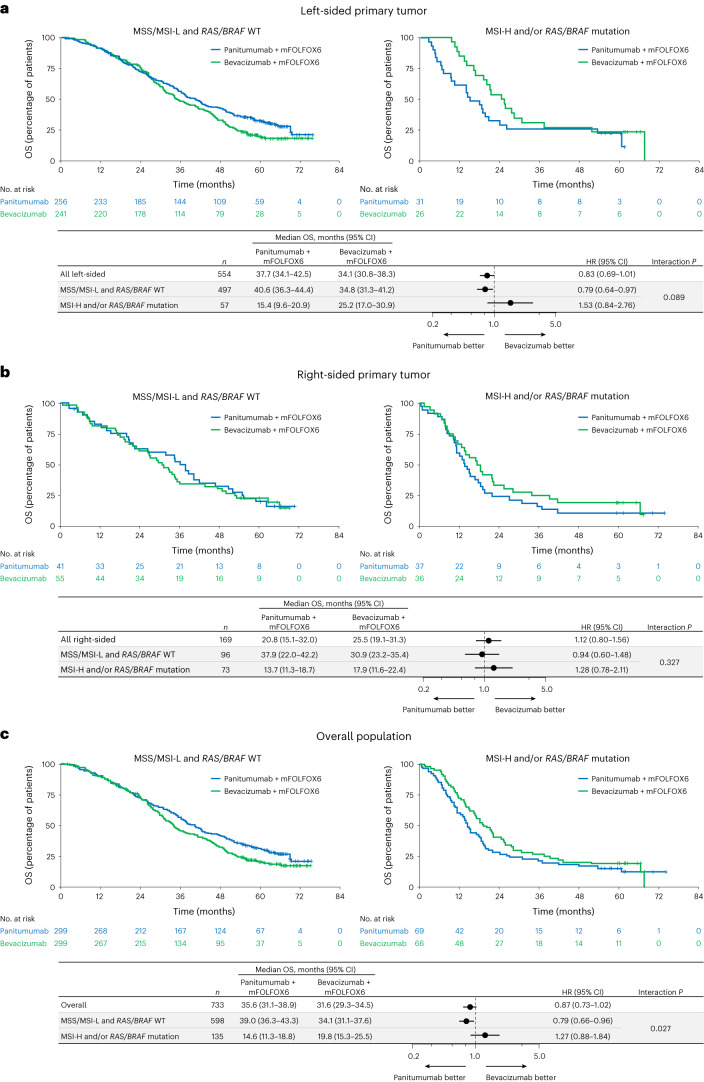
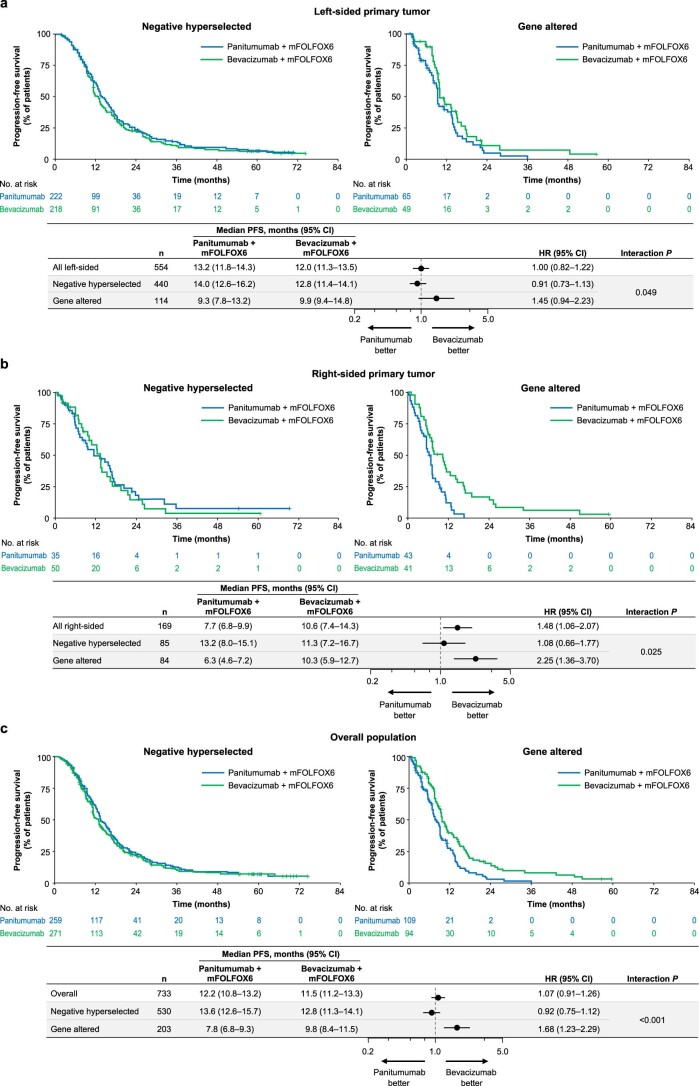
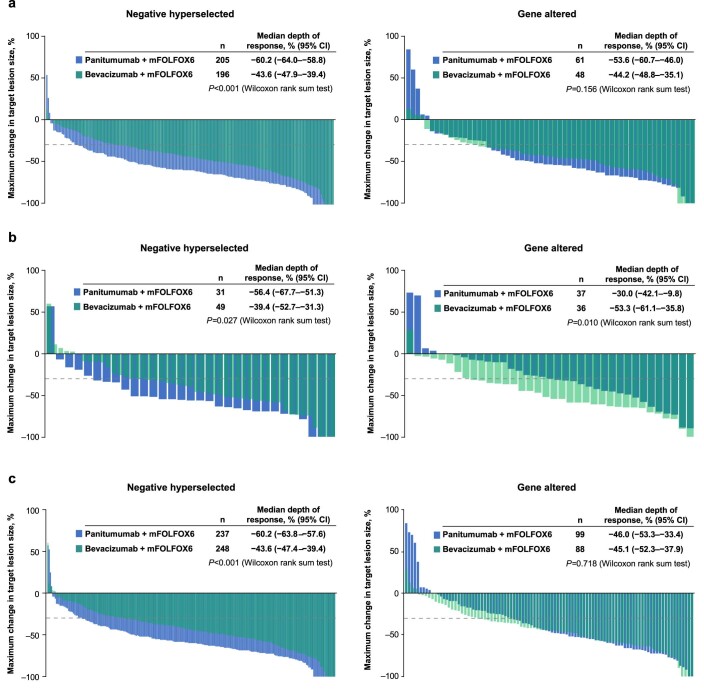
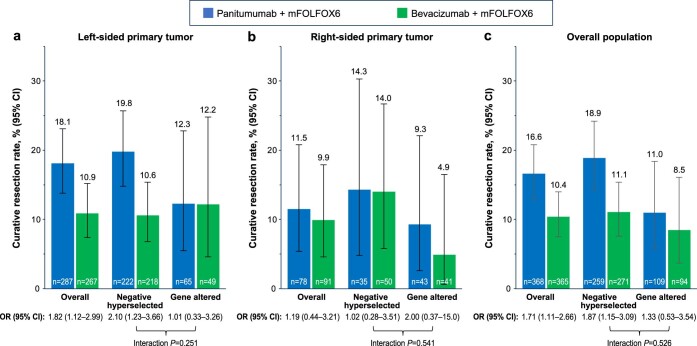
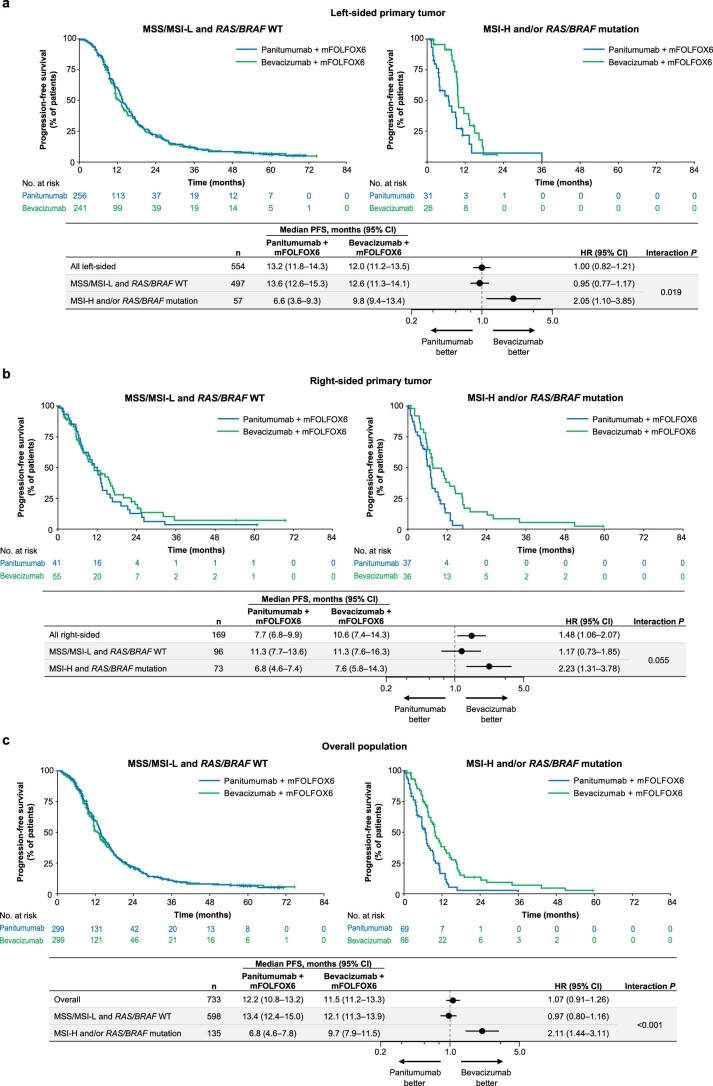
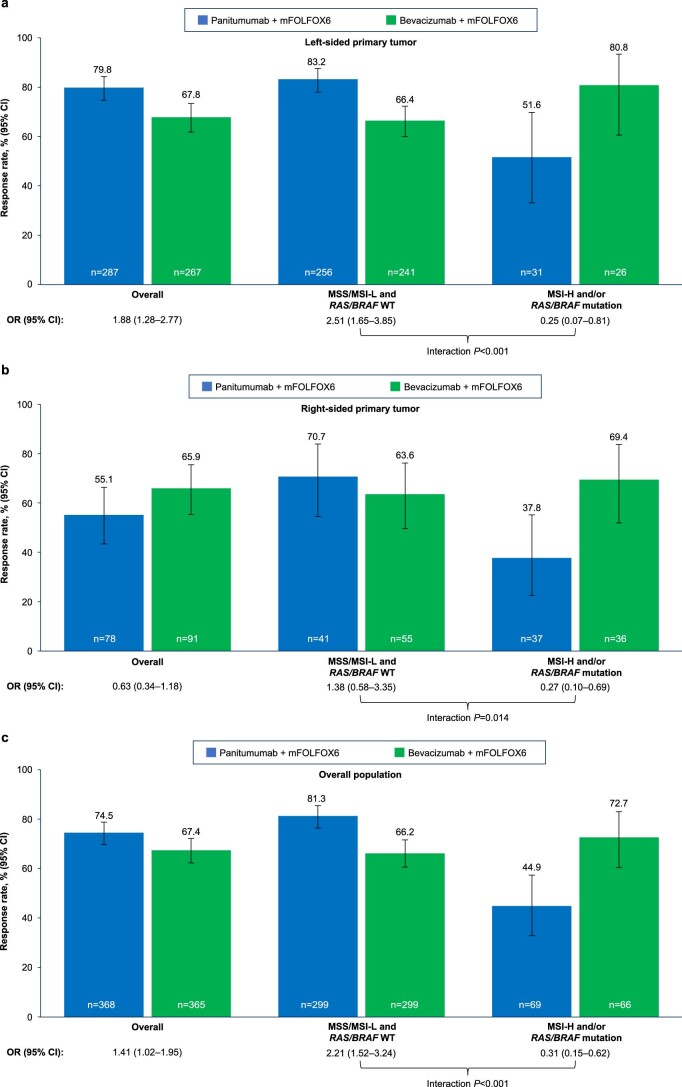
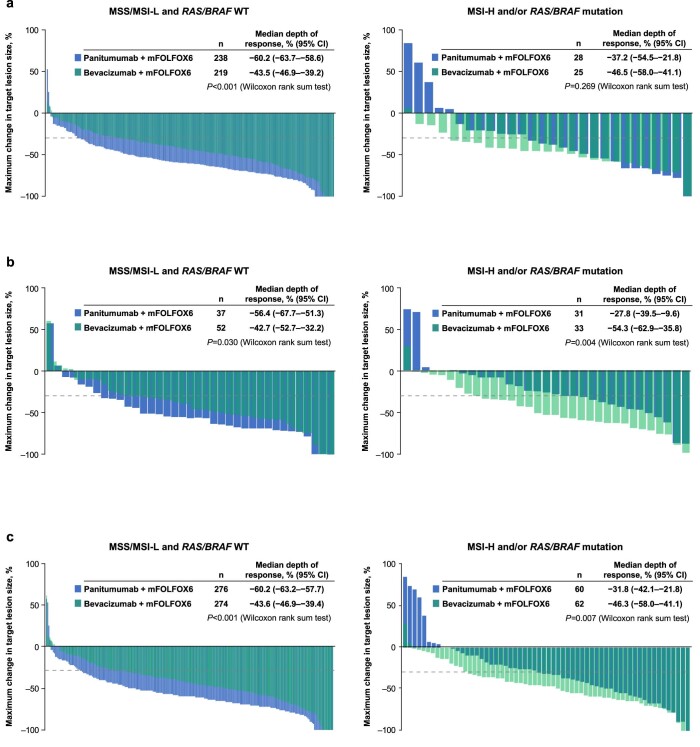
Certain genetic alterations and right-sided primary tumor location are associated with resistance to anti-epidermal growth factor (EGFR) treatment in metastatic colorectal cancer (mCRC). The phase 3 PARADIGM trial (n = 802) demonstrated longer overall survival with first-line anti-EGFR (panitumumab) versus antivascular endothelial growth factor (bevacizumab) plus modified FOLFOX6 in patients with RAS wild-type mCRC with left-sided primary tumors. This prespecified exploratory biomarker analysis of PARADIGM (n = 733) evaluated the association between circulating tumor DNA (ctDNA) gene alterations and efficacy outcomes, focusing on a broad panel of gene alterations associated with resistance to EGFR inhibition, including KRAS, NRAS, PTEN and extracellular domain EGFR mutations, HER2 and MET amplifications, and ALK, RET and NTRK1 fusions. Overall survival was prolonged with panitumumab plus modified FOLFOX6 versus bevacizumab plus modified FOLFOX6 in patients with ctDNA that lacked gene alterations in the panel (that is, negative hyperselected; median in the overall population: 40.7 versus 34.4 months; hazard ratio, 0.76; 95% confidence interval, 0.62-0.92) but was similar or inferior with panitumumab in patients with ctDNA that contained any gene alteration in the panel (19.2 versus 22.2 months; hazard ratio, 1.13; 95% confidence interval, 0.83-1.53), regardless of tumor sidedness. Negative hyperselection using ctDNA may guide optimal treatment selection in patients with mCRC. ClinicalTrials.gov registrations: NCT02394834 and NCT02394795 .
某些基因改变和右侧原发性肿瘤位置与转移性结直肠癌(mCRC)患者对表皮生长因子(EGFR)治疗的耐药性有关。III 期 PARADIGM 试验(n=802)表明,对于左侧原发性肿瘤的 RAS 野生型 mCRC 患者,一线抗 EGFR(帕尼单抗)与抗血管内皮生长因子(贝伐单抗)加改良 FOLFOX6 相比,总生存期更长。该 PARADIGM 的预先指定的探索性生物标志物分析(n=733)评估了循环肿瘤 DNA(ctDNA)基因改变与疗效结果之间的关系,重点关注与 EGFR 抑制耐药相关的广泛基因改变,包括 KRAS、NRAS、PTEN 和细胞外结构域 EGFR 突变、HER2 和 MET 扩增以及 ALK、RET 和 NTRK1 融合。在 ctDNA 中缺乏该面板基因改变的患者(即阴性超选择)中,panitumumab 联合改良 FOLFOX6 与 bevacizumab 联合改良 FOLFOX6 相比,总生存期延长(总体人群中位数:40.7 与 34.4 个月;风险比,0.76;95%置信区间,0.62-0.92),但在 ctDNA 中包含该面板任何基因改变的患者中,panitumumab 相似或劣效(19.2 与 22.2 个月;风险比,1.13;95%置信区间,0.83-1.53),与肿瘤侧别无关。使用 ctDNA 进行阴性超选择可能有助于指导 mCRC 患者的最佳治疗选择。ClinicalTrials.gov 注册号:NCT02394834 和 NCT02394795。