The First Affiliated Hospital of Anhui University of Chinese Medicine, Hefei, Anhui, 230031, People's Republic of China.
Anhui University of Chinese Medicine, Hefei, Anhui, 230038, People's Republic of China.
Drug Des Devel Ther. 2024 Feb 12;18:407-423. doi: 10.2147/DDDT.S436718. eCollection 2024.
Zishen Yutai pills (ZYP), a traditional Chinese patent medicine, was listed in China in 1981. It is composed of 15 traditional Chinese medicines and has the effects of regulating menstruation, helping pregnancy, and preventing abortion. In clinical practice, it is effective in preventing habitual and threatened miscarriages, and continuing to explore its mechanism of action is very meaningful research.
To explore the possible mechanism of ZYP promoting angiogenesis at the maternal-fetal interface in recurrent spontaneous abortion (RSA).
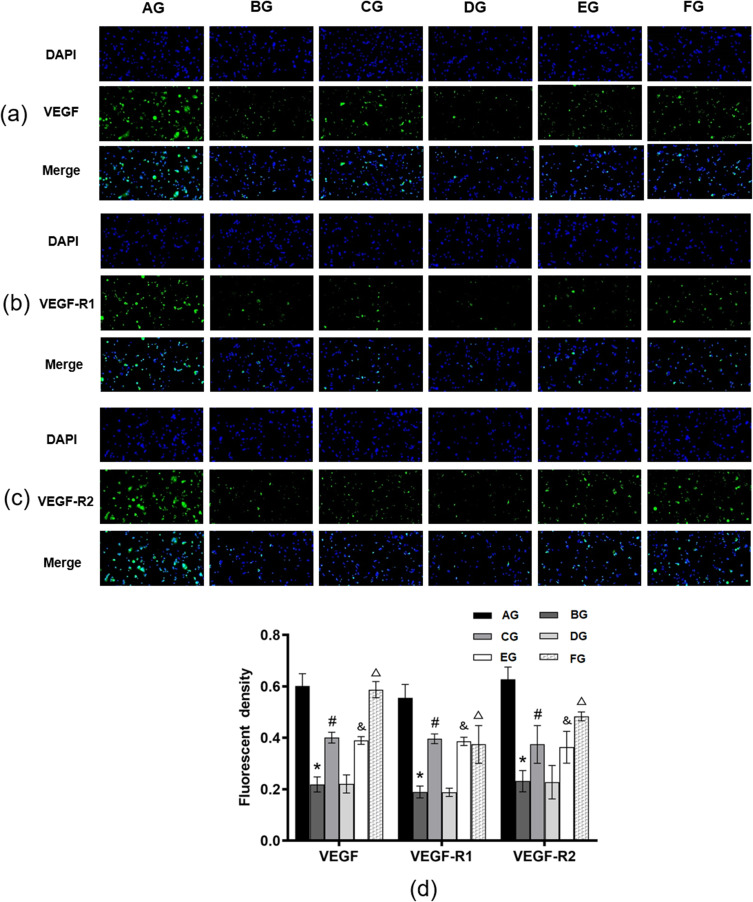
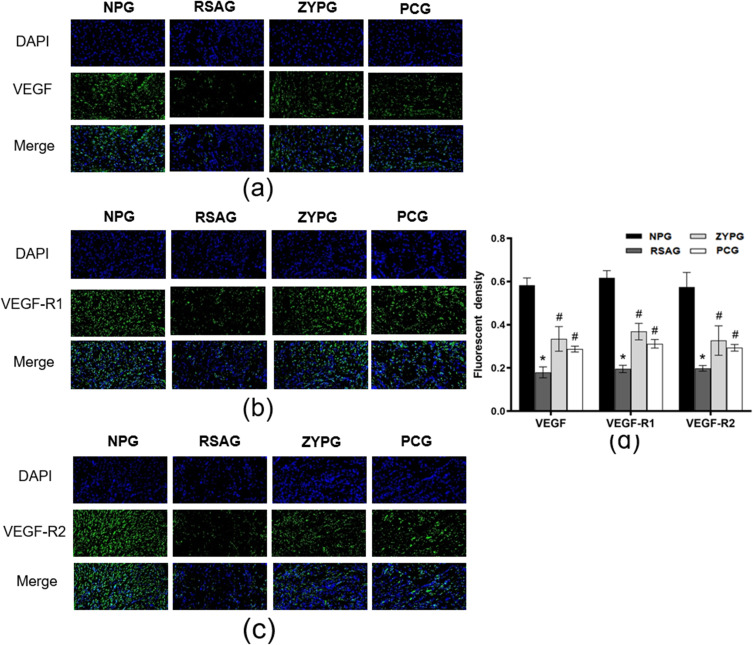
In vitro experiments, placental trophoblast cells (PTCs) were isolated from the placental tissue of RSA mice and divided into six groups: Control group, Model group, ZYP group, miR-187 inhibitor NC group, miR-18 7 inhibitor group, and miR-187 inhibitor+ZYP group. Cell viability and cell cycle were measured using CCK8 and flow cytometry, respectively. The expression levels of miR-187, VEGF, VEGF-R1, and VEGF-R2 were measured using RT-qPCR, WB, and IF staining. Animal experiments first establish an RSA mice model (CBA/J × DBA/2) and then randomly divide the mice into four groups (n=10): normal pregnancy group, RSA model group, ZYP group, and progesterone capsule group. Observed the changes in embryo absorption rate, pathological morphology of decidual tissue, and ultrastructure of vascular endothelial cells in each group of mice. RT-qPCR, WB, and IF staining methods were used to determine the expression of miR-187, VEGF, VEGF-R1, and VEGF-R2.
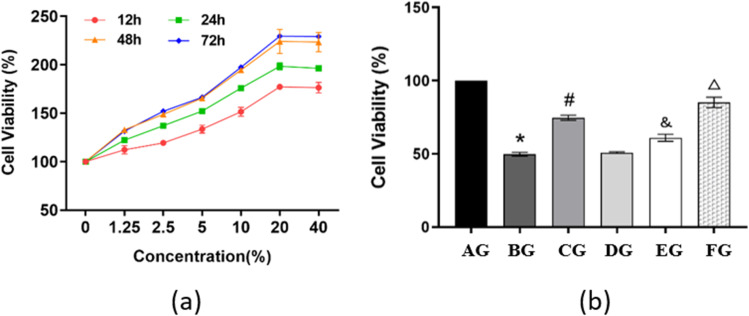
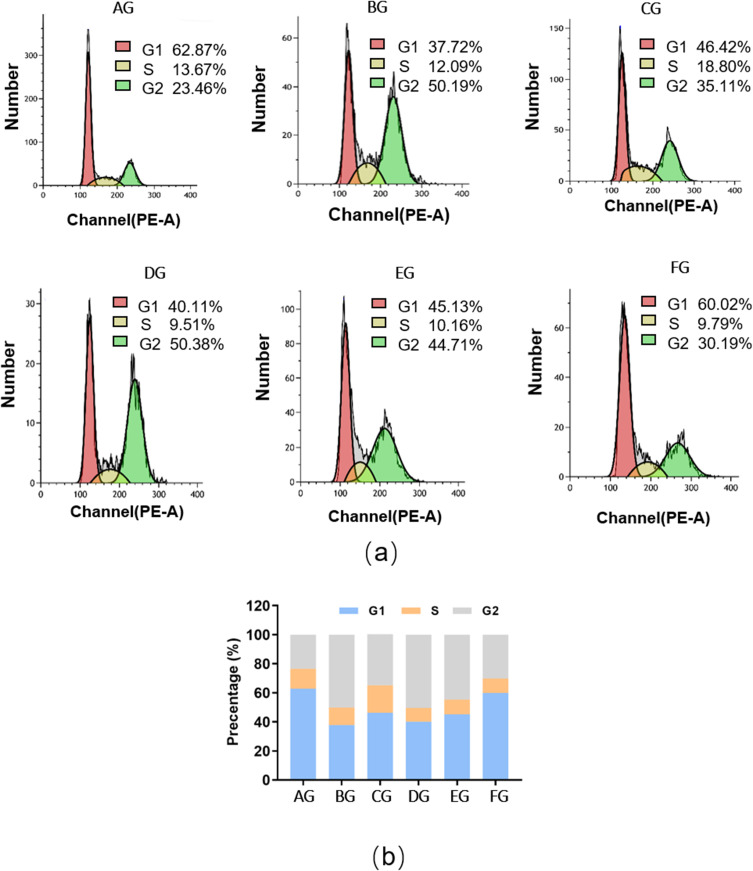
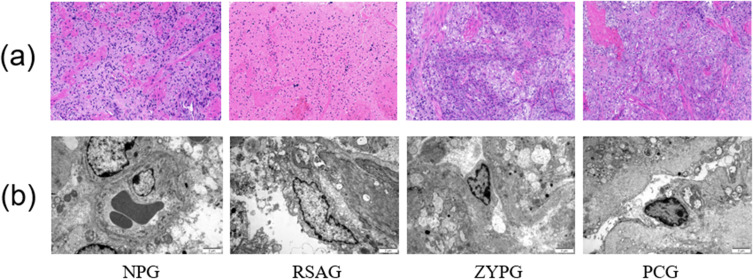
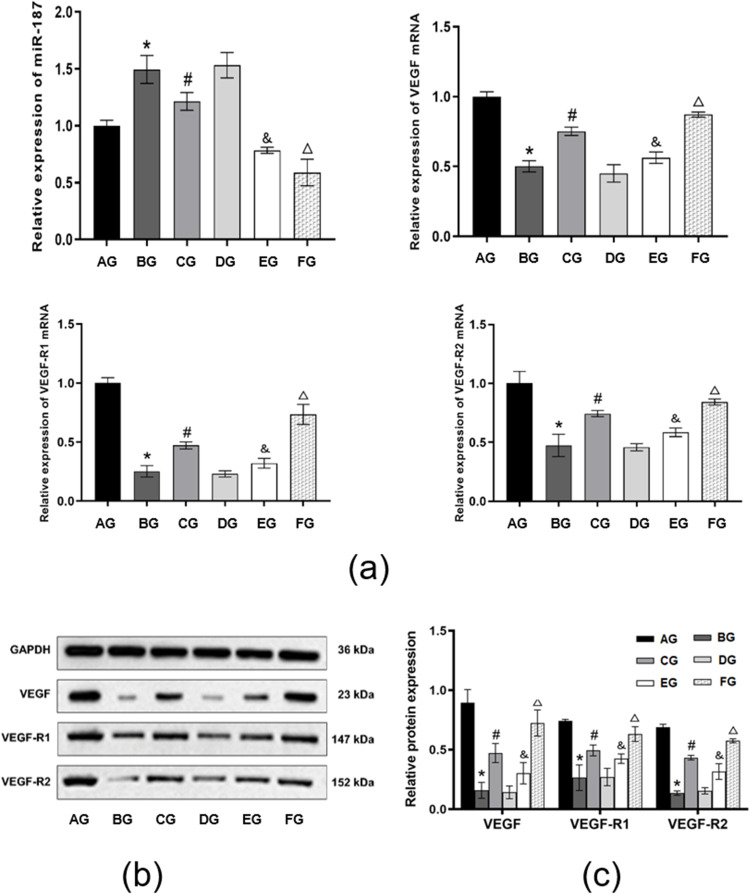
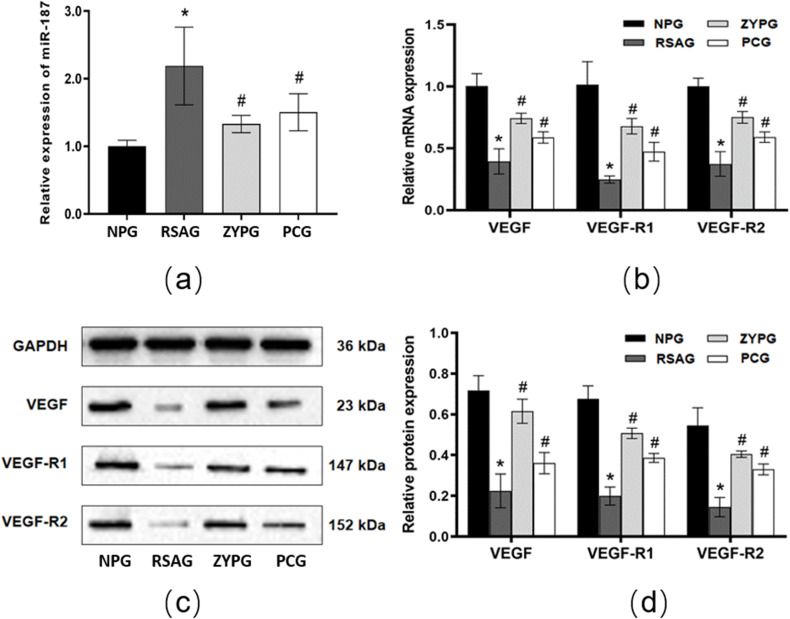
In vitro, ZYP promoted the viability of PTCs and regulated their cell cycle, and ZYP down-regulated miR-187, up-regulated VEGF, VEGF-R1 and VEGF-R2 levels. miR-187 inhibitor showed the same effects, and further ZYP intervention enhanced the effects. In vivo, ZYP remarkably reduced embryo resorption rates, and improved the pathological morphology of decidual tissues and ultrastructure of vascular endothelial cells. Moreover, ZYP down-regulated miR-187, up-regulated VEGF, VEGF-R1 and VEGF-R2.
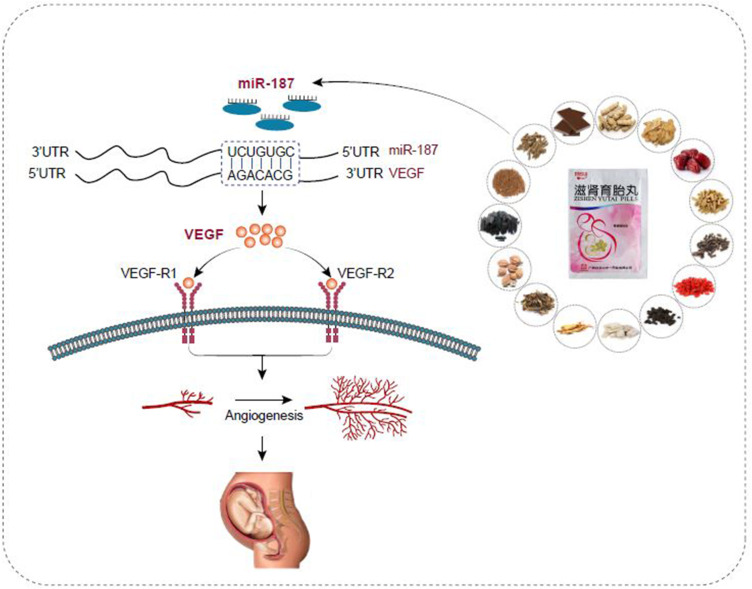
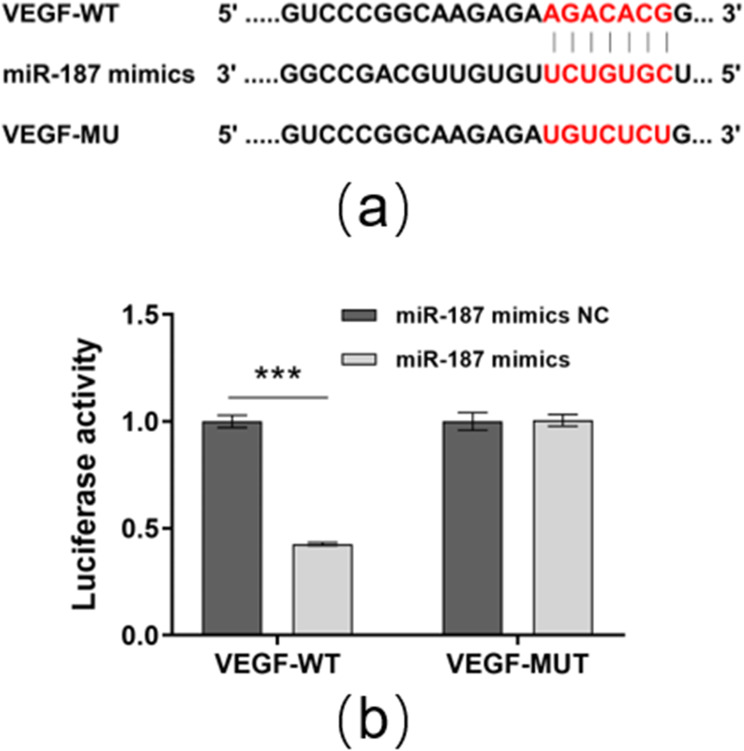
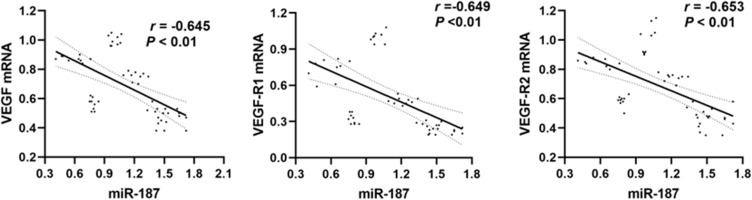
In summary, ZYP can regulate the expression of VEGF via miR-187, then promote the angiogenesis at the maternal-fetal interface, and playing a therapeutic role in RSA.
滋肾育胎丸(ZYP)是一种传统的中药专利药物,于 1981 年在中国上市。它由 15 种中药组成,具有调节月经、助孕和预防流产的功效。在临床实践中,它在预防习惯性和威胁性流产方面非常有效,因此继续探索其作用机制具有非常重要的意义。
探讨滋肾育胎丸在复发性自然流产(RSA)中促进母胎界面血管生成的可能机制。
体外实验中,从 RSA 小鼠的胎盘组织中分离胎盘滋养细胞(PTCs),并将其分为六组:对照组、模型组、ZYP 组、miR-187 抑制剂 NC 组、miR-187 抑制剂组和 miR-187 抑制剂+ZYP 组。分别采用 CCK8 和流式细胞术检测细胞活力和细胞周期。采用 RT-qPCR、WB 和 IF 染色法检测 miR-187、VEGF、VEGF-R1 和 VEGF-R2 的表达水平。动物实验首先建立 RSA 小鼠模型(CBA/J×DBA/2),然后将小鼠随机分为四组(n=10):正常妊娠组、RSA 模型组、ZYP 组和黄体酮胶囊组。观察各组小鼠胚胎吸收率、蜕膜组织病理形态和血管内皮细胞超微结构的变化。采用 RT-qPCR、WB 和 IF 染色法检测 miR-187、VEGF、VEGF-R1 和 VEGF-R2 的表达。
体外实验中,ZYP 促进 PTCs 的活力并调节其细胞周期,并且 ZYP 下调 miR-187,上调 VEGF、VEGF-R1 和 VEGF-R2 水平。miR-187 抑制剂表现出相同的作用,并且进一步的 ZYP 干预增强了这些作用。体内实验中,ZYP 显著降低胚胎吸收率,改善蜕膜组织的病理形态和血管内皮细胞的超微结构。此外,ZYP 下调 miR-187,上调 VEGF、VEGF-R1 和 VEGF-R2。
综上所述,ZYP 可以通过 miR-187 调节 VEGF 的表达,进而促进母胎界面的血管生成,从而在 RSA 中发挥治疗作用。