Pan Yecan, Li Zishu, Zhao Xiaoyu, Du Yang, Zhang Lin, Lu Yushun, Yang Ling, Cao Yilin, Qiu Jing, Qian Yongzhong
Key Laboratory of Agro-Product Quality and Safety, Institute of Quality Standards and Testing Technology for Agro-Products, Chinese Academy of Agricultural Sciences, Beijing 100081, China.
Key Laboratory of Agri-Food Quality and Safety, Ministry of Agriculture and Rural Affairs, Beijing 100081, China.
Foods. 2024 Feb 18;13(4):612. doi: 10.3390/foods13040612.
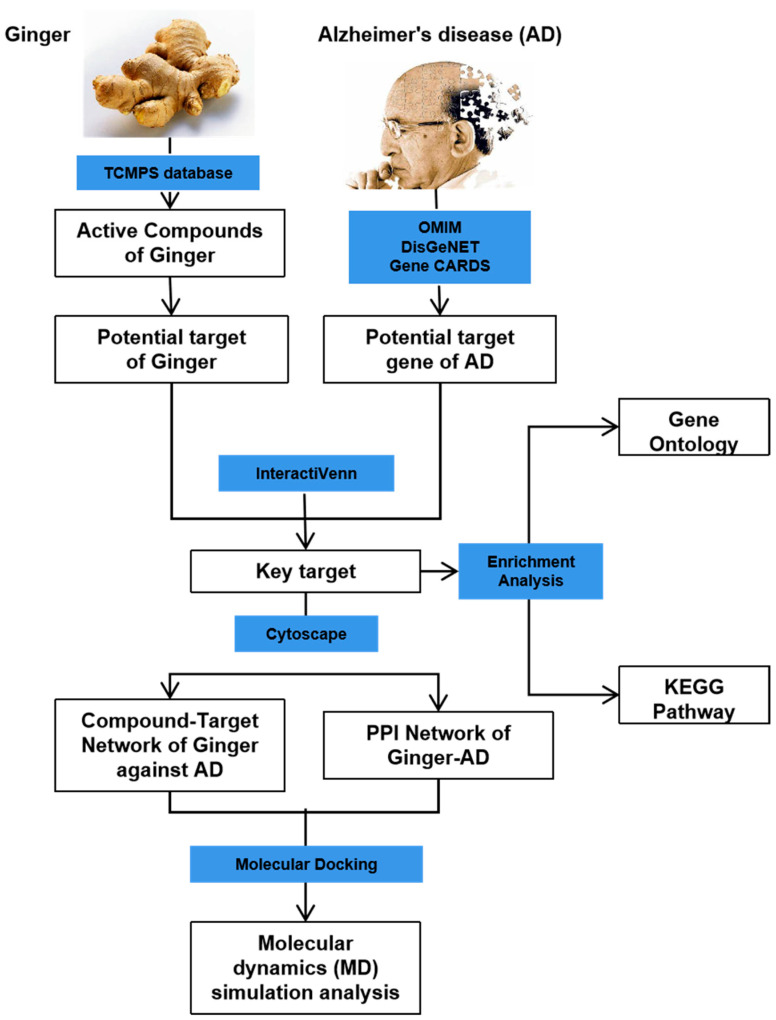
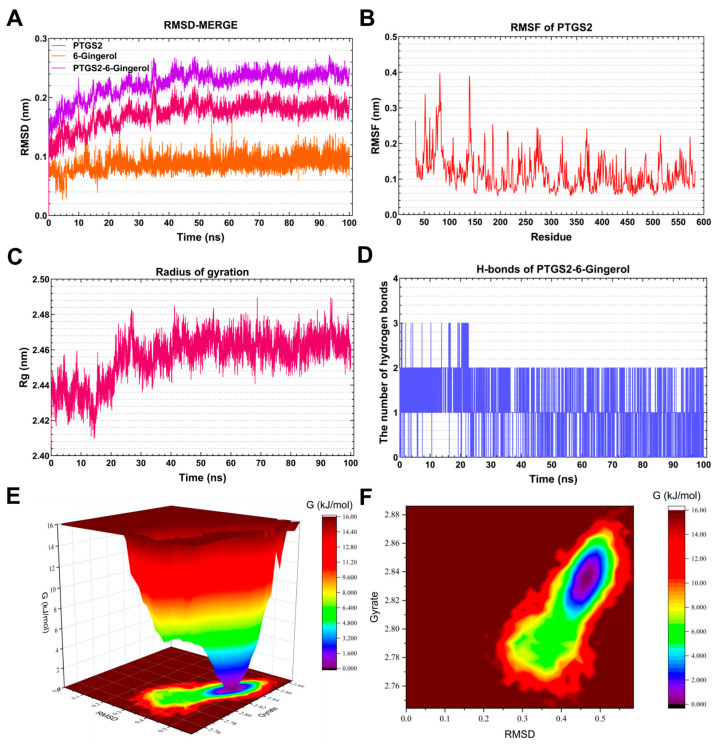
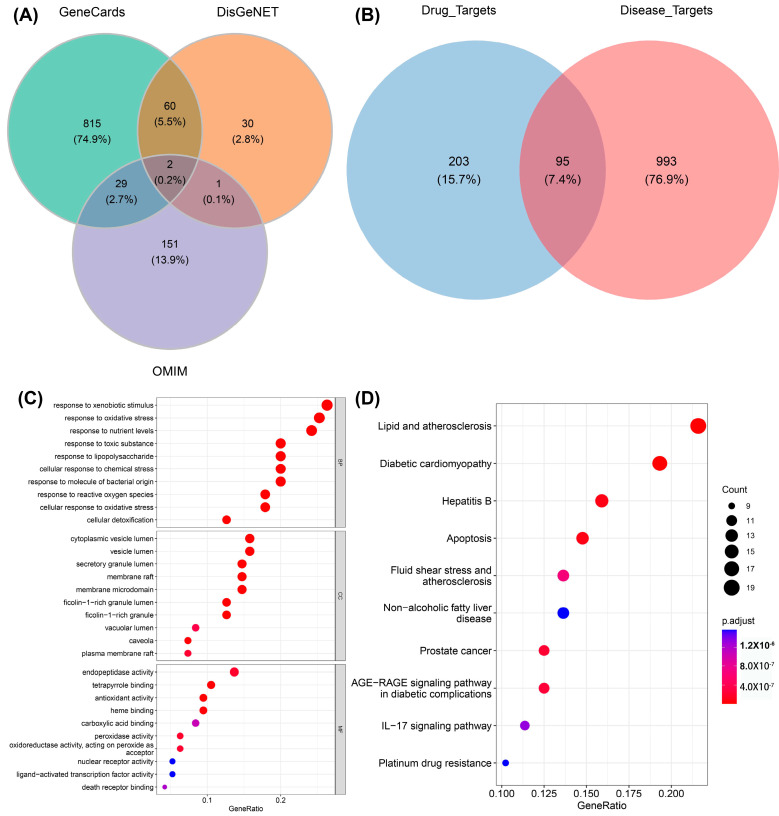
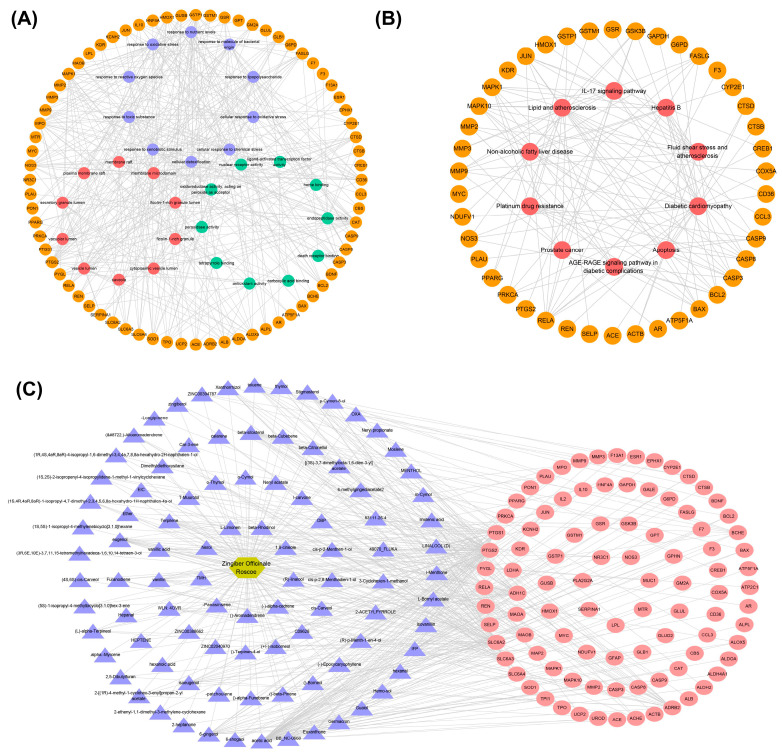
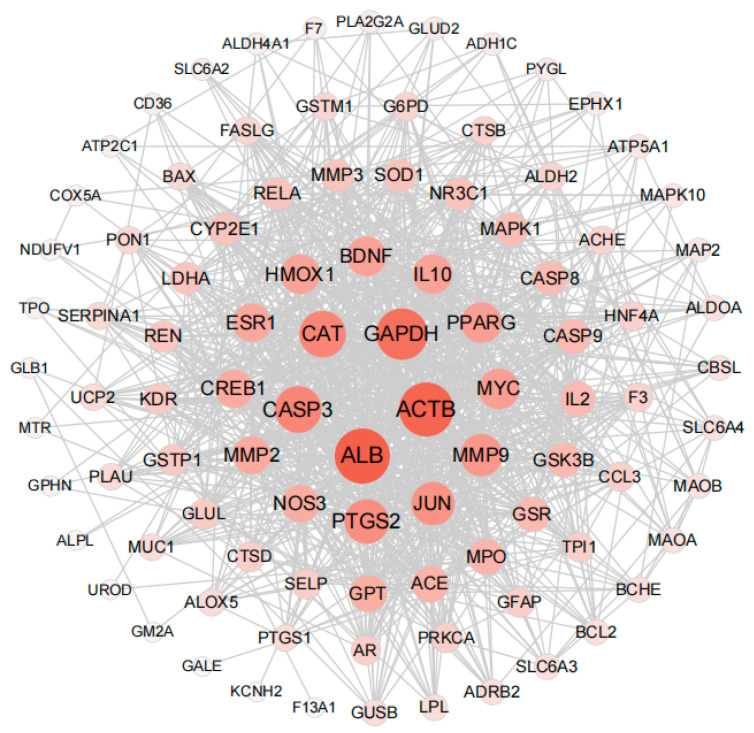
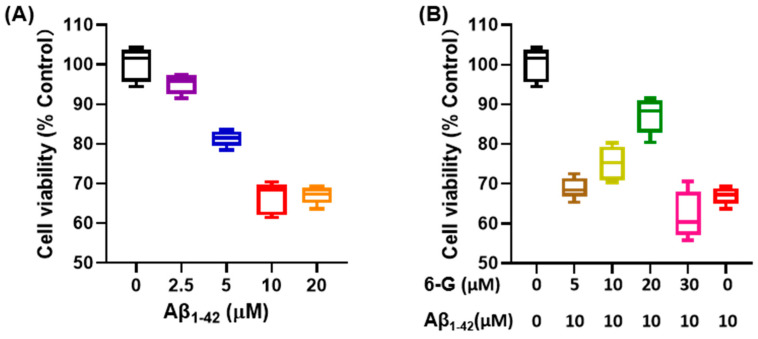
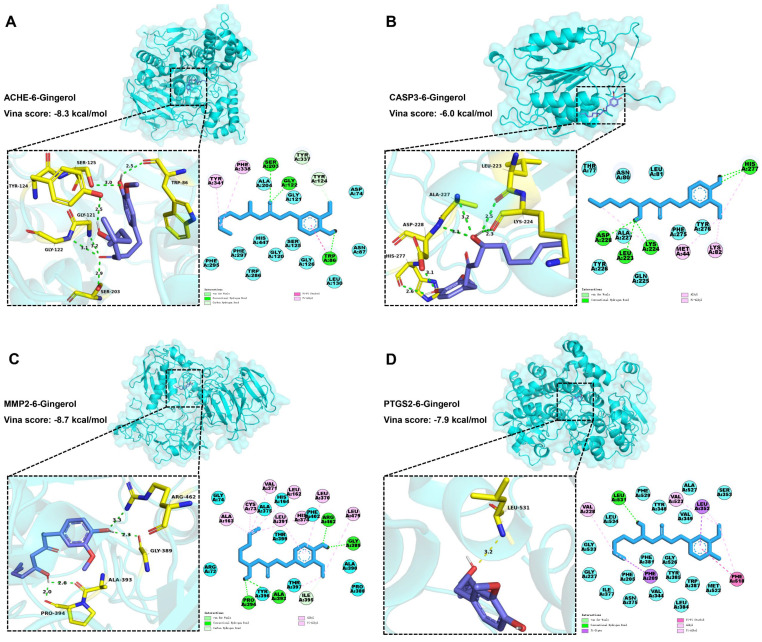
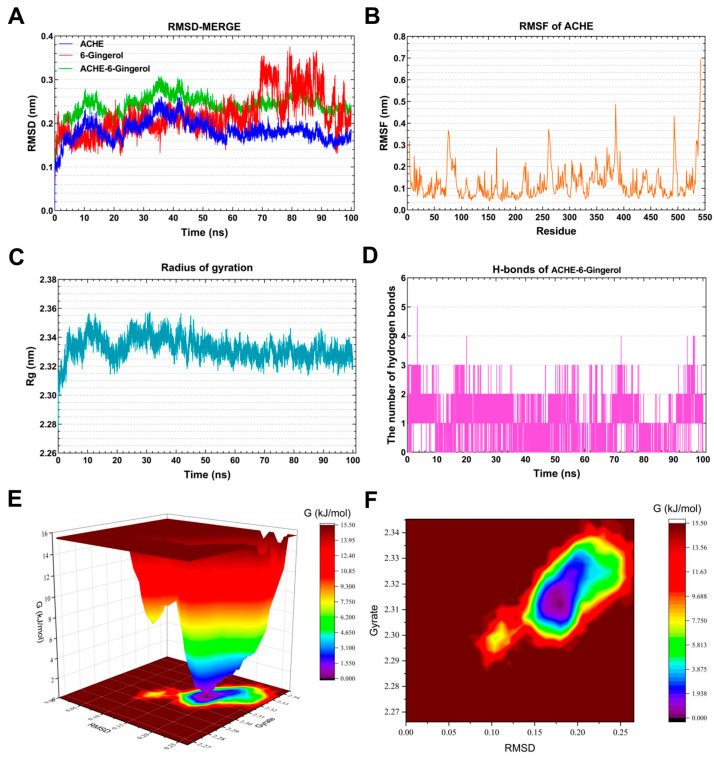
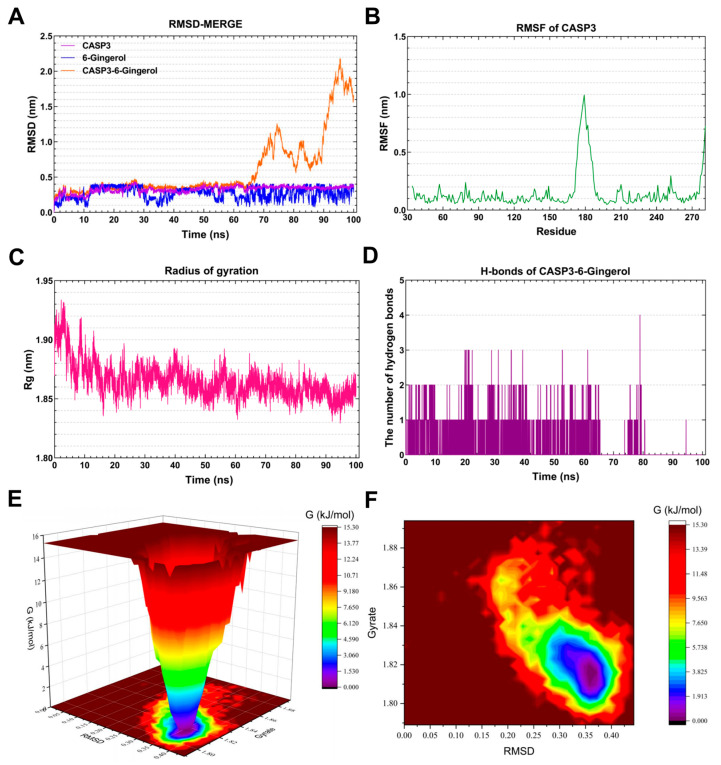
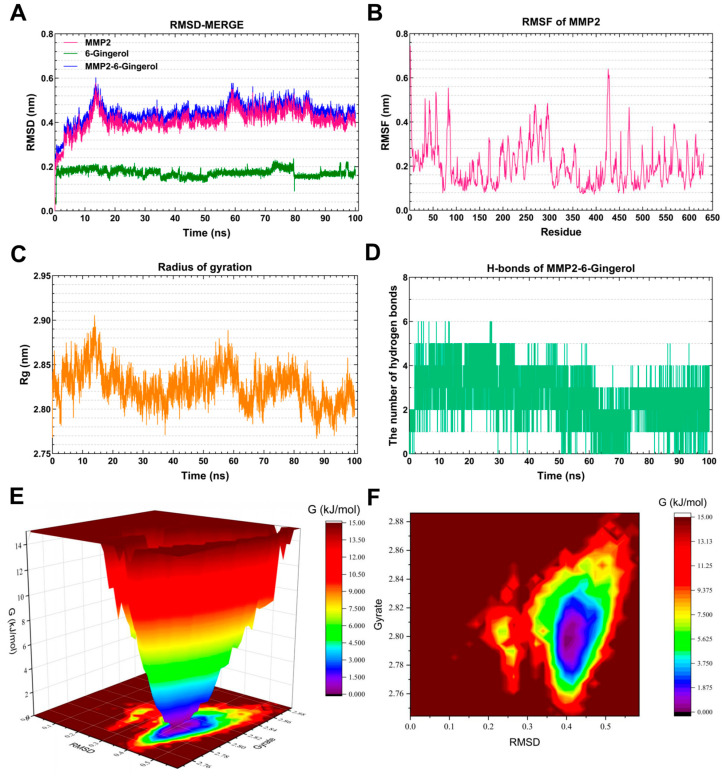
Ginger has been reported to potentially treat Alzheimer's disease (AD), but the specific compounds responsible for this biological function and their mechanisms are still unknown. In this study, a combination of network pharmacology, molecular docking, and dynamic simulation technology was used to screen active substances that regulate AD and explore their mechanisms. The TCMSP, GeneCards, OMIM, and DisGeNET databases were utilized to obtain 95 cross-targets related to ginger's active ingredients and AD as key targets. A functional enrichment analysis revealed that the pathways in which ginger's active substances may be involved in regulating AD include response to exogenous stimuli, response to oxidative stress, response to toxic substances, and lipid metabolism, among others. Furthermore, a drug-active ingredient-key target interaction network diagram was constructed, highlighting that 6-Gingerol is associated with 16 key targets. Additionally, a protein-protein interaction (PPI) network was mapped for the key targets, and genes (, , , , and ) were identified. Based on the results of network pharmacology and cell experiments, 6-Gingerol was selected as the active ingredient for further investigation. Molecular docking was performed between 6-Gingerol and its 16 key targets, and the top three proteins with the strongest binding affinities (, , and ) were chosen for molecular dynamics analysis together with the protein as the HUB gene. The findings indicate that 6-Gingerol exhibits strong binding ability to these disease targets, suggesting its potential role in regulating AD at the molecular level, as well as in abnormal cholinesterase metabolism and cell apoptosis, among other related regulatory pathways. These results provide a solid theoretical foundation for future in vitro experiments using actual cells and animal experiments to further investigate the application of 6-Gingerol.
据报道,生姜可能具有治疗阿尔茨海默病(AD)的作用,但其发挥这一生物学功能的具体化合物及其作用机制仍不清楚。在本研究中,采用网络药理学、分子对接和动态模拟技术相结合的方法,筛选调控AD的活性物质并探究其作用机制。利用中药系统药理学数据库与分析平台(TCMSP)、基因卡片(GeneCards)、在线孟德尔遗传人类疾病数据库(OMIM)和疾病基因数据库(DisGeNET),获取与生姜活性成分和AD相关的95个交叉靶点作为关键靶点。功能富集分析表明,生姜活性物质可能参与调控AD的途径包括对外源刺激的反应、对氧化应激的反应、对有毒物质的反应以及脂质代谢等。此外,构建了药物-活性成分-关键靶点相互作用网络图,突出显示6-姜酚与16个关键靶点相关。另外,针对关键靶点绘制了蛋白质-蛋白质相互作用(PPI)网络,并鉴定出了相关基因(、、、和)。基于网络药理学和细胞实验结果,选择6-姜酚作为活性成分进行进一步研究。对6-姜酚与其16个关键靶点进行分子对接,并选择结合亲和力最强的前三个蛋白(、和)与作为枢纽基因的蛋白一起进行分子动力学分析。研究结果表明,6-姜酚对这些疾病靶点具有较强的结合能力,提示其在分子水平调控AD以及异常胆碱酯酶代谢和细胞凋亡等其他相关调控途径中可能发挥的作用。这些结果为未来使用实际细胞进行体外实验和动物实验进一步研究6-姜酚的应用提供了坚实的理论基础。