• 文献检索
  • 文档翻译
  • 深度研究
  • 学术资讯
  • Suppr Zotero 插件Zotero 插件
  • 邀请有礼
  • 套餐&价格
  • 历史记录
应用&插件
Suppr Zotero 插件Zotero 插件浏览器插件Mac 客户端Windows 客户端微信小程序
定价
高级版会员购买积分包购买API积分包
服务
文献检索文档翻译深度研究API 文档MCP 服务
关于我们
关于 Suppr公司介绍联系我们用户协议隐私条款
关注我们

Suppr 超能文献

核心技术专利:CN118964589B侵权必究
粤ICP备2023148730 号-1Suppr @ 2026

文献检索

告别复杂PubMed语法,用中文像聊天一样搜索,搜遍4000万医学文献。AI智能推荐,让科研检索更轻松。

立即免费搜索

文件翻译

保留排版,准确专业,支持PDF/Word/PPT等文件格式,支持 12+语言互译。

免费翻译文档

深度研究

AI帮你快速写综述,25分钟生成高质量综述,智能提取关键信息,辅助科研写作。

立即免费体验

热暴露对通过粉末热等静压制备的Ti-48Al-3Nb-1.5Ta合金微观结构和力学性能的影响

Effects of Thermal Exposure on the Microstructure and Mechanical Properties of a Ti-48Al-3Nb-1.5Ta Alloy via Powder Hot Isostatic Pressing.

作者信息

Zuo Zhenbo, Hu Rui, Wang Qingxiang, Gao Zitong, Luo Xian, Lai Yunjin, Xue Sa, Xiang Min, Zhao Xiaohao, Li Shaoqiang

机构信息

State Key Laboratory of Solidification Processing, Northwestern Polytechnical University, Xi'an 710072, China.

Sino-Euro Materials Technologies of Xi'an Co., Ltd., Xi'an 710018, China.

出版信息

Materials (Basel). 2024 Feb 7;17(4):794. doi: 10.3390/ma17040794.

DOI:10.3390/ma17040794
PMID:38399045
原文链接:https://pmc.ncbi.nlm.nih.gov/articles/PMC10890613/
Abstract

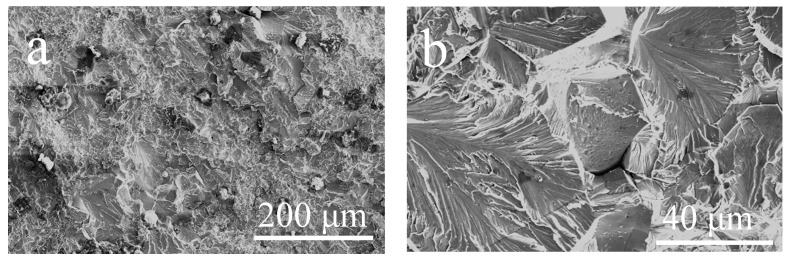
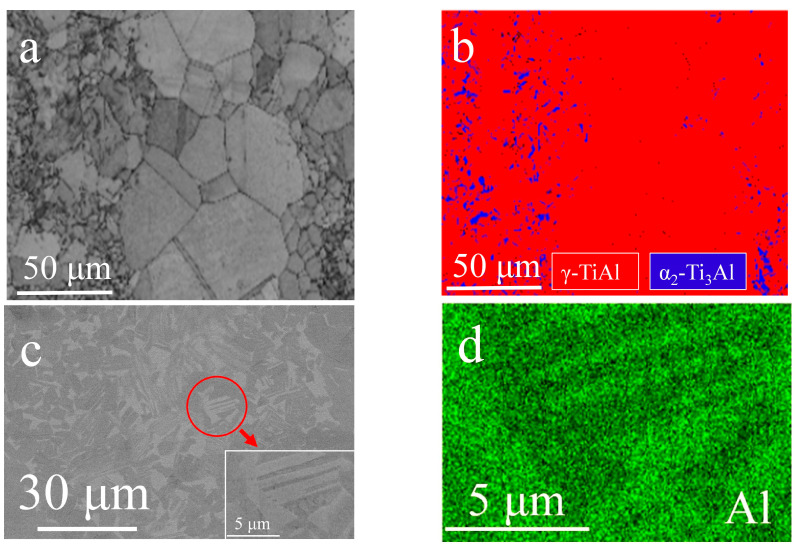
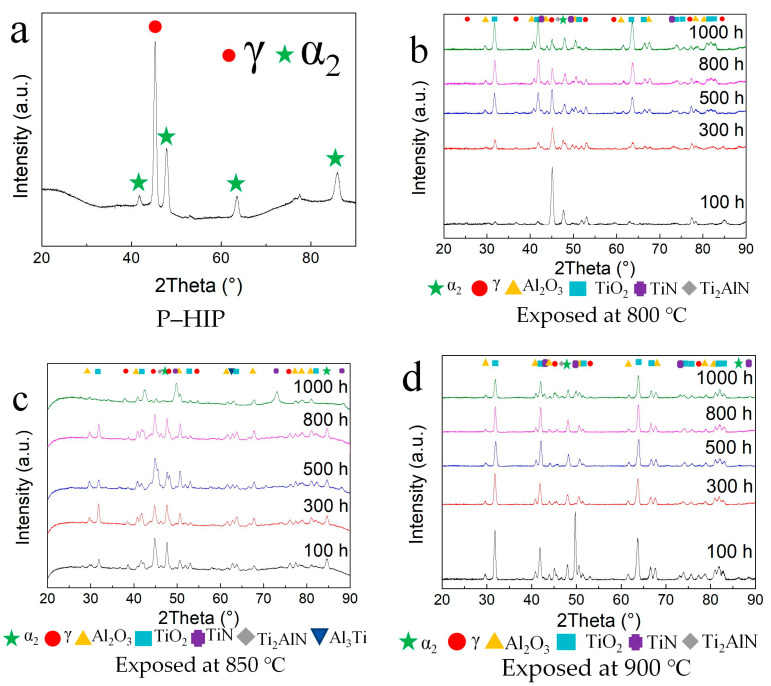
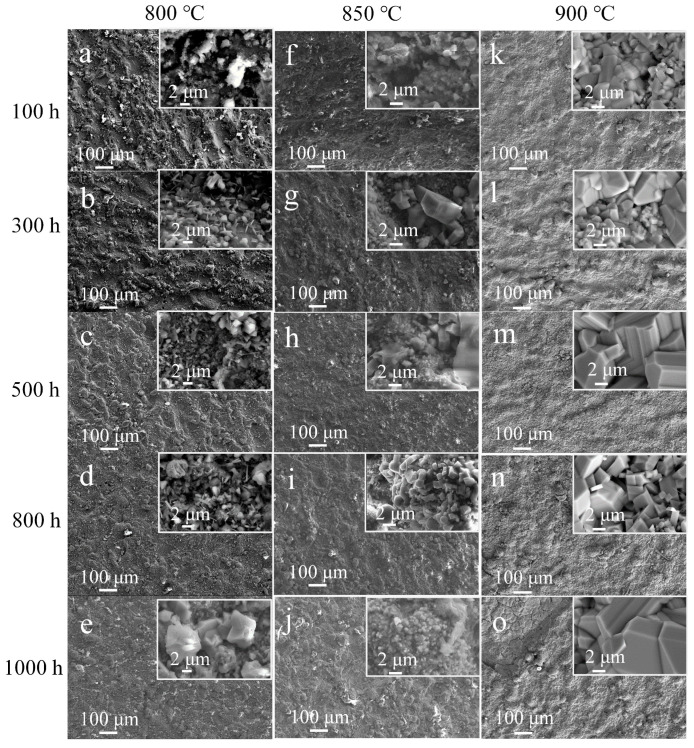
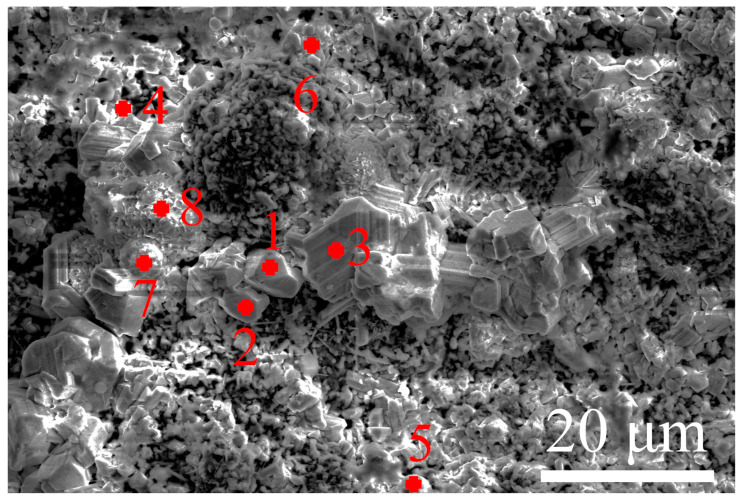
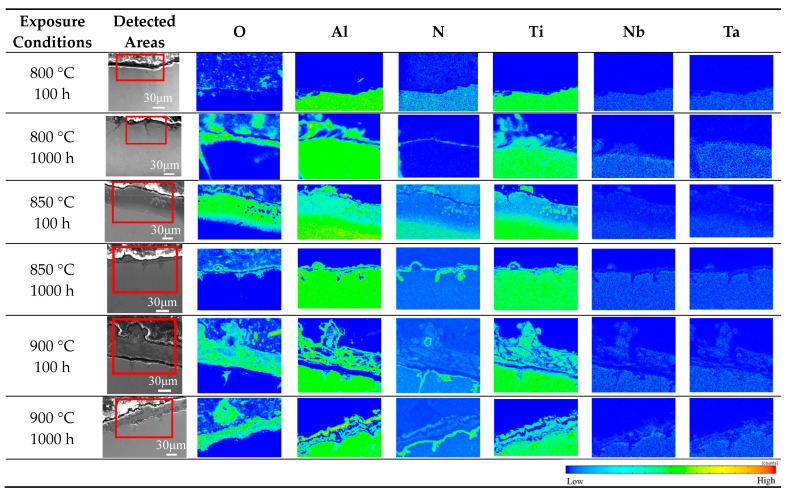
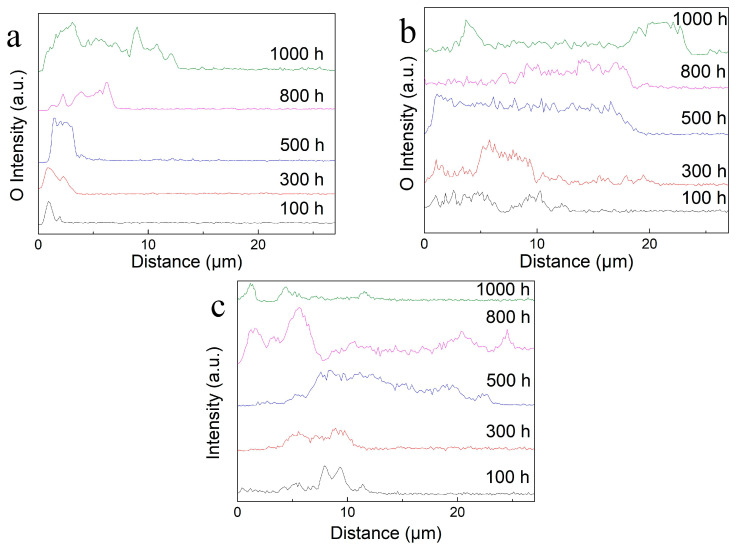
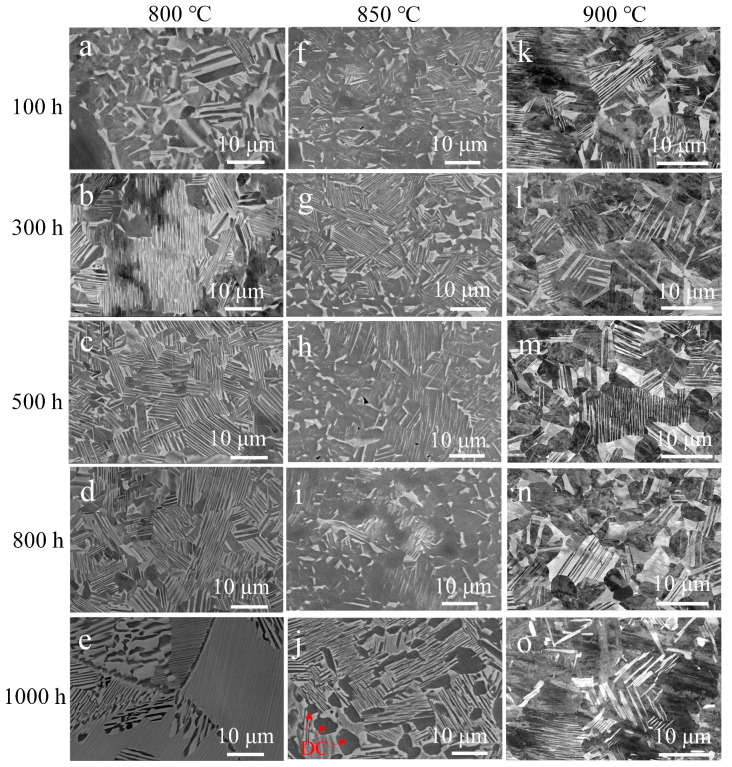
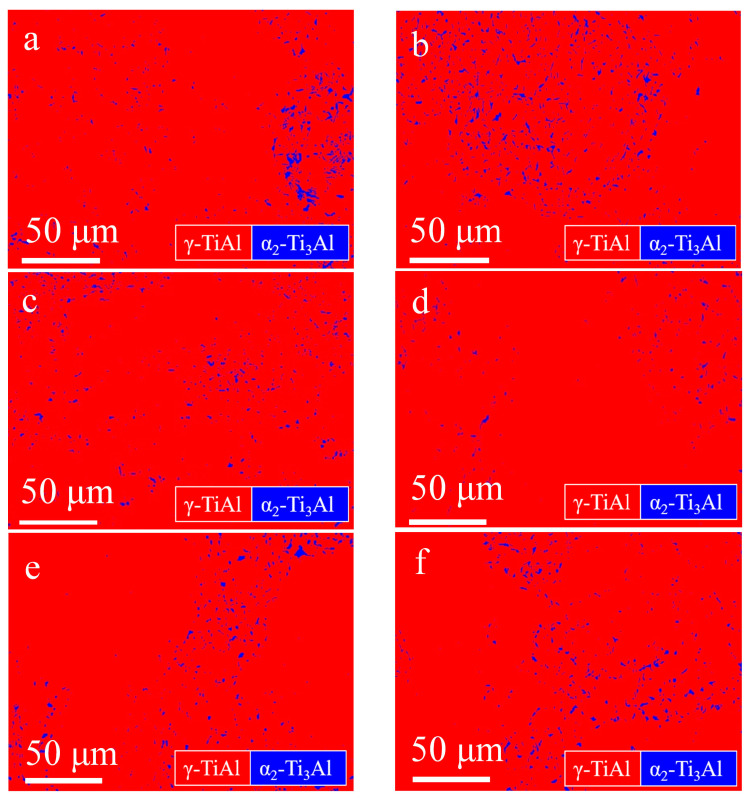
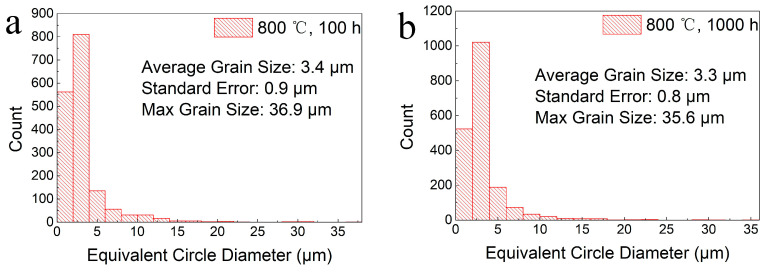
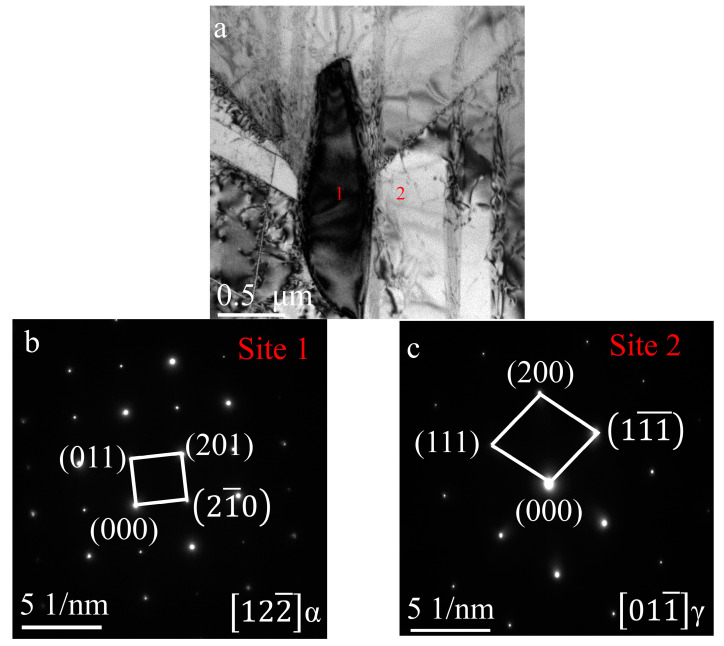
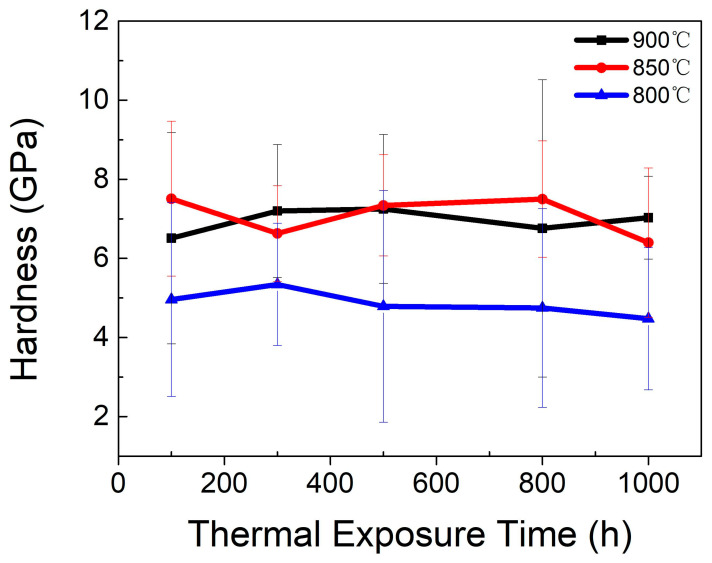
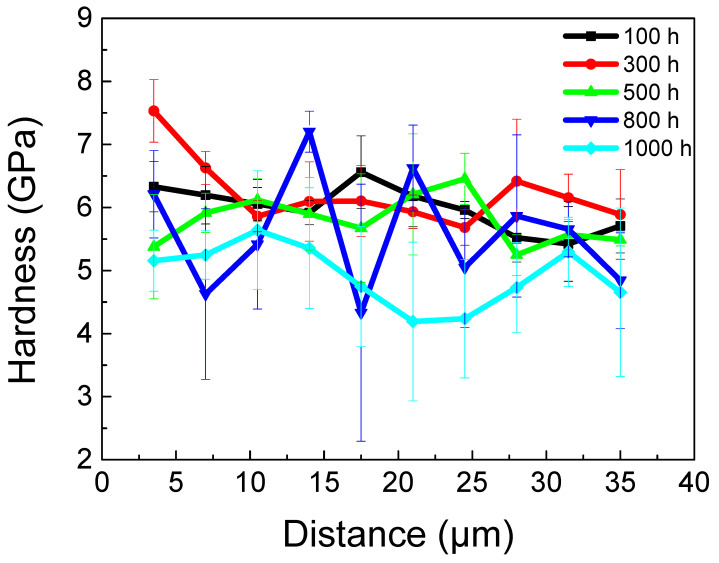
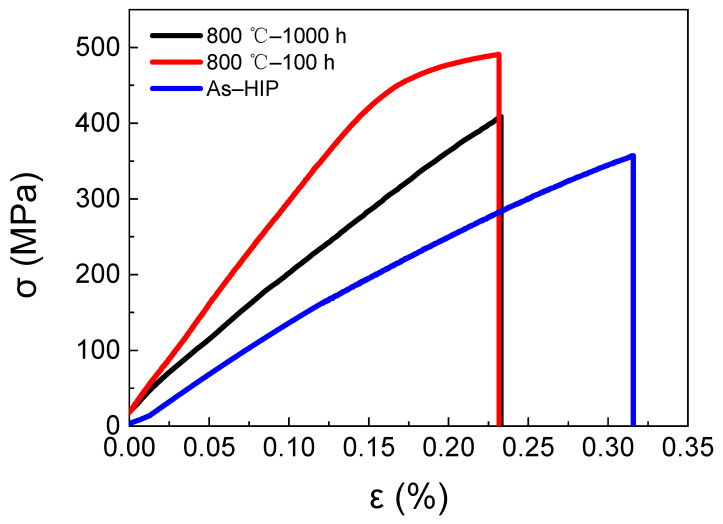
Research on how thermal exposure affects the microstructure and mechanical properties of the Ti-48Al-3Nb-1.5Ta (at. %) alloy, which is prepared via powder hot isostatic pressing (P-HIP), is essential since this low-density alloy shows promise for use in high-temperature applications, particularly for aero-engines, which require long-term stable service. In this study, a P-HIP Ti-48Al-3Nb-1.5Ta (at. %) alloy was exposed to high temperatures for long durations. The phase, microstructure and mechanical properties of the P-HIP Ti-48Al-3Nb-1.5Ta alloy after thermal exposure under different conditions were analyzed using XRD, SEM, EBSD, EPMA, TEM, nanomechanical testing and tensile testing. The surface scale is composed of oxides and nitrides, primarily AlO, TiO, and TiN, among which AlO is preferentially generated and then covered by rapidly growing TiO as the thermal exposure duration increases. The nitrides appear later than the oxides and exist between the oxides and the substrate. With increasing exposure temperature and duration, the surface scale becomes more continuous, TiO particles grow larger, and the oxide layer thickens or even falls off. The addition of Ta and Nb can improve the oxidation resistance because Ta and Nb replace Ti in the rutile lattice and weaken O diffusion. Compared with the P-HIP Ti-48Al-3Nb-1.5Ta alloy, after thermal exposure, the grain size does not increase significantly, and the γ phase increases slightly (by less than 3%) with the decomposition of the α phase. With increasing thermal exposure duration, the γ phase exhibits discontinuous coarsening (DC). Compared with the P-HIP Ti-48Al-3Nb-1.5Ta alloy, the hardness increases by about 2 GPa, the tensile strength increases by more than 50 MPa, and the fracture strain decreases by about 0.1% after thermal exposure. When the depth extends from the edge of the thermally exposed specimens, the hardness decreases overall.

摘要

研究热暴露如何影响通过粉末热等静压(P-HIP)制备的Ti-48Al-3Nb-1.5Ta(原子百分比)合金的微观结构和力学性能至关重要,因为这种低密度合金在高温应用中显示出应用前景,特别是对于需要长期稳定运行的航空发动机。在本研究中,对一种P-HIP Ti-48Al-3Nb-1.5Ta(原子百分比)合金进行了长时间的高温暴露。使用XRD、SEM、EBSD、EPMA、TEM、纳米力学测试和拉伸测试分析了不同条件下热暴露后的P-HIP Ti-48Al-3Nb-1.5Ta合金的相、微观结构和力学性能。表面氧化皮由氧化物和氮化物组成,主要是AlO、TiO和TiN,随着热暴露时间的增加,其中AlO优先生成,然后被快速生长的TiO覆盖。氮化物比氧化物出现得晚,存在于氧化物和基体之间。随着暴露温度和时间的增加,表面氧化皮变得更加连续,TiO颗粒变大,氧化层增厚甚至脱落。添加Ta和Nb可以提高抗氧化性,因为Ta和Nb在金红石晶格中取代Ti并削弱O扩散。与P-HIP Ti-48Al-3Nb-1.5Ta合金相比,热暴露后晶粒尺寸没有显著增加,并且随着α相的分解,γ相略有增加(小于3%)。随着热暴露时间的增加,γ相表现出不连续粗化(DC)。与P-HIP Ti-48Al-3Nb-1.5Ta合金相比,热暴露后硬度增加约2 GPa,抗拉强度增加超过50 MPa,断裂应变降低约0.1%。当深度从热暴露试样的边缘延伸时,硬度总体上降低。
https://cdn.ncbi.nlm.nih.gov/pmc/blobs/e55d/10890613/9fca42d2c436/materials-17-00794-g015.jpg
https://cdn.ncbi.nlm.nih.gov/pmc/blobs/e55d/10890613/6a13a0a61057/materials-17-00794-g001.jpg
https://cdn.ncbi.nlm.nih.gov/pmc/blobs/e55d/10890613/c2e61dd69b01/materials-17-00794-g002a.jpg
https://cdn.ncbi.nlm.nih.gov/pmc/blobs/e55d/10890613/7f28fbda12dc/materials-17-00794-g003.jpg
https://cdn.ncbi.nlm.nih.gov/pmc/blobs/e55d/10890613/7b1b0bd21071/materials-17-00794-g004.jpg
https://cdn.ncbi.nlm.nih.gov/pmc/blobs/e55d/10890613/bd1b6d973d1f/materials-17-00794-g005.jpg
https://cdn.ncbi.nlm.nih.gov/pmc/blobs/e55d/10890613/da4cac99acfc/materials-17-00794-g006.jpg
https://cdn.ncbi.nlm.nih.gov/pmc/blobs/e55d/10890613/8d105263d1ea/materials-17-00794-g007.jpg
https://cdn.ncbi.nlm.nih.gov/pmc/blobs/e55d/10890613/3c4f30f47f35/materials-17-00794-g008.jpg
https://cdn.ncbi.nlm.nih.gov/pmc/blobs/e55d/10890613/a31f29c4b1ee/materials-17-00794-g009.jpg
https://cdn.ncbi.nlm.nih.gov/pmc/blobs/e55d/10890613/2980799038e7/materials-17-00794-g010a.jpg
https://cdn.ncbi.nlm.nih.gov/pmc/blobs/e55d/10890613/a5573a7eafab/materials-17-00794-g011a.jpg
https://cdn.ncbi.nlm.nih.gov/pmc/blobs/e55d/10890613/670194777a44/materials-17-00794-g012.jpg
https://cdn.ncbi.nlm.nih.gov/pmc/blobs/e55d/10890613/3083fee9c212/materials-17-00794-g013.jpg
https://cdn.ncbi.nlm.nih.gov/pmc/blobs/e55d/10890613/8087b7836552/materials-17-00794-g014.jpg
https://cdn.ncbi.nlm.nih.gov/pmc/blobs/e55d/10890613/9fca42d2c436/materials-17-00794-g015.jpg
https://cdn.ncbi.nlm.nih.gov/pmc/blobs/e55d/10890613/6a13a0a61057/materials-17-00794-g001.jpg
https://cdn.ncbi.nlm.nih.gov/pmc/blobs/e55d/10890613/c2e61dd69b01/materials-17-00794-g002a.jpg
https://cdn.ncbi.nlm.nih.gov/pmc/blobs/e55d/10890613/7f28fbda12dc/materials-17-00794-g003.jpg
https://cdn.ncbi.nlm.nih.gov/pmc/blobs/e55d/10890613/7b1b0bd21071/materials-17-00794-g004.jpg
https://cdn.ncbi.nlm.nih.gov/pmc/blobs/e55d/10890613/bd1b6d973d1f/materials-17-00794-g005.jpg
https://cdn.ncbi.nlm.nih.gov/pmc/blobs/e55d/10890613/da4cac99acfc/materials-17-00794-g006.jpg
https://cdn.ncbi.nlm.nih.gov/pmc/blobs/e55d/10890613/8d105263d1ea/materials-17-00794-g007.jpg
https://cdn.ncbi.nlm.nih.gov/pmc/blobs/e55d/10890613/3c4f30f47f35/materials-17-00794-g008.jpg
https://cdn.ncbi.nlm.nih.gov/pmc/blobs/e55d/10890613/a31f29c4b1ee/materials-17-00794-g009.jpg
https://cdn.ncbi.nlm.nih.gov/pmc/blobs/e55d/10890613/2980799038e7/materials-17-00794-g010a.jpg
https://cdn.ncbi.nlm.nih.gov/pmc/blobs/e55d/10890613/a5573a7eafab/materials-17-00794-g011a.jpg
https://cdn.ncbi.nlm.nih.gov/pmc/blobs/e55d/10890613/670194777a44/materials-17-00794-g012.jpg
https://cdn.ncbi.nlm.nih.gov/pmc/blobs/e55d/10890613/3083fee9c212/materials-17-00794-g013.jpg
https://cdn.ncbi.nlm.nih.gov/pmc/blobs/e55d/10890613/8087b7836552/materials-17-00794-g014.jpg
https://cdn.ncbi.nlm.nih.gov/pmc/blobs/e55d/10890613/9fca42d2c436/materials-17-00794-g015.jpg

相似文献

1
Effects of Thermal Exposure on the Microstructure and Mechanical Properties of a Ti-48Al-3Nb-1.5Ta Alloy via Powder Hot Isostatic Pressing.热暴露对通过粉末热等静压制备的Ti-48Al-3Nb-1.5Ta合金微观结构和力学性能的影响
Materials (Basel). 2024 Feb 7;17(4):794. doi: 10.3390/ma17040794.
2
Influence of Combined Heat Treatment and Hot Isostatic Pressure (HT-HIP) on Titanium Aluminide Processed by L-PBF.联合热处理和热等静压(HT-HIP)对激光粉末床熔融(L-PBF)加工的钛铝化物的影响。
Materials (Basel). 2023 Jul 18;16(14):5071. doi: 10.3390/ma16145071.
3
Effect of Cold-Rolling Deformation on the Microstructural and Mechanical Properties of a Biocompatible Ti-Nb-Zr-Ta-Sn-Fe Alloy.冷轧变形对生物相容性Ti-Nb-Zr-Ta-Sn-Fe合金微观结构及力学性能的影响
Materials (Basel). 2024 May 14;17(10):2312. doi: 10.3390/ma17102312.
4
Influence of Isothermal ω Transitional Phase-Assisted Phase Transition From β to α on Room-Temperature Mechanical Performance of a Meta-Stable β Titanium Alloy Ti-10Mo-6Zr-4Sn-3Nb (Ti-B12) for Medical Application.等温ω过渡相辅助β相向α相转变对用于医疗应用的亚稳β钛合金Ti-10Mo-6Zr-4Sn-3Nb(Ti-B12)室温力学性能的影响
Front Bioeng Biotechnol. 2021 Jan 20;8:626665. doi: 10.3389/fbioe.2020.626665. eCollection 2020.
5
Effects of Thermal Exposure Temperature on Room-Temperature Tensile Properties of Ti65 Alloy.热暴露温度对Ti65合金室温拉伸性能的影响
Materials (Basel). 2024 Sep 9;17(17):4424. doi: 10.3390/ma17174424.
6
[Corrosion resistance of a new Ti-12.5Zr-3Nb-2.5Sn alloy].[一种新型Ti-12.5Zr-3Nb-2.5Sn合金的耐腐蚀性]
Zhonghua Kou Qiang Yi Xue Za Zhi. 2010 Sep;45(9):569-72.
7
The Effect of Solution Treatment Duration on the Microstructural and Mechanical Properties of a Cold-Deformed-by-Rolling Ti-Nb-Zr-Ta-Sn-Fe Alloy.固溶处理时间对冷轧Ti-Nb-Zr-Ta-Sn-Fe合金微观组织和力学性能的影响
Materials (Basel). 2024 Feb 13;17(4):864. doi: 10.3390/ma17040864.
8
Evolution of Microstructural and Mechanical Properties during Cold-Rolling Deformation of a Biocompatible Ti-Nb-Zr-Ta Alloy.生物相容性Ti-Nb-Zr-Ta合金冷轧变形过程中的微观结构与力学性能演变
Materials (Basel). 2022 May 17;15(10):3580. doi: 10.3390/ma15103580.
9
High resolution transmission electron microscopy study of the hardening mechanism through phase separation in a beta-Ti-35Nb-7Zr-5Ta alloy for implant applications.用于植入物应用的β-Ti-35Nb-7Zr-5Ta 合金通过相分离进行硬化机制的高分辨率透射电子显微镜研究。
Acta Biomater. 2010 Apr;6(4):1625-9. doi: 10.1016/j.actbio.2009.11.010. Epub 2009 Nov 12.
10
Development of a beta-type Ti-12Mo-5Ta alloy for biomedical applications: cytocompatibility and metallurgical aspects.用于生物医学应用的β型Ti-12Mo-5Ta合金的开发:细胞相容性和冶金学方面
J Mater Sci Mater Med. 2004 Aug;15(8):885-91. doi: 10.1023/B:JMSM.0000036276.32211.31.

引用本文的文献

1
Experimental and Thermal Stress Field Numerical Simulation Study on Laser Metal Deposition of Ti-48Al-2Cr-2Nb Alloy.Ti-48Al-2Cr-2Nb合金激光金属沉积的实验与热应力场数值模拟研究
Materials (Basel). 2024 May 7;17(10):2189. doi: 10.3390/ma17102189.

本文引用的文献

1
Resistance to High-Temperature Oxidation of Ti-Al-Nb Alloys.Ti-Al-Nb合金的高温抗氧化性能
Materials (Basel). 2022 Mar 14;15(6):2137. doi: 10.3390/ma15062137.