Krisanapan Pajaree, Suppadungsuk Supawadee, Sanpawithayakul Kanokporn, Thongprayoon Charat, Pattharanitima Pattharawin, Tangpanithandee Supawit, Mao Michael A, Miao Jing, Cheungpasitporn Wisit
Division of Nephrology and Hypertension, Department of Medicine, Mayo Clinic, Rochester, MN, USA.
Division of Nephrology, Department of Internal Medicine, Faculty of Medicine, Thammasat University, Pathum Thani, Thailand.
Clin Kidney J. 2024 Feb 2;17(2):sfae018. doi: 10.1093/ckj/sfae018. eCollection 2024 Feb.
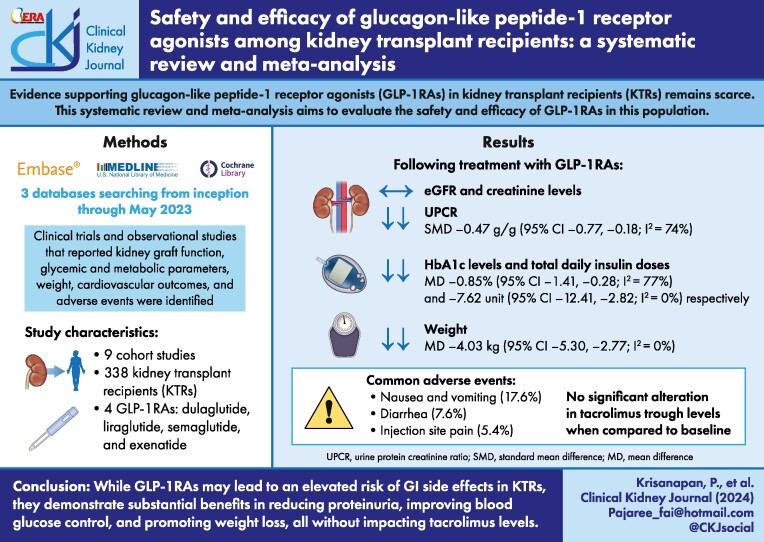
Evidence supporting glucagon-like peptide-1 receptor agonists (GLP-1RAs) in kidney transplant recipients (KTRs) remains scarce. This systematic review and meta-analysis aims to evaluate the safety and efficacy of GLP-1RAs in this population.
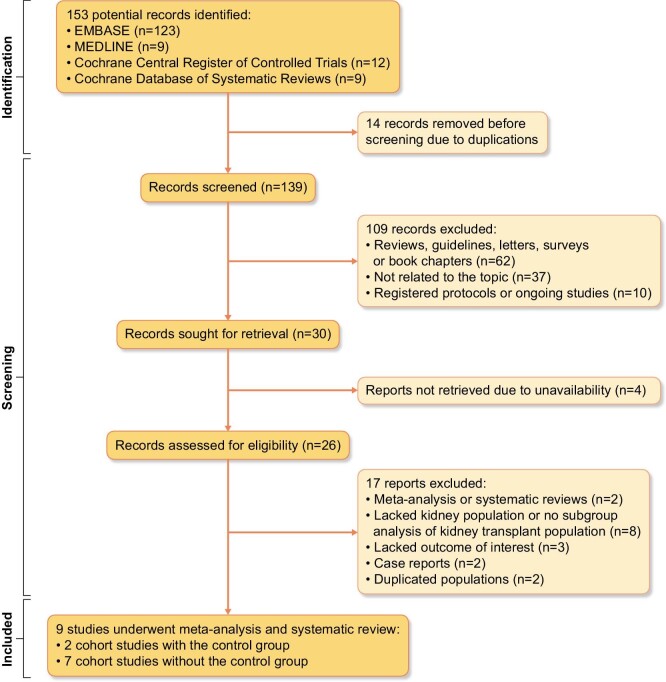
A comprehensive literature search was conducted in the MEDLINE, Embase and Cochrane databases from inception through May 2023. Clinical trials and observational studies that reported on the safety or efficacy outcomes of GLP-1RAs in adult KTRs were included. Kidney graft function, glycaemic and metabolic parameters, weight, cardiovascular outcomes and adverse events were evaluated. Outcome measures used for analysis included pooled odds ratios (ORs) with 95% confidence intervals (CIs) for dichotomous outcomes and standardized mean difference (SMD) or mean difference (MD) with 95% CI for continuous outcomes. The protocol was registered in the International Prospective Register of Systematic Reviews (CRD 42023426190).
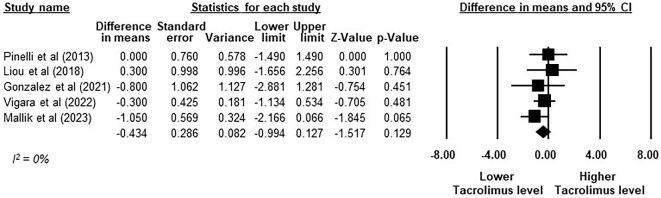
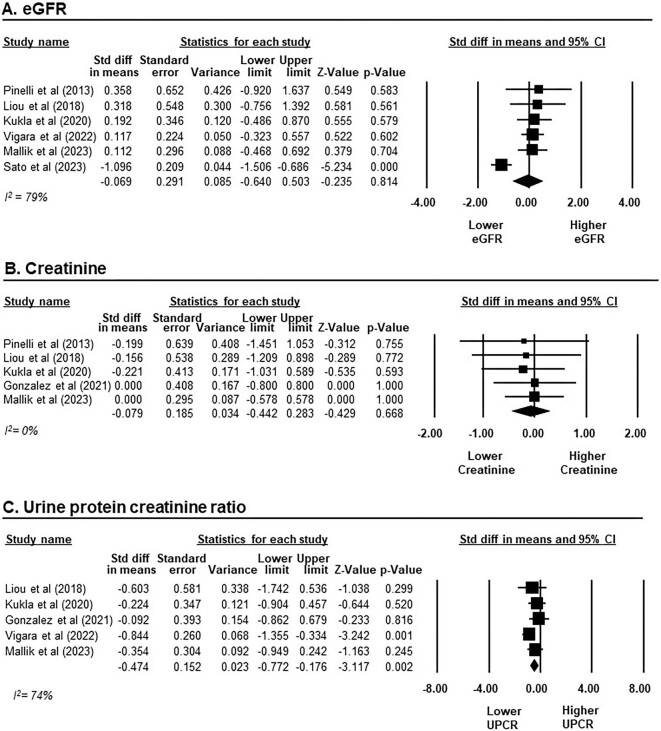
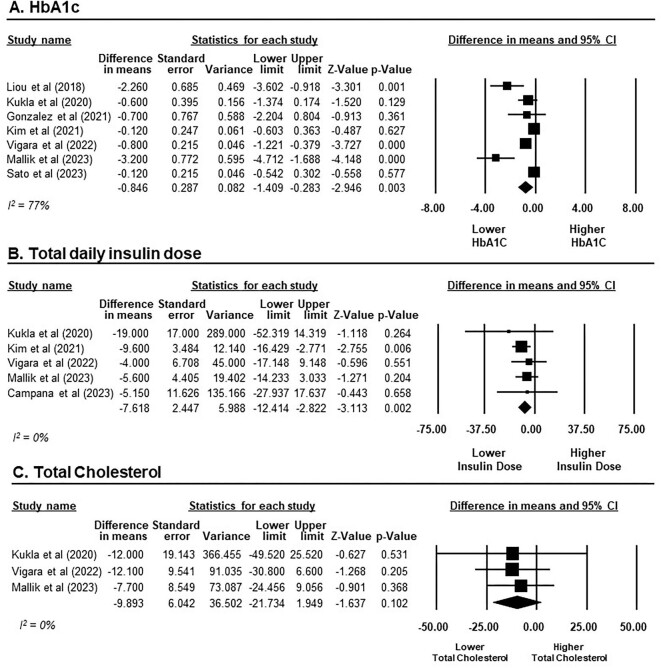
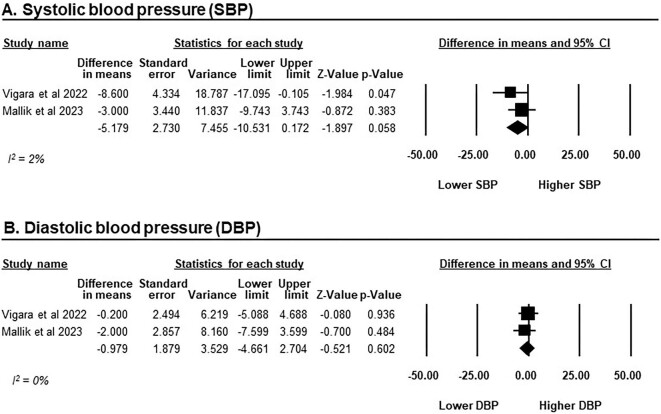
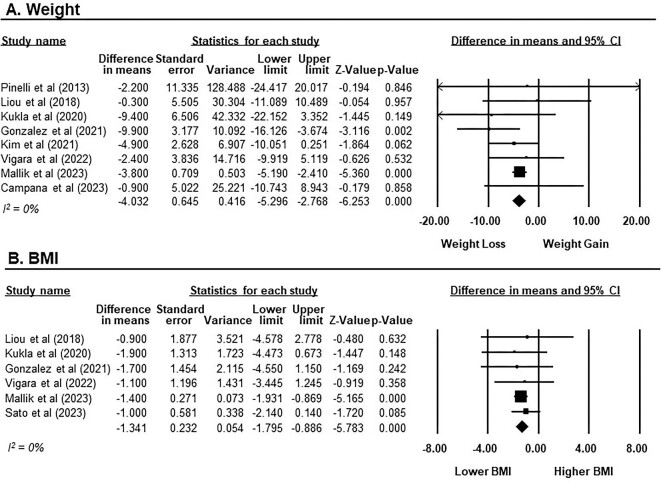
Nine cohort studies with a total of 338 KTRs were included. The median follow-up was 12 months (interquartile range 6-23). While treatment with GLP-1RAs did not yield a significant change in estimated glomerular filtration rate [SMD -0.07 ml/min/1.73 m (95% CI -0.64-0.50)] or creatinine [SMD -0.08 mg/dl (95% CI -0.44-0.28)], they were associated with a significant decrease in urine protein:creatinine ratio [SMD -0.47 (95% CI -0.77 to -0.18)] and haemoglobin A1c levels [MD -0.85% (95% CI -1.41 to -0.28)]. Total daily insulin dose, weight and body mass index also decreased significantly. Tacrolimus levels remained stable [MD -0.43 ng/ml (95% CI -0.99 to 0.13)]. Side effects were primarily nausea and vomiting (17.6%), diarrhoea (7.6%) and injection site pain (5.4%).
GLP-1RAs are effective in reducing proteinuria, improving glycaemic control and supporting weight loss in KTRs, without altering tacrolimus levels. Gastrointestinal symptoms are the main side effects.
支持胰高血糖素样肽-1受体激动剂(GLP-1RAs)用于肾移植受者(KTRs)的证据仍然很少。本系统评价和荟萃分析旨在评估GLP-1RAs在该人群中的安全性和有效性。
从数据库建立至2023年5月,在MEDLINE、Embase和Cochrane数据库中进行了全面的文献检索。纳入了报告GLP-1RAs在成年KTRs中安全性或有效性结果的临床试验和观察性研究。评估了肾移植功能、血糖和代谢参数、体重、心血管结局和不良事件。用于分析的结局指标包括二分结局的合并比值比(ORs)及95%置信区间(CIs),以及连续结局的标准化均差(SMD)或均差(MD)及95%CI。该方案已在国际前瞻性系统评价注册库(CRD 42023426190)中注册。
纳入了9项队列研究,共338例KTRs。中位随访时间为12个月(四分位间距6 - 23个月)。虽然使用GLP-1RAs治疗并未使估计肾小球滤过率[SMD -0.07 ml/min/1.73m²(95%CI -0.64 - 0.50)]或肌酐[SMD -0.08 mg/dl(95%CI -0.44 - 0.28)]发生显著变化,但它们与尿蛋白:肌酐比值[SMD -0.47(95%CI -0.77至-0.18)]和糖化血红蛋白水平[MD -0.85%(95%CI -1.41至-0.28)]的显著降低相关。每日胰岛素总剂量、体重和体重指数也显著下降。他克莫司水平保持稳定[MD -0.43 ng/ml(95%CI -0.99至0.13)]。副作用主要为恶心和呕吐(17.6%)、腹泻(7.6%)和注射部位疼痛(5.4%)。
GLP-1RAs在降低KTRs蛋白尿、改善血糖控制和支持体重减轻方面有效且不改变他克莫司水平。胃肠道症状是主要副作用。