Monge Nicolas, Deschamps Alexis, Amini Massih Reza
Xenocs, Grenoble, France.
SIMaP, University of Grenoble Alpes, CNRS, Grenoble INP, Grenoble, France.
Acta Crystallogr A Found Adv. 2024 Mar 1;80(Pt 2):202-212. doi: 10.1107/S2053273324000950. Epub 2024 Feb 29.
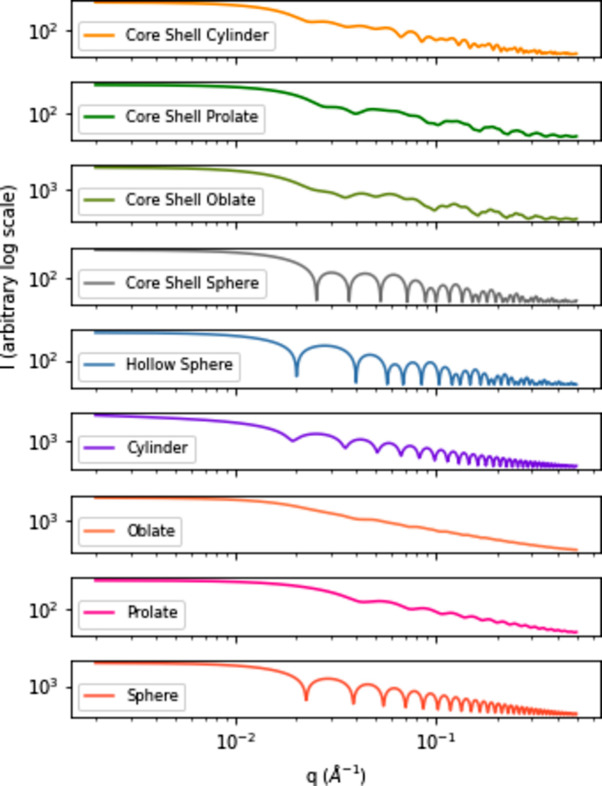
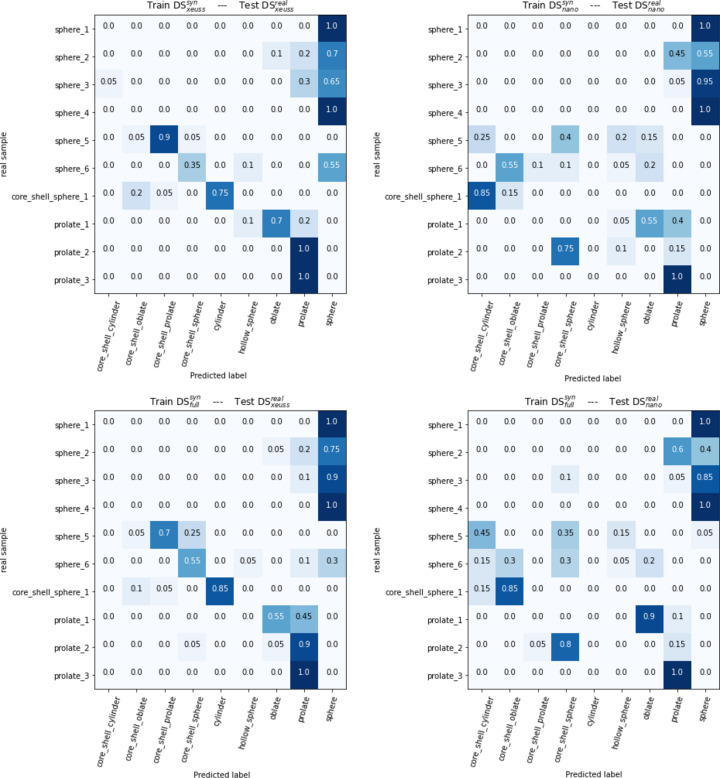
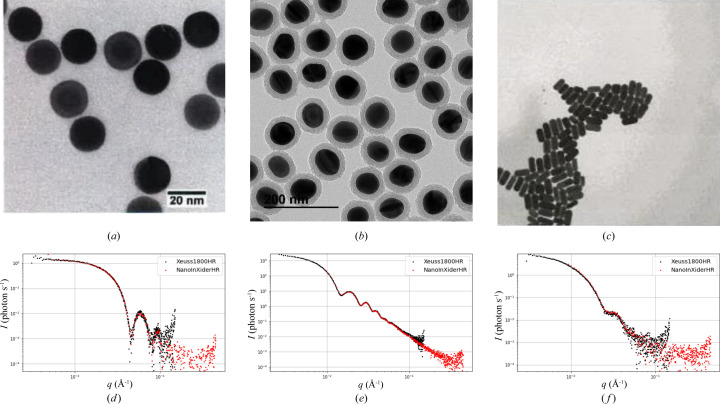
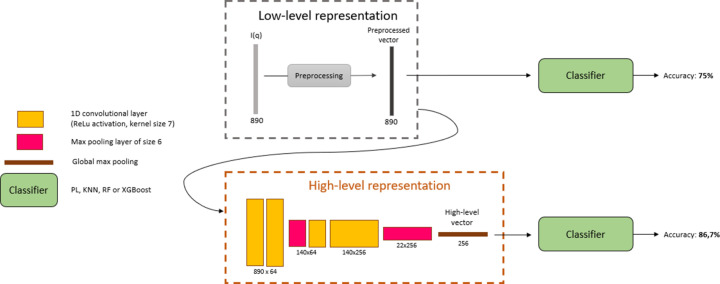
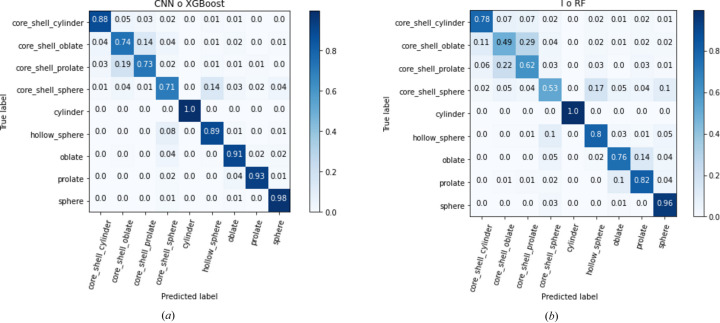
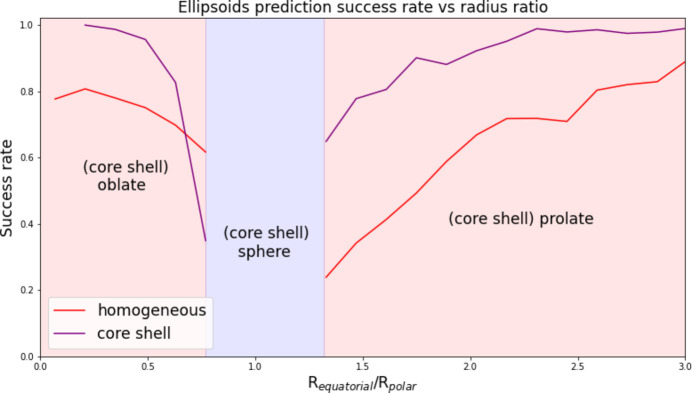
Small-angle X-ray scattering (SAXS) is widely used to analyze the shape and size of nanoparticles in solution. A multitude of models, describing the SAXS intensity resulting from nanoparticles of various shapes, have been developed by the scientific community and are used for data analysis. Choosing the optimal model is a crucial step in data analysis, which can be difficult and time-consuming, especially for non-expert users. An algorithm is proposed, based on machine learning, representation learning and SAXS-specific preprocessing methods, which instantly selects the nanoparticle model best suited to describe SAXS data. The different algorithms compared are trained and evaluated on a simulated database. This database includes 75 000 scattering spectra from nine nanoparticle models, and realistically simulates two distinct device configurations. It will be made freely available to serve as a basis of comparison for future work. Deploying a universal solution for automatic nanoparticle model selection is a challenge made more difficult by the diversity of SAXS instruments and their flexible settings. The poor transferability of classification rules learned on one device configuration to another is highlighted. It is shown that training on several device configurations enables the algorithm to be generalized, without degrading performance compared with configuration-specific training. Finally, the classification algorithm is evaluated on a real data set obtained by performing SAXS experiments on nanoparticles for each of the instrumental configurations, which have been characterized by transmission electron microscopy. This data set, although very limited, allows estimation of the transferability of the classification rules learned on simulated data to real data.
小角X射线散射(SAXS)被广泛用于分析溶液中纳米颗粒的形状和大小。科学界已经开发了众多描述各种形状纳米颗粒产生的SAXS强度的模型,并用于数据分析。选择最佳模型是数据分析中的关键步骤,这可能既困难又耗时,尤其是对于非专业用户而言。本文提出了一种基于机器学习、表征学习和特定于SAXS的预处理方法的算法,该算法可立即选择最适合描述SAXS数据的纳米颗粒模型。所比较的不同算法在一个模拟数据库上进行训练和评估。该数据库包含来自九个纳米颗粒模型的75000个散射光谱,并逼真地模拟了两种不同的设备配置。它将免费提供,作为未来工作的比较基础。由于SAXS仪器的多样性及其灵活的设置,部署用于自动选择纳米颗粒模型的通用解决方案是一项更具挑战性的任务。本文强调了在一种设备配置上学习的分类规则对另一种配置的可转移性较差。结果表明,在几种设备配置上进行训练能够使算法得到推广,与特定于配置的训练相比,性能不会下降。最后,在通过对每种仪器配置的纳米颗粒进行SAXS实验获得的真实数据集上对分类算法进行评估,这些纳米颗粒已通过透射电子显微镜进行了表征。该数据集虽然非常有限,但可以估计在模拟数据上学习的分类规则对真实数据的可转移性。