Yuan Shisong, Du Bin, Shen Mingxuan
College of Civil Engineering, Guizhou University, Huaxi District, Guiyang, 50025, Guizhou, China.
Sci Rep. 2024 Mar 3;14(1):5214. doi: 10.1038/s41598-024-53959-4.
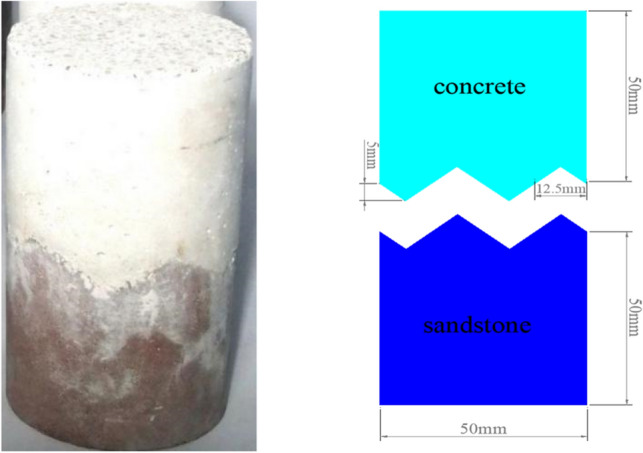
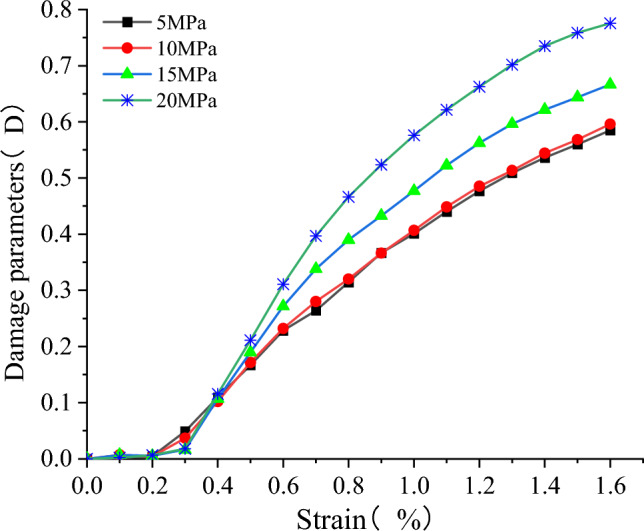
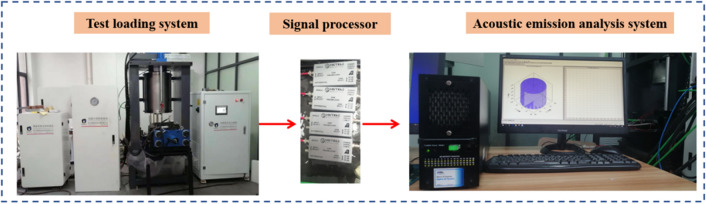
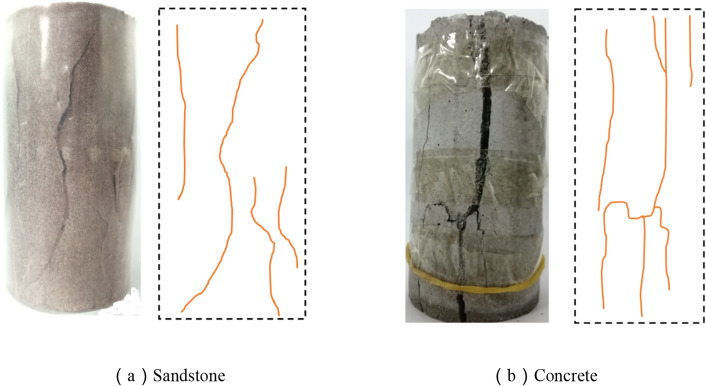
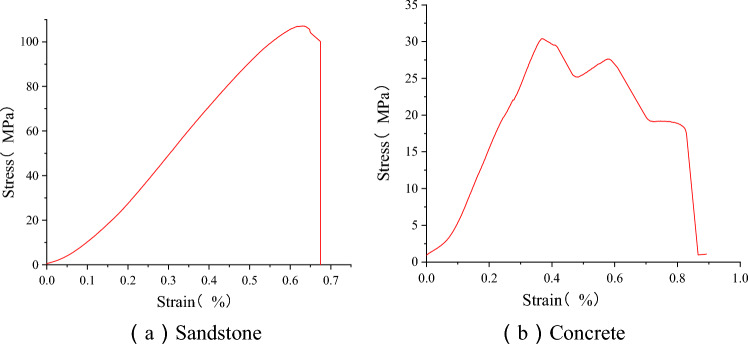
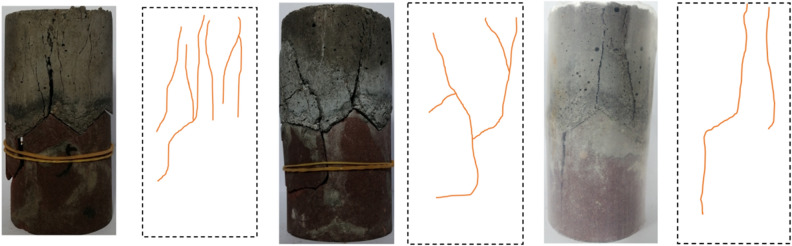
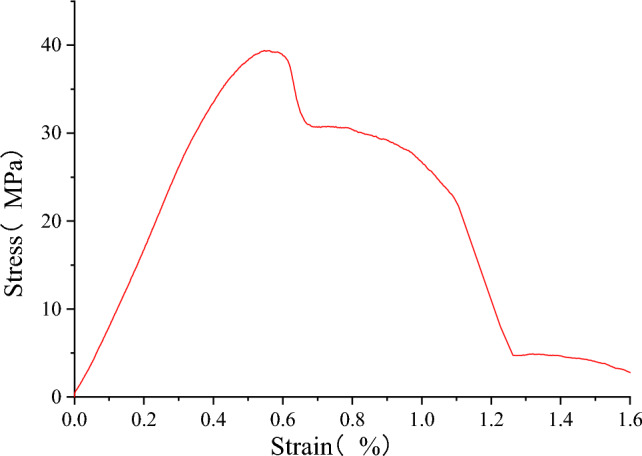
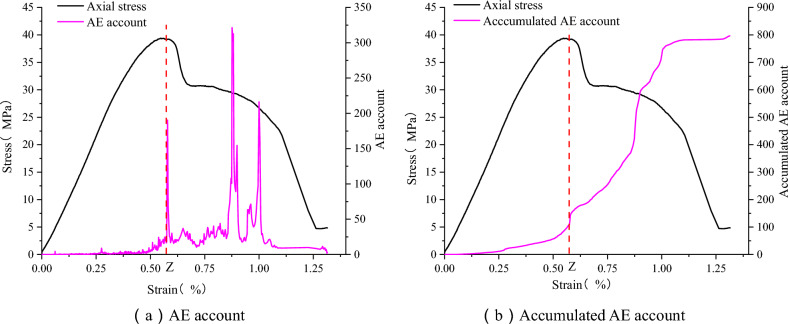
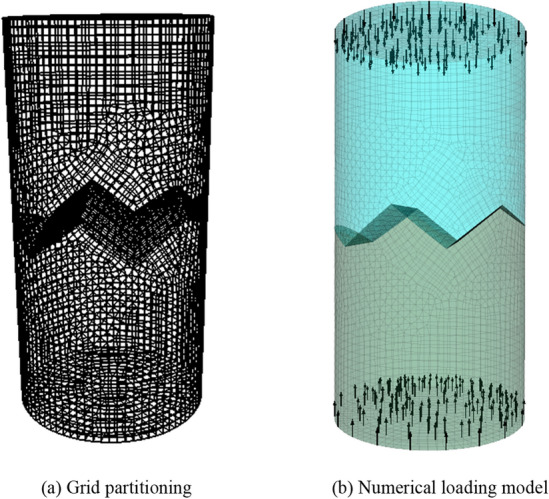
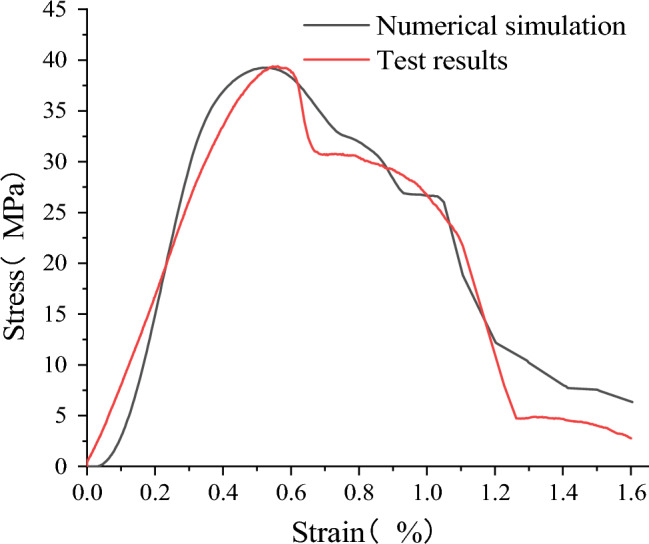
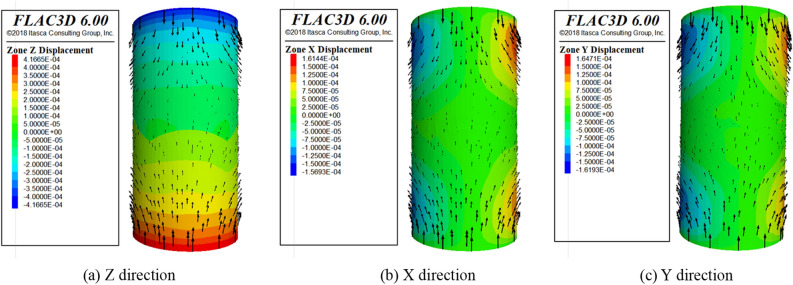
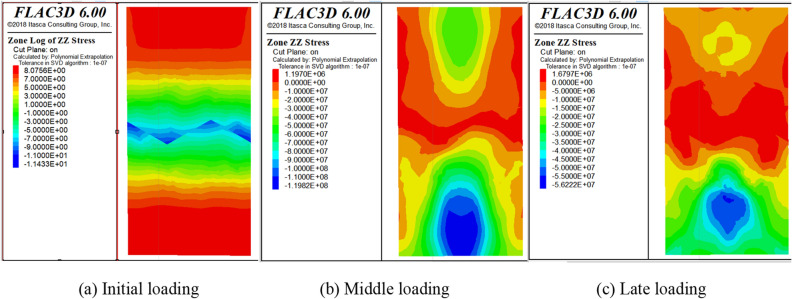
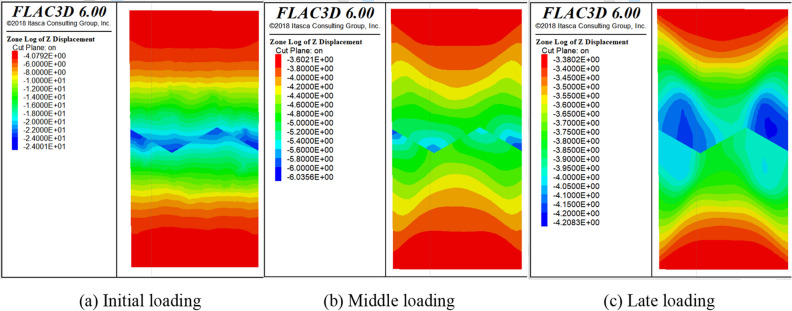
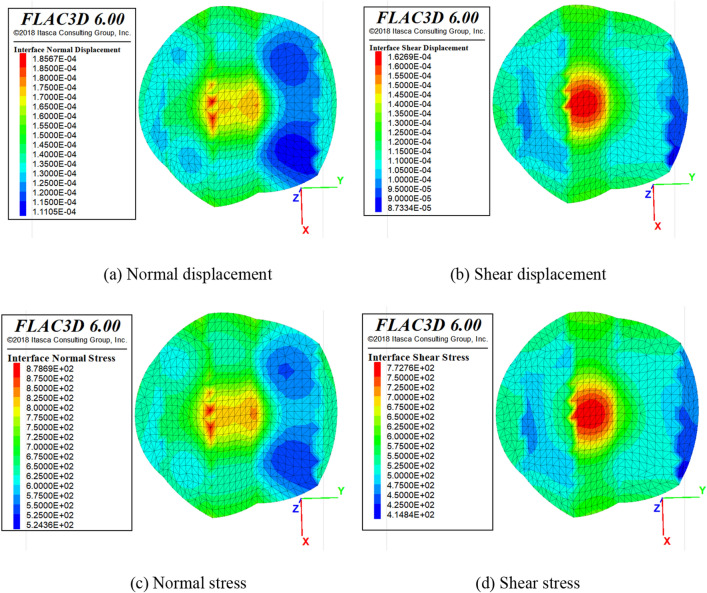
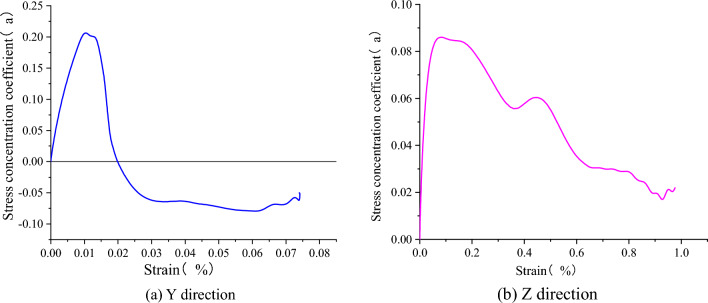
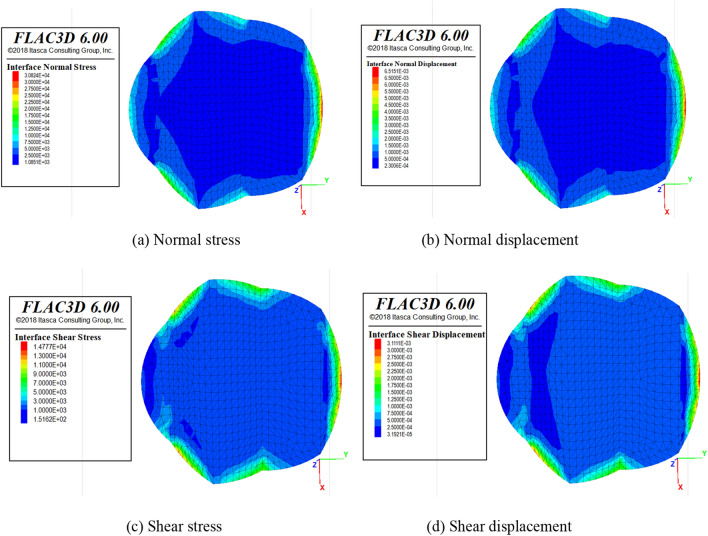
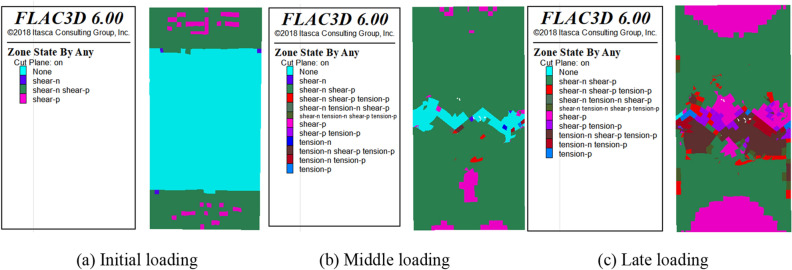
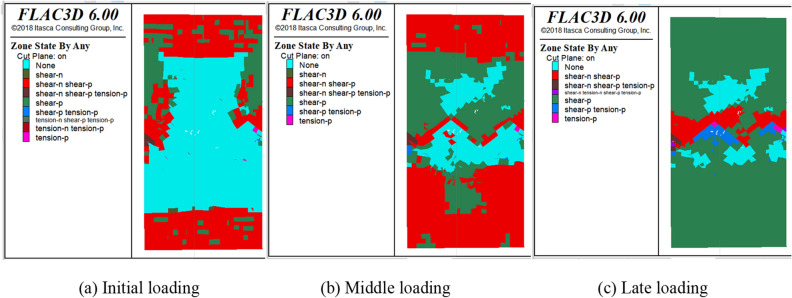
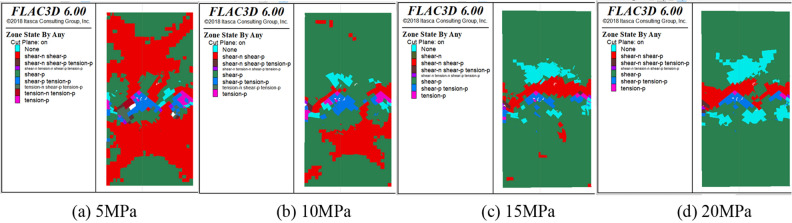
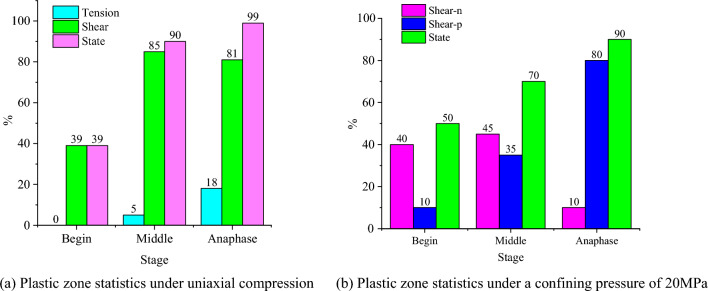
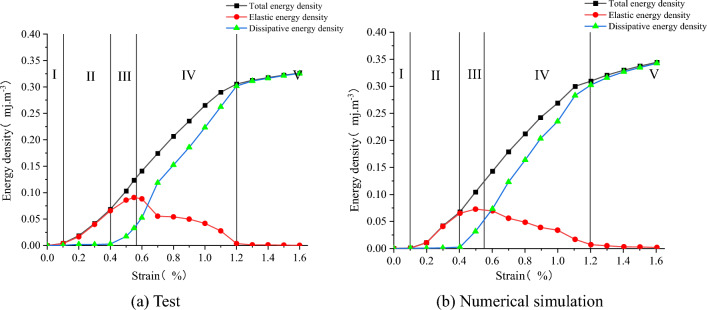
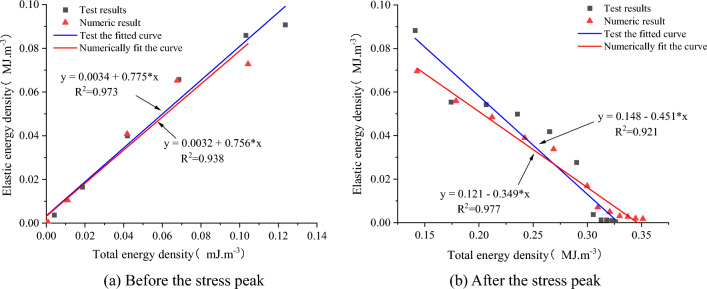
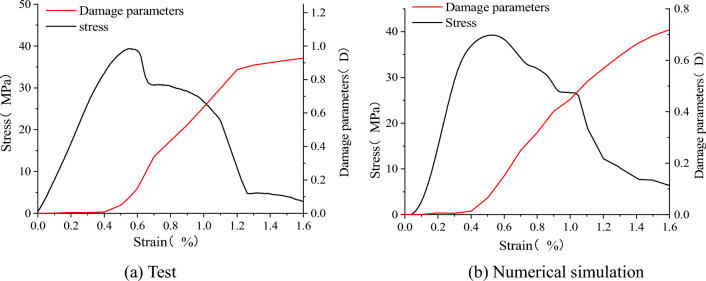
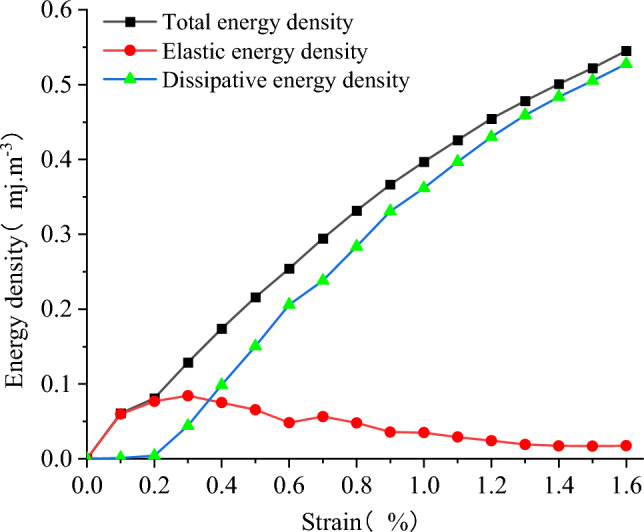
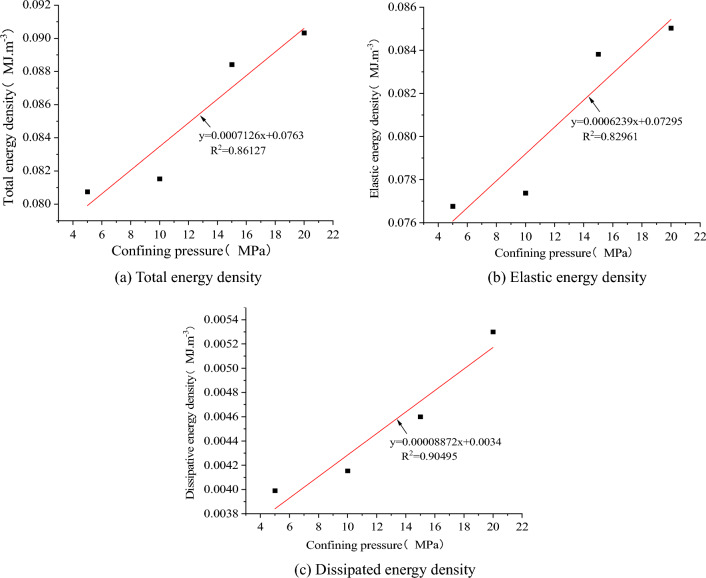
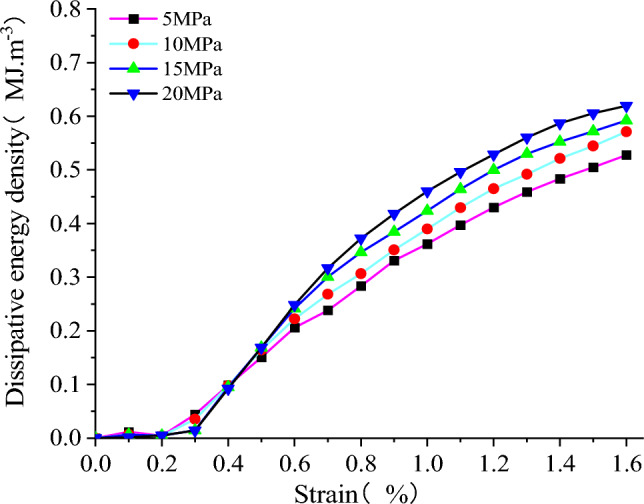
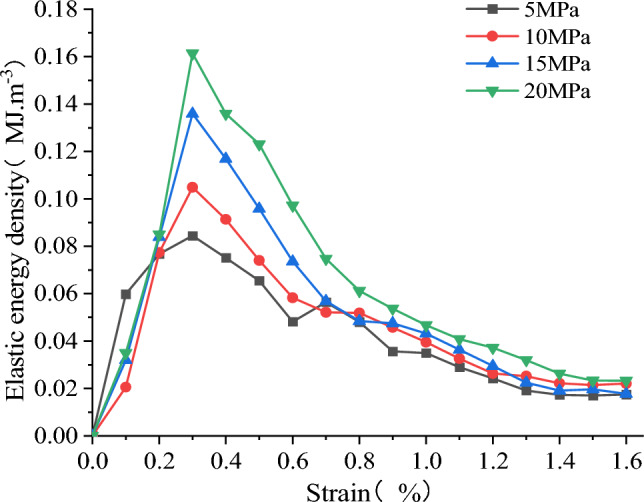
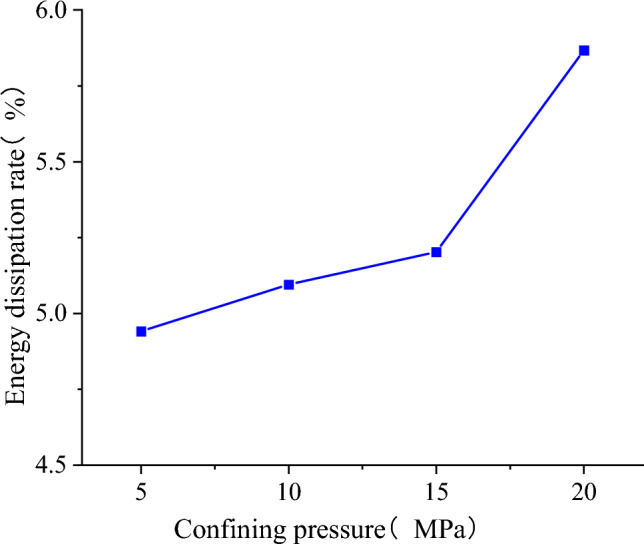
Studying the mechanical properties of rock-concrete combined body is crucial to ensure the safety and stability of engineering structures. In this paper, laboratory tests and numerical simulations are used to investigate the mechanical properties of the sandstone-concrete combined body. Uniaxial compression tests and an acoustic emission monitoring system are used to analyze the failure characteristics of the sandstone-concrete sample and to validate the accuracy of the numerical model. The mechanical properties of the composite body were further analyzed by integrating energy and damage theories. The results of the sandstone-concrete study suggest that the combined sandstone-concrete body exhibits synergistic deformation and failure when subjected to uniaxial compression. The peak stress and elastic modulus fall between those of sandstone and concrete. The interface's shape causes the stress in the y-direction to transition from tensile stress to compressive stress. Energy is stored before reaching the peak stress and released after reaching the peak stress. The damage curve indicates that the damage increases gradually with the strain, and it results in plastic failure. In the numerical simulation of triaxial compression, the stress and displacement at the interface are evenly distributed. Compared to uniaxial compression, the energy of each component is higher and shows a linear positive correlation with confining pressure. Additionally, the rate of energy dissipation increases with higher confining pressure. The damage variable also increases with the increase in confining pressure, and the plastic failure process is also apparent under triaxial compression.
研究岩石 - 混凝土组合体的力学性能对于确保工程结构的安全与稳定至关重要。本文采用室内试验和数值模拟方法来研究砂岩 - 混凝土组合体的力学性能。通过单轴压缩试验和声发射监测系统来分析砂岩 - 混凝土试件的破坏特征,并验证数值模型的准确性。结合能量和损伤理论进一步分析了组合体的力学性能。砂岩 - 混凝土的研究结果表明,砂岩 - 混凝土组合体在单轴压缩时呈现协同变形和破坏。峰值应力和弹性模量介于砂岩和混凝土之间。界面形状导致y方向应力从拉应力转变为压应力。能量在达到峰值应力之前储存,在达到峰值应力之后释放。损伤曲线表明损伤随应变逐渐增加,并导致塑性破坏。在三轴压缩数值模拟中,界面处的应力和位移分布均匀。与单轴压缩相比,各组分的能量更高,且与围压呈线性正相关。此外,能量耗散率随围压升高而增加。损伤变量也随围压增加而增大,在三轴压缩下塑性破坏过程也很明显。