Center for Genetic Epidemiology and Genomics, School of Public Health, Medical College of Soochow University, Suzhou, Jiangsu, People's Republic of China.
Jiangsu Key Laboratory of Preventive and Translational Medicine for Geriatric Diseases, Soochow University, Suzhou, Jiangsu, People's Republic of China.
BMC Geriatr. 2024 Mar 4;24(1):222. doi: 10.1186/s12877-024-04836-2.
This study aimed to investigate the association of high-sensitivity C-reactive protein (hs-CRP) with incident frailty as well as its effects on pre-frailty progression and regression among middle-aged and older adults.
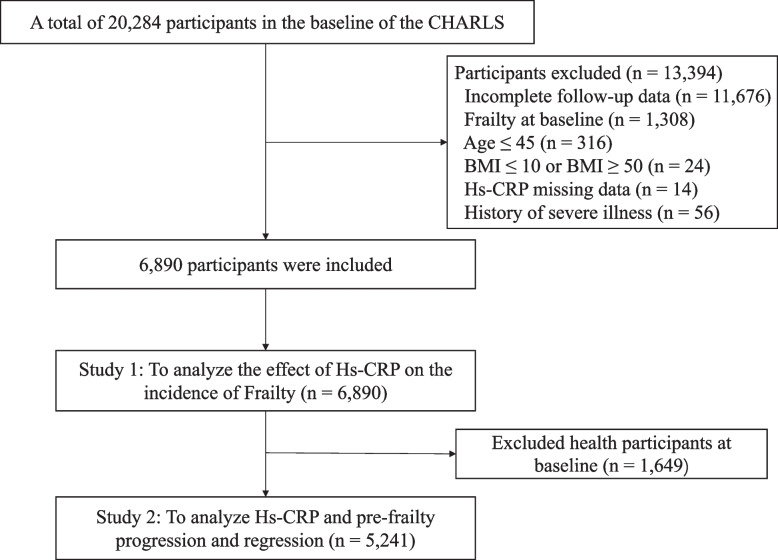
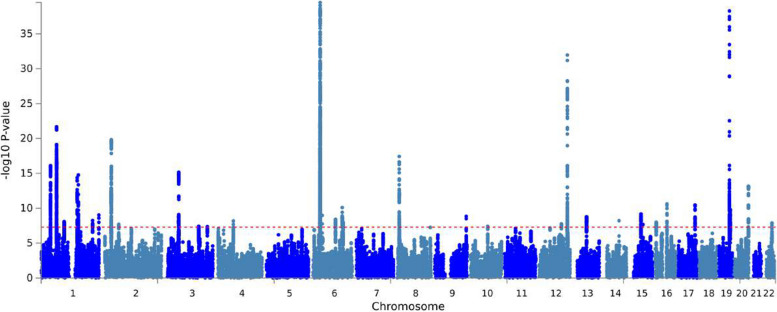
Based on the frailty index (FI) calculated with 41 items, 6890 eligible participants without frailty at baseline from China Health and Retirement Longitudinal Study (CHARLS) were categorized into health, pre-frailty, and frailty groups. Logistic regression models were used to estimate the longitudinal association between baseline hs-CRP and incident frailty. Furthermore, a series of genetic approaches were conducted to confirm the causal relationship between CRP and frailty, including Linkage disequilibrium score regression (LDSC), pleiotropic analysis, and Mendelian randomization (MR). Finally, we evaluated the association of hs-CRP with pre-frailty progression and regression.
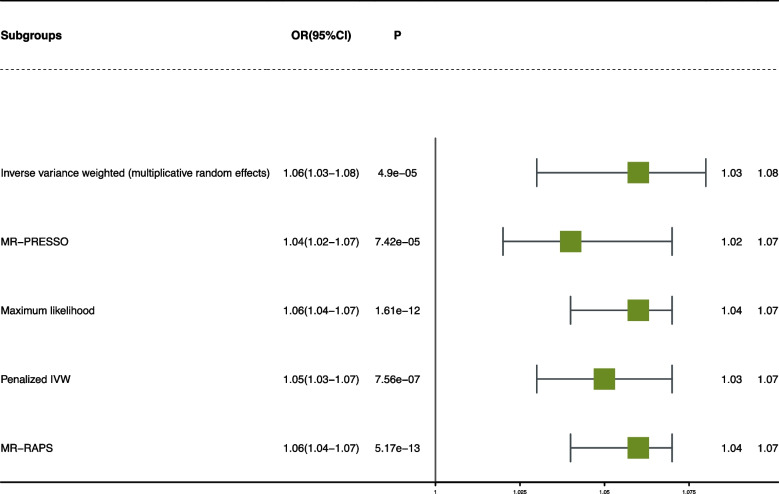
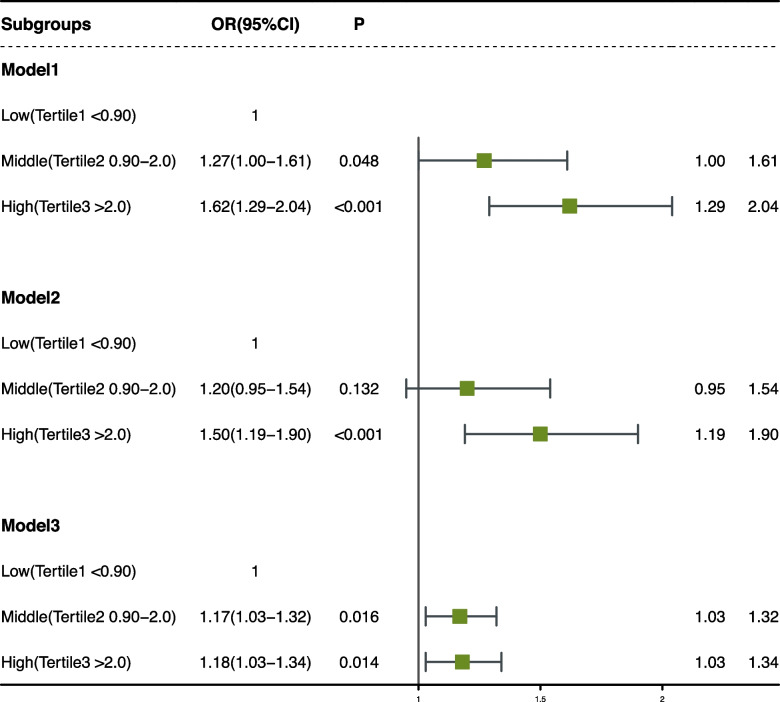
The risk of developing frailty was 1.18 times (95% CI: 1.03-1.34) higher in participants with high levels of hs-CRP at baseline than low levels of hs-CRP participants during the 3-year follow-up. MR analysis suggested that genetically determined hs-CRP was potentially positively associated with the risk of frailty (OR: 1.06, 95% CI: 1.03-1.08). Among 5241 participants with pre-frailty at baseline, we found pre-frailty participants with high levels of hs-CRP exhibit increased odds of progression to frailty (OR: 1.39, 95% CI: 1.09-1.79) and decreased odds of regression to health (OR: 0.84, 95% CI: 0.72-0.98) when compared with participants with low levels of hs-CRP.
Our results suggest that reducing systemic inflammation is significant for developing strategies for frailty prevention and pre-frailty reversion in the middle-aged and elderly population.
本研究旨在探讨高敏 C 反应蛋白(hs-CRP)与中年人及老年人发生虚弱的相关性,以及其对虚弱前向进展和后向回归的影响。
基于 41 项指标计算的衰弱指数(FI),本研究共纳入了 6890 名基线时无衰弱的中国健康与养老追踪调查(CHARLS)参与者,并将其分为健康组、虚弱前期组和衰弱组。使用逻辑回归模型估计基线 hs-CRP 与虚弱发生的纵向关联。此外,还采用一系列遗传方法,包括连锁不平衡得分回归(LDSC)、多效性分析和孟德尔随机化(MR),来确认 CRP 与衰弱之间的因果关系。最后,我们评估了 hs-CRP 与虚弱前期进展和回归的相关性。
在 3 年的随访中,基线 hs-CRP 水平较高的参与者发生衰弱的风险比基线 hs-CRP 水平较低的参与者高 1.18 倍(95%CI:1.03-1.34)。MR 分析表明,遗传决定的 hs-CRP 与衰弱的风险呈正相关(OR:1.06,95%CI:1.03-1.08)。在基线时患有虚弱前期的 5241 名参与者中,我们发现基线 hs-CRP 水平较高的虚弱前期患者向衰弱进展的可能性增加(OR:1.39,95%CI:1.09-1.79),向健康状态回归的可能性降低(OR:0.84,95%CI:0.72-0.98)。
我们的研究结果表明,降低系统性炎症对于制定针对中年和老年人群的虚弱预防和虚弱前向回归策略具有重要意义。