China Wushu School, Beijing Sport University, Beijing, 100084, China.
Wushu and Dance School, Shenyang Sports University, Shenyang, 110102, China.
Sci Rep. 2024 Mar 6;14(1):5550. doi: 10.1038/s41598-024-56330-9.
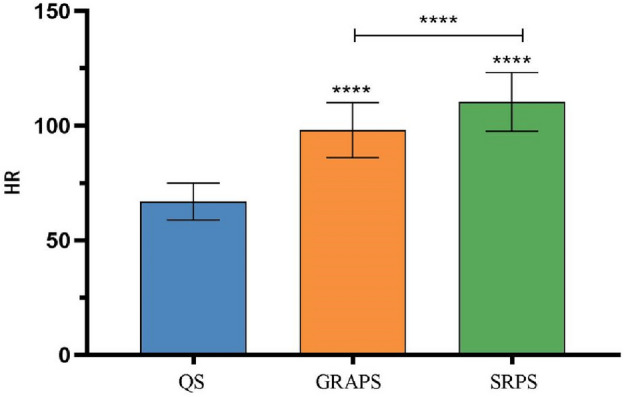
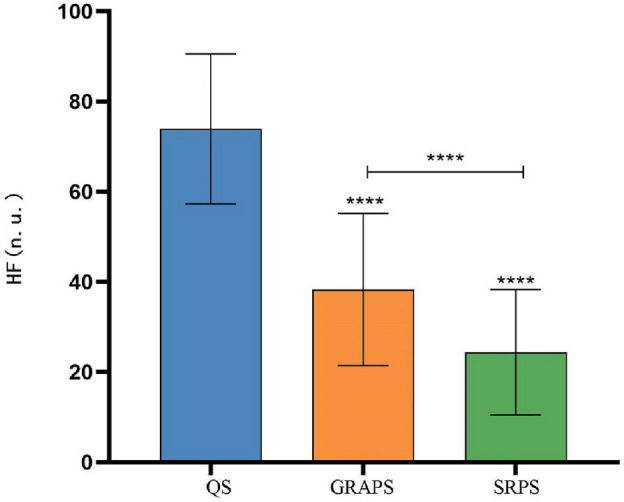
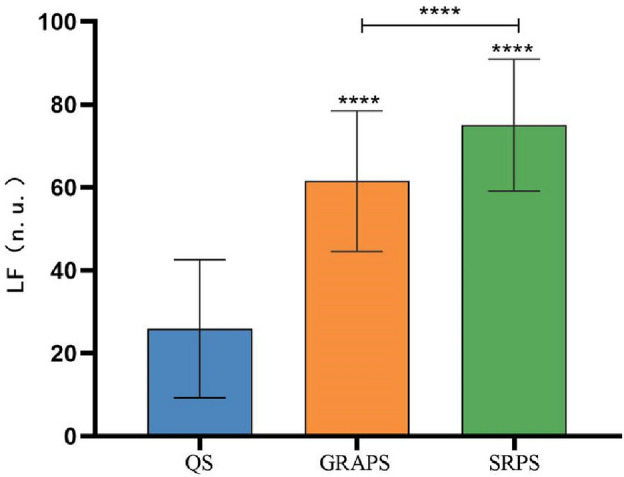
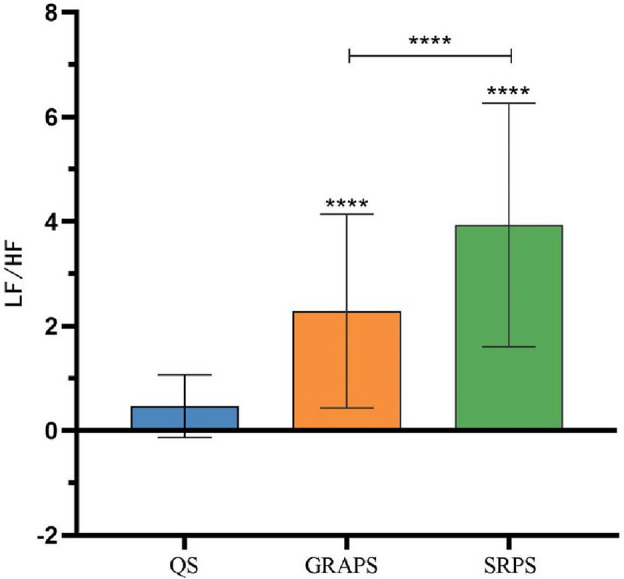
Tai Chi serves as an effective exercise modality for enhancing autonomic regulation. However, a majority of existing studies have employed the single routine (SR) protocol as the basis for health interventions. The extent to which the gong routine application (GRA) protocol achieves similar levels of exercise load stimulation as traditional single practice routines remains uncertain. Therefore, this study the distinct characteristics of autonomic load stimulation in these different protocols, thus providing a biological foundation to support the development of Tai Chi health promotion intervention programs. we recruited a cohort of forty-five university students to participate in the 15 min GRA protocol and SR protocol. We collected heart rate and heart rate variability indicators during periods of rest, GRA protocol, and SR protocol utilizing the Polar Scale. Additionally, we assessed the mental state of the participants using the BFS State of Mind Scale. In summary, the autonomic load is lower in the GRA protocol compared to the SR protocol, with lower sympathetic activity but higher parasympathetic activity in the former. Results are specific to college students, additional research is necessary to extend support for frail older adults. It is advised to incorporate GRA protocol alongside SR protocol in Tai Chi instruction. This approach is likely to enhance Tai Chi skills and yield greater health benefits.
太极拳作为一种增强自主调节能力的有效运动方式。然而,大多数现有研究都是以单一常规(SR)方案作为健康干预的基础。功法常规应用(GRA)方案在多大程度上能达到与传统单一练习常规相同的运动负荷刺激程度尚不确定。因此,本研究旨在探讨这些不同方案中自主负荷刺激的不同特征,从而为支持太极拳健康促进干预计划的发展提供生物学基础。我们招募了 45 名大学生参与 15 分钟的 GRA 方案和 SR 方案。我们使用 Polar Scale 在休息、GRA 方案和 SR 方案期间收集心率和心率变异性指标。此外,我们还使用 BFS 思维状态量表评估了参与者的精神状态。总之,与 SR 方案相比,GRA 方案的自主负荷较低,前者的交感神经活动较低,副交感神经活动较高。结果特定于大学生,需要进一步的研究来支持体弱的老年人。建议在太极拳教学中同时采用 GRA 方案和 SR 方案。这种方法可能会提高太极拳技能并带来更大的健康益处。