Li Pei, Xiong Peiyu, Li Xinyun, Zhang Xiaobo, Chen Xu, Zhang Wei, Jia Bo, Lai Yu
School of Basic Medicine, Chengdu University of Traditional Chinese Medicine, Chengdu, 611137, China.
Sichuan College of Traditional Chinese Medicine, Mianyang, 621000, China.
Heliyon. 2024 Feb 28;10(5):e26851. doi: 10.1016/j.heliyon.2024.e26851. eCollection 2024 Mar 15.
It has recently been determined that N6-methyladenosine (mA) RNA methylation regulators have prominent effects on several cancers. However, the potential role of mA modification in lung squamous cell carcinoma (LUSC) remains unclear.
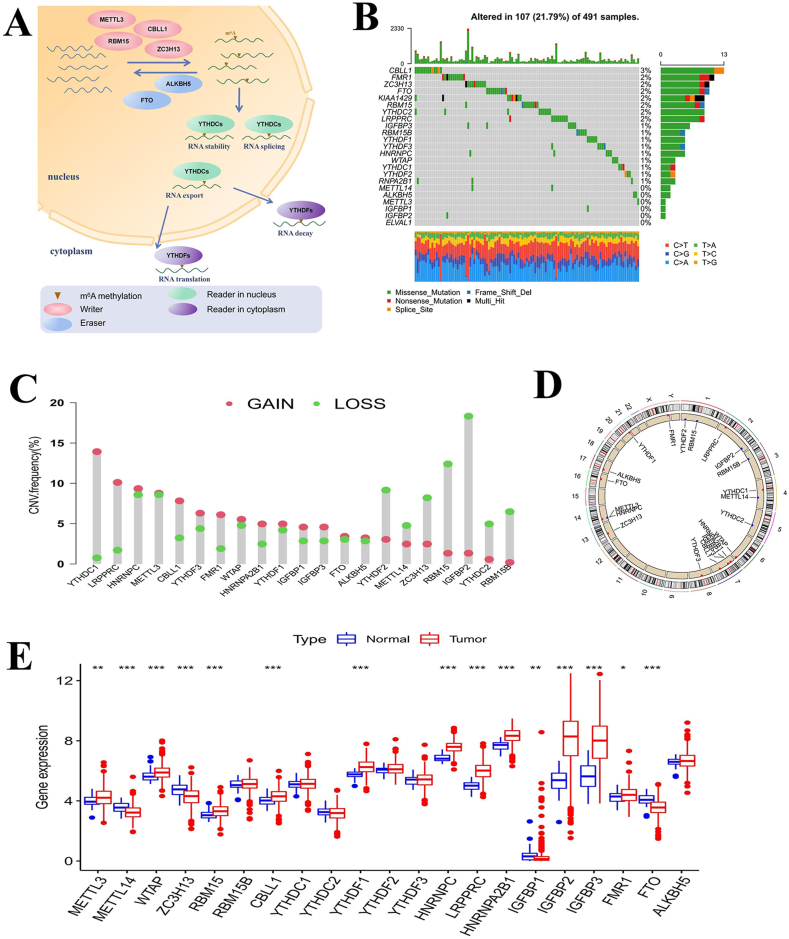
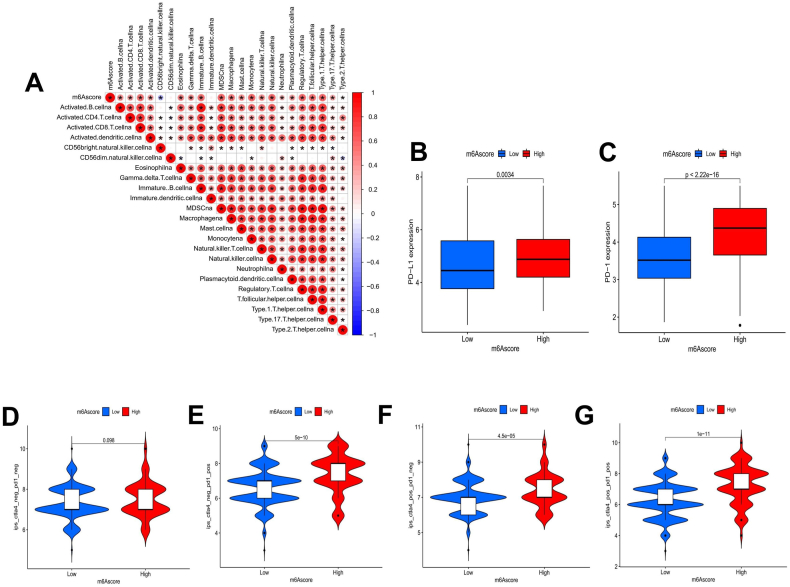
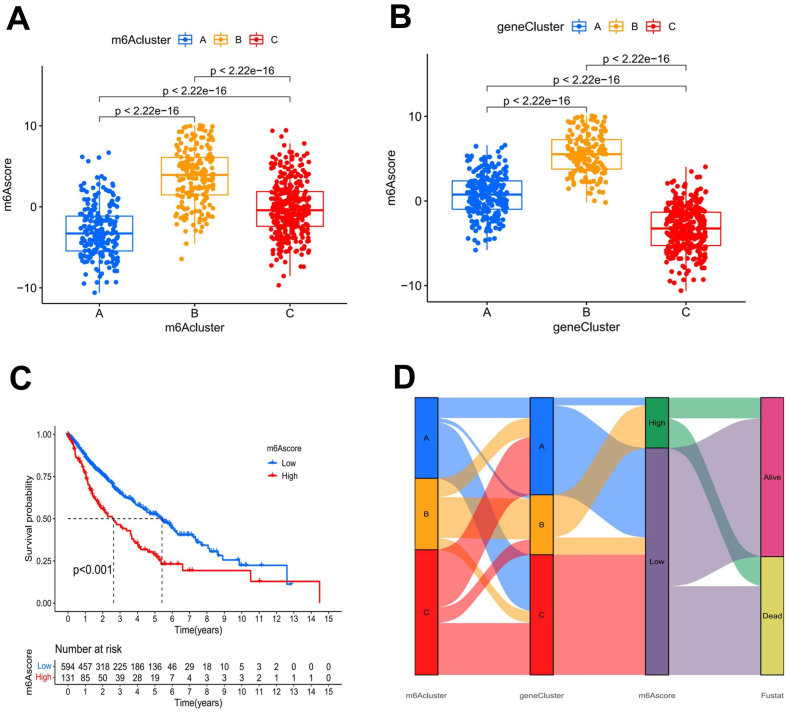
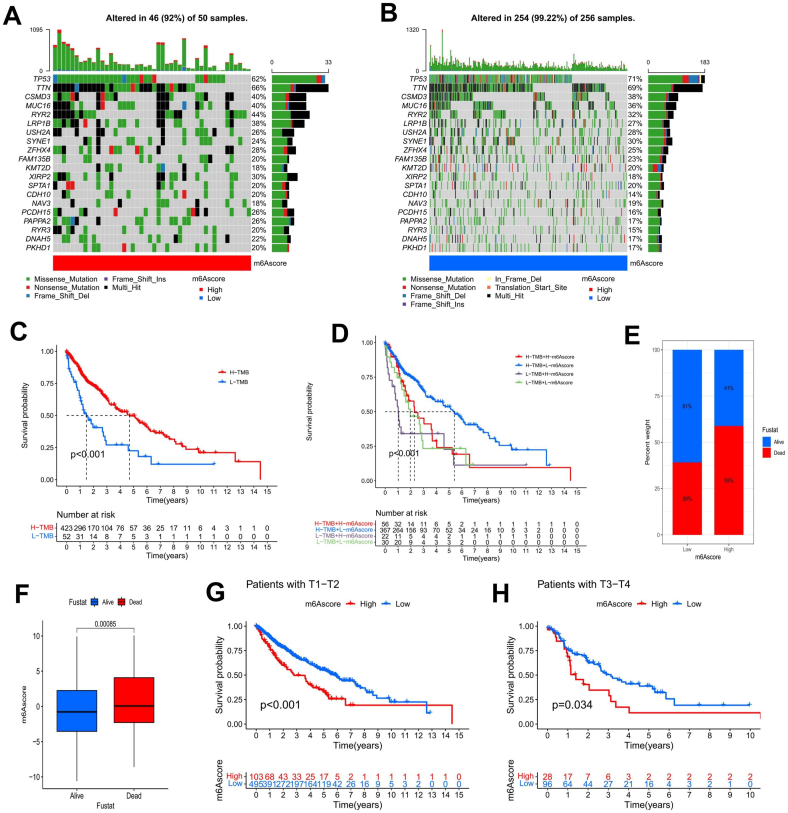
We evaluated the modification pattern of mA and studied the biological function of mA regulators in LUSC. Then, we constructed the m6Ascore to predict the prognosis of LUSC and analyzed the relationship between the m6Ascore and tumor mutation burden, immune cell infiltration, and immunotherapy.
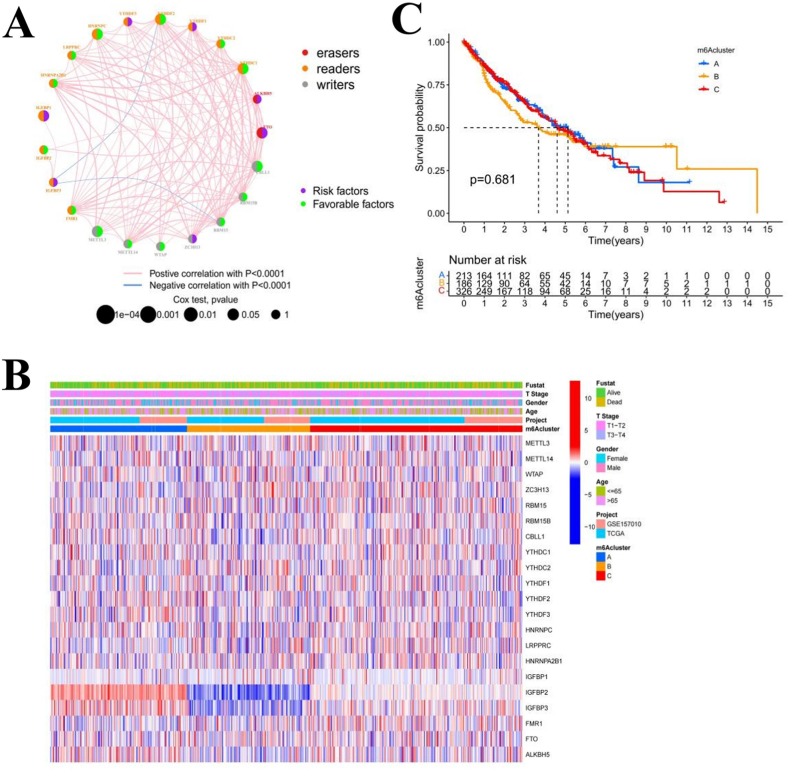
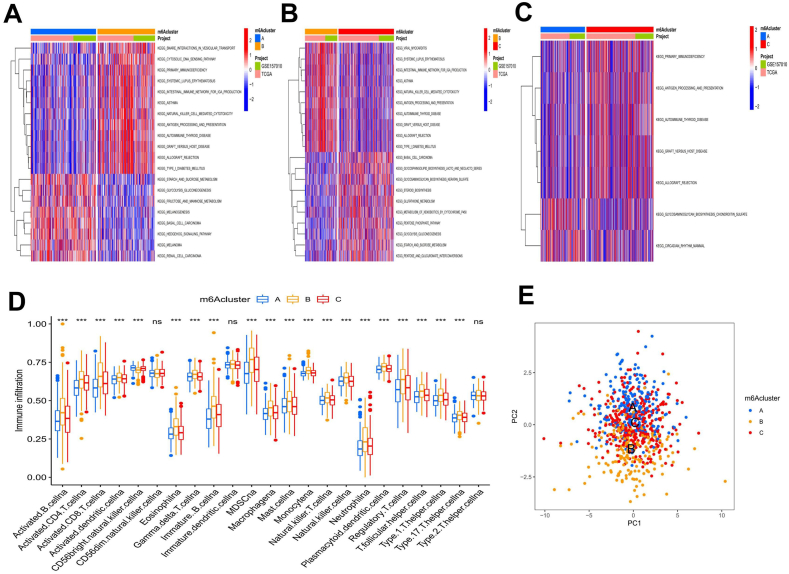
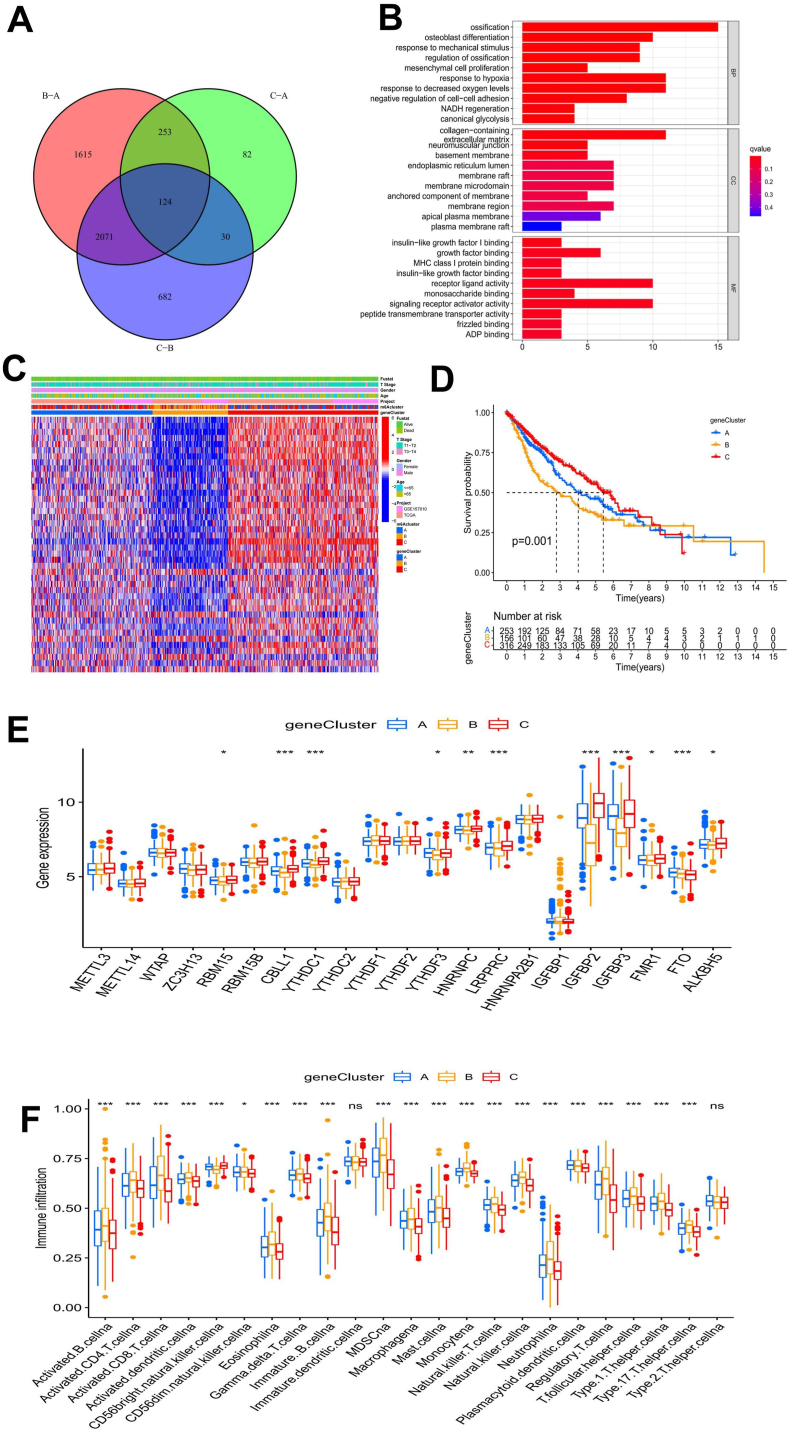
In the unsupervised consensus cluster analysis, three different m6Aclusters were identified, which correspond to an immune activation state, a moderate immune activation state, and an immune tolerance state. Forty-two genes related to the mA phenotype were used to construct the m6Ascore; subsequently, multiple validations of the m6Ascore were carried out to determine the relationship between the score and immune cell infiltration and response to CTLA-4/PD-1 inhibitor treatment. Further analysis revealed that the m6Ascore could effectively predict the prognosis of LUSC and that the mA phenotype-related genes, and , might be potential biomarkers.
These findings highlight the potential role of mA modification in the prognosis, TME, and immunotherapy of LUSC and have profound implications for developing more effective personalized treatment strategies for LUSC.
最近已确定N6-甲基腺苷(mA)RNA甲基化调节剂对多种癌症有显著影响。然而,mA修饰在肺鳞状细胞癌(LUSC)中的潜在作用仍不清楚。
我们评估了mA的修饰模式,并研究了mA调节剂在LUSC中的生物学功能。然后,我们构建了m6A评分来预测LUSC的预后,并分析了m6A评分与肿瘤突变负荷、免疫细胞浸润和免疫治疗之间的关系。
在无监督一致性聚类分析中,识别出三种不同的m6A簇,分别对应免疫激活状态、中度免疫激活状态和免疫耐受状态。使用42个与mA表型相关的基因构建m6A评分;随后,对m6A评分进行了多次验证,以确定该评分与免疫细胞浸润以及对CTLA-4/PD-1抑制剂治疗反应之间的关系。进一步分析表明,m6A评分可以有效预测LUSC的预后,并且与mA表型相关的基因 和 可能是潜在的生物标志物。
这些发现突出了mA修饰在LUSC的预后、肿瘤微环境和免疫治疗中的潜在作用,对开发更有效的LUSC个性化治疗策略具有深远意义。