Yi Fei, Cohen Tal, Zimmerman Natalie, Dündar Friederike, Zumbo Paul, Eltilib Razan, Brophy Erica J, Arkin Hannah, Feucht Judith, Gormally Michael V, Hackett Christopher S, Kropp Korbinian N, Etxeberria Inaki, Chandran Smita S, Park Jae H, Hsu Katharine C, Sadelain Michel, Betel Doron, Klebanoff Christopher A
Human Oncology and Pathogenesis Program (HOPP), Memorial Sloan Kettering Cancer Center (MSKCC), New York, NY, USA.
Department of Pediatric Hematology/Oncology, Weill Cornell Medical College, New York, NY, USA.
bioRxiv. 2024 Mar 1:2024.02.26.582108. doi: 10.1101/2024.02.26.582108.
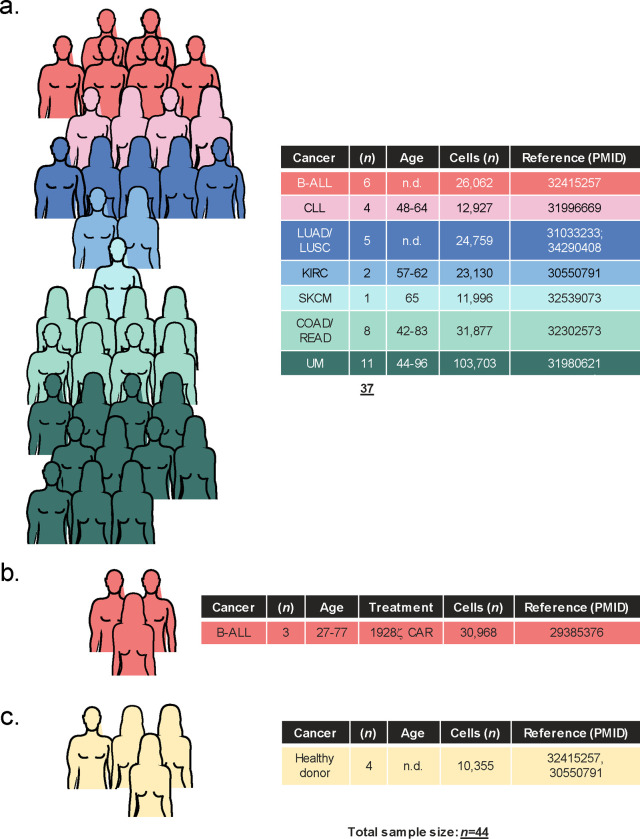
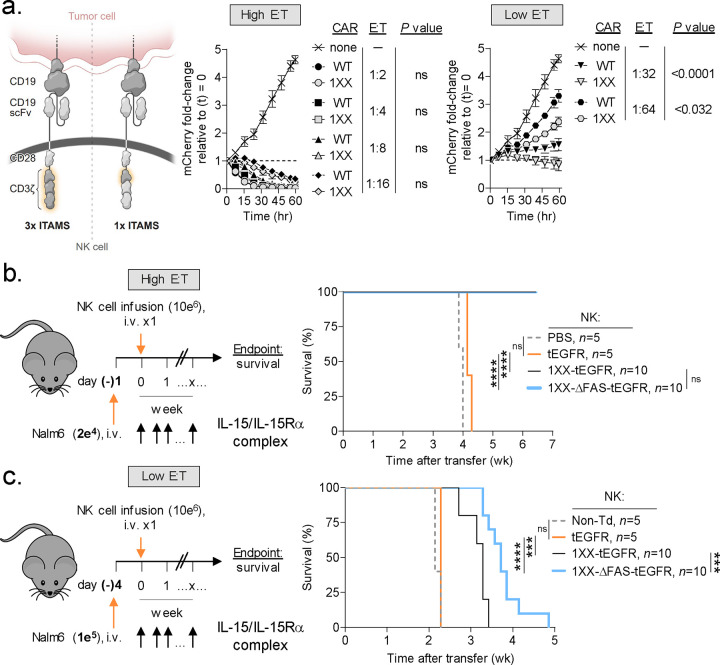
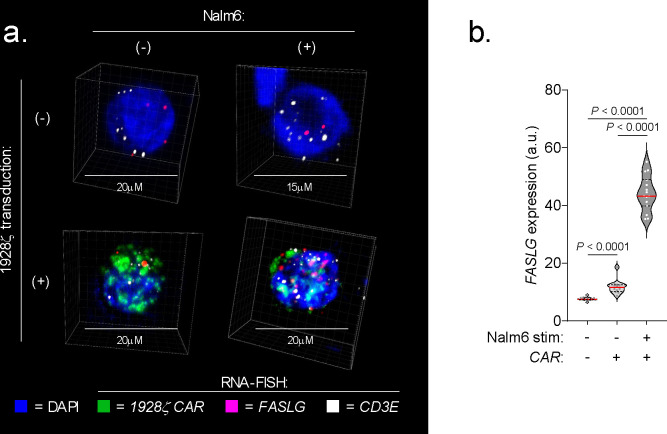
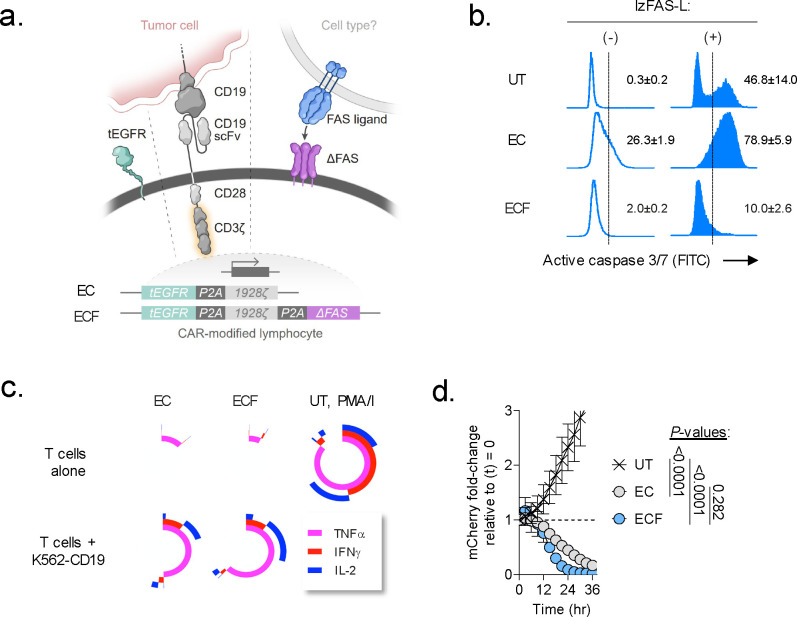
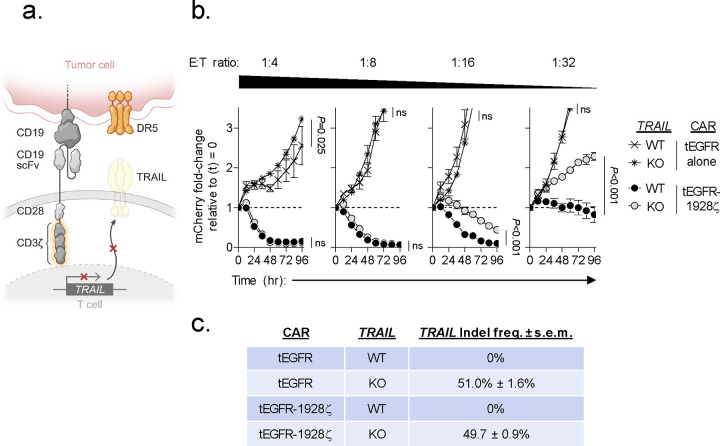
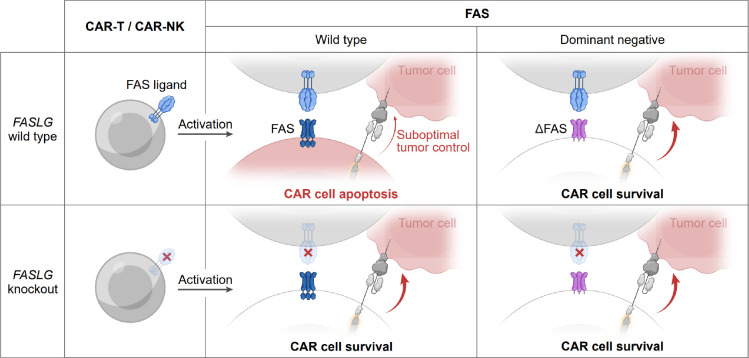
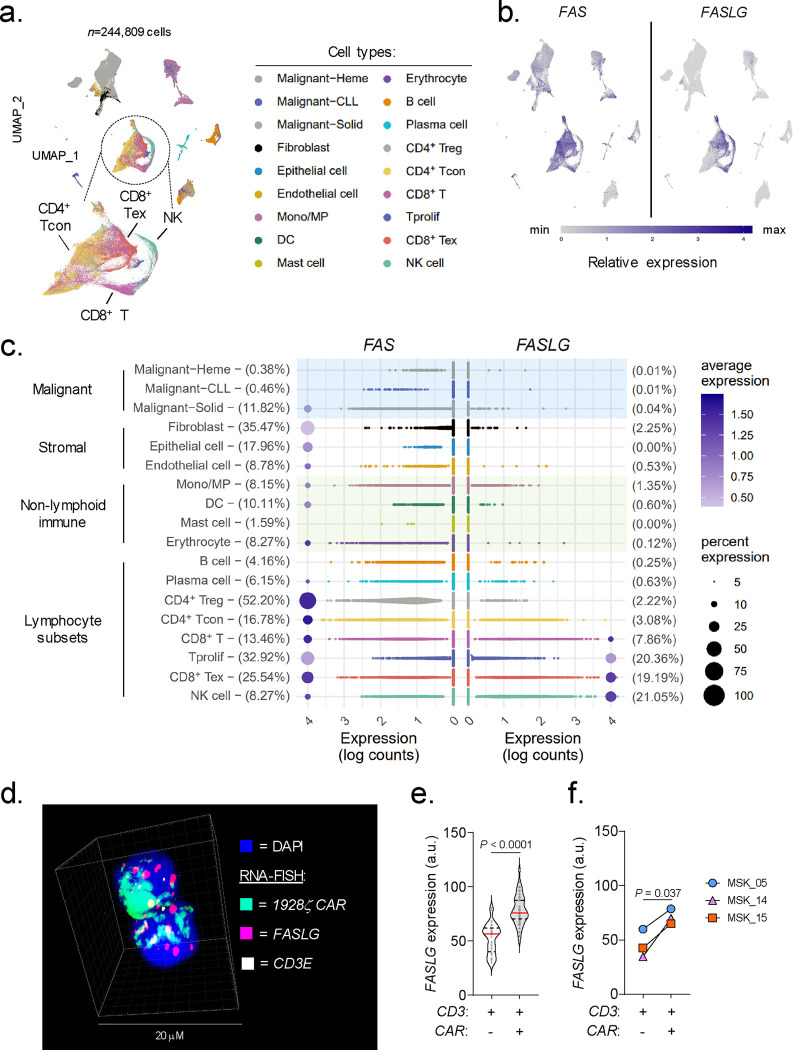
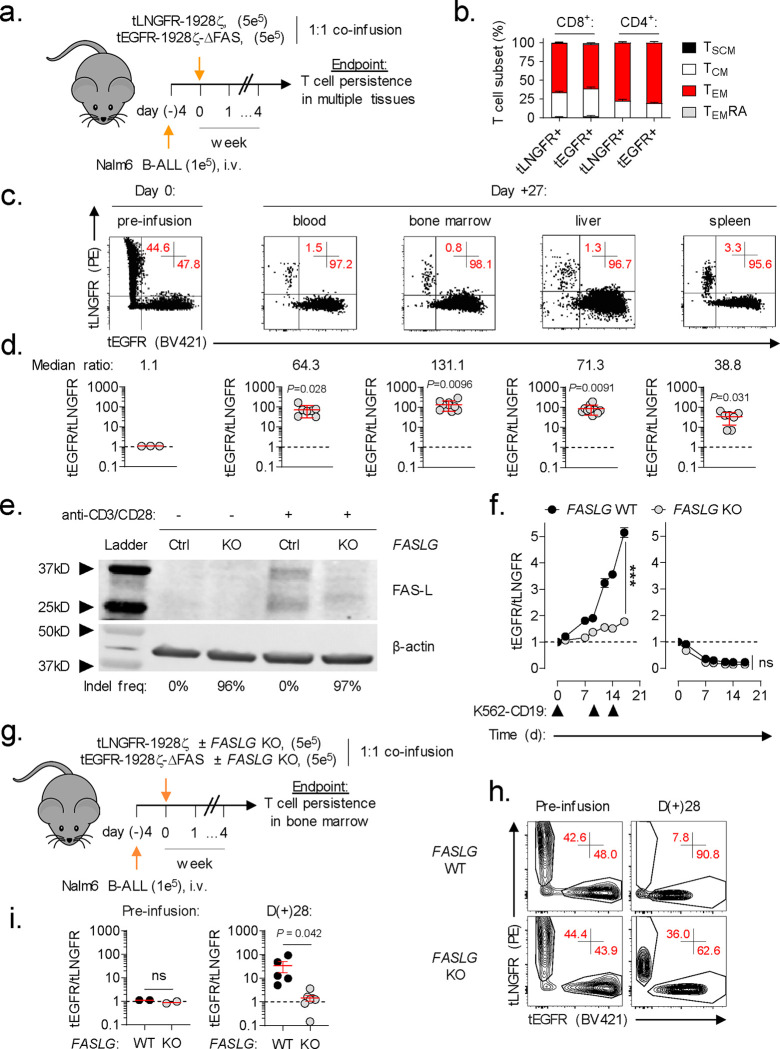
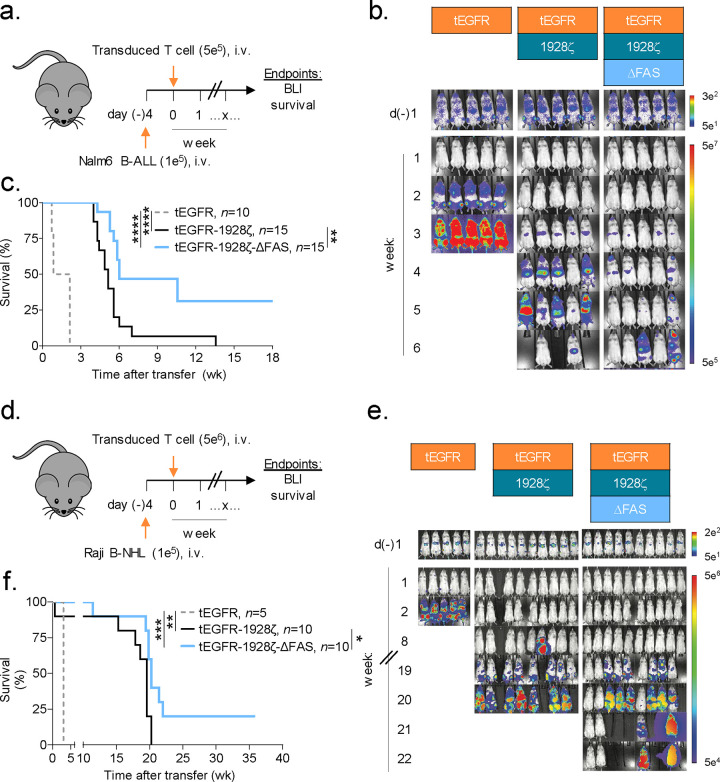
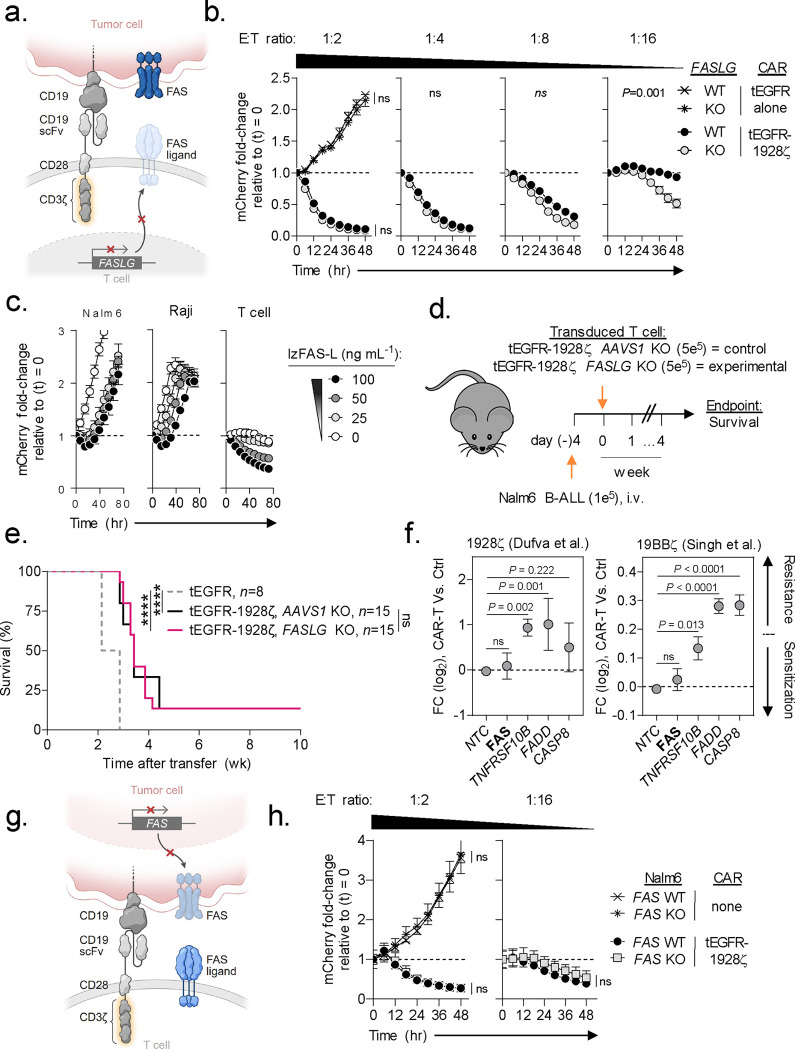
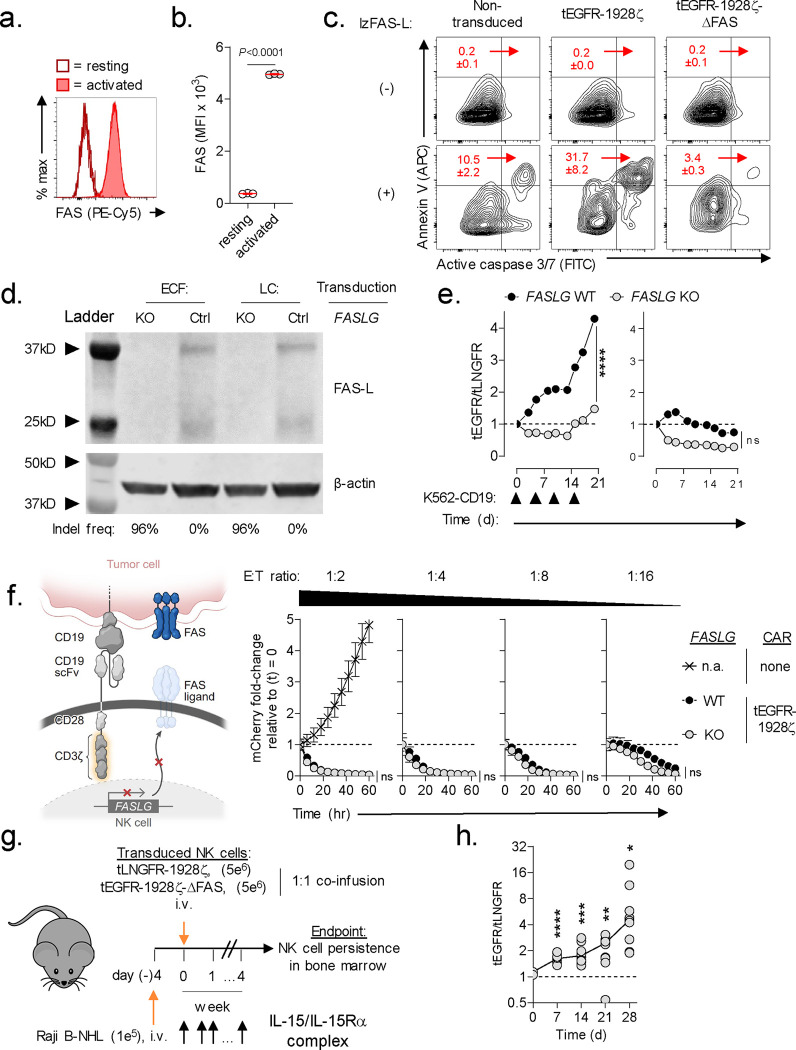
Chimeric antigen receptor (CAR)-engineered T and NK cells can cause durable remission of B-cell malignancies; however, limited persistence restrains the full potential of these therapies in many patients. The FAS ligand (FAS-L)/FAS pathway governs naturally-occurring lymphocyte homeostasis, yet knowledge of which cells express FAS-L in patients and whether these sources compromise CAR persistence remains incomplete. Here, we constructed a single-cell atlas of diverse cancer types to identify cellular subsets expressing , the gene encoding FAS-L. We discovered that is limited primarily to endogenous T cells, NK cells, and CAR-T cells while tumor and stromal cells express minimal . To establish whether CAR-T/NK cell survival is regulated through FAS-L, we performed competitive fitness assays using lymphocytes modified with or without a FAS dominant negative receptor (ΔFAS). Following adoptive transfer, ΔFAS-expressing CAR-T and CAR-NK cells became enriched across multiple tissues, a phenomenon that mechanistically was reverted through knockout. By contrast, was dispensable for CAR-mediated tumor killing. In multiple models, ΔFAS co-expression by CAR-T and CAR-NK enhanced antitumor efficacy compared with CAR cells alone. Together, these findings reveal that CAR-engineered lymphocyte persistence is governed by a FAS-L/FAS auto-regulatory circuit.
嵌合抗原受体(CAR)工程化的T细胞和NK细胞可使B细胞恶性肿瘤实现持久缓解;然而,有限的持久性限制了这些疗法在许多患者中的全部潜力。FAS配体(FAS-L)/FAS途径控制着自然发生的淋巴细胞稳态,但对于患者中哪些细胞表达FAS-L以及这些来源是否会影响CAR的持久性,目前仍了解不足。在此,我们构建了多种癌症类型的单细胞图谱,以识别表达编码FAS-L的基因的细胞亚群。我们发现主要限于内源性T细胞、NK细胞和CAR-T细胞,而肿瘤细胞和基质细胞表达极少。为了确定CAR-T/NK细胞的存活是否通过FAS-L调节,我们使用经或未经FAS显性负性受体(ΔFAS)修饰的淋巴细胞进行了竞争性适应性分析。过继转移后,表达ΔFAS的CAR-T细胞和CAR-NK细胞在多个组织中富集,通过敲除可在机制上逆转这一现象。相比之下,对于CAR介导的肿瘤杀伤作用则是可有可无的。在多个模型中,与单独的CAR细胞相比,CAR-T细胞和CAR-NK细胞共表达ΔFAS可增强抗肿瘤疗效。总之,这些发现表明CAR工程化淋巴细胞的持久性受FAS-L/FAS自调节回路控制。